When Is a Corneal Transplant Needed?
The cornea is the clear, dome-shaped front surface of the eye that provides two-thirds of the eye's focusing power. When the cornea becomes clouded, scarred, or distorted, vision is severely affected and cannot be corrected with glasses, contact lenses, or laser surgery. Conditions that may require corneal transplantation include: keratoconus (progressive thinning and bulging of the cornea), Fuchs' endothelial dystrophy (progressive loss of corneal endothelial cells causing corneal swelling and clouding), corneal scarring from infection, trauma, or previous surgery, bullous keratopathy (corneal swelling after cataract surgery), and hereditary corneal dystrophies.
Corneal transplant surgery (keratoplasty) replaces the damaged corneal tissue with healthy donor tissue from a deceased donor. Modern corneal surgery has evolved from full-thickness transplantation to selective, layer-specific techniques that replace only the diseased layer of the cornea while preserving healthy tissue — resulting in faster recovery, better visual outcomes, and lower rejection rates.
Keratoconus is the most common reason patients under 40 seek corneal transplant evaluation, and it represents a condition where early intervention can dramatically change the treatment trajectory. Keratoconus typically begins in adolescence or early adulthood and progressively thins and distorts the cornea into a cone shape. In its early stages, vision can be corrected with glasses or rigid gas permeable (RGP) contact lenses. As the disease progresses, contact lenses can no longer provide adequate vision, and corneal transplantation becomes necessary. However, corneal cross-linking (CXL) — a relatively simple, 30-minute outpatient procedure — can halt keratoconus progression in over 95% of cases if performed early enough. This is why timely diagnosis and access to CXL is so important: a $1,000 cross-linking procedure today can prevent the need for a $10,000+ corneal transplant in the future. Many patients travel to Turkey specifically for CXL because it is not covered by insurance in their home country or because wait times for the procedure are unacceptably long.
Fuchs' endothelial dystrophy is the leading cause of corneal transplantation in patients over 50. In this condition, the endothelial cells that line the inner surface of the cornea — responsible for pumping fluid out of the cornea to keep it clear — gradually die off. Unlike most cells in the body, corneal endothelial cells cannot regenerate. As the endothelial cell count drops below a critical threshold (approximately 500-800 cells/mm²), the cornea becomes waterlogged and cloudy, causing progressively blurred vision, glare, and halos around lights. DMEK — the most advanced form of endothelial transplant — replaces only the thin endothelial layer with healthy donor tissue, preserving the patient's own corneal structure and providing the fastest recovery and best visual outcomes. At Dünyagöz Eye Hospital, corneal specialists experienced in DMEK perform this delicate procedure using pre-cut donor tissue from accredited eye banks, achieving graft attachment rates comparable to the best international centers.

Types of Corneal Transplant
The evolution of corneal transplant surgery from full-thickness to selective layer replacement represents one of the most significant advances in modern ophthalmology. Understanding the different techniques — and which conditions each is designed to treat — is essential for patients evaluating their options. The trend in corneal surgery is firmly toward replacing only the diseased layer while preserving healthy tissue, resulting in faster recovery, better visual outcomes, and lower rejection rates.
- Penetrating Keratoplasty (PKP): Full-thickness corneal transplant — the entire cornea is replaced with donor tissue. Used when all layers of the cornea are affected. Has the longest recovery but remains necessary for some conditions.
- Deep Anterior Lamellar Keratoplasty (DALK): Replaces the front layers (stroma) while preserving the patient's own endothelium (back layer). Ideal for keratoconus and stromal scars. Lower rejection risk than PKP because the endothelium — the layer most prone to rejection — is preserved.
- Descemet's Stripping Automated Endothelial Keratoplasty (DSAEK): Replaces only the posterior endothelial layer. Used for Fuchs' dystrophy and bullous keratopathy. Faster recovery than PKP, with most patients achieving functional vision within 1-3 months.
- Descemet's Membrane Endothelial Keratoplasty (DMEK): The most advanced endothelial transplant technique, replacing only the thinnest layer (Descemet's membrane and endothelium). Offers the fastest recovery and best visual outcomes of any corneal transplant, but is technically the most demanding procedure. Rapidly becoming the gold standard for endothelial dysfunction.
- Corneal Cross-Linking (CXL): Not a transplant but a preventive procedure for keratoconus. UV light and riboflavin (vitamin B2) strengthen the collagen fibers in the cornea, halting the progression of keratoconus and potentially avoiding the need for future transplantation.
- Boston Keratoprosthesis (KPro): An artificial cornea device reserved for patients in whom traditional corneal transplantation has failed multiple times or is unlikely to succeed due to severe ocular surface disease, chemical burns, or autoimmune conditions. The KPro replaces the central cornea with a synthetic optical cylinder, bypassing the need for donor tissue entirely.
Cost Comparison
Corneal Transplant Cost Comparison 2025
| Procedure | USA | Turkey | India |
|---|---|---|---|
| Penetrating Keratoplasty (PKP) | $10,000 - $15,000 | $3,000 - $5,000 | $2,000 - $3,500 |
| DALK | $10,000 - $15,000 | $3,500 - $5,500 | $2,500 - $4,000 |
| DSAEK | $12,000 - $18,000 | $4,000 - $6,000 | $2,500 - $4,000 |
| DMEK | $12,000 - $20,000 | $4,500 - $6,500 | $3,000 - $4,500 |
| Corneal Cross-Linking (CXL) | $2,500 - $5,000 | $800 - $1,500 | $500 - $1,000 |
Prices include surgeon fee, donor corneal tissue, facility fee, and standard post-operative care. Wait times for donor tissue vary by country and eye bank availability. Corneal cross-linking is a preventive procedure for keratoconus, not a transplant.
Corneal transplant surgery shows substantial cost savings abroad. In Turkey, full-thickness corneal transplant (PKP) costs $3,000-$5,000 compared to $10,000-$15,000 in the US. Advanced endothelial transplant techniques (DSAEK, DMEK) cost $4,000-$6,500 in Turkey — approximately 60-70% less than US pricing. Dünyagöz Eye Hospital, with its extensive corneal surgery department and access to an established eye bank network, performs all types of corneal transplant including the technically demanding DMEK procedure.
Corneal cross-linking for keratoconus is particularly cost-effective abroad, at $800-$1,500 in Turkey vs. $2,500-$5,000 in the US. Since CXL is a preventive procedure that can halt keratoconus progression and potentially avoid the need for corneal transplant entirely, the cost savings are compounded over a lifetime. Veni Vidi Eye Clinics and Çağın Eye Hospital both offer CXL alongside their refractive surgery programs.
When comparing corneal transplant costs internationally, patients should understand that the price typically includes the surgeon fee, operating room time, anesthesia, and the donor corneal tissue itself. However, the cost of donor tissue varies significantly by source: tissue from US eye banks (which some international clinics import for premium cases) costs more than locally sourced tissue, but may offer advantages in terms of quality documentation, endothelial cell count certification, and traceability. Some Turkish clinics offer patients the choice between locally banked tissue and imported tissue, with the latter adding $500-$1,000 to the total cost. For endothelial transplants (DSAEK, DMEK), pre-cut tissue — where the donor cornea is prepared by the eye bank into the precise layer needed for transplantation — is increasingly preferred because it reduces surgical complexity and improves outcomes. Pre-cut tissue may cost slightly more but is worth the investment for the improved graft quality.
Donor Tissue Quality
The quality of donor corneal tissue is critical for transplant success. Donor corneas must be screened for infections (HIV, hepatitis B/C, syphilis), tested for endothelial cell density (minimum 2,000 cells/mm²), and stored properly in preservation media. In Turkey and India, established eye banks provide high-quality donor tissue that meets international standards. Turkey's eye bank network follows EU Tissue and Cells Directive standards, while India's eye bank system — one of the largest in the world — provides well-screened donor tissue at significantly lower costs.
Patients considering corneal transplant abroad should ask several important questions about donor tissue: What is the source of the donor cornea (local eye bank or imported)? What screening protocols are followed? What is the minimum acceptable endothelial cell density? How is the tissue stored, and what preservation medium is used (Optisol-GS is the international standard)? For DSAEK and DMEK procedures, is the tissue pre-cut or prepared intraoperatively? A reputable corneal surgery center will answer these questions transparently and provide documentation of donor tissue quality. At Anadolu Medical Center, the corneal surgery team uses eye bank tissue that meets rigorous quality standards and provides patients with full documentation of donor screening results and tissue specifications.
Surgery & Recovery
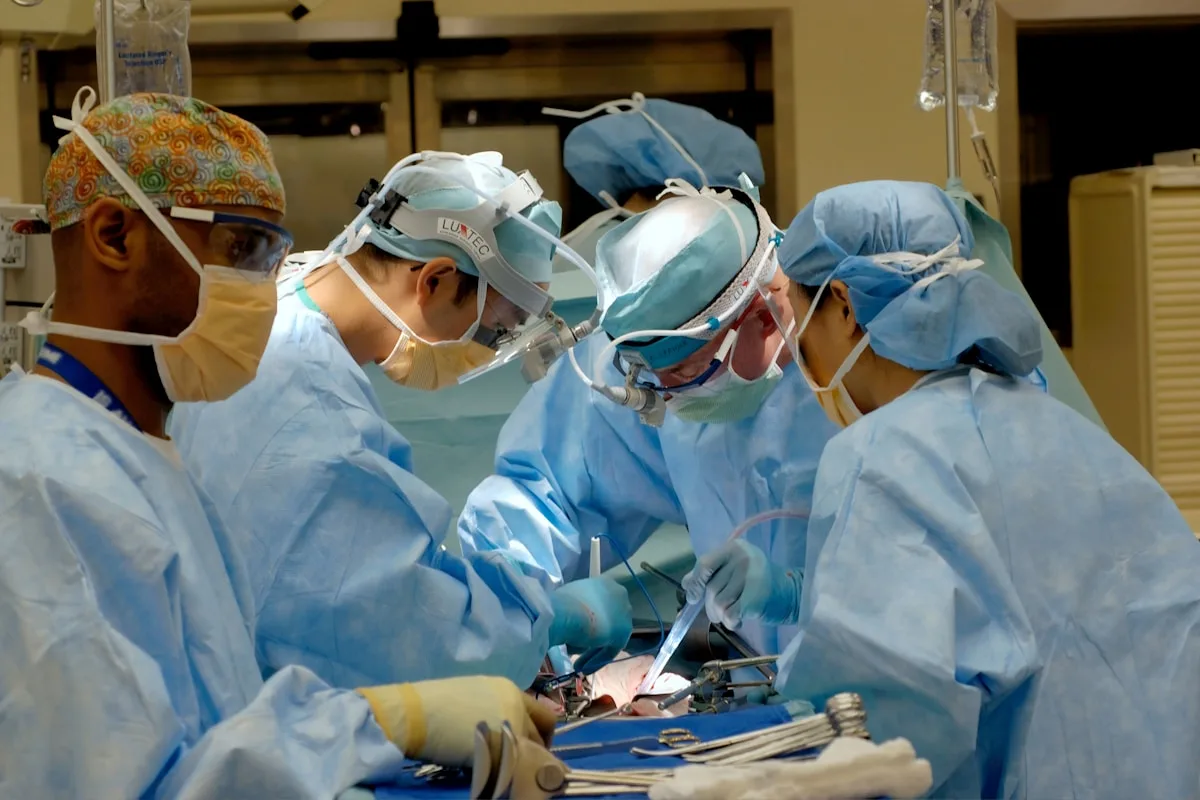
Corneal transplant surgery takes 30-90 minutes under local or general anesthesia, depending on the procedure type and complexity. Recovery time varies significantly by technique: DMEK patients typically achieve functional vision within 2-4 weeks, DSAEK within 1-3 months, and PKP within 6-12 months. All corneal transplant patients require long-term steroid eye drops (often for a year or more) to prevent rejection, and close follow-up monitoring with an ophthalmologist.
For patients considering corneal transplant abroad, plan for a stay of at least 7-14 days after surgery for initial healing and follow-up. At Memorial Şişli Hospital, the corneal surgery team provides comprehensive post-operative care including frequent slit-lamp examinations, OCT corneal imaging, and endothelial cell count monitoring to ensure graft health and detect any early signs of rejection.
The long-term management of a corneal transplant requires commitment from the patient regardless of where the surgery is performed. Steroid eye drops — typically prednisolone acetate 1% or dexamethasone — must be used according to a carefully prescribed tapering schedule, often starting at four times daily and gradually reducing over 12-18 months. Some corneal transplant patients require low-dose maintenance steroids indefinitely to prevent late rejection episodes. Steroid eye drops can increase intraocular pressure (leading to steroid-induced glaucoma) and accelerate cataract formation, so regular monitoring by an ophthalmologist is essential. Before traveling for corneal transplant surgery, identify an ophthalmologist in your home city who is experienced in managing corneal grafts and is willing to provide ongoing follow-up care based on the surgical report from your international surgeon.
DMEK surgery has a unique post-operative consideration: the thin donor tissue membrane can detach from the recipient cornea in the first few days after surgery, requiring a rebubbling procedure (injection of an air bubble to press the membrane back into place). Rebubbling is needed in approximately 10-30% of DMEK cases, even at the most experienced centers. This is a minor procedure performed in the clinic under topical anesthesia, but it means DMEK patients should plan for the possibility of an additional clinic visit in the first week after surgery. Staying for at least 7-10 days after DMEK allows time for the graft to stabilize and for any rebubbling to be performed if necessary.
Best Destinations
Turkey, India, and Singapore are the top destinations for corneal transplant surgery abroad. Turkey combines experienced corneal surgeons, modern surgical equipment, and reliable eye bank tissue at competitive prices. India has the world's largest eye bank network and exceptional corneal surgery expertise at the lowest global prices. Singapore offers premium care with shorter wait times for donor tissue. For corneal cross-linking specifically, Turkey is the most popular destination due to the simplicity of the procedure and the country's well-established refractive surgery infrastructure.
For patients with keratoconus specifically, Turkey has become a major international destination for both cross-linking and corneal transplant surgery. Istanbul's eye hospitals see a high volume of keratoconus cases from across Europe, the Middle East, and North Africa, giving Turkish corneal specialists extensive experience with all stages of the disease — from early keratoconus suitable for CXL to advanced cases requiring DALK or PKP. This high case volume translates into refined surgical techniques, optimized post-operative protocols, and consistently strong outcomes. The combination of expertise, affordability, and geographical accessibility makes Turkey the first choice for many international keratoconus patients seeking either preventive or surgical treatment.
An important emerging trend in corneal surgery is the development of acellular corneal implants and biosynthetic corneas, which aim to address the global shortage of donor tissue. While these technologies are not yet widely available for standard clinical use, clinical trials are underway in several countries, and some specialized centers are beginning to offer them for specific indications. For the foreseeable future, however, human donor tissue remains the gold standard for corneal transplantation, and patients should focus on choosing a destination with reliable access to high-quality eye bank tissue and experienced corneal surgeons. Turkey's growing eye bank infrastructure, combined with the option to import premium tissue from international eye banks, ensures that patients traveling to Istanbul for corneal transplant surgery have access to the best available donor material regardless of local availability constraints.
Need corneal treatment? Connect with experienced corneal specialists at verified eye centers worldwide.
Find Corneal SpecialistsI had advanced keratoconus in both eyes and was told I needed corneal transplants. My corneal specialist in Istanbul recommended cross-linking for the milder eye and DALK for the more advanced one. The total cost for both procedures was $5,800 — my US quote was $22,000. My vision has stabilized beautifully.
Andrew L., corneal surgery in Turkey
Frequently Asked Questions
How long does a corneal transplant last?
Corneal transplants have excellent longevity. Full-thickness grafts (PKP) have a 5-year survival rate of approximately 75% and a 10-year survival rate of 60-70%. Endothelial transplants (DSAEK, DMEK) have even better survival rates at 85-95% at 5 years. Graft rejection can occur but is often treatable with increased steroid drops if detected early.
Is there a wait for donor corneas abroad?
Wait times vary by country and eye bank. In Turkey and India, donor corneal tissue is generally available within 1-4 weeks. In the US, wait times are typically 1-2 weeks. Some international clinics maintain relationships with multiple eye banks to minimize wait times. Emergency corneal transplants (for perforated corneas) are prioritized.
Can corneal cross-linking cure keratoconus?
CXL does not cure keratoconus but halts its progression in over 95% of cases. By strengthening the corneal collagen fibers, CXL prevents further thinning and bulging. In some cases, vision actually improves after CXL as the cornea stabilizes. CXL is most effective when performed early in the disease course, before significant visual loss occurs.
What are the signs of corneal transplant rejection?
Warning signs include: sudden redness, light sensitivity, decreased vision, and pain in the transplanted eye. The acronym RSVP (Redness, Sensitivity to light, Vision decrease, Pain) is used as a reminder. If you experience these symptoms, contact your ophthalmologist immediately — rejection can often be reversed with aggressive steroid treatment if caught early.