Types of Spinal Tumors
Spinal tumors are classified by their location relative to the spinal cord and meninges. Extradural tumors, located outside the dural sac, are the most common type and include both primary bone tumors and metastatic disease. Spinal metastases from cancers of the lung, breast, prostate, kidney, and thyroid account for the majority of extradural tumors and affect approximately 5 to 10 percent of all cancer patients. Intradural-extramedullary tumors grow within the dural sac but outside the spinal cord itself, with meningiomas and schwannomas being the most common types. Intramedullary tumors arise within the spinal cord substance and include ependymomas, astrocytomas, and hemangioblastomas — these are the rarest but most challenging to treat.
Symptoms of spinal tumors depend on their location, size, and rate of growth. The most common presenting symptom is progressive back pain that worsens at night and is not relieved by rest, distinguishing it from typical degenerative spine pain. As tumors enlarge, they may cause neurological symptoms including radiculopathy from nerve root compression, myelopathy from spinal cord compression with weakness, numbness, and gait difficulty, and in advanced cases, bowel and bladder dysfunction. The urgency of treatment depends on the rate of neurological decline, with acute spinal cord compression representing a surgical emergency.
The cost of spinal tumor surgery in the United States is among the highest of any surgical procedure, reflecting the complexity and length of these operations, the multidisciplinary team required, and the often prolonged hospital stays and rehabilitation needs. Simple intradural tumor excisions start at $80,000, while complex en bloc resections with spinal reconstruction can exceed $300,000. International oncology and spine surgery centers offer comprehensive spinal tumor care at 60 to 80 percent lower cost, with experienced surgeons who have trained at leading institutions worldwide. Anadolu Medical Center, with its Johns Hopkins affiliation, provides multidisciplinary oncological spine surgery with internationally competitive pricing.
Surgical Approaches for Spinal Tumors
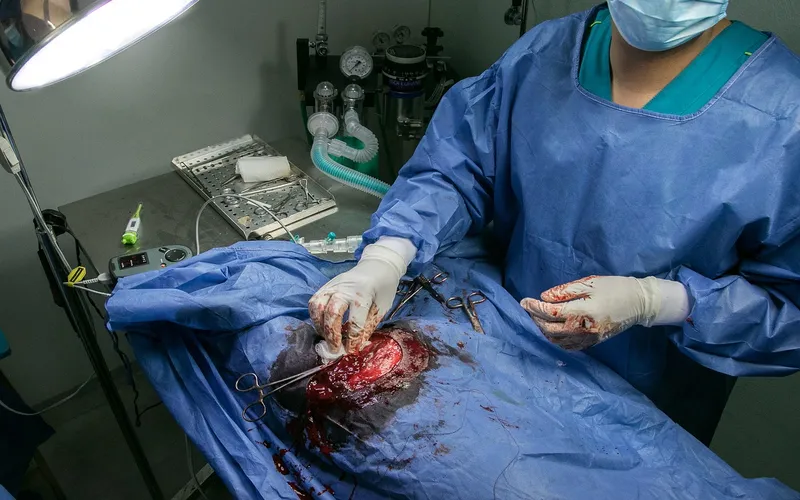
The surgical approach for spinal tumors is determined by the tumor's location, size, histological type, and the treatment goal (curative resection versus palliative decompression). For intradural-extramedullary tumors such as meningiomas and schwannomas, posterior laminectomy with microsurgical excision under intraoperative neurophysiological monitoring is the standard approach, with complete resection achievable in 90 to 95 percent of cases and excellent neurological outcomes. These tumors are typically benign with low recurrence rates after complete excision. Experienced neurosurgeons at Anadolu Medical Center perform these delicate procedures with comprehensive neuromonitoring to maximize safety.
Metastatic spinal disease requires a different treatment paradigm focused on maintaining neurological function, pain control, and spinal stability. The NOMS (Neurologic, Oncologic, Mechanical, Systemic) framework guides treatment decisions for spinal metastases, considering the degree of neurological compromise, tumor radio-sensitivity, spinal stability, and the patient's overall systemic disease status. Surgical options range from minimally invasive percutaneous cement augmentation and stabilization for impending fractures to open decompression with instrumented fixation for patients with significant neural compression and mechanical instability.
En bloc spondylectomy, the most radical spinal tumor surgery, involves removal of an entire vertebral body with surrounding margins in a single piece. This technique is reserved for select primary spinal tumors where en bloc resection with wide or marginal margins offers the best chance of cure. The procedure requires meticulous preoperative planning, often a staged approach with anterior and posterior components, and complex reconstruction with structural cages and long-segment instrumentation. Few centers worldwide have the expertise to perform this surgery safely, and international centers with dedicated spine tumor programs offer this capability at costs far below US pricing.
- Microsurgical intradural tumor excision — 90-95% complete resection for benign tumors
- Posterior decompression with stabilization — standard for metastatic compression
- Anterior corpectomy with cage reconstruction — for vertebral body tumors
- En bloc spondylectomy — curative-intent resection for primary tumors
- Separation surgery + radiosurgery — modern approach for metastatic disease
- Percutaneous stabilization — minimally invasive fixation for pathological fractures
- Stereotactic radiosurgery — non-surgical precision radiation for small tumors
Cost Comparison by Country
Spinal Tumor Surgery Cost Comparison 2025
| Procedure | USA Cost | Turkey Cost | Savings |
|---|---|---|---|
| Intradural Tumor Excision | $80,000 - $150,000 | $18,000 - $35,000 | Up to 78% |
| Extradural Tumor Resection | $60,000 - $120,000 | $15,000 - $28,000 | Up to 77% |
| En Bloc Spondylectomy | $150,000 - $300,000 | $40,000 - $70,000 | Up to 77% |
| Metastatic Decompression + Stabilization | $70,000 - $140,000 | $16,000 - $32,000 | Up to 78% |
| Spinal Stereotactic Radiosurgery | $30,000 - $60,000 | $8,000 - $15,000 | Up to 75% |
| Vertebrectomy + Reconstruction | $100,000 - $200,000 | $25,000 - $50,000 | Up to 75% |
Costs vary significantly based on tumor type, location, extent of resection, and need for reconstruction. Multimodal treatment combining surgery with radiation may involve additional costs.
The cost considerations for spinal tumor treatment are particularly complex because many patients require multimodal therapy combining surgery with radiation and sometimes chemotherapy. International oncology centers offer comprehensive treatment packages that include all components of care at transparent pricing. The savings of 60 to 80 percent on spinal tumor surgery abroad can amount to hundreds of thousands of dollars for complex cases, making the difference between receiving optimal treatment and settling for limited palliative care due to financial constraints.
Diagnosed with a spinal tumor? Get free quotes from experienced spine tumor surgeons at internationally accredited centers with comprehensive oncology capabilities.
Get Free QuoteLeading Spinal Tumor Surgery Centers
Anadolu Medical Center provides multidisciplinary spine tumor care through its integrated oncology and neurosurgery departments. The center's spine tumor team includes neurosurgeons, orthopedic spine surgeons, radiation oncologists, medical oncologists, and interventional radiologists who collaborate on complex cases through regular tumor board conferences. The availability of stereotactic radiosurgery and comprehensive radiation therapy capabilities alongside surgical expertise enables delivery of the full spectrum of spine tumor treatments at a single institution.
Acıbadem Maslak Hospital houses one of Turkey's most advanced oncology programs, with comprehensive spine tumor treatment capabilities including CyberKnife stereotactic radiosurgery. Memorial Şişli Hospital offers spine tumor surgery as part of its extensive neurosurgery department, and Istanbul Florence Nightingale Hospital provides spine tumor care within its established cancer treatment program. For European patients, Campus Bio-Medico in Rome combines academic oncology research with clinical spine tumor surgery expertise.
Adjuvant Treatment: Radiation & Beyond
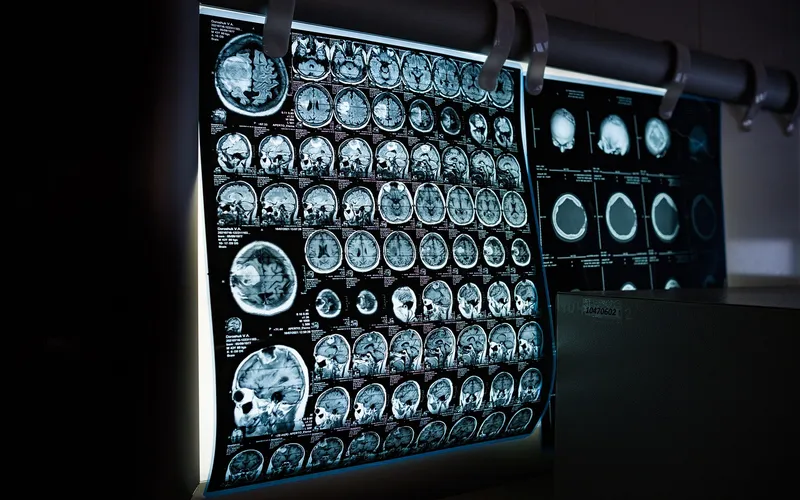
Stereotactic body radiation therapy (SBRT) and stereotactic radiosurgery (SRS) have revolutionized the treatment of spinal tumors, providing highly focused, high-dose radiation to tumor targets while sparing surrounding normal tissues. These technologies are particularly valuable for metastatic spinal disease where separation surgery creates a small gap between the tumor and spinal cord, allowing subsequent high-dose radiation to achieve local tumor control rates exceeding 85 to 90 percent. SBRT/SRS is also used as primary treatment for radiosensitive metastases, small intradural tumors in patients who are poor surgical candidates, and adjuvant therapy after incomplete resection of primary tumors.
Conventional external beam radiation therapy continues to play an important role in treating radiosensitive tumors such as lymphoma and multiple myeloma involving the spine, and as palliative treatment for painful metastatic disease. Chemotherapy and targeted therapies are selected based on the primary tumor histology and are coordinated between the patient's home oncologist and the international treatment team. Immunotherapy has also emerged as a treatment option for certain tumor types. International oncology centers maintain the full spectrum of systemic therapies and can initiate or continue treatment protocols in coordination with the patient's primary oncology team.
When my husband was diagnosed with a spinal meningioma, we were quoted $120,000 for surgery in the US. At Anadolu Medical Center, the neurosurgery team completely removed the tumor through a microsurgical approach for $28,000. The intraoperative monitoring showed no nerve damage, and he made a full recovery. We cannot say enough about the quality of care we received.
Linda K., wife of spinal tumor surgery patient
Frequently Asked Questions
Is it safe to travel abroad for spinal tumor surgery?
Yes, provided you choose an accredited center with experienced spine tumor surgeons and comprehensive oncology support. For urgent cases with rapidly progressive neurological symptoms, initial stabilization should be performed locally before arranging definitive treatment abroad. For elective cases, international centers offer excellent outcomes with thorough preoperative planning and coordination.
How do I coordinate ongoing cancer care between countries?
International oncology centers are experienced in coordinating with patients' home physicians. They provide comprehensive treatment summaries, pathology reports, imaging studies, and treatment recommendations. Many use international pathology consultation services to ensure consistency. Telemedicine follow-up is available for ongoing monitoring and treatment adjustments.
What is separation surgery for spinal metastases?
Separation surgery is a modern approach where the surgeon removes just enough tumor to create a 2-3mm gap between the tumor and the spinal cord, followed by stabilization if needed. This gap then allows safe delivery of high-dose stereotactic radiation to achieve tumor control. This approach avoids the morbidity of radical tumor removal while achieving excellent local control rates of 85-90%.
Are spinal tumor surgery outcomes comparable at international centers?
Yes. Leading international spine tumor centers employ fellowship-trained neurosurgeons and spine surgeons with specific expertise in tumor surgery. These surgeons have often trained at major Western academic centers and maintain clinical volumes that support expertise. Hospital infrastructure including intraoperative monitoring, navigation, and ICU capabilities meets international standards at accredited centers.