Understanding Spinal Fusion Surgery
Spinal fusion surgery is one of the most commonly performed spine procedures worldwide, designed to permanently join two or more vertebrae together to eliminate motion between them. The procedure is indicated for a range of conditions including degenerative disc disease, spondylolisthesis, spinal stenosis with instability, fractures, scoliosis, and failed conservative treatment for chronic back pain. By fusing the affected vertebrae, the surgery aims to stabilize the spine, reduce pain, and prevent further degeneration at the affected levels. Approximately 500,000 spinal fusion procedures are performed annually in the United States alone, making it one of the most common surgical interventions for spinal disorders.
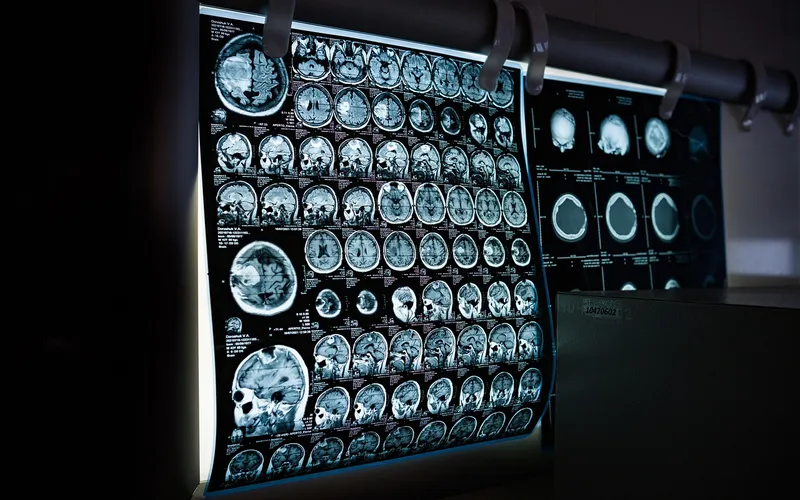
The decision to undergo spinal fusion is typically made after exhausting conservative treatment options including physical therapy, pain medications, epidural steroid injections, and lifestyle modifications over a period of six months to a year. Ideal candidates are patients with clear structural pathology that correlates with their symptoms, confirmed through advanced imaging studies such as MRI, CT scans, and dynamic X-rays. The success of spinal fusion depends heavily on proper patient selection, and experienced spine surgeons at leading international centers like Anadolu Medical Center in Turkey conduct thorough preoperative evaluations to ensure patients are appropriate candidates for the procedure.
The cost of spinal fusion surgery in the United States has risen dramatically, with single-level procedures averaging $80,000 to $120,000 and multi-level fusions reaching $150,000 to $250,000 or more. These costs include surgeon fees, hospital stay, implant costs, anesthesia, and facility charges but often do not include the significant rehabilitation costs that follow. For patients without adequate insurance coverage, or those facing high deductibles and copayments, the financial burden can be devastating. International spine surgery centers offer the same procedures with equivalent or superior outcomes at 60 to 80 percent lower cost, performed by fellowship-trained spine surgeons using identical implant systems and surgical techniques.
Fusion Techniques & Surgical Approaches
Posterior lumbar interbody fusion (PLIF) and transforaminal lumbar interbody fusion (TLIF) are two of the most widely performed fusion techniques, both approaching the spine from the back. PLIF involves removing the disc material and placing interbody cages filled with bone graft between the vertebral bodies through a bilateral approach, while TLIF uses a unilateral approach that reduces nerve retraction and may lower the risk of neurological complications. Both techniques are supplemented with pedicle screw and rod fixation to provide immediate stability while the bone graft heals and fuses the vertebrae together. Surgeons at Anadolu Medical Center are highly experienced in both PLIF and TLIF approaches, selecting the optimal technique based on each patient's anatomy and pathology.
Anterior lumbar interbody fusion (ALIF) approaches the spine through the abdomen, allowing placement of larger interbody cages without disturbing the posterior spinal elements or back muscles. This approach is particularly advantageous for patients with disc degeneration at L4-L5 and L5-S1 levels and can be combined with posterior fixation in a 360-degree fusion for maximum stability. Lateral lumbar interbody fusion (LLIF or XLIF) is a newer approach that accesses the spine through the side, offering the benefits of a large cage placement while avoiding the risks associated with anterior or posterior approaches. These advanced techniques are available at leading international spine centers including Memorial Şişli Hospital and Acıbadem Maslak Hospital in Istanbul.
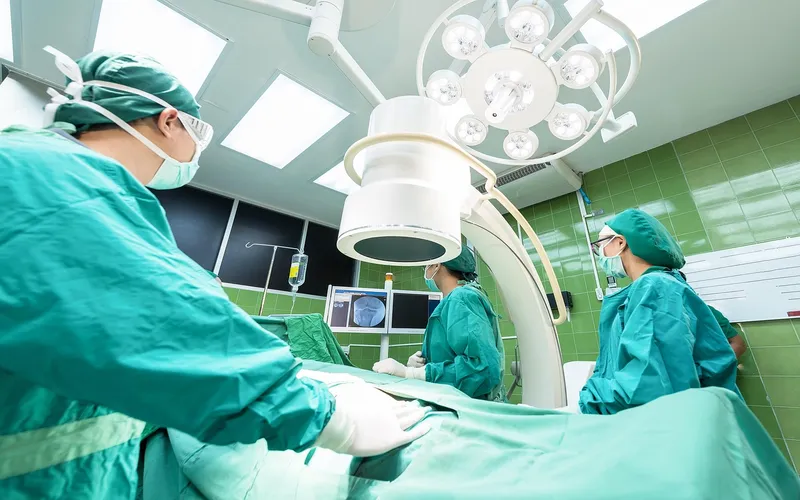
Minimally invasive spinal fusion (MIS fusion) represents a significant advancement in surgical technique, utilizing smaller incisions, tubular retractors, and specialized instruments to perform the fusion with less tissue disruption than traditional open surgery. MIS fusion techniques reduce blood loss, decrease postoperative pain, shorten hospital stays, and accelerate recovery compared to open approaches. Navigation-guided and robotic-assisted fusion technologies further enhance accuracy of implant placement, with studies showing pedicle screw accuracy rates exceeding 98 percent with navigation assistance compared to 85 to 90 percent with freehand placement.
- PLIF/TLIF — posterior approaches with interbody cages and pedicle screw fixation
- ALIF — anterior approach allowing larger cage placement without disturbing back muscles
- LLIF/XLIF — lateral approach with favorable biomechanical properties
- 360-degree fusion — combined anterior and posterior stabilization for maximum stability
- MIS fusion — smaller incisions, less tissue damage, faster recovery
- Navigation-guided fusion — computer-assisted implant placement for enhanced accuracy
- Robotic-assisted fusion — robotic precision for optimal screw trajectory planning
Cost Comparison by Country
Spinal Fusion Surgery Cost Comparison 2025
| Procedure | USA Cost | Turkey Cost | Savings |
|---|---|---|---|
| Single-Level Lumbar Fusion | $80,000 - $120,000 | $15,000 - $25,000 | Up to 80% |
| Two-Level Lumbar Fusion | $100,000 - $150,000 | $20,000 - $35,000 | Up to 78% |
| Cervical Fusion (ACDF) | $50,000 - $90,000 | $12,000 - $20,000 | Up to 78% |
| 360-Degree Fusion | $120,000 - $180,000 | $25,000 - $40,000 | Up to 80% |
| Minimally Invasive Fusion (TLIF) | $90,000 - $130,000 | $18,000 - $28,000 | Up to 80% |
| Posterior Lumbar Interbody Fusion | $85,000 - $125,000 | $16,000 - $26,000 | Up to 80% |
| Multi-Level Fusion (3+) | $150,000 - $250,000 | $30,000 - $50,000 | Up to 80% |
Costs include surgeon fees, hospital stay, implants, and anesthesia. Actual prices vary based on complexity, number of levels, and implant type.
The dramatic cost difference for spinal fusion surgery between the United States and international destinations is primarily driven by lower hospital operating costs, competitive implant pricing, and reduced overhead in countries like Turkey, India, Thailand, and Mexico. Importantly, the lower costs do not reflect lower quality. Many international spine surgery centers use the same implant systems from major manufacturers including Medtronic, DePuy Synthes, Stryker, and Zimmer Biomet that are standard in American hospitals. Surgeons at these centers hold fellowship training from prestigious institutions in the United States and Europe, and hospitals maintain accreditation from Joint Commission International and other recognized quality bodies.
Turkey has emerged as a leading destination for spinal fusion surgery, offering an exceptional combination of surgical expertise, advanced technology, and competitive pricing. The country's major hospital groups have invested heavily in spine surgery infrastructure, including intraoperative navigation systems, robotic surgery platforms, and neurophysiological monitoring equipment. At centers like Anadolu Medical Center, spinal fusion patients benefit from comprehensive packages that include all surgical costs, hospital stay, implants, pre and postoperative imaging, physiotherapy sessions, and international patient coordination services. These all-inclusive packages provide cost transparency and eliminate the surprise billing that is common in the US healthcare system.
Considering spinal fusion surgery? Get free quotes from JCI-accredited spine surgery centers with fellowship-trained surgeons and the latest technology.
Get Free QuoteTop Spine Surgery Centers Worldwide
Anadolu Medical Center, affiliated with Johns Hopkins Medicine, stands as one of Turkey's premier spine surgery destinations. The hospital's spine surgery department features a multidisciplinary team of neurosurgeons and orthopedic spine surgeons who collectively perform over 1,000 spine procedures annually. The department is equipped with the latest intraoperative navigation and neurophysiological monitoring systems, ensuring maximum safety and precision during complex fusion procedures. Anadolu's international patient department provides comprehensive support including airport transfers, accommodation assistance, interpreter services, and postoperative follow-up coordination with home country physicians.
Acıbadem Maslak Hospital offers world-class spine surgery capabilities within Turkey's largest private healthcare network. The hospital's spine center features dedicated operating theaters equipped with O-arm intraoperative imaging, Mazor robotic surgery systems, and real-time neurophysiological monitoring. Memorial Şişli Hospital maintains an equally impressive spine surgery program with experienced surgeons who specialize in complex revision cases and deformity correction. Istanbul Florence Nightingale Hospital rounds out Istanbul's top spine surgery options with a comprehensive spine center that handles both routine and complex fusion procedures.
Beyond Turkey, several international centers have established excellent reputations for spinal fusion surgery. Turan & Turan Health Group in Bursa offers specialized spine surgery expertise with competitive pricing even by Turkish standards. Carolina Medical Center in Warsaw, Poland provides European patients with convenient access to high-quality spine surgery at significantly lower costs than Western Europe. Campus Bio-Medico in Rome, Italy combines Italian surgical excellence with academic research capabilities, particularly for complex revision and deformity cases.
Recovery & Rehabilitation After Spinal Fusion
Recovery from spinal fusion surgery follows a well-defined timeline that patients should understand before committing to the procedure, particularly when planning for international travel. The immediate postoperative period involves one to four days of hospital stay depending on the extent of the fusion and the surgical approach used. During this time, patients begin early mobilization with physical therapy guidance, learning proper body mechanics for getting in and out of bed, standing, and walking. Pain management protocols at leading international spine centers utilize multimodal approaches including patient-controlled analgesia, nerve blocks, anti-inflammatory medications, and muscle relaxants to minimize discomfort while avoiding excessive opioid use.
The first six weeks following surgery represent the most critical healing period. Patients should plan to remain near their surgical center for seven to fourteen days postoperatively to allow for wound checks, removal of sutures or staples, and initial follow-up imaging to confirm implant position. Activities during this period are limited to walking, gentle movements, and prescribed exercises. Patients should avoid bending, lifting more than five to ten pounds, and twisting motions that could stress the fusion construct before solid bone healing occurs. International patients typically fly home after their first postoperative visit, with detailed instructions for continuing their recovery and exercise program at home.
Full recovery from spinal fusion typically takes six to twelve months, with the bone graft requiring this time to fully consolidate and create a solid fusion mass between the vertebrae. Physical therapy plays a crucial role in recovery, progressing from gentle range-of-motion exercises in the early weeks to core strengthening, flexibility training, and functional rehabilitation in the later months. Many international spine surgery centers provide patients with detailed rehabilitation protocols and video exercise guides that can be followed at home or shared with local physical therapists. Follow-up imaging at three, six, and twelve months confirms fusion progress and guides the gradual return to normal activities and work.
Risks & Important Considerations
Spinal fusion surgery carries inherent risks that patients should carefully weigh against the potential benefits. Surgical risks include infection occurring in one to three percent of cases, hardware failure or malposition, nerve injury causing weakness or numbness, dural tear causing cerebrospinal fluid leak, blood loss requiring transfusion, and deep vein thrombosis. The most significant long-term concern is adjacent segment disease, where the vertebral levels above or below the fusion experience accelerated degeneration due to altered biomechanics, occurring in 15 to 30 percent of patients over ten years. Additionally, pseudarthrosis, the failure of the fusion to heal solidly, occurs in 5 to 15 percent of cases depending on the number of levels fused, patient smoking status, and other factors.
When planning spinal fusion surgery abroad, patients should consider several practical factors to ensure the best possible outcome. Choose a surgeon who performs a high volume of the specific fusion type recommended for your condition, as surgical outcomes are strongly correlated with surgeon experience. Verify that the hospital uses intraoperative neurophysiological monitoring for all fusion procedures, as this technology significantly reduces the risk of neurological injury. Confirm the implant brand and system being used, and ensure it is from a major established manufacturer with a proven track record. Plan to stay near the surgical center for at least ten to fourteen days postoperatively, and arrange for a companion to assist with daily activities during the early recovery period.
I had been quoted $140,000 for a two-level fusion in the US. At Anadolu Medical Center, I received the same procedure with the same Medtronic implants for $28,000 including everything. The surgeon was fellowship-trained at Johns Hopkins, and the care was exceptional. I am now one year post-surgery and completely pain-free.
James T., spinal fusion patient from the US
Frequently Asked Questions
How long should I plan to stay abroad for spinal fusion surgery?
Plan for a minimum stay of 14-21 days. This includes preoperative consultations and imaging (2-3 days), surgery and hospital stay (2-5 days), and initial postoperative recovery and follow-up appointments (7-14 days). Some complex multi-level fusions may require a longer stay.
Can I fly after spinal fusion surgery?
Most patients can fly 10-14 days after single-level fusion surgery, provided they have no complications. Your surgeon will clear you for air travel based on your individual recovery. For the flight, request an aisle seat, walk every hour during long flights, wear compression stockings, and bring a lumbar support pillow.
What implants are used at international spine centers?
Leading international spine centers use the same implant systems as US hospitals — Medtronic, DePuy Synthes, Stryker, Zimmer Biomet, and NuVasive. You can request specific implant brands and receive documentation of the implants used for your records and future medical reference.
Will my US doctor be able to manage my follow-up care?
Yes. International spine centers provide comprehensive surgical reports, operative notes, implant cards, and imaging on disc. Share these with your local orthopedic surgeon or neurosurgeon for seamless continuity of care. Most US spine surgeons are willing to manage postoperative follow-up for patients who had surgery abroad.
What is the success rate of spinal fusion surgery?
Spinal fusion has a clinical success rate of 70-90% depending on the indication, with the highest success rates for spondylolisthesis and the lowest for degenerative disc disease without instability. Radiographic fusion (solid bone healing) rates exceed 90-95% with modern techniques and instrumentation.