Understanding Failed Back Surgery Syndrome
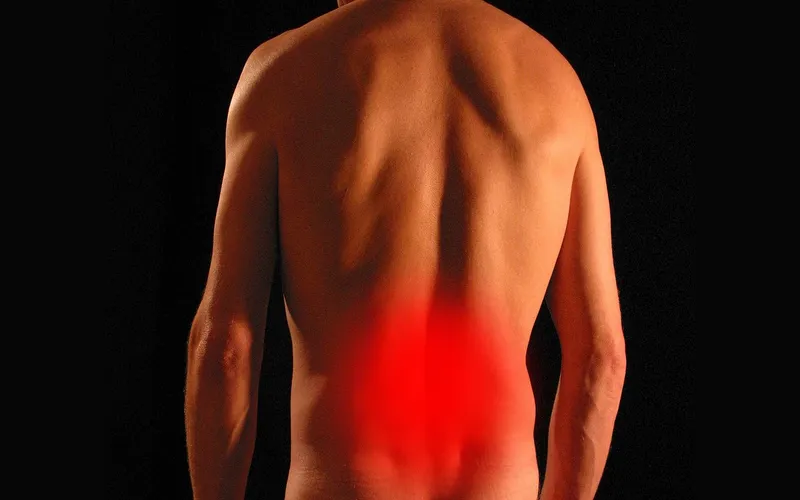
Failed back surgery syndrome (FBSS), also known as post-laminectomy syndrome, refers to persistent or recurrent pain following one or more spine surgeries. Despite the name, FBSS does not necessarily mean that the original surgery was performed incorrectly — it encompasses a wide range of conditions that can cause continued symptoms after technically successful procedures. FBSS affects an estimated 10 to 40 percent of spine surgery patients, depending on the type of procedure and patient selection criteria used. The condition represents one of the most challenging problems in spine surgery and pain medicine, requiring comprehensive evaluation and a multimodal treatment approach.
The causes of FBSS are diverse and often multifactorial. Structural causes include recurrent disc herniation at the operated level, stenosis at adjacent segments, pseudarthrosis (non-union of a fusion), hardware malposition or failure, epidural fibrosis (scar tissue formation around nerves), and foraminal stenosis that was not addressed during the initial surgery. Non-structural causes include central sensitization where the nervous system amplifies pain signals, myofascial pain from muscle deconditioning or spasm, sacroiliac joint dysfunction, and psychosocial factors including depression, anxiety, and deconditioning that perpetuate chronic pain. Identifying the specific cause or causes of FBSS is essential for selecting the most appropriate treatment.
The financial burden of FBSS is compounded by the fact that patients have already invested significantly in their initial surgery and are now facing additional treatment costs. In the United States, revision spine surgery costs $40,000 to $150,000, and spinal cord stimulation ranges from $60,000 to $100,000. These costs come on top of the original surgery costs and the productivity losses from chronic pain and disability. International spine and pain management centers offer comprehensive FBSS evaluation and treatment at 60 to 80 percent lower cost, providing hope and access for patients who might otherwise be unable to afford further treatment. Anadolu Medical Center has particular expertise in evaluating and treating FBSS patients from abroad.

Treatment Options for FBSS
Revision surgery may be appropriate when a clear, correctable structural cause of continued symptoms is identified. This includes recurrent disc herniation, which can be treated with repeat microdiscectomy; adjacent segment stenosis, treated with decompression at the affected level; pseudarthrosis, requiring revision fusion with bone grafting and potentially new instrumentation; hardware malposition causing nerve compression, requiring hardware revision or removal; and foraminal stenosis, treated with foraminotomy. The key to successful revision surgery is precise identification of the pain generator through advanced imaging including MRI, CT with 3D reconstruction, and in some cases diagnostic nerve blocks to confirm the symptomatic level. Experienced revision spine surgeons at Anadolu Medical Center perform thorough diagnostic workups before recommending revision procedures.
Spinal cord stimulation has emerged as one of the most effective treatments for FBSS, particularly when the dominant symptom is neuropathic leg pain. Multiple randomized controlled trials have demonstrated that SCS provides superior pain relief and quality of life improvement compared to repeat surgery or continued medical management for FBSS patients. High-frequency (10 kHz) SCS and dorsal root ganglion (DRG) stimulation represent newer neuromodulation approaches that may provide superior results for specific pain patterns. International pain management centers offer the full range of neuromodulation options with the same FDA-approved devices used in the United States.
Comprehensive pain management programs offer a multimodal approach for FBSS patients who are not candidates for revision surgery or neuromodulation, or as an adjunct to these treatments. These programs combine pharmacological management with interventional procedures, physical rehabilitation, psychological support, and lifestyle modification. Intrathecal pain pump implantation delivers medications directly to the spinal cord at a fraction of the oral dose, reducing side effects while providing effective pain relief. Some international centers offer comprehensive three to four week inpatient pain management programs that address the physical, psychological, and functional dimensions of chronic post-surgical pain.
- Revision decompression — for recurrent disc herniation or adjacent stenosis
- Revision fusion — for pseudarthrosis, hardware failure, or adjacent segment disease
- Hardware removal — when implants are the source of ongoing pain
- Spinal cord stimulation — first-line neuromodulation for neuropathic FBSS pain
- DRG stimulation — targeted neuromodulation for specific dermatomal pain patterns
- Intrathecal pain pump — direct spinal medication delivery for severe cases
- Comprehensive pain rehabilitation — multimodal approach for complex FBSS
Cost Comparison by Country
Failed Back Surgery Treatment Cost Comparison 2025
| Treatment | USA Cost | Turkey Cost | Savings |
|---|---|---|---|
| Revision Decompression | $40,000 - $80,000 | $10,000 - $18,000 | Up to 78% |
| Revision Fusion | $80,000 - $150,000 | $18,000 - $35,000 | Up to 78% |
| Hardware Removal | $30,000 - $60,000 | $8,000 - $14,000 | Up to 77% |
| Spinal Cord Stimulator | $60,000 - $100,000 | $18,000 - $30,000 | Up to 70% |
| Intrathecal Pain Pump | $50,000 - $80,000 | $15,000 - $25,000 | Up to 70% |
| Comprehensive FBSS Evaluation | $5,000 - $15,000 | $1,500 - $3,000 | Up to 80% |
Treatment costs vary significantly based on the specific cause of FBSS and the treatment approach selected. Many FBSS patients benefit from multimodal treatment combining surgery with neuromodulation and pain management.
The cost savings for FBSS treatment abroad are particularly significant because patients often require multiple treatment modalities. A patient who needs revision surgery followed by SCS implantation might face total US costs of $150,000 to $250,000, while the same treatment sequence at an international center would cost $30,000 to $60,000. Even more importantly, the comprehensive evaluation available at international centers may identify treatment approaches that were not considered or available to the patient in their home country, potentially leading to better outcomes at lower cost.
Struggling with persistent pain after spine surgery? Get free quotes from experienced spine and pain management specialists who specialize in FBSS evaluation and treatment.
Get Free QuoteSpecialized FBSS Treatment Centers
Anadolu Medical Center has developed particular expertise in evaluating and treating FBSS patients from around the world. The center's multidisciplinary approach brings together spine surgeons, interventional pain specialists, physiotherapists, and psychologists to comprehensively assess each patient and develop an individualized treatment plan. The availability of both revision surgery and neuromodulation capabilities under one roof ensures that patients receive the most appropriate treatment regardless of the underlying cause of their FBSS.
Acıbadem Maslak Hospital offers advanced revision spine surgery and neuromodulation services, while Memorial Şişli Hospital provides comprehensive pain management with an emphasis on interventional procedures. Istanbul Florence Nightingale Hospital has a dedicated chronic pain center that addresses the multidimensional nature of FBSS. Each of these centers brings specific expertise to the complex challenge of managing failed back surgery syndrome.
Choosing the Right Treatment Approach
Selecting the optimal treatment for FBSS requires a systematic approach that begins with identifying the specific pain generator. This starts with a detailed history focusing on the relationship between current symptoms and prior surgical findings, followed by advanced imaging including MRI with contrast to differentiate scar tissue from recurrent pathology, CT with 3D reconstruction to assess hardware position and fusion status, and sometimes functional imaging or diagnostic injections to pinpoint the symptomatic structure. Based on this comprehensive evaluation, the treatment team can determine whether revision surgery, neuromodulation, pain management, or a combination approach is most likely to provide meaningful relief.
The decision between revision surgery and neuromodulation often depends on whether a clear, surgically correctable structural abnormality is present. When imaging shows recurrent disc herniation, clear adjacent segment stenosis, or hardware malposition causing nerve compression, revision surgery may offer the best chance of improvement. When imaging does not show a clear structural cause or when the dominant symptom is diffuse neuropathic pain, neuromodulation with SCS or DRG stimulation may be more appropriate. Many FBSS patients benefit from a combined approach, with revision surgery to address structural issues followed by neuromodulation for residual neuropathic pain.
After three spine surgeries in the US that left me in worse pain than before, I was quoted $180,000 for revision fusion plus SCS. At Anadolu Medical Center, the team performed a thorough re-evaluation and determined that I needed a targeted revision decompression and SCS, not another major fusion. The total cost was $42,000, and for the first time in five years, I have manageable pain levels and can function normally.
Patricia D., FBSS patient from the US
Frequently Asked Questions
How do I know if my back surgery truly failed?
FBSS doesn't necessarily mean the surgery was unsuccessful. Sometimes the surgery achieved its goal but new problems developed, or the pain has a different source than what was addressed. A comprehensive re-evaluation with advanced imaging and diagnostic tests can determine the specific cause of your continued symptoms and whether additional treatment can help.
Is revision spine surgery more risky than the original surgery?
Yes, revision surgery carries higher risks than primary procedures due to scar tissue, altered anatomy, and potentially compromised tissue quality. However, in experienced hands, revision surgery can be performed safely with good outcomes when a clear structural cause of symptoms is identified. Choose a surgeon who specializes in revision spine cases.
Should I try SCS before revision surgery for FBSS?
The sequence depends on the cause of your FBSS. If there is a clear structural problem (recurrent herniation, hardware failure, pseudarthrosis), revision surgery should be addressed first. If the dominant symptom is neuropathic leg pain without a clear surgical target, SCS may be the better initial approach. Some patients benefit from both treatments sequentially.
What is the success rate for FBSS treatment abroad?
Success rates depend on the specific treatment and proper patient selection. Revision surgery for clear structural problems achieves 60-80% success. SCS for neuropathic FBSS pain achieves 50-70% significant pain relief in properly selected patients. Comprehensive pain management programs improve function and quality of life in 60-80% of participants. The key is accurate diagnosis and appropriate treatment selection.