Why Consider Liver Transplant Abroad?
Liver transplantation is one of the most complex and life-saving surgical procedures in modern medicine. For patients with end-stage liver disease, acute liver failure, or hepatocellular carcinoma, a transplant represents the only definitive cure. In the United States and Western Europe, the demand for liver transplants far exceeds the supply of available organs, with waiting times that can stretch from months to years. During this critical waiting period, many patients deteriorate significantly, and some tragically pass away before receiving a suitable organ. This desperate situation has led thousands of patients to explore liver transplantation options abroad, where shorter waiting times and significantly lower costs can make the difference between life and death.
The financial burden of liver transplantation in the United States is staggering. The average cost ranges from $500,000 to $800,000 for a living donor transplant, and even higher for deceased donor procedures when factoring in the extended hospital stay and intensive care requirements. These figures do not include the ongoing costs of immunosuppressive medications, which can exceed $30,000 per year for the rest of the patient's life. Even with insurance, out-of-pocket costs can reach six figures, pushing many families into financial hardship. Countries like Turkey, India, and South Korea offer the same quality of transplant surgery at a fraction of these costs, with facilities that meet or exceed international accreditation standards.
Beyond cost savings, many international transplant centers offer advantages that may not be available domestically. Facilities such as Acıbadem Maslak Hospital in Istanbul have dedicated liver transplant programs with teams that perform hundreds of procedures annually, achieving survival rates comparable to the world's leading centers. These hospitals invest heavily in cutting-edge surgical technology, including robotic-assisted hepatectomy and advanced imaging systems that improve surgical precision. The combination of experienced surgeons, modern technology, and comprehensive post-operative care protocols makes international liver transplantation a viable and increasingly popular option for patients worldwide.
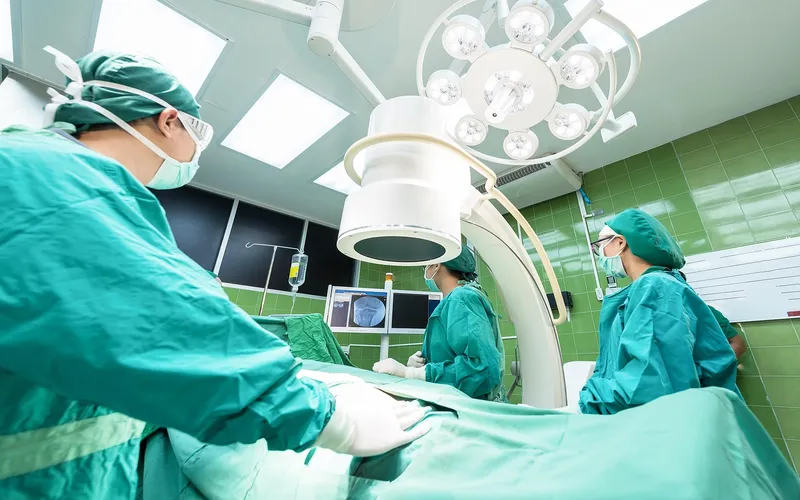
Turkey has emerged as a global leader in liver transplantation, performing over 2,000 procedures annually with success rates exceeding 90 percent. Turkish transplant centers benefit from a unique regulatory framework that has fostered the development of living donor programs while maintaining strict ethical standards. The country's geographical location at the crossroads of Europe and Asia makes it accessible from virtually anywhere in the world, and the favorable exchange rate means that patients receive exceptional value for their medical investment. Major transplant centers in Istanbul, Ankara, and Antalya offer comprehensive packages that include pre-operative evaluation, surgery, hospital stay, and initial follow-up care at prices that are 70 to 80 percent lower than comparable services in the United States.
Types of Liver Transplant Procedures
Living donor liver transplantation has revolutionized the field of hepatic surgery, offering patients an alternative to the lengthy wait for a deceased donor organ. In this procedure, a healthy donor, typically a close family member or spouse, donates a portion of their liver to the recipient. The liver is unique among human organs in its remarkable ability to regenerate; both the donor's remaining liver and the transplanted portion grow to near-normal size within six to eight weeks after surgery. This procedure accounts for a significant proportion of liver transplants performed in countries like Turkey, India, and South Korea, where advanced surgical techniques have made living donor transplantation both safe and highly effective.
Deceased donor liver transplantation remains the standard approach in many Western countries, where established organ procurement organizations coordinate the allocation of organs from brain-dead or cardiac-dead donors. The advantage of deceased donor transplantation is that it does not require a living person to undergo major surgery. However, the critical limitation is the severe shortage of available organs, which results in prolonged waiting times and the need for patients to be listed on national organ registries. At international centers like Memorial Şişli Hospital, deceased donor programs operate alongside living donor programs, giving patients access to both pathways and potentially shorter waiting times compared to their home countries.
Split liver transplantation is an innovative technique where a single deceased donor liver is divided into two functional grafts, typically used for an adult and a pediatric patient simultaneously. This approach effectively doubles the number of transplants possible from a single donor organ, addressing the critical organ shortage. Auxiliary partial orthotopic liver transplantation is another specialized technique where a portion of the patient's diseased liver is removed and replaced with a partial graft, while the remaining native liver tissue is left in place. This approach is particularly useful for patients with metabolic liver diseases or acute liver failure, as the native liver may eventually recover its function, potentially allowing the patient to discontinue immunosuppressive therapy in the future.
- Living donor liver transplant — donor provides a portion of their liver, both regenerate to full size
- Deceased donor liver transplant — whole liver from brain-dead or cardiac-dead donor
- Split liver transplant — one donor liver divided between two recipients
- Auxiliary transplant — partial graft while retaining some native liver tissue
- Domino transplant — liver from patient with metabolic disease transplanted to another patient
- ABO-incompatible transplant — advanced protocols allow transplant across blood type barriers
- Pediatric liver transplant — specialized techniques for children including reduced-size grafts
Cost Comparison by Country
The cost differential between liver transplantation in the United States and abroad is perhaps the most dramatic of any medical procedure. In the US, the total cost of a liver transplant, including pre-transplant evaluation, surgery, hospital stay, and the first year of post-transplant care, can easily exceed $800,000. This figure includes surgeon fees, anesthesiology, operating room charges, ICU stay, blood products, medications, and follow-up appointments. For patients without comprehensive insurance coverage, these costs are simply prohibitive, and even insured patients may face significant out-of-pocket expenses that can reach $100,000 or more depending on their policy terms.
Turkey offers some of the most competitive pricing for liver transplantation worldwide, with all-inclusive packages ranging from $80,000 to $150,000 for living donor procedures. This price typically covers the complete pre-transplant evaluation for both donor and recipient, the surgical procedure, ICU and hospital stay, post-operative medications, and initial follow-up appointments. Hospitals like Acıbadem Maslak Hospital and Memorial Şişli Hospital offer transparent pricing with no hidden charges, and many provide dedicated international patient coordinators who assist with every aspect of the process from initial inquiry through post-transplant follow-up.
Liver Transplant Cost Comparison 2025
| Country | Living Donor | Deceased Donor | Savings vs USA |
|---|---|---|---|
| USA | $500,000 - $800,000 | $600,000 - $900,000 | — |
| Turkey | $80,000 - $150,000 | $100,000 - $180,000 | Up to 80% |
| India | $40,000 - $70,000 | $50,000 - $90,000 | Up to 90% |
| South Korea | $150,000 - $250,000 | $180,000 - $300,000 | Up to 65% |
| Germany | $200,000 - $350,000 | $250,000 - $400,000 | Up to 55% |
| Thailand | $70,000 - $120,000 | $90,000 - $150,000 | Up to 82% |
| Spain | $180,000 - $300,000 | $200,000 - $350,000 | Up to 60% |
| Israel | $150,000 - $280,000 | $180,000 - $320,000 | Up to 65% |
Prices include surgery, hospital stay, and initial medications. Donor evaluation and long-term immunosuppression costs are additional.
India represents the most affordable option for liver transplantation, with costs ranging from $40,000 to $70,000. Hospitals such as Apollo Gleneagles Hospital have established world-class transplant programs with survival rates that rival leading Western centers. South Korea's Asan Medical Center in Seoul is recognized as one of the world's highest-volume liver transplant centers, performing over 400 procedures annually with exceptional outcomes. While South Korean pricing is higher than Turkey or India at $150,000 to $250,000, it still represents significant savings compared to the United States, and the center's unparalleled experience and research capabilities attract patients from around the globe.
Considering a liver transplant abroad? Get personalized quotes from world-class transplant centers with survival rates exceeding 90%.
Get Free QuoteTop Hospitals for Liver Transplant Abroad
Choosing the right hospital for a liver transplant is arguably the most important decision a patient will make. The ideal transplant center should have a high annual volume of procedures, experienced multidisciplinary teams, advanced surgical technology, and comprehensive post-operative care programs. Acıbadem Maslak Hospital in Istanbul stands out as one of Turkey's premier liver transplant centers, with a dedicated transplant unit that has performed thousands of successful procedures. The hospital's transplant team includes surgeons with international training and experience, hepatologists who manage complex pre and post-transplant care, and specialized nursing staff who provide round-the-clock monitoring during the critical recovery period.
Memorial Şişli Hospital is another leading transplant destination in Istanbul, known for its innovative approaches to complex liver transplant cases. The hospital has pioneered several transplant techniques in Turkey and maintains active research programs that contribute to advancing the field globally. Memorial's transplant program benefits from state-of-the-art operating theaters equipped with intraoperative imaging, advanced hemodynamic monitoring systems, and dedicated transplant ICU beds with specialized equipment for post-operative management. The hospital also operates a comprehensive living donor evaluation program that ensures donor safety through rigorous medical, psychological, and ethical screening protocols.
Anadolu Medical Center, affiliated with Johns Hopkins Medicine, brings American healthcare standards to Turkey's transplant landscape. The hospital's partnership with Johns Hopkins ensures adherence to internationally recognized protocols and quality standards, giving international patients confidence in the care they receive. Başkent University Hospital in Ankara is another powerhouse in Turkish transplantation, with one of the largest transplant programs in the country and a research-oriented approach that drives continuous improvement in outcomes. For patients looking beyond Turkey, ISMETT Palermo in Italy offers European standards of care with the expertise of a dedicated Mediterranean transplant institute.
Eligibility & Pre-Transplant Evaluation
The pre-transplant evaluation process is thorough and multidisciplinary, designed to determine whether a patient is a suitable candidate for liver transplantation and to identify the optimal timing and approach for the procedure. The evaluation typically begins with a comprehensive review of the patient's medical history, including the underlying liver disease, its progression, previous treatments, and current medications. Blood tests assess liver function, kidney function, blood clotting parameters, viral hepatitis status, and overall organ function. Advanced imaging studies including CT scans with contrast, MRI of the abdomen, and Doppler ultrasound of the liver vasculature provide detailed anatomical information essential for surgical planning.
Cardiac evaluation is a critical component of the pre-transplant workup, as patients with end-stage liver disease often have concurrent cardiac conditions that could increase surgical risk. This typically includes electrocardiography, echocardiography, and in some cases cardiac catheterization or stress testing. Pulmonary function tests assess respiratory capacity, while cancer screening ensures that the patient does not have any active malignancies that would contraindicate transplantation. Psychological evaluation assesses the patient's mental health, support system, and ability to comply with the demanding post-transplant medication and follow-up regimen. Social work assessment evaluates the patient's living situation, financial resources, and availability of caregivers during the recovery period.
For international patients, many leading transplant centers offer a streamlined evaluation process that can be completed within one to two weeks of arrival. Hospitals like Acıbadem Maslak Hospital provide dedicated international patient departments that coordinate all aspects of the evaluation, from airport pickup through completion of testing. Preliminary evaluation can often be conducted remotely through telemedicine consultations, review of medical records, and blood work performed at local laboratories, allowing the transplant team to make an initial assessment before the patient travels. This approach minimizes the time patients need to spend abroad and ensures that only suitable candidates undertake the journey, saving both time and money.
Recovery & Long-Term Outcomes
Recovery from liver transplantation is a gradual process that typically begins in the intensive care unit, where patients are closely monitored for signs of organ function, bleeding, infection, and early rejection. Most patients spend two to four days in the ICU before being transferred to a regular hospital room, where they continue to receive close medical attention. The total hospital stay for liver transplant recipients is typically two to four weeks, depending on the patient's overall health and the complexity of the procedure. During this time, patients begin physical therapy, start oral nutrition, and learn about their new medication regimen. Living donor recipients generally recover faster than deceased donor recipients, as the surgical procedure is shorter and the graft function tends to be more immediate.
Long-term survival rates for liver transplantation have improved dramatically over the past two decades, thanks to advances in surgical techniques, immunosuppressive medications, and post-transplant monitoring protocols. At leading international centers, one-year patient survival rates exceed 90 percent, and five-year survival rates range from 75 to 85 percent. The most critical period is the first three months after transplant, when the risk of acute rejection, infection, and surgical complications is highest. After this initial period, patients gradually return to normal activities, with most able to resume work and daily routines within three to six months. Regular follow-up appointments, blood tests to monitor liver function and immunosuppression levels, and imaging studies are essential components of long-term post-transplant care.
The quality of life after a successful liver transplant is generally excellent, with most patients reporting significant improvements in energy, appetite, cognitive function, and overall well-being compared to their pre-transplant condition. Many patients are able to return to work, travel, exercise, and enjoy a full range of activities that were impossible during their illness. However, lifelong immunosuppressive therapy is necessary to prevent rejection of the transplanted organ. These medications carry their own risks, including increased susceptibility to infections, potential for kidney damage with long-term use, and slightly elevated risk of certain cancers. Regular monitoring and careful dose adjustment help minimize these risks while maintaining adequate protection against rejection.
The liver transplant team at the hospital in Istanbul saved my life. From the initial evaluation to the surgery and follow-up care, every step was handled with incredible professionalism. I am now two years post-transplant and living a completely normal life.
Robert K., liver transplant recipient from the UK
Frequently Asked Questions
Frequently Asked Questions
How long is the waiting time for a liver transplant abroad?
With living donor transplantation, there is essentially no waiting time once a compatible donor is identified and evaluated. The process from initial consultation to surgery can be completed in as little as 4-6 weeks. Deceased donor waiting times vary by country but are generally shorter than in the US.
Is it safe to have a liver transplant in Turkey?
Yes. Turkey's leading transplant centers have survival rates exceeding 90%, comparable to or better than many Western centers. Hospitals are JCI-accredited and employ surgeons with international training. Turkey performs over 2,000 liver transplants annually, making it one of the world's most experienced countries.
Can a family member be a living donor?
Yes, living donors are typically close family members (parents, siblings, children over 18, or spouses). The donor must be healthy, have a compatible blood type, and pass extensive medical and psychological evaluation. The donor's remaining liver regenerates to near-normal size within 6-8 weeks.
What medications will I need after transplant?
Lifelong immunosuppressive medications are required, typically including tacrolimus or cyclosporine, mycophenolate, and initially corticosteroids. The doses are gradually reduced over time. Annual medication costs range from $10,000-$30,000 depending on the specific drugs and dosages required.
How long should I plan to stay abroad after the transplant?
Plan for a minimum stay of 4-6 weeks post-surgery, though 8 weeks is recommended for comprehensive recovery monitoring. This allows the team to monitor liver function, adjust medications, and address any early complications. Many hospitals offer apartment-style accommodation for long-term stays.