When Is Sinus Surgery Needed?
Chronic rhinosinusitis is a debilitating condition characterized by inflammation of the nasal passages and paranasal sinuses that persists for twelve weeks or longer despite appropriate medical therapy. Symptoms include persistent nasal congestion, facial pain and pressure, reduced or absent sense of smell, postnasal drip, thick nasal discharge, headaches, and fatigue. The condition affects approximately 12 percent of the adult population in Western countries and has a significant impact on quality of life, with studies showing that chronic sinusitis patients report quality of life scores comparable to patients with chronic heart failure, chronic obstructive pulmonary disease, and back pain. The economic burden includes not only direct medical costs but also substantial productivity losses from missed work and reduced performance.
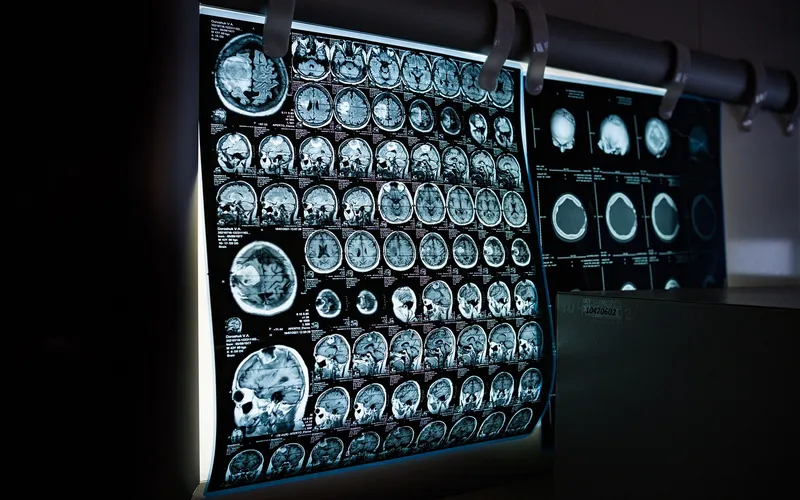
Sinus surgery is considered when maximal medical therapy has failed to adequately control symptoms. Medical management for chronic sinusitis typically includes a course of broad-spectrum antibiotics, intranasal corticosteroid sprays, saline nasal irrigations, oral corticosteroids for acute exacerbations, and in some cases biological agents for patients with nasal polyposis. When these treatments provide insufficient relief after three to six months of consistent use, or when imaging studies reveal anatomical abnormalities that impede sinus drainage and contribute to the chronic inflammatory cycle, surgical intervention offers the opportunity to open the sinuses, remove inflammatory tissue and polyps, and restore normal mucociliary function. At international ENT centers like Acıbadem Maslak Hospital, patients undergo thorough evaluation including CT scanning and nasal endoscopy to determine the extent of disease and plan the most appropriate surgical approach.
The financial burden of chronic sinusitis treatment in the United States can be substantial even before surgical intervention is considered. The cumulative costs of multiple courses of antibiotics, prescription nasal sprays, over-the-counter medications, specialist consultations, and CT imaging can exceed several thousand dollars per year. When surgery becomes necessary, costs range from $8,000 to $20,000 for functional endoscopic sinus surgery depending on the extent of the procedure and the number of sinuses involved. International ENT centers offer the same surgical procedures at 60 to 82 percent lower cost, making surgical treatment accessible to patients who might otherwise continue to suffer with inadequate medical management due to financial constraints.
Surgical Options for Chronic Sinusitis
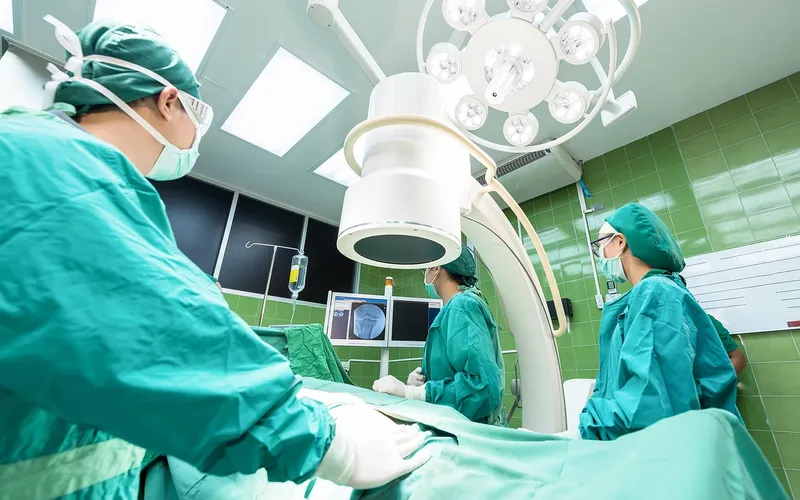
Functional endoscopic sinus surgery is the gold standard surgical treatment for chronic rhinosinusitis and has revolutionized the field of rhinology since its introduction in the 1980s. FESS uses rigid endoscopes and specialized instruments inserted through the nostrils to precisely open the natural drainage pathways of the affected sinuses, remove inflammatory tissue and nasal polyps, and correct anatomical abnormalities that contribute to sinus obstruction. The endoscopic approach provides the surgeon with magnified, high-definition visualization of the delicate sinus anatomy, allowing for precise tissue removal while minimizing damage to normal structures. Unlike older techniques that involved external incisions and aggressive bone removal, FESS preserves the mucosal lining of the sinuses, which is essential for maintaining normal mucociliary clearance and long-term sinus health.
Balloon sinuplasty is a minimally invasive alternative to traditional FESS that is appropriate for selected patients with chronic sinusitis affecting the frontal, maxillary, or sphenoid sinuses without significant nasal polyposis. The procedure uses a small, flexible balloon catheter that is inserted into the blocked sinus ostium (drainage opening) and inflated to gently widen the passage. Once the ostium is dilated, the balloon is deflated and removed, leaving the widened opening that allows improved sinus drainage. Balloon sinuplasty can be performed under local anesthesia in an office setting in some cases, offers a faster recovery than FESS, and preserves the sinus mucosa. However, it is not suitable for all patients, particularly those with nasal polyps, ethmoid sinus disease, or significant anatomical abnormalities.
Image-guided sinus surgery uses computer-assisted navigation technology that provides the surgeon with real-time, three-dimensional tracking of instrument positions relative to the patient's CT scan anatomy. This technology is particularly valuable for revision sinus surgery, complex cases involving the frontal or sphenoid sinuses, and cases where the anatomy has been distorted by previous surgery or extensive disease. Centers like Memorial Şişli Hospital are equipped with state-of-the-art image guidance systems that enhance surgical precision and safety, particularly in anatomically challenging areas where critical structures including the orbit, brain, and internal carotid artery are in close proximity to the surgical field.
- FESS — endoscopic opening of sinus drainage pathways, the gold standard
- Balloon sinuplasty — minimally invasive dilation of sinus openings, selected cases
- Image-guided surgery — computer-assisted navigation for complex or revision cases
- Extended endoscopic approaches — access to skull base tumors and CSF leak repair
- Septoplasty with FESS — combined correction of deviated septum and sinuses
- Turbinate reduction — shrinking enlarged turbinates to improve nasal airflow
- Polypectomy — removal of nasal polyps with or without concurrent sinus surgery
Cost Comparison by Country
Sinus Surgery Cost Comparison 2025
| Country | FESS | Balloon Sinuplasty | Savings vs USA |
|---|---|---|---|
| USA | $8,000 - $20,000 | $3,000 - $7,000 | — |
| Turkey | $2,500 - $5,000 | $1,500 - $3,000 | Up to 75% |
| India | $1,500 - $3,500 | $800 - $2,000 | Up to 82% |
| Thailand | $2,500 - $5,500 | $1,500 - $3,500 | Up to 72% |
| Mexico | $2,000 - $4,500 | $1,200 - $2,800 | Up to 75% |
| South Korea | $3,500 - $7,000 | $2,000 - $4,500 | Up to 60% |
| Germany | $5,000 - $12,000 | $3,000 - $6,000 | Up to 40% |
FESS costs vary based on number of sinuses treated and complexity. Prices include surgeon fees, anesthesia, hospital charges, and initial follow-up.
Turkey offers an excellent balance of quality and affordability for sinus surgery, with FESS costing $2,500 to $5,000 and balloon sinuplasty available for $1,500 to $3,000. At Acıbadem Maslak Hospital, sinus surgery is performed by fellowship-trained rhinologists using the latest endoscopic equipment, including high-definition cameras, powered instrumentation, and image guidance technology. The hospital's comprehensive ENT department offers the full spectrum of sinus surgical techniques, allowing the surgeon to select the optimal approach for each patient's specific pattern and severity of disease. India and Mexico offer even lower pricing at $1,500 to $3,500 for FESS, while South Korea and Germany provide options at higher price points with strong research-oriented ENT programs.
Suffering from chronic sinusitis? Get free quotes from leading ENT centers specializing in sinus surgery.
Get Free QuoteBest Hospitals for Sinus Surgery Abroad
Acıbadem Maslak Hospital in Istanbul offers comprehensive rhinology services with experienced ENT surgeons who have performed thousands of endoscopic sinus procedures. The hospital's ENT department is equipped with the latest Karl Storz endoscopic systems, image-guided navigation platforms, and powered instrumentation that allow for precise and effective surgery. The department handles everything from straightforward FESS and balloon sinuplasty to complex revision cases and skull base procedures, making it a one-stop center for all sinus-related surgical needs.
Memorial Şişli Hospital and Anadolu Medical Center provide additional excellent options for sinus surgery in Turkey, each with their own strengths in ENT surgical services. Acıbadem Taksim Hospital and Acıbadem Kent Hospital in İzmir extend the geographical options for patients who may prefer different Turkish cities. All these centers maintain JCI accreditation and employ board-certified ENT surgeons with extensive sinus surgery experience, ensuring consistent quality regardless of which facility a patient chooses.
What to Expect During Sinus Surgery
Sinus surgery is typically performed under general anesthesia, though some limited procedures and balloon sinuplasty may be performed under local anesthesia with sedation. The procedure begins with decongestion and topical anesthesia of the nasal passages, followed by insertion of rigid endoscopes that provide the surgeon with magnified, illuminated views of the nasal and sinus anatomy. The surgeon then systematically addresses each affected sinus, removing obstructing tissue, polyps, and diseased mucosa while widening the natural sinus drainage pathways. The ethmoid sinuses in the center of the face are usually addressed first, followed by the maxillary, frontal, and sphenoid sinuses as indicated by the extent of disease.
Operating times vary depending on the extent of disease and the number of sinuses involved, ranging from 45 minutes for limited procedures to two to three hours for comprehensive bilateral surgery involving all sinus groups. Most patients go home the same day or after one night in the hospital. Nasal packing, if used, is typically removed within 24 to 48 hours, though many surgeons now prefer to use absorbable materials or spacers that dissolve on their own, eliminating the need for painful packing removal. Post-operative endoscopic debridement, performed in the office at one to two weeks after surgery, is an important part of the recovery process as it removes crusting and ensures proper healing of the surgical cavities.
Recovery & Long-Term Outcomes
Recovery from sinus surgery is generally straightforward, with most patients experiencing mild to moderate nasal congestion, minimal pain, bloody nasal discharge, and fatigue for the first one to two weeks. Pain is typically well-controlled with acetaminophen, and most patients do not require narcotic pain medication. Saline nasal irrigations are begun within 24 to 48 hours after surgery and continued long-term to promote healing and maintain sinus patency. Most patients return to work within five to seven days for desk-based occupations and within two weeks for physically demanding jobs. Full healing of the sinus cavities takes approximately six to eight weeks, during which periodic endoscopic debridements may be performed to remove crusting and ensure optimal healing.
Long-term outcomes for sinus surgery are excellent, with studies reporting symptom improvement in 80 to 95 percent of patients and patient satisfaction rates exceeding 85 percent. The success of sinus surgery depends not only on the technical quality of the operation but also on ongoing post-operative medical management, including regular saline irrigation, topical corticosteroid sprays, and in some cases maintenance antibiotics or biological agents for patients with nasal polyposis. Revision surgery is needed in approximately 10 to 20 percent of patients over time, with higher revision rates in patients with nasal polyposis, aspirin-exacerbated respiratory disease, and certain other conditions that predispose to recurrent inflammation. At centers like Acıbadem Maslak Hospital, patients receive comprehensive post-operative care plans and ongoing management recommendations to maximize long-term surgical success.
I suffered from chronic sinusitis for eight years, trying every medication available. FESS at the hospital in Istanbul finally gave me relief. The procedure was efficient, recovery was easier than expected, and I saved thousands compared to surgery at home in the US.
Brian M., FESS patient from the US
Frequently Asked Questions
Frequently Asked Questions
How long should I stay abroad after sinus surgery?
Plan for 5-7 days after surgery for initial recovery and post-operative debridement. The first endoscopic cleaning is typically performed at 5-7 days. You can fly home after this appointment if recovery is progressing well.
Is sinus surgery painful?
Most patients report mild to moderate discomfort rather than severe pain. The main complaints are nasal congestion, pressure, and mild headache. Pain is usually well-controlled with over-the-counter analgesics. Packing removal, if used, can be uncomfortable but brief.
Will I be able to breathe through my nose after surgery?
Not immediately — nasal congestion from swelling and blood clots is normal for 1-2 weeks. Breathing gradually improves as swelling resolves and crusting is removed during debridement visits. Most patients notice significant breathing improvement by 3-4 weeks.
Can sinusitis come back after surgery?
Surgery does not cure the underlying inflammatory process but creates better drainage and allows medications to work more effectively. With ongoing medical management, most patients maintain excellent results. Polyp recurrence is possible in patients with chronic polyposis, affecting 10-20% over time.
Should I choose FESS or balloon sinuplasty?
The choice depends on your specific condition. Balloon sinuplasty is best for limited disease without polyps. FESS is indicated for more extensive disease, nasal polyps, or anatomical abnormalities requiring structural correction. Your ENT surgeon will recommend the most appropriate approach based on your CT scan and endoscopic examination.