What Is a Gastric Balloon?
A gastric balloon (intragastric balloon) is a non-surgical weight loss device placed in the stomach through the mouth using an endoscope. The deflated silicone balloon is inserted and then filled with 400-700ml of saline solution, occupying roughly one-third of the stomach. This creates a feeling of fullness, helping patients eat smaller portions and lose weight over a 6-12 month period.
The placement procedure takes just 20-30 minutes under mild sedation — no incisions, no general anesthesia, and most patients go home the same day. Average weight loss with a gastric balloon is 10-15% of total body weight or 25-35% of excess weight. The balloon is removed endoscopically after 6-12 months depending on the type used.
Types of Gastric Balloons Available
- Orbera: Most widely used single balloon, placed for 6 months, FDA-approved, filled with 400-700ml saline
- Spatz3: Adjustable balloon that can be inflated or deflated during treatment, stays 12 months, allows for customized weight loss
- Elipse (Allurion): Swallowable balloon capsule requiring no endoscopy for placement, dissolves after 4 months, no removal procedure needed
- Obalon: Swallowable gas-filled balloon system using up to 3 small balloons, placed over 3 visits
- ReShape Duo: Dual-balloon system for enhanced weight loss, 6-month placement period
Cost Comparison by Country
Gastric balloon treatment in the US typically ranges from $6,000 to $9,000 and is rarely covered by insurance since it is considered elective. Abroad, the same FDA-approved balloon brands are available at significantly lower prices. Many international clinics, including American Hospital Istanbul, include 6-12 months of nutritional coaching in their packages, which would cost an additional $1,000-$2,000 in the US.
Gastric Balloon Cost Comparison 2025
| Country | Procedure Cost | All-Inclusive Package | Savings vs USA |
|---|---|---|---|
| USA | $6,000 - $9,000 | $7,000 - $10,000 | — |
| Turkey | $2,000 - $3,500 | $2,500 - $4,500 | Up to 65% |
| Mexico | $2,500 - $4,000 | $3,000 - $5,000 | Up to 60% |
| India | $1,500 - $3,000 | $2,000 - $3,500 | Up to 70% |
| Thailand | $3,000 - $5,000 | $3,500 - $6,000 | Up to 50% |
| Czech Republic | $2,500 - $4,000 | $3,000 - $5,000 | Up to 60% |
| Colombia | $2,000 - $3,500 | $2,500 - $4,500 | Up to 65% |
| UK | $4,000 - $6,000 | $4,500 - $7,000 | Up to 35% |
Prices vary based on balloon type (Orbera, Spatz, Elipse). Packages typically include endoscopy, balloon placement, and 6-12 months of dietitian support.
Who Is an Ideal Candidate?
The gastric balloon is designed for patients with a BMI of 27-40 who have not achieved sustained weight loss through diet and exercise alone. It is particularly suited for patients who do not qualify for or prefer to avoid surgical bariatric procedures. The balloon is also used as a bridge therapy for super-obese patients (BMI > 50) to reduce surgical risk before a definitive bariatric procedure.
The Procedure Experience Abroad
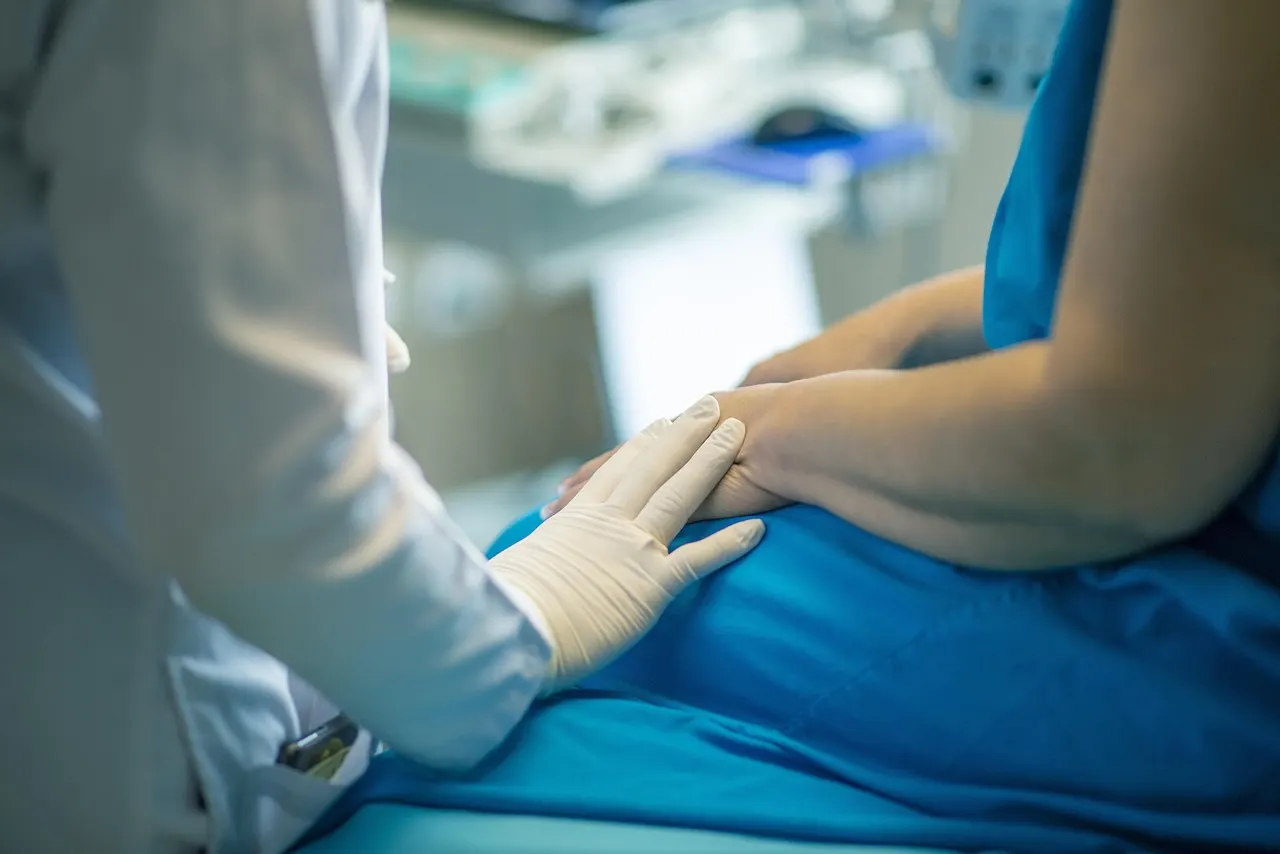
Medical tourism for gastric balloon treatment requires only a 3-5 day trip at leading centers such as Koç University Hospital. Day 1 involves consultation, blood tests, and an upper GI assessment. The balloon is placed on Day 2 in a 20-30 minute endoscopic procedure. Most patients experience nausea and cramping for 2-3 days as the stomach adjusts. Anti-nausea medications are provided. By Day 4-5, patients feel comfortable and can fly home.
Results & Expectations
Clinical data shows average weight loss of 10-15% of total body weight with the gastric balloon. A 250-pound patient can expect to lose 25-38 pounds. Results are best when combined with a structured diet plan, regular exercise, and behavioral counseling. Studies show that patients who complete the full dietary program, such as the one offered at Liv Hospital Istanbul, maintain 50-60% of their weight loss at 2 years after balloon removal.
The gastric balloon was the perfect stepping stone for me. I lost 32 pounds in 6 months and completely changed my relationship with food. The procedure in Prague took 25 minutes and I was back at my hotel by lunchtime.
Catherine W., UK — Gastric Balloon in Czech Republic
Risks & Considerations
Common side effects include nausea, vomiting, and abdominal cramping during the first 3-7 days (experienced by 70-90% of patients). Serious complications are rare but include balloon deflation and migration (1-2%), gastric ulceration (0.3%), and gastric perforation (0.1%). Early balloon removal due to intolerance occurs in approximately 4-7% of patients. Ensure your clinic has 24-hour support during the adjustment period.
Explore non-surgical weight loss options at accredited clinics abroad.
Find Balloon ClinicsFrequently Asked Questions
How much weight can I lose with a gastric balloon?
Average weight loss is 10-15% of total body weight or 25-35% of excess weight over 6-12 months. Results vary based on adherence to the dietary program. Some patients lose up to 20% of total body weight.
Is the gastric balloon procedure painful?
The placement itself is painless as it is done under sedation. However, most patients experience moderate nausea, cramping, and discomfort for 3-7 days after placement as the stomach adjusts. Anti-nausea medications effectively manage these symptoms.
How long does the gastric balloon stay in?
Depending on the type: Orbera stays 6 months, Spatz3 stays up to 12 months, and Elipse dissolves naturally after 4 months. All balloons except Elipse require endoscopic removal.
Can I travel home the day after balloon placement?
Most clinics recommend staying 3-5 days to manage the initial adjustment period (nausea and discomfort). Flying on Day 4-5 is generally comfortable for most patients.
What happens after the balloon is removed?
After removal, maintaining weight loss depends entirely on the eating habits and lifestyle changes developed during the balloon period. Without behavioral changes, weight regain is common. Many clinics provide continued dietary support for 6 months after removal.
Is the gastric balloon right for me if my BMI is under 35?
Yes, the gastric balloon is specifically designed for patients with a BMI of 27-40, making it ideal for those who do not meet the higher BMI requirements for surgical procedures like gastric sleeve or bypass.