What Is Robotic Spine Surgery?
Robotic spine surgery represents the convergence of advanced robotics, computer navigation, and surgical expertise to perform spine procedures with unprecedented precision and accuracy. In robotic-assisted spine surgery, the surgeon uses a preoperative CT scan to plan the optimal trajectory for each screw or implant, then a robotic arm physically guides the surgeon's instruments along these pre-planned paths with sub-millimeter accuracy. The robot does not perform the surgery autonomously — it serves as a precision guidance system that enhances the surgeon's capabilities, particularly for the critical task of pedicle screw placement where accuracy is paramount for safety and long-term outcomes.
The clinical significance of robotic guidance lies primarily in improved accuracy of pedicle screw placement. Pedicle screws must be placed within the narrow bony pedicle of each vertebra — misplacement can result in nerve injury, spinal cord compression, vascular injury, or poor fixation leading to hardware failure. Studies comparing robotic-assisted to freehand screw placement have consistently shown that robotic guidance achieves accuracy rates exceeding 98 percent compared to 85 to 92 percent for freehand techniques. This accuracy advantage is particularly important for minimally invasive fusion procedures where direct visualization is limited, for revision surgery where anatomy is distorted by scar tissue, and for deformity surgery requiring numerous screws across many levels.
The cost of robotic spine surgery in the United States reflects both the standard surgical costs and the significant capital investment required for robotic platforms, which range from $800,000 to $2 million per system. US hospitals typically pass these technology costs through to patients, resulting in procedure prices that are 10 to 30 percent higher than conventional approaches. International spine centers that have invested in robotic platforms offer the same technology-enhanced procedures at 60 to 75 percent lower cost than US pricing. Acıbadem Maslak Hospital in Istanbul is equipped with the Mazor X Stealth Edition robotic system, one of the most advanced spine surgery robots available worldwide.
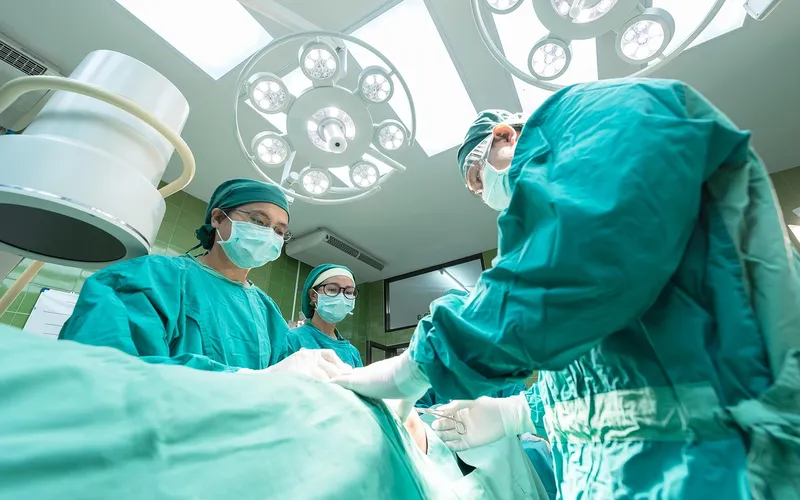
Robotic Technology Platforms
The Mazor X Stealth Edition, manufactured by Medtronic, is the most widely used robotic spine surgery platform worldwide. It combines the Mazor robotic arm with the Medtronic Stealth navigation system, providing integrated preoperative planning, real-time intraoperative navigation, and robotic guidance for instrument and implant placement. The system creates a comprehensive 3D surgical plan based on preoperative CT scans, allowing the surgeon to visualize and optimize every screw trajectory before entering the operating room. During surgery, the robotic arm positions itself according to the plan and provides a rigid guide through which the surgeon drills and places screws with guaranteed trajectory accuracy.
The ExcelsiusGPS by Globus Medical is another leading robotic platform that combines navigation and robotic guidance in a single system. Unlike the Mazor platform, which provides a guide for the surgeon to manually place instruments, ExcelsiusGPS offers direct robotic assistance where the robot arm holds and positions instruments throughout the procedure. The ROSA Spine robot by Zimmer Biomet is used extensively in French and European hospitals, offering similar navigation-guided robotic assistance. Each platform has its strengths, and the choice of platform matters less than the surgeon's experience and proficiency with the system available at their center.
Intraoperative CT-based navigation systems, while not robotic, represent an important related technology that significantly enhances spine surgery accuracy. O-arm and cone-beam CT systems provide real-time 3D imaging during surgery, allowing the surgeon to verify implant placement immediately rather than relying on postoperative imaging. When combined with navigation software, these systems achieve pedicle screw accuracy rates of 95 to 97 percent. Many international spine centers use navigation as an alternative or complement to robotic guidance, and surgeons at centers like Anadolu Medical Center are proficient in both navigation-guided and robotic-assisted techniques, selecting the optimal technology for each patient's needs.
- Mazor X Stealth Edition — integrated planning, navigation, and robotic guidance
- ExcelsiusGPS — direct robotic instrument positioning and navigation
- ROSA Spine — European robotic platform with versatile applications
- O-arm navigation — intraoperative 3D CT imaging for real-time verification
- Brainlab navigation — optical and electromagnetic tracking systems
- Augmented reality guidance — emerging technology for enhanced visualization
Cost Comparison by Country
Robotic Spine Surgery Cost Comparison 2025
| Procedure | USA Cost | Turkey Cost | Savings |
|---|---|---|---|
| Robotic-Assisted Fusion (Single) | $80,000 - $130,000 | $20,000 - $32,000 | Up to 75% |
| Robotic-Assisted Fusion (Multi-level) | $120,000 - $180,000 | $30,000 - $50,000 | Up to 75% |
| Robotic MIS Decompression | $40,000 - $70,000 | $10,000 - $18,000 | Up to 75% |
| Robotic Scoliosis Correction | $150,000 - $300,000 | $40,000 - $75,000 | Up to 75% |
| Robotic Disc Replacement | $70,000 - $120,000 | $18,000 - $30,000 | Up to 75% |
| Robotic Revision Spine Surgery | $100,000 - $200,000 | $25,000 - $50,000 | Up to 75% |
Robotic-assisted procedures may cost 10-20% more than conventional equivalents due to technology costs. Savings reflect comparison to US robotic surgery pricing.
The cost premium for robotic spine surgery compared to conventional techniques is significantly smaller at international centers than in the United States. While US hospitals may add $10,000 to $30,000 in technology fees for robotic procedures, international centers typically add only $2,000 to $5,000 above their conventional surgery pricing. This is because international hospitals have amortized their robotic platform investments across high case volumes and competitive pricing environments. For patients who prioritize maximum surgical precision, robotic spine surgery abroad offers access to cutting-edge technology at overall costs that are still far below US pricing for conventional spine surgery.
Interested in robotic-assisted spine surgery? Get free quotes from centers equipped with the latest robotic platforms and experienced robotic spine surgeons.
Get Free QuoteLeading Robotic Spine Surgery Centers
Acıbadem Maslak Hospital leads robotic spine surgery in Turkey with its Mazor X Stealth Edition robotic system, performing a wide range of robotic-assisted procedures from simple fusion to complex deformity correction. The hospital's spine surgeons have accumulated significant experience with the robotic platform and can guide patients on when robotic assistance provides meaningful clinical benefit versus when conventional navigation is sufficient. Anadolu Medical Center utilizes advanced intraoperative navigation systems as an alternative to robotics, achieving comparable accuracy in experienced hands.
Memorial Şişli Hospital and Istanbul Florence Nightingale Hospital both offer navigation-guided spine surgery with advanced intraoperative imaging capabilities. In Europe, Carolina Medical Center in Warsaw has invested in robotic spine surgery technology, providing European patients with convenient access to robotic-assisted procedures. Campus Bio-Medico in Rome combines academic research in robotic surgery with clinical spine surgery expertise.
Benefits & Limitations of Robotic Spine Surgery
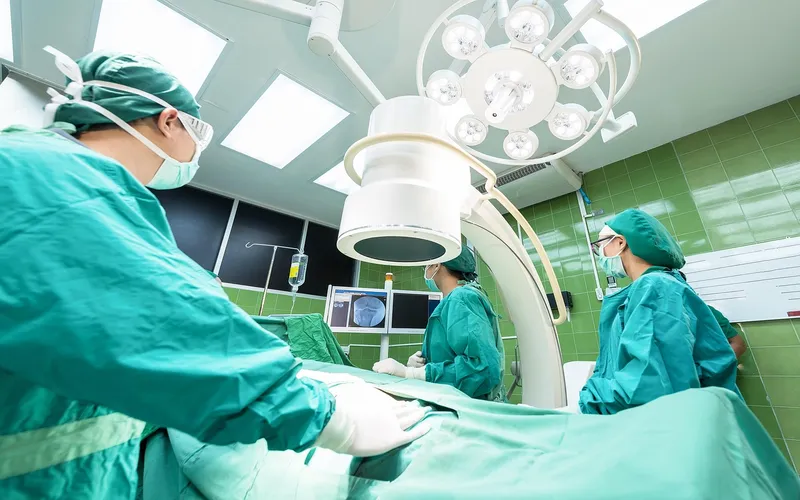
The documented benefits of robotic-assisted spine surgery include superior screw placement accuracy exceeding 98 percent, reduced radiation exposure to the surgeon and operating room staff by 50 to 70 percent compared to fluoroscopy-guided placement, enhanced ability to perform minimally invasive procedures through smaller incisions, improved efficiency for complex cases requiring many screws, and potentially lower complication rates related to screw malposition. For patients, the most meaningful benefit is increased safety during procedures where screw accuracy is critical, particularly minimally invasive fusion, deformity surgery, and revision cases with distorted anatomy.
Limitations of robotic spine surgery should be understood to set appropriate expectations. The robot assists with screw and implant placement but does not perform the decompression, disc removal, or fusion portions of the procedure — these critical components depend entirely on the surgeon's skill and experience. Robotic systems add 15 to 30 minutes of setup time to procedures, and occasional system malfunctions may require the surgeon to convert to conventional navigation or freehand techniques. The marginal accuracy benefit of robotics over skilled navigation-guided placement is small for routine cases, meaning the greatest value of robotic assistance is for complex, multilevel, revision, or deformity cases where numerous screws must be placed with maximum precision.
I chose robotic-assisted fusion at Acıbadem Maslak after comparing my options. The Mazor robot planned each screw trajectory perfectly, and the surgeon was able to perform my three-level fusion through small MIS incisions. I was walking the same day and was discharged in three days. The precision of the robot gave me confidence in the outcome.
Steven L., robotic fusion patient from the UK
Frequently Asked Questions
Does the robot perform the surgery?
No. The robot is a guidance system that helps the surgeon place screws and implants with enhanced precision. The surgeon plans the procedure, controls the robot, and performs all surgical steps. The robot provides a rigid guide for instrument placement along pre-planned trajectories but does not autonomously cut, drill, or place implants.
Is robotic surgery safer than conventional spine surgery?
Robotic guidance improves screw placement accuracy from 85-92% to 98%+, which reduces the risk of screw-related complications. However, overall surgical safety depends on many factors beyond screw accuracy, including surgeon experience, patient selection, and hospital infrastructure. A highly experienced surgeon using navigation may achieve comparable safety to a less experienced surgeon using robotics.
Do I need robotic surgery, or is navigation sufficient?
For straightforward single or two-level fusions in patients with normal anatomy, skilled navigation-guided surgery achieves excellent accuracy. Robotic guidance provides the greatest benefit for complex cases: multilevel fusions (4+ screws), revision surgery with scarred anatomy, deformity correction, MIS procedures, and patients with challenging anatomy. Discuss with your surgeon whether robotic assistance adds meaningful value for your specific case.
Which robotic platform is best?
The major platforms (Mazor X, ExcelsiusGPS, ROSA) all achieve excellent accuracy. The surgeon's experience with a specific platform matters more than the platform itself. When evaluating international centers, focus on the surgeon's robotic case volume and outcomes rather than the specific brand of robot used.