Why Get Spinal Fusion Abroad?
Spinal fusion is one of the most expensive surgical procedures performed in the United States, with costs ranging from $50,000 for a single-level lumbar fusion to over $150,000 for complex multi-level reconstructions. These costs include surgeon and anesthesia fees, hospital charges, spinal instrumentation (pedicle screws, interbody cages, rods), bone graft materials, and the extended hospital stay (3-7 days) required for recovery. For patients without comprehensive insurance — or those facing high deductibles, co-pays, and out-of-network charges — the financial burden can be overwhelming.
International spine surgery has matured significantly over the past decade, with hospitals in Turkey, India, South Korea, and Germany now performing complex spinal procedures with outcomes that match or exceed many US centers. Hospitals like American Hospital Istanbul have invested in the latest spinal navigation systems (O-arm, Brainlab, Medtronic StealthStation), intraoperative neurophysiological monitoring (IOM), and minimally invasive spine surgery (MISS) platforms that enable safer, more precise surgical interventions with shorter recovery times.
The instrumentation used in spinal fusion — pedicle screws, interbody cages, rods, and bone graft materials — represents a significant portion of the total cost. In the US, these implants are marked up substantially by hospitals. International hospitals often purchase the same FDA-approved or CE-marked implants from major manufacturers (Medtronic, DePuy Synthes, Stryker, NuVasive, Globus Medical) at significantly lower prices, passing the savings directly to patients without compromising on quality or safety.
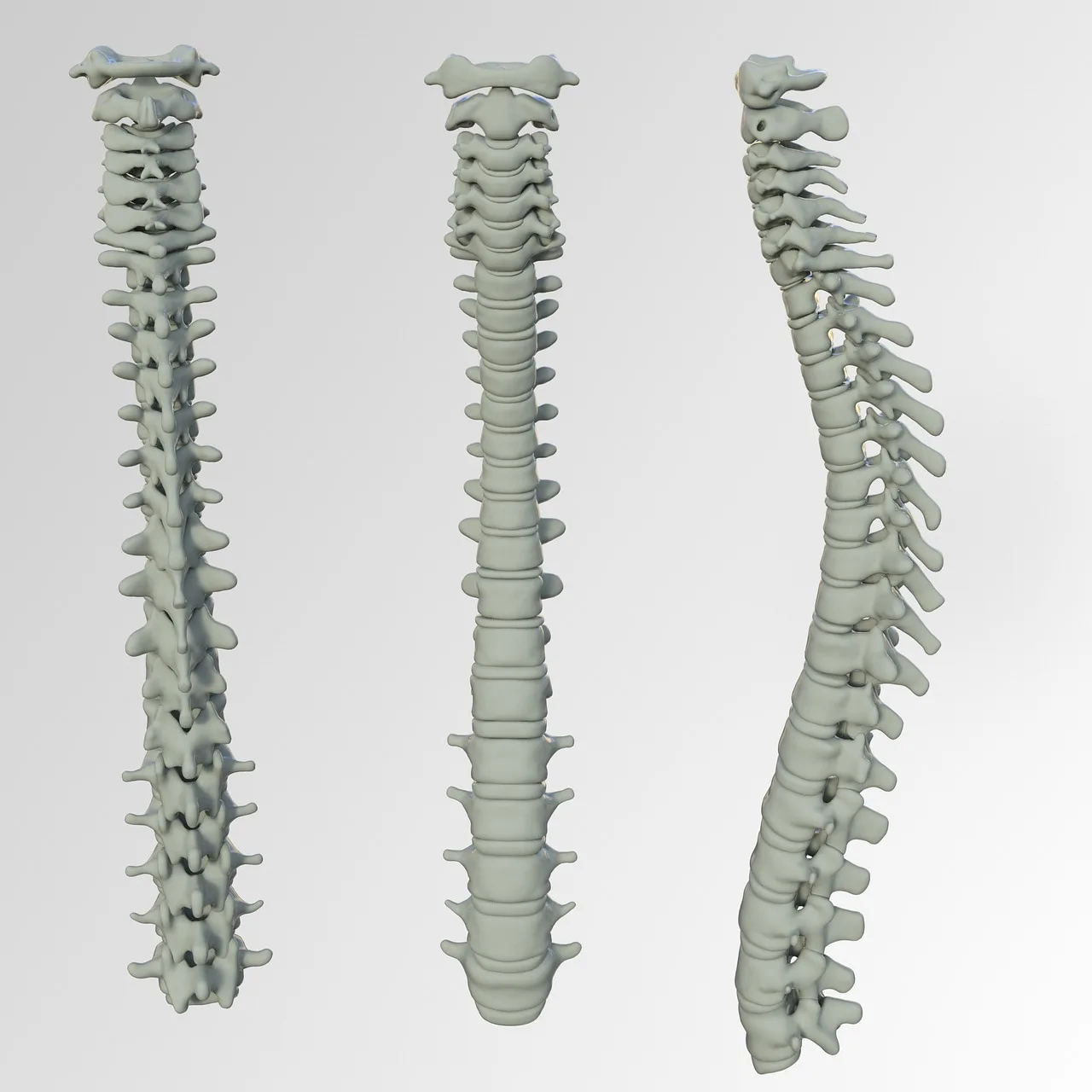
Cost Comparison by Country
The cost difference for spinal fusion between the US and international destinations is among the most dramatic of any surgical procedure. Our analysis of pricing from 180+ spine centers worldwide reveals savings of 50-80%, even for complex multi-level procedures with advanced instrumentation.
Spinal Fusion Cost Comparison 2025
| Country | Single-Level Fusion | Multi-Level Fusion | Savings vs USA |
|---|---|---|---|
| USA | $50,000 - $80,000 | $80,000 - $150,000 | — |
| Turkey | $8,000 - $15,000 | $15,000 - $30,000 | Up to 75% |
| India | $6,000 - $12,000 | $12,000 - $25,000 | Up to 80% |
| Thailand | $10,000 - $18,000 | $18,000 - $35,000 | Up to 70% |
| Mexico | $12,000 - $20,000 | $20,000 - $35,000 | Up to 65% |
| South Korea | $12,000 - $20,000 | $20,000 - $40,000 | Up to 65% |
| Spain | $15,000 - $25,000 | $25,000 - $45,000 | Up to 55% |
| Germany | $18,000 - $30,000 | $30,000 - $55,000 | Up to 50% |
Prices include surgeon fees, instrumentation (screws, rods, cages, bone graft), anesthesia, and hospital stay (3-7 nights). Prices vary by spinal level (cervical vs lumbar) and surgical approach.
These prices include the full scope of surgical care: surgeon fees, assistants, anesthesiologist, intraoperative neuromonitoring, all spinal instrumentation (pedicle screws, cages, rods, bone graft), hospital stay, and standard post-operative care. International patient packages at leading facilities like Koç University Hospital often include pre-operative imaging review, airport transfers, hotel accommodation, and a dedicated international patient coordinator.
Compare spinal fusion prices from accredited spine centers worldwide. Get free, no-obligation quotes from verified surgeons.
Compare Spine Surgery ClinicsBest Countries for Spine Surgery
Turkey has established itself as a global leader in advanced spine surgery, with Istanbul's major hospitals investing heavily in the latest spinal technology and attracting fellowship-trained spine surgeons from around the world. Liv Hospital Istanbul and other leading Turkish spine centers feature O-arm 3D imaging with real-time navigation, robotic-assisted pedicle screw placement (Mazor X, ExcelsiusGPS), and endoscopic spine surgery capabilities. Turkish spine surgeons routinely perform complex procedures including XLIF (extreme lateral interbody fusion), OLIF (oblique lateral interbody fusion), and TLIF (transforaminal lumbar interbody fusion) with minimally invasive techniques.
India has one of the highest volumes of spine surgery in the world, with hospitals like AIIMS Delhi, Fortis, Apollo, and Narayana Health performing tens of thousands of spinal procedures annually. Indian neurosurgeons and orthopedic spine surgeons are among the most experienced globally, with many having trained at leading US, UK, and Australian institutions. The cost advantage in India is the most significant of any destination, with single-level lumbar fusion available for as little as $6,000-$12,000 including all instrumentation and a 5-7 night hospital stay.
Germany is the gold standard for spine surgery in Europe, with hospitals like Schön Klinik and the German Center for Spine Surgery performing some of the most innovative procedures in the world. German spine surgeons were pioneers in artificial disc replacement, motion preservation surgery, and endoscopic spine techniques. While costlier than Turkey or India, Germany represents the premium end of medical tourism for patients who prioritize European healthcare standards and a shorter travel distance from the UK or Middle East.
South Korea has established itself as a leader in minimally invasive spine surgery, with Korean surgeons performing some of the highest volumes of endoscopic and micro-decompression procedures in the world. Seoul's major medical centers offer full-endoscopic lumbar discectomy, unilateral biportal endoscopy, and robotic-assisted fusion with outcomes data published in top international spine journals. For patients seeking alternatives to traditional open fusion — such as artificial disc replacement or dynamic stabilization — South Korean spine centers provide the most extensive experience and long-term outcome data in Asia.
I needed a two-level lumbar fusion that was quoted at $120,000 at my local hospital in California. I had the same surgery in Istanbul for $22,000, including robotic-assisted screw placement, a week in hospital, and two weeks at a recovery hotel. My surgeon used the same Medtronic implants I was quoted back home. The savings allowed me to take three months off work for recovery.
Thomas R., treated in Turkey
Types of Spinal Fusion
Spinal fusion eliminates motion between vertebrae by joining them together with screws, rods, and bone graft material. The type of fusion depends on the location (cervical, thoracic, or lumbar), the underlying condition, and the surgeon's assessment of the best approach for your anatomy.
- ALIF (Anterior Lumbar Interbody Fusion): Approached through the abdomen, allowing placement of a large interbody cage without disturbing back muscles. Best for L4-L5 and L5-S1 levels. Often combined with posterior fixation for a 360-degree fusion.
- PLIF (Posterior Lumbar Interbody Fusion): Approached from the back, removing a small amount of bone to access the disc space. Provides direct decompression of neural structures and placement of interbody cages with posterior screw fixation.
- TLIF (Transforaminal Lumbar Interbody Fusion): A modification of PLIF that accesses the disc space from a more lateral angle, reducing nerve root retraction. Can be performed with minimally invasive techniques (MIS-TLIF).
- XLIF (Extreme Lateral Interbody Fusion): Approached through the side, accessing the disc space through the psoas muscle. Ideal for multi-level fusions at L2-L3 through L4-L5. Preserves back muscles and allows placement of large cages.
- ACDF (Anterior Cervical Discectomy & Fusion): The most common cervical spine fusion, performed through a small incision in the front of the neck. The damaged disc is removed and replaced with a bone graft and plate.
- Posterior Cervical Fusion: Performed through the back of the neck using lateral mass or pedicle screws with rods. Used for multi-level cervical instability, fractures, or as an extension of thoracic spine fusion.
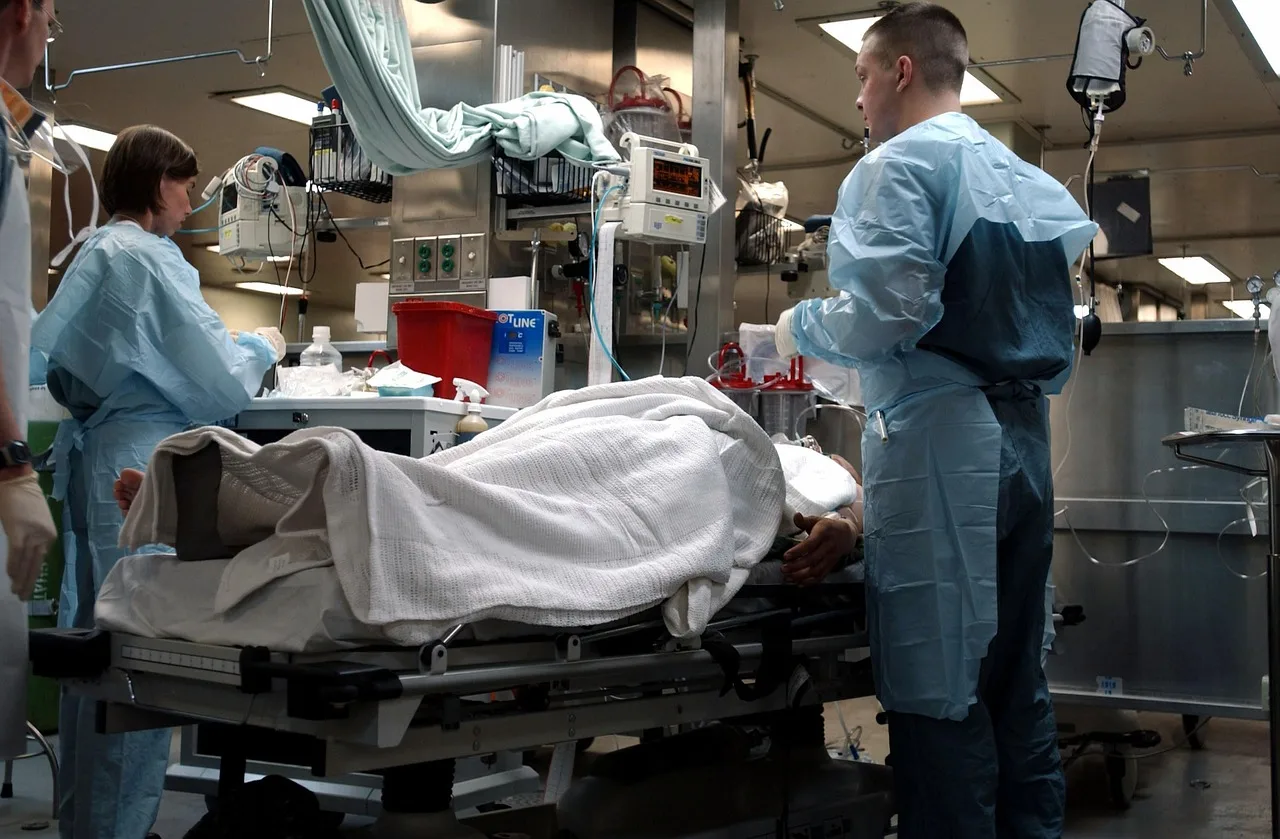
What to Expect: The Procedure
Spinal fusion surgery typically takes 2-6 hours depending on the number of levels fused and the surgical approach. General anesthesia is standard. Intraoperative neurophysiological monitoring (IOM) — including somatosensory evoked potentials (SSEPs) and motor evoked potentials (MEPs) — is used to continuously monitor spinal cord and nerve root function during the procedure, providing real-time safety feedback to the surgical team.
Post-operatively, patients typically spend 3-7 days in hospital depending on the complexity of the procedure. Early mobilization begins on the first or second day after surgery with the assistance of a physiotherapist. You'll wear a back brace for 6-12 weeks to support the spine while the fusion heals. Pain management combines oral medications with nerve blocks to control post-operative discomfort.
Recovery & Rehabilitation
Plan to stay abroad for 14-21 days following spinal fusion. This extended stay — longer than for most orthopedic procedures — allows time for initial healing, pain management stabilization, and the first phase of physiotherapy. Your surgeon will perform a post-operative X-ray or CT scan before clearing you to fly, confirming proper implant position and alignment.
Recovery from spinal fusion is a gradual process. Most patients can return to desk work at 4-6 weeks, light physical activity at 3 months, and full activity (with some restrictions) at 6-12 months. The bone graft takes 3-6 months to fully fuse — a process called consolidation — which is confirmed by follow-up CT scan. During this healing period, it's critical to follow your surgeon's activity restrictions, including no heavy lifting (over 10 lbs), no bending or twisting at the waist, and no prolonged sitting or standing.
Your international surgeon should provide a comprehensive recovery protocol and arrange follow-up consultations via video call at 2 weeks, 6 weeks, 3 months, and 6 months post-surgery. Local imaging (X-ray or CT) should be performed at 3 and 6 months and sent to your surgeon for review to confirm solid fusion.
Risks & Safety Considerations
Spinal fusion is a major surgical procedure with specific risks that patients should understand: pseudoarthrosis (failure of the fusion to heal, 5-10%), hardware failure or loosening, adjacent segment disease (degeneration of levels above or below the fusion), infection (1-3%), nerve injury, dural tear, and blood clots. These risks exist regardless of where the surgery is performed, and the best mitigation is choosing a high-volume spine surgeon at a center with advanced technology and comprehensive perioperative care.
When evaluating international spine centers, verify that the hospital has dedicated neurosurgery/spine surgery department, intraoperative neuromonitoring capability, 3D navigation or robotic-assisted screw placement technology, and 24/7 intensive care coverage. Ask about the surgeon's annual case volume for spinal fusion (ideally 100+), their pseudoarthrosis rate, and whether they use biologics (bone morphogenetic protein, platelet-rich plasma) to enhance fusion rates.
Patient selection for spinal fusion abroad requires careful consideration of both medical and logistical factors. Ideal candidates have a clear structural indication for fusion confirmed by advanced imaging (MRI and CT), have failed at least 6 months of conservative treatment (physical therapy, epidural injections, medications), and have realistic expectations about post-surgical outcomes. Patients with significant psychological comorbidities, uncontrolled diabetes, active smoking, or morbid obesity face higher complication rates and should address these factors before pursuing surgery abroad. Reputable international spine centers will not rush patients into surgery — they perform thorough evaluations and may recommend alternative treatments when fusion is not clearly indicated.
Technological advances have made spinal fusion safer and more precise than ever before. Robotic-assisted pedicle screw placement systems like Mazor X Stealth and ExcelsiusGPS achieve screw accuracy rates exceeding 98%, significantly reducing the risk of nerve injury and misplaced hardware. Intraoperative 3D imaging with O-arm or cone-beam CT provides real-time verification of implant placement, eliminating the need for post-operative CT to confirm accuracy. Additionally, navigation-guided minimally invasive approaches have reduced muscle damage, blood loss, and post-operative pain while achieving equivalent fusion rates to traditional open surgery. These technologies are now standard equipment at leading spine centers in Turkey, Germany, and South Korea.
Long-term outcomes after spinal fusion depend on several factors including the underlying diagnosis, the number of levels fused, patient health and compliance, and surgical technique. For single-level lumbar fusion performed for degenerative disc disease or spondylolisthesis, success rates (defined as solid fusion with significant pain improvement) range from 75-90%. Multi-level fusions have somewhat lower success rates due to increased complexity, but still provide meaningful pain relief for the majority of patients. Adjacent segment disease — degeneration of the disc levels immediately above or below the fusion — affects approximately 10-15% of patients within 10 years, and is a known long-term consequence of eliminating motion at one spinal segment. Patients who maintain core strength, healthy weight, and good posture after fusion surgery can help minimize the development of adjacent segment problems.
Find the right spine surgeon abroad. Browse our directory of accredited spine centers with verified patient reviews.
Find Verified Spine CentersFrequently Asked Questions
Frequently Asked Questions
Is spinal fusion abroad safe?
Yes, when performed at an accredited hospital with a high-volume spine surgeon and intraoperative neuromonitoring. Turkey, India, Germany, and South Korea have world-class spine centers with outcomes comparable to leading US hospitals. Always verify the hospital's accreditation, the surgeon's fellowship training in spine surgery, and the availability of 3D navigation/robotic assistance.
How long do I need to stay abroad after spinal fusion?
Plan for 14-21 days abroad. Hospital stay is typically 3-7 days depending on the number of levels fused. The remaining time is spent at a recovery hotel with physiotherapy sessions. You'll need a post-operative imaging study before being cleared to fly.
What implant brands are used for spinal fusion abroad?
Leading international hospitals use the same FDA-approved and CE-marked implants as US hospitals: Medtronic, DePuy Synthes (Johnson & Johnson), Stryker, NuVasive, Globus Medical, and Zimmer Biomet. Always confirm the exact implant manufacturer and request an implant card/passport after surgery.
Is minimally invasive spinal fusion available abroad?
Yes, many international spine centers offer MIS-TLIF, endoscopic fusion, and robotic-assisted procedures. Turkey and South Korea are particularly advanced in minimally invasive spine techniques. These approaches result in less tissue damage, shorter hospital stays, and faster recovery.
Can spinal fusion be reversed?
Once the bones have fully fused (3-6 months post-surgery), a spinal fusion cannot be reversed. The fused segments become a single unit of bone. If you're considering spinal fusion, discuss motion-preservation alternatives (artificial disc replacement) with your surgeon, which may be suitable for certain conditions.
When can I fly after spinal fusion?
Most surgeons clear patients to fly 14-21 days after spinal fusion, depending on the complexity. Short flights (2-4 hours) are usually approved first, with longer flights at 3-4 weeks. Use a lumbar support pillow, walk the aisle every hour, and wear compression stockings to reduce DVT risk.