Why Get Knee Replacement Abroad?
Knee replacement surgery is one of the most commonly performed orthopedic procedures worldwide, with over 790,000 total knee arthroplasties performed annually in the United States alone. Yet the staggering cost — averaging $30,000 to $50,000 in the US — leaves many patients suffering with debilitating knee pain for years while they struggle to afford the procedure. Even with insurance, out-of-pocket costs can reach $10,000 to $15,000, creating a significant financial barrier for the millions of Americans who need this life-changing surgery.
Medical tourism for knee replacement has seen explosive growth over the past decade, with patients from the US, UK, Canada, and Australia discovering that world-class joint replacement surgery is available abroad at a fraction of the domestic cost. Countries like Turkey have emerged as leading destinations, with hospitals such as American Hospital Istanbul offering state-of-the-art robotic-assisted knee replacement using the same premium implants — Zimmer Biomet, Stryker, Smith & Nephew, and DePuy Synthes — used in the finest American hospitals. The cost savings are not a reflection of lower quality but rather stem from lower operating overhead, favorable exchange rates, and competitive medical tourism markets.
Beyond cost, there are compelling clinical reasons to consider knee replacement abroad. Many international orthopedic centers have adopted the latest surgical technologies — including robotic-assisted surgery, patient-specific instrumentation (PSI), and computer-navigated techniques — faster than their US counterparts. Surgeons at high-volume international centers often perform 300-500 knee replacements annually, compared to the 50-100 performed by the average US orthopedic surgeon, translating to exceptional skill and precision honed through sheer volume of experience.
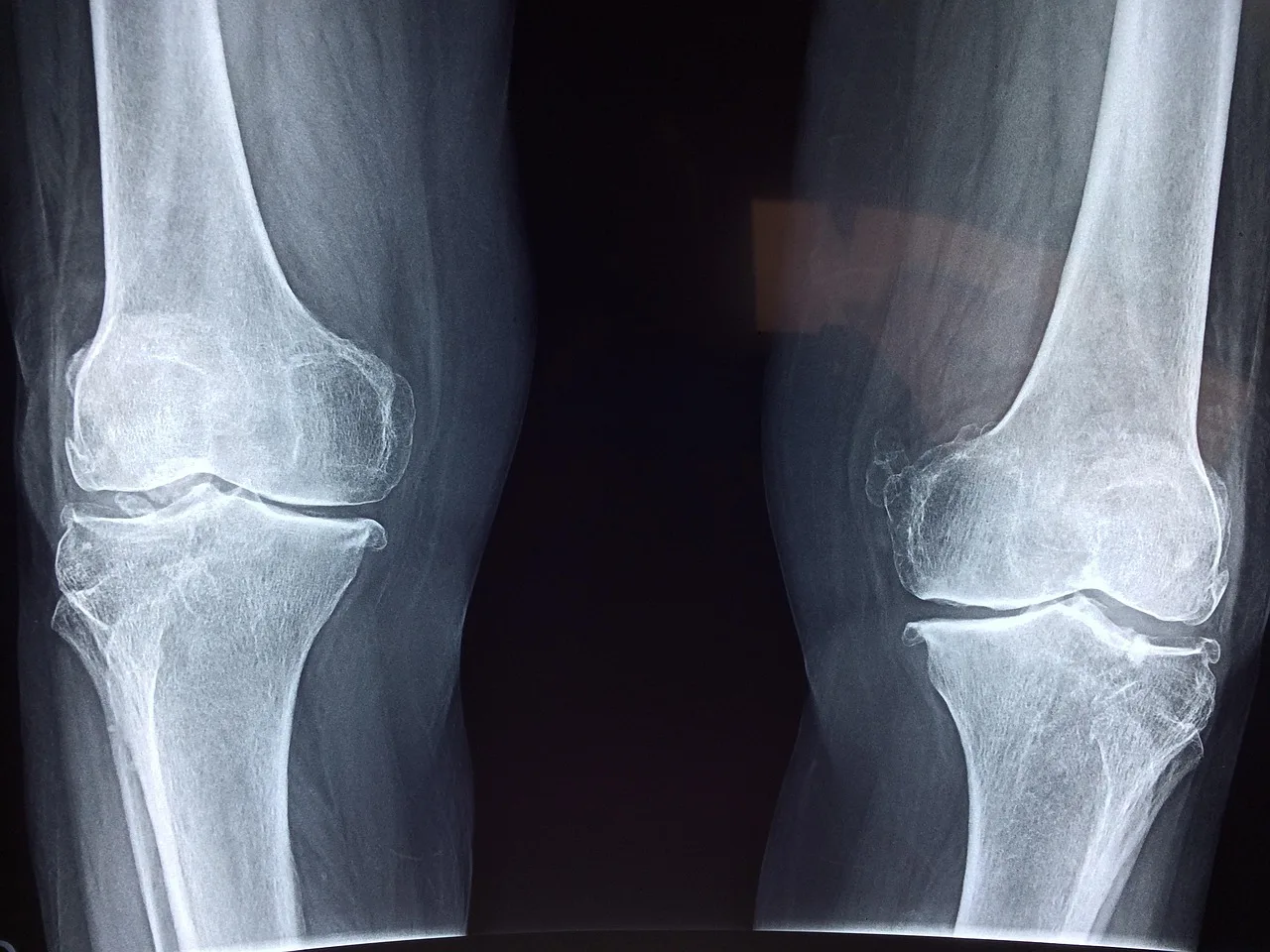
Cost Comparison by Country
Our research team analyzed pricing data from over 200 orthopedic centers across eight countries. These figures represent verified costs from 2024-2025, encompassing surgeon fees, premium implants, anesthesia, hospital stay (typically 3-5 nights), and standard physiotherapy sessions. The savings are dramatic, and they come with comparable — and often superior — clinical outcomes.
Total Knee Replacement Cost Comparison 2025
| Country | Procedure Cost | With Hospital Stay | Savings vs USA |
|---|---|---|---|
| USA | $30,000 - $50,000 | $35,000 - $60,000 | — |
| Turkey | $7,000 - $12,000 | $8,500 - $14,000 | Up to 75% |
| India | $5,000 - $8,000 | $6,000 - $10,000 | Up to 80% |
| Thailand | $8,000 - $14,000 | $10,000 - $16,000 | Up to 70% |
| Mexico | $9,000 - $15,000 | $11,000 - $17,000 | Up to 65% |
| Spain | $12,000 - $18,000 | $14,000 - $20,000 | Up to 60% |
| South Korea | $10,000 - $16,000 | $12,000 - $18,000 | Up to 65% |
| Germany | $15,000 - $22,000 | $17,000 - $25,000 | Up to 50% |
Prices include surgeon fees, implant costs, anesthesia, hospital stay (3-5 nights), and standard physiotherapy sessions. Travel and accommodation are additional.
When you factor in round-trip flights ($400-$1,200 depending on destination), hotel accommodation ($60-$150/night for a recovery period of 10-14 days), and post-operative physiotherapy, most patients still save 50-70% compared to the US cost. Many Turkish hospitals offer comprehensive all-inclusive packages that bundle the surgery, private hospital room, airport transfers, hotel accommodation, and a dedicated patient coordinator for a single transparent price. Leading institutions like Koç University Hospital provide premium international patient programs that manage every detail from arrival to departure.
Ready to explore knee replacement options abroad? Compare prices and surgeon credentials from JCI-accredited orthopedic centers worldwide.
Compare Knee Replacement ClinicsBest Countries for Knee Replacement
Turkey has rapidly established itself as one of the world's premier destinations for orthopedic surgery, and knee replacement in particular. Istanbul's major hospitals — including Liv Hospital Istanbul, American Hospital Istanbul, and Koç University Hospital — feature dedicated orthopedic departments with robotic-assisted surgery capabilities (Mako, ROSA, and NAVIO systems), patient-specific 3D-printed cutting guides, and rapid recovery protocols that get patients walking within hours of surgery. Turkish orthopedic surgeons frequently train in the US, UK, or Germany, bringing international expertise to facilities that offer five-star hospitality at a fraction of Western prices.
India has long been recognized as a global leader in affordable orthopedic care. Hospitals like Fortis, Apollo, and Max Healthcare in Delhi, Mumbai, and Bangalore perform thousands of knee replacements annually using the latest technology. Indian orthopedic surgeons are among the most highly trained in the world, many having completed fellowships at leading institutions in the US and Europe. The cost advantage in India is the most significant of any destination, with total knee replacement available for as little as $5,000-$8,000 including hospital stay and rehabilitation.
Thailand continues to attract orthopedic patients from around the world, particularly from Australia, the Middle East, and Europe. Bangkok's Bumrungrad International Hospital is one of the most JCI-accredited facilities globally, with a dedicated joint replacement center that has performed over 15,000 knee and hip replacements. Thai hospitals combine clinical excellence with a renowned culture of hospitality, making the surgical journey comfortable and stress-free from arrival to recovery.
Germany and Spain represent premium European options for patients who prefer shorter travel distances and EU regulatory standards. German orthopedic hospitals like Schön Klinik and ENDO-Klinik Hamburg are world-renowned for joint replacement innovation, while Spain offers excellent value with shorter wait times than the UK's NHS and a pleasant Mediterranean recovery climate.
After waiting 18 months on the NHS list, I flew to Istanbul for my knee replacement. The surgery was performed robotically at a hospital that looked like a luxury hotel. Two weeks later, I was back home walking with a cane — and I saved £15,000 compared to going private in London.
Robert K., treated in Turkey
Understanding Implant Options
The knee replacement implant is one of the most critical components of a successful surgery, and patients traveling abroad should understand the options available. Modern knee implants are designed to last 20-25 years, with some newer designs showing potential longevity of 30+ years. The choice of implant affects the range of motion, durability, and long-term outcomes of your surgery.
- Cemented vs. Cementless Implants: Cemented implants use bone cement (polymethylmethacrylate) to secure the prosthesis, providing immediate stability. Cementless implants have a porous surface that allows bone to grow into the implant over time. Your surgeon will recommend the best option based on your bone quality and activity level.
- Fixed-Bearing vs. Mobile-Bearing: Fixed-bearing designs have a polyethylene insert attached to the tibial component. Mobile-bearing designs allow the insert to rotate slightly, potentially reducing wear. Both designs have excellent track records — the choice depends on your surgeon's preference and experience.
- Posterior-Stabilized (PS) vs. Cruciate-Retaining (CR): PS designs replace the posterior cruciate ligament (PCL) with a mechanical post. CR designs preserve the PCL for more natural knee kinematics. Surgeons choose based on the condition of your PCL and the surgical approach used.
- Standard vs. Gender-Specific Implants: Some manufacturers offer implants designed specifically for the female knee anatomy, which tends to be narrower and has a different angle than the male knee. However, clinical evidence supporting the superiority of gender-specific implants is mixed.
- Partial (Unicompartmental) vs. Total Knee Replacement: If only one compartment of your knee is damaged, a partial knee replacement preserves more natural bone and ligaments, offers faster recovery, and provides more natural knee feel. However, it requires that the remaining compartments are healthy.
Premium international hospitals use the same implant brands as leading US hospitals. When evaluating overseas clinics, request the specific implant manufacturer and model number, and verify that the product is FDA-approved or CE-marked. Reputable hospitals will provide an implant passport documenting the exact products used in your surgery — essential for any future medical care.
What to Expect: The Procedure
A typical knee replacement abroad follows international surgical standards. The operation takes 1-2 hours under either general or spinal anesthesia. Your surgeon will remove the damaged cartilage and bone surfaces and replace them with metal and high-grade polyethylene components that recreate the natural shape and movement of the knee joint.
- Day 1: Arrival and check-in at hospital or hotel; pre-operative blood work, ECG, and chest X-ray
- Day 2: Pre-operative consultation with surgeon; review of imaging (MRI, X-rays); anesthesia assessment; final surgical plan including implant selection
- Day 3: Surgery day — typically 1-2 hours; transfer to private room for post-operative monitoring
- Day 4-5: Begin physiotherapy; assisted walking with walker or crutches within 24 hours of surgery; pain management and wound care
- Day 6-8: Continued physiotherapy; increasing mobility exercises; knee flexion exercises to achieve 90-degree bend
- Day 9-12: Gradual transition from walker to cane; stair climbing practice; wound check and suture/staple management
- Day 13-14: Final surgeon consultation; discharge instructions; physiotherapy home program; clearance to fly
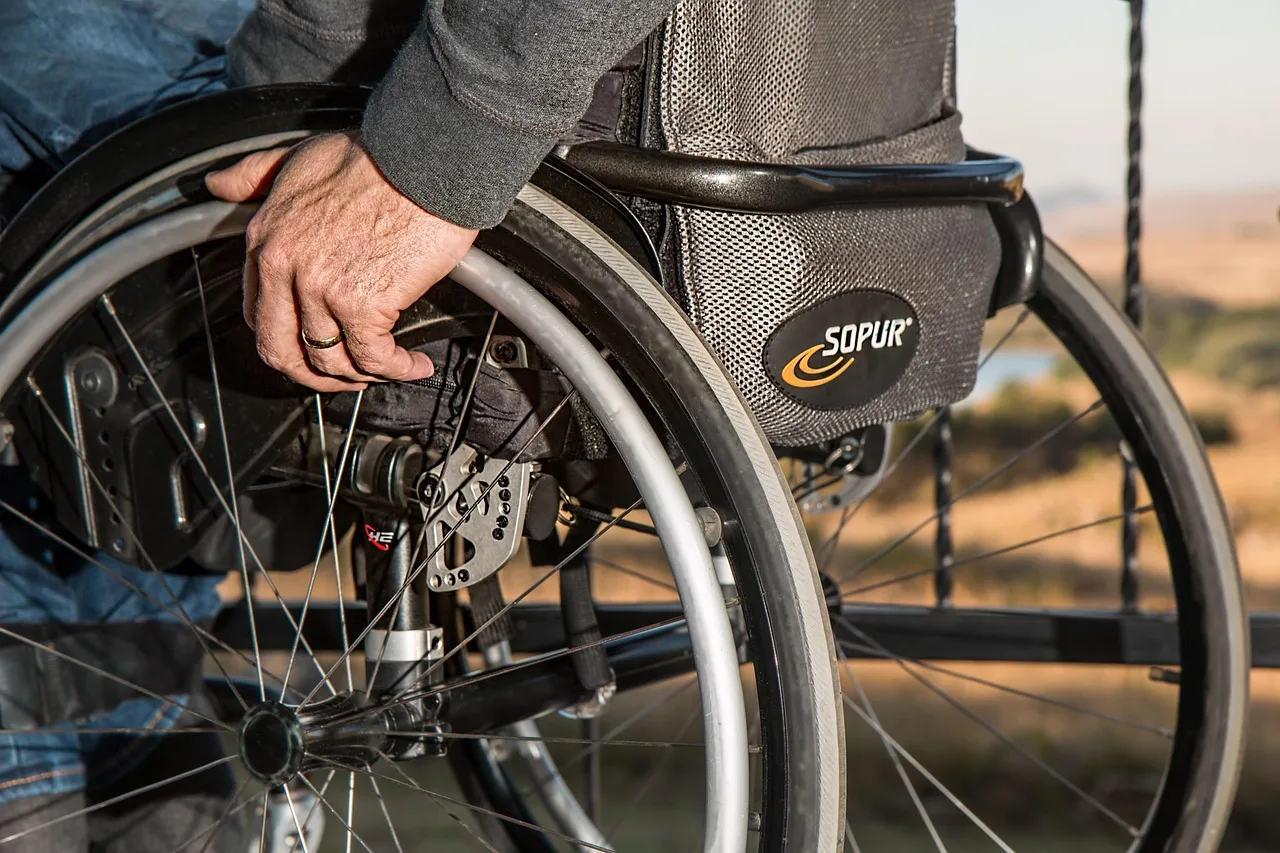
Recovery & Rehabilitation Abroad
Rehabilitation is arguably as important as the surgery itself for achieving optimal outcomes after knee replacement. Plan to stay at your destination for 10-14 days following surgery. Most international hospitals include an initial physiotherapy program in their package, with sessions beginning the day after surgery. The goal during the first two weeks is to achieve at least 90 degrees of knee flexion, walk independently with a cane, and manage stairs safely.
Many patients choose to extend their stay at a nearby rehabilitation facility or recovery hotel. Turkey, Thailand, and India all offer specialized post-surgical recovery accommodations with on-site physiotherapists, nursing care, and amenities designed for joint replacement patients. These facilities provide a comfortable environment for the critical early recovery period, often at costs far below what a single physiotherapy session would cost at home.
Upon returning home, you'll continue physiotherapy for 6-12 weeks. Your international surgeon should provide a detailed rehabilitation protocol for your local physiotherapist. Most patients achieve full functional recovery by 3-6 months, with continued improvement possible for up to a year. The vast majority of knee replacement patients report significant pain reduction and dramatically improved mobility compared to their pre-surgical state.
Risks & Safety Considerations
Knee replacement surgery carries the same risks whether performed in the US or abroad: infection (1-2% risk), blood clots/deep vein thrombosis (DVT), implant loosening, nerve or blood vessel damage, stiffness, and the need for revision surgery. The key to minimizing these risks is choosing a high-volume surgeon at an accredited hospital with robust infection control protocols and a proven track record in joint replacement surgery.
When evaluating international hospitals for knee replacement, look for JCI accreditation (the gold standard for international healthcare quality), ISO certification, and national accreditations. Verify that the hospital has a dedicated orthopedic department — not just a general surgeon who occasionally performs joint replacements. High-volume joint replacement centers with 500+ procedures annually typically report the best outcomes and lowest complication rates.
Deep vein thrombosis (DVT) is a particular concern for surgical tourists because of the long flights involved. Most international hospitals prescribe blood thinners for 2-4 weeks after surgery and recommend compression stockings for the flight home. Some patients choose to break up long flights with a stopover to reduce DVT risk. Follow your surgeon's anti-coagulation protocol precisely, stay hydrated, and perform in-seat exercises during your return flight.
Patient selection is a critical factor in achieving optimal knee replacement outcomes abroad. Ideal candidates are individuals with severe osteoarthritis confirmed by weight-bearing X-rays showing bone-on-bone contact, who have exhausted conservative treatments including physiotherapy, anti-inflammatory medications, corticosteroid injections, and viscosupplementation. Patients with a BMI under 40 generally experience better surgical outcomes and lower complication rates. International orthopedic centers typically conduct a thorough pre-operative assessment that includes cardiac clearance, blood tests for inflammatory markers, and a dental evaluation to rule out potential sources of infection that could compromise the implant. Patients with well-managed diabetes, controlled hypertension, or mild cardiac conditions can safely undergo knee replacement abroad, provided their medical team coordinates care appropriately.
Long-term outcome data for knee replacement is overwhelmingly positive. Large registry studies from Australia, Sweden, and the UK — which track hundreds of thousands of patients — consistently show that 90-95% of knee replacements are still functioning well at 15 years, and 80-85% at 20 years. Patients who maintain a healthy weight, engage in regular low-impact exercise, and avoid high-impact activities can expect their implant to last well beyond two decades. Advances in bearing surface technology, including highly cross-linked polyethylene and oxidized zirconium femoral components, have further improved implant longevity by reducing wear rates to near-negligible levels.
Don't let knee pain limit your life any longer. Browse our directory of accredited orthopedic centers with verified patient reviews and transparent pricing.
Find Verified Orthopedic ClinicsFrequently Asked Questions
Frequently Asked Questions
Is knee replacement abroad safe?
Yes, when performed at a JCI-accredited hospital by a high-volume orthopedic surgeon. Many international hospitals use the same implants, surgical techniques, and safety protocols as leading US hospitals. Turkey, India, Thailand, and Germany all have world-class orthopedic centers with excellent safety records. Always verify your surgeon's credentials, case volume, and the hospital's accreditation status before booking.
How long do I need to stay abroad after knee replacement?
Plan to stay 10-14 days after surgery. This allows time for initial physiotherapy, wound healing, and a final surgeon check before flying. Most patients are cleared to fly 10-14 days after surgery, though some prefer to stay longer at a recovery facility for additional rehabilitation.
Which knee implant brands are used abroad?
Top international hospitals use the same premium implant brands as US hospitals: Zimmer Biomet (NexGen, Persona), Stryker (Triathlon), DePuy Synthes (ATTUNE, Sigma), and Smith & Nephew (LEGION, JOURNEY). Always confirm the specific implant brand before surgery and request an implant passport after the procedure.
Can I have both knees replaced abroad in one trip?
Yes, bilateral (simultaneous or staged) knee replacement is offered at many international hospitals. Simultaneous bilateral replacement replaces both knees in one surgery, while staged replacement does one knee followed by the other a few days later. Discuss with your surgeon which approach is safest for your health status.
How long does a knee replacement implant last?
Modern knee implants are designed to last 20-25 years, with some newer designs showing potential longevity of 30+ years. Factors affecting implant longevity include patient weight, activity level, implant quality, and surgical technique. Approximately 80-85% of knee replacements are still functioning well at 20 years.
Will I need revision surgery in the future?
About 5-10% of knee replacement patients require revision surgery within 20 years. Revision rates are lower for patients who maintain a healthy weight, follow physiotherapy protocols, and avoid high-impact activities. If revision is needed in the future, it can be performed domestically using the surgical records from your original procedure abroad.