Why Consider Revision Surgery Abroad?
Revision joint replacement — the replacement of a worn-out, loosened, or failed joint prosthesis — is one of the most complex and expensive orthopedic procedures performed today. In the United States, revision knee replacement costs $35,000-$65,000 and revision hip replacement $40,000-$75,000 — often 50-100% more than the original primary surgery. These costs reflect the increased surgical complexity, specialized revision implants, longer operative times, and extended hospital stays required. For patients who already paid for a primary joint replacement, the financial burden of a second major surgery can be overwhelming.
International revision joint replacement has matured significantly, with specialized centers in Turkey, India, and Germany now performing high volumes of complex revision procedures using advanced techniques and implant systems. Hospitals such as American Hospital Istanbul and Koç University Hospital have dedicated revision arthroplasty programs with fellowship-trained surgeons who specialize specifically in failed joint reconstruction — a critical distinction from surgeons who perform only primary joint replacement.
Revision surgery demands a different level of expertise than primary joint replacement. The surgeon must navigate around prior surgical scarring, manage bone loss from the original implant, handle potential complications like periprosthetic fracture, and select from a range of specialized revision implant systems (including augments, extended stems, and constrained components) to restore joint function. This subspecialty expertise is available at leading international centers, often at 50-70% less cost than in the US.

Cost Comparison by Country
Revision joint replacement is significantly more expensive than primary surgery everywhere in the world, reflecting its increased complexity. However, the percentage savings available internationally are even greater than for primary procedures, as revision implant markups in the US are particularly high.
Revision Joint Replacement Cost Comparison 2025
| Country | Revision Knee | Revision Hip | Savings vs USA |
|---|---|---|---|
| USA | $35,000 - $65,000 | $40,000 - $75,000 | — |
| Turkey | $10,000 - $20,000 | $12,000 - $22,000 | Up to 70% |
| India | $7,000 - $15,000 | $8,000 - $17,000 | Up to 80% |
| Thailand | $12,000 - $22,000 | $14,000 - $25,000 | Up to 65% |
| Germany | $18,000 - $30,000 | $20,000 - $35,000 | Up to 50% |
| South Korea | $14,000 - $24,000 | $16,000 - $28,000 | Up to 60% |
| Spain | $15,000 - $25,000 | $17,000 - $28,000 | Up to 55% |
| Mexico | $12,000 - $20,000 | $14,000 - $22,000 | Up to 65% |
Prices for single-stage aseptic revision. Septic (infected) revision requiring two-stage surgery with antibiotic spacer costs 40-60% more. Prices include revision implants, bone graft if needed, and extended hospital stay.
These prices are for aseptic (non-infected) single-stage revision. If your revision is due to infection (septic revision), the treatment typically requires a two-stage procedure: first removing the infected implant and placing an antibiotic-loaded spacer, followed by reimplantation 6-12 weeks later. Two-stage septic revision costs 40-60% more than aseptic revision. International hospitals like Liv Hospital Istanbul offer comprehensive revision packages that include advanced imaging, specialized revision implants, bone graft materials, and extended rehabilitation.
Compare revision surgery prices from specialized orthopedic centers worldwide. Get free, no-obligation quotes from verified surgeons.
Compare Revision Surgery ClinicsCommon Reasons for Revision
Understanding why revision surgery is needed helps you communicate with your international surgeon and set realistic expectations for the outcome. The most common indications include:
- Implant Wear/Loosening (40%): Over time, the bearing surfaces wear down, generating debris particles that cause bone loss (osteolysis) and implant loosening. This is the most common reason for revision, typically occurring 15-25 years after the original surgery. Symptoms include gradually increasing pain, swelling, and instability.
- Periprosthetic Joint Infection (PJI) (20%): Infection around the implant, either acute (within weeks of surgery) or chronic (months to years later). Requires aggressive treatment — usually two-stage revision with antibiotic spacer. Symptoms include persistent pain, warmth, redness, swelling, and sometimes fever.
- Instability/Dislocation (15%): Recurrent dislocation (more common in hip replacement) or feeling of instability (more common in knee replacement). May require revision to a more constrained implant design or adjustment of soft tissue tension.
- Periprosthetic Fracture (10%): Fracture of the bone around the implant, often from a fall or trauma. May require revision of the implant with a longer stem and possible bone grafting, combined with fracture fixation.
- Stiffness/Arthrofibrosis (5%): Severe limitation of motion due to excessive scar tissue formation. May require manipulation under anesthesia or surgical release of scar tissue, sometimes combined with component revision.
- Component Malposition (5%): Incorrect positioning of the implant during the original surgery, causing pain, instability, or accelerated wear. Requires revision to correct the alignment.
- Unexplained Pain (5%): Persistent pain after joint replacement without clear mechanical cause. Requires thorough investigation before considering revision. Not all pain after joint replacement is solved by revision surgery.
Best Countries for Revision Surgery
Germany is arguably the world leader in revision joint replacement, with hospitals like ENDO-Klinik Hamburg (one of the highest-volume joint replacement centers globally), Charité Berlin, and Schön Klinik performing hundreds of complex revisions annually. German surgeons pioneered many revision techniques in use today and have access to the widest range of revision implant systems. For the most complex cases — including multi-revision patients, severe bone loss, and complex periprosthetic joint infection — Germany represents the gold standard.
Turkey has developed strong revision arthroplasty capabilities at its top hospitals. Istanbul's leading orthopedic centers stock a comprehensive range of revision implant systems (Zimmer Biomet Revision, Stryker Triathlon Revision, DePuy ATTUNE Revision) and have surgeons with specific fellowship training in revision arthroplasty. The cost advantage over Germany and the US, combined with excellent all-inclusive packages, makes Turkey an attractive option for revision surgery patients seeking a balance of quality and value.
India offers the most affordable revision joint replacement in the world, with leading hospitals like Apollo, Fortis, and Medanta performing high volumes of complex revision procedures. Indian revision arthroplasty surgeons frequently train at leading US and UK centers and have experience managing even the most challenging cases, including massive bone loss requiring custom implants and complex two-stage revisions for periprosthetic joint infection.
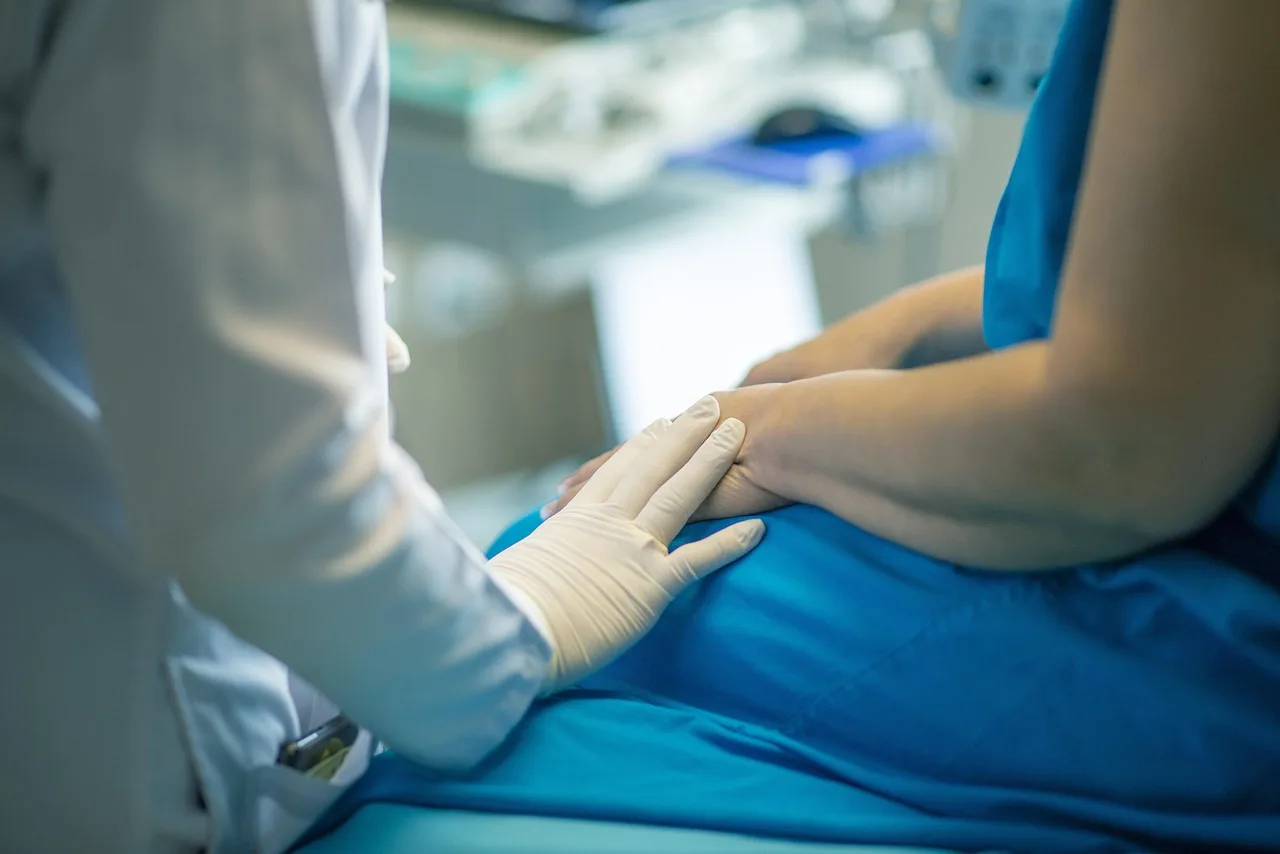
My knee replacement from 12 years ago had loosened, and my US surgeon quoted $58,000 for revision with insurance covering only 60%. I researched revision specialists worldwide and chose a surgeon in Istanbul who had specific fellowship training in revision arthroplasty. The surgery cost $16,000, he used Stryker revision components, and my knee feels better than it did after the original surgery.
William G., treated in Turkey
Understanding Revision Complexity
Revision surgery is categorized by complexity levels, which influence the surgical approach, implant selection, operative time, and recovery. Understanding these levels helps you appreciate the expertise required and set realistic expectations.
Simple revision (component exchange) involves removing well-fixed components and replacing them with new implants in the presence of minimal bone loss. Moderate revision involves managing moderate bone loss with augments, bone graft, or extended stems. Complex revision requires addressing massive bone loss with structural allografts, custom implants, or megaprostheses, and may involve staged procedures. The most complex revisions — including multi-revision cases and infected joints — require the highest level of surgical expertise and specialized implant systems.
International hospitals categorize revision complexity using the same classification systems used worldwide (AORI for knee, Paprosky for hip), ensuring consistent surgical planning and implant selection. When reviewing your case with an international surgeon, ask them to classify the expected revision complexity and explain the implant strategy they plan to use. This information is critical for understanding the likely outcome, recovery timeline, and cost.
Recovery & Expectations
Recovery from revision joint replacement is typically longer and more gradual than from primary surgery. Plan to stay abroad for 14-21 days. Hospital stay is usually 5-10 days (longer than primary surgery due to increased surgical trauma and the need for careful wound monitoring). Physiotherapy begins on the second or third post-operative day with gentle range of motion and protected weight-bearing.
Full functional recovery from revision surgery takes 6-12 months — approximately twice as long as primary joint replacement. The extended timeline reflects greater surgical trauma, bone graft incorporation (if used), and the need for more cautious rehabilitation to protect the revision construct. Most patients achieve significant pain improvement and functional gains, though the outcome of revision surgery is generally not quite as good as a successful primary replacement.
Set realistic expectations: while revision surgery is highly successful at reducing pain and restoring function, the range of motion and overall function after revision are typically slightly less than after a successful primary replacement. Approximately 85-90% of patients report satisfaction with their revision surgery outcome, with significant improvement in pain and quality of life compared to their pre-revision state.
Choosing the right surgeon for revision joint replacement is more important than for primary surgery, as the procedure requires a different skill set and greater experience managing complex scenarios. Revision surgeons must be proficient in implant removal techniques, bone loss management strategies (including structural allografts, trabecular metal augments, and custom implants), and the use of specialized revision implant systems that provide stable fixation in compromised bone. An ideal revision surgeon should be fellowship-trained in adult reconstructive surgery with specific emphasis on complex primary and revision arthroplasty, perform at least 30-50 revision procedures annually, and have access to the full range of revision implant options from major manufacturers. Ask potential surgeons about their specific revision outcomes, including re-revision rates, infection clearance rates for septic revision, and patient-reported functional scores.
Advanced diagnostic workup is essential before revision joint replacement to ensure accurate identification of the failure mechanism and optimal surgical planning. This typically includes weight-bearing X-rays in multiple views, CT scan with metal artifact reduction protocols for detailed assessment of bone loss and component positioning, nuclear medicine studies (bone scan or labeled white blood cell scan) to evaluate for infection, and comprehensive blood work including inflammatory markers (ESR, CRP, D-dimer) and joint aspiration with culture and cell count analysis. Some international revision centers also offer advanced imaging modalities like MARS-MRI (metal artifact reduction sequence) that provide superior soft tissue visualization around metal implants. This thorough diagnostic approach ensures that the revision surgery addresses the true underlying cause of failure and is planned appropriately for the degree of bone loss and implant complexity involved.
Preparing for revision joint replacement abroad requires additional planning compared to primary surgery. Patients should obtain complete records from their original surgery, including the operative report, implant passport documenting exact component specifications, and all post-operative imaging. These records are essential for the revision surgeon to plan the procedure, select compatible revision components, and arrange for specialized explant instruments. Many international revision surgeons offer virtual pre-operative consultations during which they review imaging and surgical records, classify the expected revision complexity, and provide a detailed treatment plan and cost estimate before the patient commits to traveling. This remote assessment process allows patients to evaluate multiple revision specialists and make an informed decision without the expense of international travel for initial consultations.
Post-operative follow-up after revision joint replacement abroad is critically important and requires a coordinated approach between your international surgeon and local healthcare providers. Before leaving the hospital, ensure you receive a comprehensive discharge package that includes the full operative report, details of the revision implant components used, post-operative X-rays, a wound care protocol, anticoagulation instructions, physiotherapy guidelines, and a schedule of recommended follow-up imaging milestones. Most international revision centers arrange video consultations at 2 weeks, 6 weeks, 3 months, 6 months, and 12 months post-surgery to review imaging and assess functional progress. Establish a relationship with a local orthopedic surgeon before your trip who can manage any acute concerns that arise after you return home and coordinate with your international surgeon as needed.
Frequently Asked Questions
Frequently Asked Questions
How long does a revision implant last?
Modern revision implants are designed to last 15-20 years, though longevity depends on the reason for revision, bone quality, implant type, and patient activity level. Revision for wear/loosening generally has better long-term outcomes than revision for infection. Some patients with good bone quality may not need another revision in their lifetime.
Is revision surgery more risky than primary joint replacement?
Yes, revision surgery carries higher complication rates than primary surgery: infection (3-5% vs 1-2%), dislocation (5-10% vs 1-3%), and longer operative times. However, these risks are well-managed at experienced revision centers with high case volumes. The benefits of revision — pain relief and restored function — typically outweigh the risks for patients with failed implants.
Can I have revision surgery abroad if my original surgery was done in the US?
Yes, international revision surgeons regularly operate on patients whose original surgery was performed elsewhere. Bring your original surgical records, including the implant passport documenting the exact components used. This information helps the revision surgeon plan the procedure and select compatible revision implants.
What if my revision is due to infection?
Infected joint replacement (periprosthetic joint infection) typically requires a two-stage revision: Stage 1 removes the infected implant and places an antibiotic spacer (4-6 weeks abroad). Stage 2 reimplants a new prosthesis after the infection is cleared (a second trip, typically 6-12 weeks later). This is more complex and costly than aseptic revision, but international centers can manage the entire process.
How many times can a joint replacement be revised?
Technically, a joint replacement can be revised multiple times, but each revision becomes progressively more complex due to cumulative bone loss and scarring. Most surgeons recommend a maximum of 2-3 revisions, after which options become limited. The first revision typically has the best outcomes, making it critical to choose an experienced revision surgeon.
How long should I stay abroad for revision surgery?
Plan for 14-21 days for aseptic revision. For two-stage septic revision, you'll need two separate trips: 10-14 days for Stage 1 (implant removal and spacer insertion) and 14-21 days for Stage 2 (reimplantation), with 6-12 weeks at home between stages for antibiotic treatment.