Lung Transplant Overview
Lung transplantation is a life-saving surgical procedure for patients with end-stage lung disease who have exhausted all other treatment options. The procedure involves replacing one or both diseased lungs with healthy lungs from a deceased donor, restoring the patient's ability to breathe normally and dramatically improving their quality of life. Lung transplantation has evolved significantly since the first successful procedure in 1983, with improvements in surgical technique, organ preservation, immunosuppression, and post-operative care leading to progressively better outcomes. Today, the median survival after lung transplant exceeds six years at leading centers, and many patients live ten years or longer with careful medical management.
The primary indications for lung transplantation include chronic obstructive pulmonary disease, which accounts for approximately 30 percent of all lung transplants worldwide, followed by idiopathic pulmonary fibrosis at 25 percent, cystic fibrosis at 15 percent, and pulmonary arterial hypertension, alpha-1 antitrypsin deficiency, and other conditions making up the remainder. Patients are typically considered for transplant when their lung disease has progressed to the point where their life expectancy without transplant is less than two to three years, or when their quality of life has deteriorated to the point where even basic activities of daily living are severely limited. The decision to list a patient for lung transplant involves careful weighing of the potential benefits against the risks of surgery and the lifelong commitment to immunosuppressive therapy and medical follow-up.
The cost of lung transplantation in the United States is among the highest of any surgical procedure, with single lung transplant costs ranging from $700,000 to $900,000 and double lung transplants from $900,000 to $1.2 million. These staggering figures include pre-transplant evaluation and listing, the surgical procedure and extended ICU stay, post-operative hospitalization and rehabilitation, medications, and the first year of follow-up care. International transplant centers offer substantial savings while maintaining excellent clinical outcomes. Facilities such as Acıbadem Maslak Hospital in Istanbul have developed comprehensive lung transplant programs with experienced thoracic surgeons, state-of-the-art operating theaters, and dedicated pulmonary rehabilitation units, providing patients with world-class care at 50 to 80 percent lower cost than in the United States.
Types of Lung Transplant
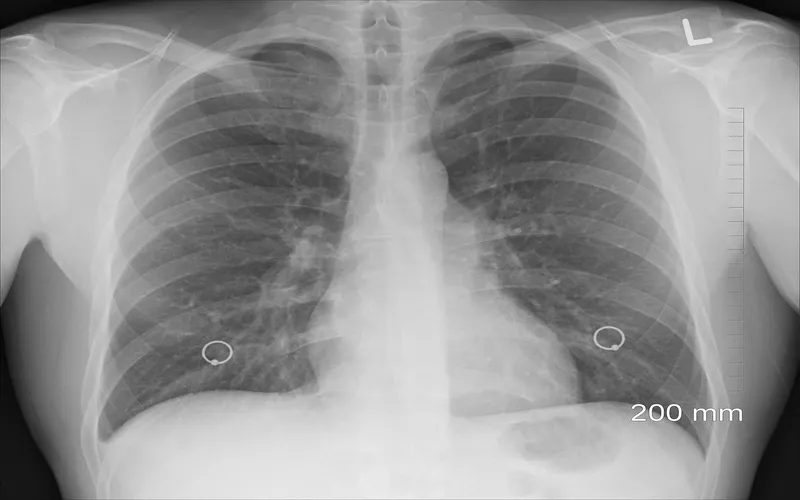
Single lung transplantation involves replacing one diseased lung with a healthy donor lung. This procedure is typically performed for patients with pulmonary fibrosis, emphysema, or other conditions where one lung is more severely affected than the other. The advantage of single lung transplant is that it is a less complex surgical procedure with a shorter operating time and potentially fewer complications than bilateral transplant. However, the remaining native lung may still be a source of disease progression, infection, or complications, particularly in patients with cystic fibrosis or bronchiectasis where the retained lung can serve as a reservoir for chronic infection. Single lung transplant is generally not recommended for patients with cystic fibrosis or other suppurative lung diseases for this reason.
Bilateral (double) lung transplantation replaces both lungs and is the preferred approach for patients with cystic fibrosis, bronchiectasis, and many patients with emphysema and pulmonary arterial hypertension. Double lung transplant provides better long-term outcomes for most indications, with studies consistently showing superior survival compared to single lung transplant. The procedure is more complex and technically demanding, requiring a bilateral thoracotomy (clamshell incision) and often the use of cardiopulmonary bypass or extracorporeal membrane oxygenation for circulatory support during the operation. Despite the greater complexity, bilateral lung transplant has become the most commonly performed type of lung transplant at leading centers worldwide, accounting for over 60 percent of all procedures.
Combined heart-lung transplantation is reserved for patients with severe lung disease accompanied by irreversible heart failure or congenital heart disease with Eisenmenger syndrome. This procedure is considerably rarer than isolated lung transplant, with only about 50 to 70 performed worldwide each year. Living donor lobar lung transplantation, where two living donors each donate a lower lobe to the recipient, is performed at a limited number of centers primarily in Japan, offering an alternative for patients who cannot wait for a deceased donor. At centers like Memorial Şişli Hospital, the thoracic surgery team evaluates each patient individually to determine the most appropriate transplant approach based on their specific disease, anatomy, and overall health status.
- Single lung transplant — replacement of one lung, shorter surgery, suitable for fibrosis/emphysema
- Bilateral lung transplant — both lungs replaced, preferred for CF and most conditions
- Heart-lung transplant — combined procedure for concurrent cardiac and pulmonary failure
- Living donor lobar transplant — two donors each provide a lobe, limited availability
- Ex vivo lung perfusion — technology to assess and improve marginal donor lungs
- ECMO bridge to transplant — mechanical support for critically ill patients awaiting transplant
Cost Comparison by Country
Lung transplantation is one of the most expensive surgical procedures globally, and the cost variation between countries is substantial. In the United States, where single lung transplant costs $700,000 to $900,000 and double lung transplant reaches $900,000 to $1.2 million, the financial burden on patients and the healthcare system is enormous. These costs include everything from initial evaluation and listing through the first year of post-transplant care, including multiple readmissions that are common during the first year as patients are monitored for rejection, infection, and other complications. The cost of immunosuppressive medications alone can exceed $30,000 to $50,000 per year, adding to the ongoing financial burden.
Lung Transplant Cost Comparison 2025
| Country | Single Lung | Double Lung | Savings vs USA |
|---|---|---|---|
| USA | $700,000 - $900,000 | $900,000 - $1,200,000 | — |
| Turkey | $100,000 - $180,000 | $150,000 - $250,000 | Up to 80% |
| India | $50,000 - $100,000 | $80,000 - $150,000 | Up to 88% |
| Germany | $250,000 - $400,000 | $350,000 - $550,000 | Up to 55% |
| South Korea | $180,000 - $300,000 | $250,000 - $400,000 | Up to 65% |
| Spain | $200,000 - $350,000 | $280,000 - $450,000 | Up to 60% |
| Israel | $180,000 - $300,000 | $250,000 - $400,000 | Up to 65% |
| Thailand | $70,000 - $130,000 | $100,000 - $200,000 | Up to 85% |
Prices include pre-transplant evaluation, surgery, ICU stay, and initial post-transplant care. ECMO support and extended ICU stays may incur additional costs.
Turkey has positioned itself as an increasingly important destination for lung transplantation, with costs ranging from $100,000 to $180,000 for single lung and $150,000 to $250,000 for double lung procedures. Acıbadem Maslak Hospital operates one of Turkey's leading lung transplant programs, with a dedicated team of thoracic surgeons, pulmonologists, transplant immunologists, and rehabilitation specialists. The hospital's thoracic surgery department is equipped with advanced video-assisted thoracoscopic surgery capabilities, ECMO and cardiopulmonary bypass systems for intraoperative support, and specialized ventilator management protocols for the complex post-operative period following lung transplantation.
Need a lung transplant? Get personalized cost estimates from leading international pulmonary transplant centers.
Get Free QuoteTop Lung Transplant Hospitals Abroad
Acıbadem Maslak Hospital has established itself as a regional leader in lung transplantation, attracting patients from across the Middle East, Central Asia, and beyond. The hospital's lung transplant program benefits from a multidisciplinary approach that brings together thoracic surgeons, pulmonologists, infectious disease specialists, physiotherapists, nutritionists, and psychologists to provide comprehensive care throughout the transplant journey. The surgical team has experience with both single and bilateral lung transplants, as well as the use of ECMO as a bridge to transplant for critically ill patients who cannot wait for a donor organ through conventional ventilatory support alone.
Memorial Şişli Hospital complements Turkey's lung transplant capabilities with its own dedicated thoracic surgery program and advanced critical care facilities. The hospital's pulmonary rehabilitation program, which begins before transplant and continues intensively afterward, helps patients optimize their physical condition for surgery and achieve the best possible recovery. Anadolu Medical Center, affiliated with Johns Hopkins Medicine, provides American-standard protocols and quality assurance for patients seeking the highest level of care in a cost-effective setting. Together, these three centers give Turkey a comprehensive lung transplant infrastructure that rivals established Western transplant programs.
Eligibility & Evaluation
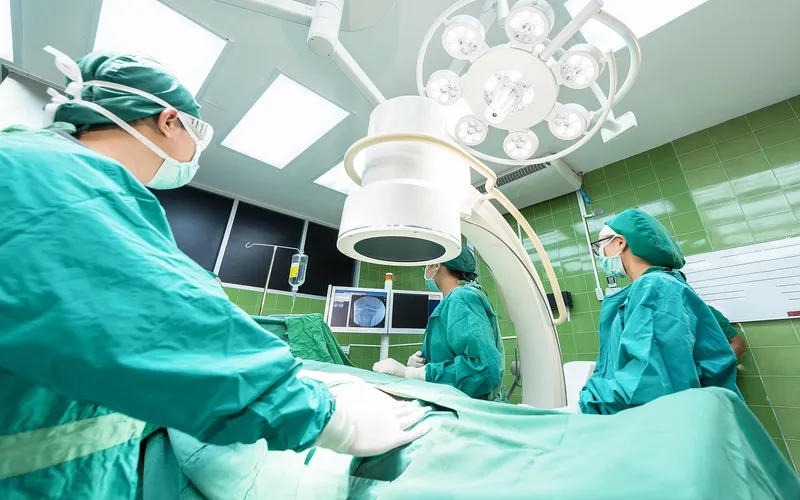
Lung transplant eligibility criteria are designed to identify patients who are sick enough to benefit from transplant but healthy enough to survive the procedure and recover successfully. General criteria include progressive, irreversible lung disease with a life expectancy of less than two to three years without transplant, failure of maximum medical therapy, age typically under 65 for single lung and under 60 for bilateral transplant (though these limits are flexible at some centers), and the ability to participate in pulmonary rehabilitation. Patients must be ambulatory and capable of some level of physical activity, as severe deconditioning is associated with poor post-transplant outcomes. Importantly, patients must have a strong support network and demonstrated ability to comply with the demanding post-transplant medication and follow-up regimen.
Contraindications to lung transplant include active or recent cancer within the past five years (with certain exceptions), active smoking or substance use, significant dysfunction of other major organs (unless combined transplant is planned), active extrapulmonary infection, documented non-compliance with medical therapy, and certain severe psychiatric conditions that would impair the patient's ability to follow post-transplant care requirements. Relative contraindications, which are assessed on a case-by-case basis, include obesity with BMI above 30, osteoporosis, prior thoracic surgery, colonization with resistant organisms, and advanced age. The evaluation process at centers like Acıbadem Maslak Hospital includes comprehensive pulmonary function testing, six-minute walk test, cardiac evaluation, blood work, imaging studies, and psychosocial assessment.
Recovery & Outcomes
Recovery from lung transplantation is one of the most intensive of all organ transplant procedures, reflecting the unique challenges of managing a transplanted organ that is constantly exposed to the external environment through breathing. Most patients spend one to three weeks in the ICU after surgery, with careful management of mechanical ventilation, chest drainage, hemodynamic monitoring, and immunosuppression initiation. The transition from mechanical ventilation to independent breathing is a critical milestone, and some patients may require extended ventilatory support, particularly after bilateral transplant or in cases complicated by primary graft dysfunction, the lung transplant equivalent of early graft failure. Total hospital stay typically ranges from three to six weeks, depending on the complexity of the case and the pace of recovery.
Pulmonary rehabilitation after lung transplant is intensive and essential for optimal outcomes. Patients begin supervised exercise within days of surgery, starting with bed exercises and progressing to standing, walking, and eventually more vigorous activity. The rehabilitation program addresses breathing techniques, airway clearance, strength training, endurance building, and education about infection prevention and self-monitoring. Most patients see dramatic improvements in their breathing capacity and exercise tolerance within the first three to six months after transplant, often exceeding functional levels they had not experienced for years before the procedure. At centers like Memorial Şişli Hospital, the pulmonary rehabilitation team works closely with the transplant physicians to ensure a coordinated and progressive recovery program.
Long-term outcomes after lung transplantation have improved steadily over the past two decades. Current international registry data show median survival of approximately six years, with one-year survival exceeding 85 percent and five-year survival reaching 55 to 60 percent at leading centers. The primary challenge to long-term survival is chronic lung allograft dysfunction, a form of progressive airway obstruction that affects approximately 50 percent of recipients within five years. Ongoing research into new immunosuppressive strategies, early detection protocols, and anti-fibrotic therapies offers hope for improving these long-term outcomes in the coming years.
I was oxygen-dependent and barely able to walk to the bathroom before my lung transplant. Six months after my bilateral transplant in Istanbul, I hiked a mile without supplemental oxygen. The thoracic surgery team gave me my life back.
Catherine H., bilateral lung transplant recipient from Ireland
Frequently Asked Questions
Frequently Asked Questions
How long is the wait for a lung transplant abroad?
Wait times vary by country and blood type but can range from 3 months to 2 years. Some international centers have shorter wait times than the US. Your transplant team will provide realistic expectations based on your specific situation and organ availability.
Can I exercise after a lung transplant?
Yes, exercise is strongly encouraged after lung transplant. Most patients can resume moderate exercise within 3-6 months. Many transplant recipients eventually participate in activities like cycling, swimming, and even the Transplant Games, achieving fitness levels they hadn't experienced in years.
What is the survival rate for lung transplant?
Leading international centers report 1-year survival rates of 85-90% and 5-year rates of 55-65%. Outcomes have improved significantly over the past decade. Survival depends on the underlying disease, patient fitness, and post-transplant care quality.
Do I need to stay near the hospital after lung transplant?
Yes, plan to stay within 30-60 minutes of the transplant center for at least 3-6 months. Frequent follow-up visits, bronchoscopies with biopsies, and pulmonary function tests are essential during this period to monitor for rejection and infection.
Will I still need oxygen after lung transplant?
Most patients are weaned from supplemental oxygen within days to weeks after transplant. The new lungs provide normal oxygenation, and patients can breathe independently. Some patients may temporarily need oxygen during the immediate recovery period.