Why Choose Turkey for Kidney Transplant?
Turkey has quietly become one of the world's most sought-after destinations for kidney transplantation — and for very good reason. Over the past two decades, the country has invested heavily in transplant medicine, training surgeons to international standards, building state-of-the-art nephrology units, and earning Joint Commission International (JCI) accreditation at dozens of major hospitals. Today, Turkey performs more than 3,500 kidney transplants per year, with one-year graft survival rates that regularly exceed 96 percent at leading centres — statistics that compare favourably with the United States and the United Kingdom.
The financial argument is equally compelling. In the United Kingdom, a privately funded kidney transplant costs £75,000–£100,000. In the United States, total first-year costs — including surgery, hospitalisation, medications, and follow-up — can exceed $400,000. Turkey's all-inclusive packages at JCI-accredited hospitals start at €30,000 for a living donor procedure, with comprehensive care that matches or surpasses anything available in Western Europe. Centres like Acıbadem Maslak Hospital and Memorial Şişli Hospital have dedicated international patient departments with English-speaking coordinators, making the entire journey seamless for overseas patients.
Perhaps the most under-discussed advantage of choosing Turkey is the living donor pathway. Because Turkey has cultivated one of the world's most advanced living donor kidney transplant programmes, patients with a willing and compatible donor can complete the entire evaluation-to-surgery process in as little as three to four weeks. Compare this to the average seven-year wait for a deceased donor kidney in the UK or the three-to-five-year wait in the US, and it becomes clear why thousands of patients fly to Istanbul and Ankara each year to reclaim their lives from dialysis. The combination of speed, quality, and affordability is simply unmatched anywhere else in Europe.
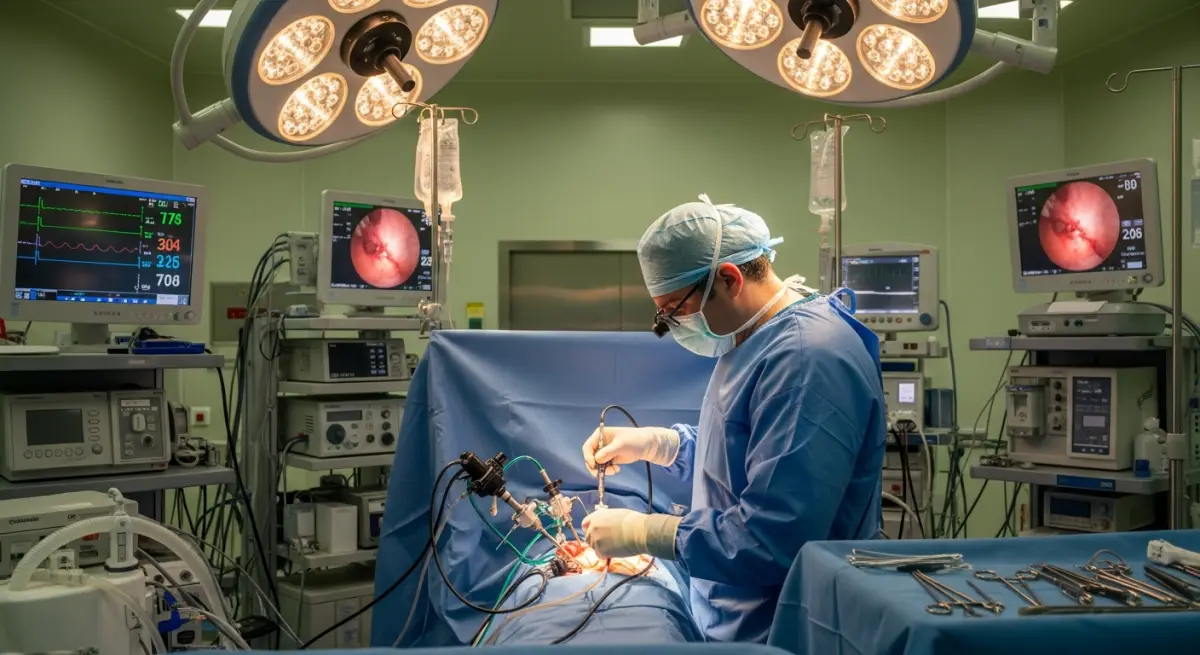
Kidney Transplant Costs in Turkey vs Other Countries
Cost transparency is one of the qualities that distinguishes Turkey's leading transplant hospitals from their Western counterparts. Unlike the US system, where surgical billing, anaesthesia, pathology, imaging, and pharmacy charges are often invoiced separately and can arrive as shock bills months after discharge, Turkish hospitals — particularly those catering to international patients — offer all-inclusive packages with clearly itemised pricing before you arrive. Understanding exactly what is included in any quoted price is essential, and the breakdown below reflects what premium Turkish transplant centres typically cover.
- Pre-transplant evaluation: blood typing, HLA tissue matching, crossmatch testing, full metabolic panel, viral serology (HIV, hepatitis B&C, CMV, EBV)
- Donor evaluation: kidney function tests, CT angiography of donor kidneys, psychological and ethics assessment
- Surgical procedure: surgeon fees, anaesthesia, operating theatre, perfusion team
- ICU monitoring: typically 1–3 days post-surgery
- Ward stay: 7–14 days total depending on recovery progress
- First-month immunosuppressive medications (tacrolimus, mycophenolate, prednisolone)
- Graft function monitoring: daily creatinine checks, Doppler ultrasound of new kidney
- Hospital discharge kit: full medication instructions, lab monitoring schedule, telemedicine follow-up details
Kidney Transplant Cost in Turkey vs Other Countries (2026)
| Country | Living Donor (€) | Deceased Donor (€) | Savings vs UK |
|---|---|---|---|
| 🇹🇷 Turkey | €30,000 – €45,000 | €40,000 – €55,000 | Up to 85% |
| 🇬🇧 United Kingdom | €85,000 – €120,000 | €95,000 – €130,000 | — |
| 🇺🇸 United States | €250,000 – €380,000 | €280,000 – €420,000 | N/A |
| 🇩🇪 Germany | €70,000 – €110,000 | €80,000 – €120,000 | Up to 60% |
| 🇮🇳 India | €12,000 – €25,000 | €18,000 – €35,000 | Up to 90% |
| 🇹🇭 Thailand | €22,000 – €40,000 | €30,000 – €50,000 | Up to 75% |
| 🇵🇱 Poland | €35,000 – €55,000 | €45,000 – €65,000 | Up to 55% |
| 🇪🇸 Spain | €80,000 – €130,000 | €90,000 – €140,000 | Up to 35% |
Turkish prices typically include pre-transplant evaluation for donor and recipient, all surgical and anaesthesia fees, 7–14 nights hospital stay, ICU monitoring, immunosuppressive medications for the first month, and initial follow-up appointments. Long-term medication costs (approximately €3,000–€6,000/year) are additional.
It is worth noting that the cost gap between Turkey and India, while still significant, is narrower than many patients expect when total trip costs are factored in. Travel from Europe or North America to Turkey is considerably shorter and cheaper than to India or Thailand. Flight times from London to Istanbul average just three to four hours, and there is no significant time zone difference for most European patients. When you add flight costs, accommodation for accompanying family members, and visa requirements, Turkey often represents the best overall value for European kidney transplant patients. For patients from the Middle East, Turkey's proximity makes it an even more compelling choice.
Get personalised pricing from Turkey's top JCI-accredited kidney transplant hospitals. Our medical coordinators will compare packages from multiple centres and help you choose the right fit.
Get Free QuoteTop Hospitals for Kidney Transplant in Turkey
Acıbadem Maslak Hospital in Istanbul is widely regarded as Turkey's flagship transplant destination. The hospital's Organ Transplant Centre has performed over 5,000 kidney transplants since its establishment, with outcomes that consistently rank among the best in Europe. The centre benefits from a fully integrated multidisciplinary team — transplant surgeons, nephrologists, urologists, infectious disease specialists, immunologists, and transplant coordinators — all housed under one roof. The hospital's investment in robotic-assisted surgery has further refined the donor nephrectomy procedure, reducing donor recovery time to under two weeks in most cases. Acıbadem Maslak holds JCI accreditation and is a member of the prestigious European Renal Association, underscoring its commitment to the highest international standards.
Memorial Şişli Hospital is another Istanbul powerhouse, particularly renowned for its expertise in ABO-incompatible kidney transplantation and re-transplantation — procedures that are among the most technically demanding in all of transplant medicine. The hospital's transplant nephrology team maintains active research collaborations with leading European and American academic centres, ensuring that patients at Memorial benefit from the very latest evidence-based protocols. Memorial's international patient office provides comprehensive logistics support: airport pickup, hotel-to-hospital transfers, medical translation services, and a dedicated coordinator who remains available 24 hours a day throughout the patient's stay. The hospital also maintains a digital patient portal that gives international patients access to their real-time lab results, imaging reports, and medication schedules from anywhere in the world.
Anadolu Medical Center, located in Gebze near Istanbul, brings an additional dimension to Turkey's transplant landscape through its formal affiliation with Johns Hopkins Medicine. This partnership means that Anadolu's transplant protocols are developed and reviewed in collaboration with one of the world's most respected academic medical institutions. Patients who choose Anadolu gain access to a team trained at both Turkish and American centres, with the cultural fluency to communicate effectively with Western patients and their home physicians. The hospital's annual transplant volume has grown steadily year on year, reflecting growing trust from both domestic and international patients.
Başkent University Hospital in Ankara is perhaps Turkey's most academically distinguished transplant centre. As a teaching hospital with an active PhD research programme in transplant immunology, Başkent offers patients access to cutting-edge desensitisation therapies and clinical trials for difficult-to-treat rejection episodes. The hospital's kidney transplant programme has the longest continuous operational history in Turkey, giving it an unmatched depth of experience with complex cases including highly sensitised recipients and paediatric transplants. For patients from the Gulf region or Central Asia, Ankara's international airport offers direct flight connections that make Başkent a particularly accessible option.
How to Choose a Safe Surgeon & Clinic in Turkey
The most important safeguard for any patient considering kidney transplant in Turkey is choosing a JCI-accredited hospital. Joint Commission International — the global arm of The Joint Commission, which accredits US hospitals — evaluates Turkish hospitals against the same rigorous standards applied in North America and Western Europe. As of 2026, there are over 75 JCI-accredited hospitals in Turkey, more than in any other country outside the United States. JCI accreditation means the hospital has demonstrated excellence in patient safety, infection control, medication management, and quality improvement — areas that are directly relevant to transplant outcomes. You can verify a hospital's current accreditation status at jointcommissioninternational.org before committing.
Surgeon credentials are equally important. Turkey's leading transplant surgeons typically hold board certification from the Turkish Surgical Association, have completed fellowships at European or American transplant centres, and are members of international professional bodies such as the Transplantation Society (TTS) or the European Society for Organ Transplantation (ESOT). Do not hesitate to ask your coordinator for your surgeon's CV and a list of their last 100 personal cases before agreeing to proceed. Established surgeons will welcome this scrutiny; it is a sign of a serious patient.
- Verify JCI accreditation status on the Joint Commission International website
- Confirm the hospital performs at least 100 kidney transplants per year
- Request the surgeon's personal case volume and complication rate
- Ask whether the hospital has a dedicated transplant nephrology team on-site 24/7
- Check that the hospital has an established international patient department with English-speaking staff
- Confirm what happens if a complication occurs — what is the escalation pathway and ICU capacity?
- Ensure a formal written package agreement is provided before any payments are made
Am I a Candidate? Eligibility & Pre-Transplant Evaluation
Kidney transplantation is the treatment of choice for end-stage renal disease (ESRD), offering patients a dramatically better quality of life and longer life expectancy compared to long-term dialysis. In general, adult patients under 75 years of age with ESRD caused by any underlying condition — including diabetic nephropathy, hypertensive nephrosclerosis, IgA nephropathy, polycystic kidney disease, lupus nephritis, or chronic glomerulonephritis — are potential transplant candidates. The evaluation process is designed to identify whether a patient can safely undergo the surgery and whether they have the physical and psychological resources to adhere to the life-long immunosuppressive regimen that follows.
The pre-transplant evaluation at a Turkish centre typically begins with a telemedicine consultation, during which the transplant nephrologist reviews the patient's current renal function, dialysis history, co-morbidities, and medication list. If initial assessment suggests the patient is a suitable candidate, the hospital will issue a detailed list of tests to be completed at the patient's home country. These tests — which include HLA tissue typing, crossmatch with the potential donor's blood, cardiac evaluation, cancer screening, dental clearance, and infectious disease panels — can usually be coordinated through the patient's local hospital or GP. Results are then reviewed by the Turkish transplant team, who provide a comprehensive written opinion and a preliminary surgical plan before the patient travels.
The living donor evaluation runs in parallel and is equally rigorous. The donor must be aged 18–65, in good health, with two functioning kidneys of adequate size and normal anatomy on imaging. A formal ethics committee review is required at all Turkish transplant centres, ensuring that donation is voluntary and that the donor fully understands the risks and long-term implications. This committee process typically adds two to three days to the in-country timeline but is a critical safeguard for donor welfare. Donors who pass all medical and ethical assessments can expect an uneventful recovery, returning to desk work within two to three weeks of laparoscopic donor nephrectomy.
How Kidney Transplant Works in Turkey: Step by Step
Understanding the full journey from first enquiry to post-operative follow-up helps patients plan effectively and reduces anxiety. The process at a leading Turkish transplant centre typically unfolds across five distinct phases, with the in-country portion usually lasting three to four weeks for a living donor transplant.
- Phase 1 – Remote Consultation (1–2 weeks): Telemedicine review with transplant nephrologist and surgeon. Submission of medical records, blood work, and imaging. Preliminary eligibility decision and cost estimate issued.
- Phase 2 – Pre-Travel Testing (2–4 weeks): HLA typing and crossmatch blood collection at local lab. Cardiac, pulmonary, and cancer screening as directed by the Turkish team. Visa application and travel planning with hospital coordinator support.
- Phase 3 – In-Country Evaluation (Days 1–5): Arrival and hotel or hospital accommodation arranged. Full in-person evaluation of donor and recipient. Ethics committee review for donor. Final surgical planning and consent process.
- Phase 4 – Surgery & Hospitalisation (Days 6–20): Laparoscopic donor nephrectomy (3–4 hours). Recipient kidney transplant surgery (3–5 hours). ICU monitoring for 1–3 days. Ward stay for further 10–14 days with daily renal function monitoring.
- Phase 5 – Post-Discharge Follow-Up (Weeks 3–4): Outpatient clinic visits every 2–3 days. Creatinine and tacrolimus level checks. Wound review and suture removal. Discharge summary and repatriation plan prepared by transplant team.
The surgical procedure itself involves placing the donor kidney in the recipient's pelvis (iliac fossa), rather than removing the diseased native kidneys. This extraperitoneal approach keeps the surgery less invasive, speeds recovery, and avoids the risks of abdominal entry. The new kidney's artery is connected to the recipient's external iliac artery, the vein to the external iliac vein, and the ureter is implanted directly into the bladder. In experienced hands at centres like Acıbadem Maslak Hospital, the procedure takes approximately three to four hours, and the new kidney typically begins producing urine on the operating table — a moment transplant surgeons describe as one of medicine's most rewarding sights.

Immunosuppressive therapy begins before surgery and continues for life. The standard Turkish protocol mirrors international guidelines: tacrolimus as the primary calcineurin inhibitor, mycophenolate mofetil as the antiproliferative agent, and prednisolone as the initial corticosteroid, tapered to the lowest effective dose over three to six months. Drug levels are monitored intensively in the first weeks post-transplant — daily during hospitalisation, then twice weekly for the first month, and monthly thereafter once stability is established. Turkish pharmacies stock all standard immunosuppressive medications, and hospital pharmacists provide detailed counselling to ensure patients understand their regimen before discharge.
Recovery Timeline After Kidney Transplant in Turkey
Recovery from kidney transplant is typically faster than patients expect, particularly for those who received a living donor kidney. The timeline below reflects the average experience at a leading Turkish centre, though individual recovery varies based on age, pre-existing conditions, and duration of prior dialysis.
- Day 1–3 (ICU): Close haemodynamic monitoring. Urinary catheter in place. IV immunosuppression converted to oral as tolerated. Physiotherapy begins with assisted sitting.
- Day 4–7 (Ward): Catheter usually removed on Day 4. Patient walking independently. Oral fluid and food intake increasing. Creatinine falling daily — typically reaches near-normal by Day 5–7 in living donor recipients.
- Day 8–14 (Ward/Discharge): Wound assessed. Sutures or staples removed. Full medication teaching. Discharge plan finalised with outpatient appointment schedule.
- Week 3–4 (Outpatient): Twice-weekly clinic visits. Tacrolimus levels adjusted. Urine infection surveillance. Most patients feeling significantly better than during dialysis.
- Month 2–3 (Home): Most patients return to office-based work. Driving permitted once abdominal wound comfortable (usually 6–8 weeks). Light exercise encouraged.
- Month 6–12: Annual transplant reviews established with home nephrologist. Physical activity progressively normalised. Immunosuppression doses may be reduced.
International patients travelling home after a Turkish kidney transplant should plan to fly no earlier than three weeks post-surgery for a living donor transplant, and four to five weeks for a deceased donor procedure, subject to their transplant team's clearance. Most Turkish transplant centres will provide a detailed transition-of-care document specifically formatted for the patient's home nephrologist, including operative notes, HLA results, crossmatch data, current drug levels, and a recommended monitoring schedule. Establishing contact with a local nephrologist before travelling for surgery is strongly advised, as seamless handover of care is one of the most critical factors in long-term transplant success.
I'd been on dialysis for four years with no prospect of a kidney in the UK. My coordinator at Flytocure helped me compare three Istanbul hospitals, and I chose Acıbadem for my living donor transplant with my brother. Six months on, my creatinine is normal and I'm back at work full time. It genuinely saved my life.
Mark T., kidney transplant recipient from Manchester, UK
Before & After: What to Realistically Expect
Most kidney transplant recipients describe the transformation in quality of life as profound and immediate. The removal of dialysis — with its three-to-four-sessions-per-week schedule, dietary restrictions, fluid limits, fatigue, and constant tethering to a machine — liberates patients in ways that are difficult to overstate. Within weeks of a successful transplant, most patients notice dramatic improvements in energy levels, appetite, sleep quality, cognitive sharpness, and libido. Fluid restrictions are lifted. Dietary limitations are eased. Travel becomes possible again. Many patients describe their first post-transplant holiday as a deeply emotional milestone.
It is important, however, to set realistic expectations. A kidney transplant is not a cure — it is a treatment that requires life-long commitment. Immunosuppressive medications must be taken every day without fail, as missing doses can trigger rejection even years after transplant. Side effects of long-term immunosuppression, including increased infection susceptibility, skin cancer risk, hypertension, and bone density loss, require ongoing monitoring and management. Annual skin checks, regular cancer screening appropriate to age, bone density scans, and cardiovascular risk assessment should all be incorporated into the long-term care plan. The new kidney may last 15–20 years or longer if managed well, with some patients enjoying graft function for 30 years or more.
Ready to take the next step? Connect with Flytocure's specialist kidney transplant coordinators for a free consultation and personalised hospital shortlist.
Get Free QuoteFrequently Asked Questions
Frequently Asked Questions
How much does a kidney transplant cost in Turkey?
A living donor kidney transplant in Turkey costs approximately €30,000–€45,000 at JCI-accredited hospitals such as Acıbadem Maslak, Memorial Şişli, and Anadolu Medical Center. This price typically includes all pre-transplant evaluations for donor and recipient, the surgical procedure, ICU monitoring, 7–14 nights in hospital, and the first month of immunosuppressive medications. Deceased donor transplants range from €40,000–€55,000. Long-term immunosuppression (approximately €3,000–€6,000 per year) and annual follow-up costs are additional.
Can a foreigner get a kidney transplant in Turkey?
Yes. International patients are welcome at Turkey's leading transplant hospitals, provided they bring a compatible living donor. Turkish law requires that living donors be related to the recipient by blood or marriage, or approved by an independent ethics committee in the case of altruistic donation. Deceased donor transplants for international patients are generally not available in Turkey, as the national organ allocation system prioritises Turkish citizens and legal residents. Your Flytocure coordinator can advise you on donor eligibility requirements specific to your situation.
How long do I need to stay in Turkey after a kidney transplant?
Plan for a total in-country stay of 4–5 weeks: approximately 5–7 days of pre-operative evaluation, 12–16 days of hospitalisation after surgery, and 7–10 days of outpatient follow-up before being cleared to fly home. Most Turkish transplant centres will not approve international travel before the third post-operative week for uncomplicated living donor cases. Travel before this point significantly increases the risk of deep vein thrombosis and delayed detection of early rejection.
What is the success rate for kidney transplant in Turkey?
Turkey's leading transplant centres report one-year graft survival rates of 96–98% for living donor kidney transplants and 92–95% for deceased donor transplants — figures that are comparable to, and in some cases better than, many leading European and North American centres. Five-year graft survival rates at major Turkish hospitals exceed 85% for living donor recipients. These outcomes reflect the high volume of procedures performed, experienced multidisciplinary teams, and adherence to international transplant protocols.
Is Turkey safe for kidney transplant surgery?
Yes, when you choose a JCI-accredited hospital. Turkey has more JCI-accredited hospitals than any country outside the United States, and the country's transplant centres are regulated by both the Turkish Ministry of Health and international professional bodies including the European Society for Organ Transplantation (ESOT). Leading hospitals such as Acıbadem Maslak and Memorial Şişli have published outcome data, international research affiliations, and dedicated patient safety programmes. As with any major surgery, risk exists, but at accredited Turkish centres, complication and mortality rates are consistent with international benchmarks.
Who can be a kidney donor in Turkey?
In Turkey, living kidney donors must be aged 18–65, in good general health, and related to the recipient by blood (parents, siblings, children, aunts, uncles, cousins) or by marriage (spouse). Altruistic unrelated donation is possible but requires approval from an independent ethics committee, which adds two to four weeks to the process. All donors undergo a comprehensive medical evaluation including kidney function tests, CT angiography, blood type and crossmatch testing, psychological assessment, and a formal ethics review to confirm that donation is entirely voluntary.
Will my kidney transplant be recognised by my home country's healthcare system?
Yes. Kidney transplants performed at accredited international hospitals are universally recognised. Your Turkish transplant centre will provide a comprehensive discharge package including operative reports, pathology results, HLA and crossmatch data, current medication levels, and a recommended follow-up schedule formatted for your home nephrologist. Most patients find that their local healthcare team is experienced in managing transplant patients and accepts the Turkish hospital's documentation without difficulty. Flytocure provides transition-of-care support to help facilitate the handover.
How does Turkey compare to India for kidney transplant?
India is the least expensive option (€12,000–€25,000) and has excellent transplant programmes at centres like Apollo and Fortis. However, for European patients, Turkey offers comparable quality at a modestly higher price with significant practical advantages: 3–4 hour flights from most European cities, no significant jet lag, European food and cultural familiarity, and easier communication for follow-up care. Both countries are strong options; the right choice depends on your donor's availability, budget, and logistics preferences. Flytocure can compare packages from both countries to help you decide.