Heart Transplant Overview
Heart transplantation remains the definitive treatment for end-stage heart failure when all other medical and surgical options have been exhausted. This extraordinary procedure involves replacing the patient's failing heart with a healthy heart from a deceased donor, restoring normal cardiac function and giving patients a renewed chance at life. Since the first successful human heart transplant performed by Dr. Christiaan Barnard in 1967, the field has advanced enormously, with modern one-year survival rates exceeding 85 percent and median post-transplant survival approaching 15 years at leading centers worldwide. The procedure is one of the most complex in medicine, requiring a highly specialized team of cardiac surgeons, cardiologists, anesthesiologists, perfusionists, transplant coordinators, and intensive care specialists.
The demand for heart transplants far exceeds the supply of donor hearts globally. In the United States, approximately 3,500 heart transplants are performed annually, while an estimated 100,000 patients could potentially benefit from the procedure. This severe organ shortage means that many patients wait months to years for a suitable heart, during which time they may deteriorate significantly or require mechanical circulatory support devices such as left ventricular assist devices to maintain cardiac output. The waiting time, combined with the astronomical cost of heart transplantation in the US, which exceeds one million dollars, has led some patients to explore options abroad where specialized cardiac transplant programs may offer shorter wait times and significantly lower costs.
International heart transplant programs have matured considerably over the past two decades, with centers in Turkey, India, South Korea, and other countries developing world-class capabilities that attract patients from around the globe. Hospitals like Acıbadem Maslak Hospital in Istanbul have invested heavily in cardiac transplant infrastructure, including advanced cardiac operating theaters, dedicated transplant ICUs with continuous hemodynamic monitoring, and specialized cardiac rehabilitation programs. These centers employ transplant cardiologists and cardiac surgeons with training and experience at leading Western institutions, bringing international expertise to bear on every case they treat.
Who Needs a Heart Transplant?
Heart transplantation is considered for patients with severe heart failure that is refractory to optimal medical therapy. The most common conditions leading to heart transplant include dilated cardiomyopathy, which accounts for approximately 50 percent of all heart transplants, and ischemic cardiomyopathy resulting from coronary artery disease, which accounts for another 35 to 40 percent. Less common indications include hypertrophic cardiomyopathy, restrictive cardiomyopathy, congenital heart disease, valvular heart disease that has progressed beyond surgical repair, and cardiac amyloidosis. Patients are typically evaluated for transplant when they have New York Heart Association Class III or IV heart failure symptoms despite maximum medical therapy, an ejection fraction below 20 to 25 percent, and recurrent hospitalizations for heart failure decompensation.
The evaluation process for heart transplant candidacy is extensive and involves assessment of all major organ systems. Potential recipients undergo comprehensive cardiac testing including echocardiography, cardiac catheterization, right heart catheterization to measure pulmonary pressures, and cardiopulmonary exercise testing to objectively quantify functional capacity. Non-cardiac evaluation includes assessment of kidney function, liver function, pulmonary function, and screening for active infections, cancer, and other conditions that could compromise transplant outcomes. Psychosocial evaluation assesses the patient's mental health, social support network, substance use history, and likelihood of medication adherence, as post-transplant care requires lifelong commitment to a complex medication regimen and regular follow-up.
Age is an important consideration but is not an absolute barrier to heart transplantation. Most centers consider patients up to age 65 to 70, with some extending eligibility to carefully selected patients in their early seventies who are otherwise in good health. At international centers like Memorial Şişli Hospital, each patient is evaluated individually, with decisions based on biological age and overall fitness rather than chronological age alone. Contraindications to heart transplant include active or recent cancer within the past five years, irreversible severe kidney or liver disease unless combined transplant is planned, active systemic infection, severe peripheral or cerebrovascular disease, and active substance abuse. Patients with elevated pulmonary vascular resistance may be considered for combined heart-lung transplant or may require bridging therapy to reduce pulmonary pressures before transplant.
Cost Comparison by Country
Heart transplantation is among the most expensive surgical procedures in medicine, and the cost varies dramatically depending on where the procedure is performed. In the United States, the total cost of a heart transplant, including pre-transplant evaluation, the surgical procedure, hospitalization, and the first year of post-transplant care, routinely exceeds one million dollars and can reach $1.5 million in complex cases. These costs encompass surgeon and specialist fees, operating room charges, cardiopulmonary bypass equipment, ICU stay averaging two to four weeks, regular ward hospitalization, blood products, medications including expensive immunosuppressive agents, and extensive follow-up care. Even with comprehensive insurance, out-of-pocket costs can reach hundreds of thousands of dollars, creating devastating financial consequences for patients and their families.
Heart Transplant Cost Comparison 2025
| Country | Total Cost | Hospital Stay | Savings vs USA |
|---|---|---|---|
| USA | $1,000,000 - $1,500,000 | 2-4 weeks | — |
| Turkey | $120,000 - $200,000 | 2-4 weeks | Up to 85% |
| India | $60,000 - $120,000 | 2-4 weeks | Up to 92% |
| Germany | $300,000 - $500,000 | 2-3 weeks | Up to 65% |
| South Korea | $200,000 - $350,000 | 2-3 weeks | Up to 75% |
| Thailand | $80,000 - $150,000 | 2-4 weeks | Up to 88% |
| Israel | $200,000 - $350,000 | 2-3 weeks | Up to 75% |
| Spain | $250,000 - $400,000 | 2-3 weeks | Up to 70% |
Prices include pre-transplant evaluation, surgery, ICU and hospital stay, and initial immunosuppression. VAD bridge therapy and extended waiting costs are additional.
Turkey has developed competitive heart transplant programs with costs ranging from $120,000 to $200,000, representing savings of up to 85 percent compared to US prices. Acıbadem Maslak Hospital and Memorial Şişli Hospital offer comprehensive cardiac transplant services with experienced teams, modern operating theaters, and dedicated cardiac ICUs. India provides even more affordable options at $60,000 to $120,000, with centers like Apollo Gleneagles Hospital performing heart transplants with excellent outcomes. The significant cost savings at international centers do not compromise quality, as these hospitals maintain stringent standards of care and employ cardiac surgeons with extensive training and experience in transplantation.
Exploring heart transplant options abroad? Connect with leading cardiac transplant centers for a free consultation and cost estimate.
Get Free QuoteTop Heart Transplant Hospitals Abroad
Acıbadem Maslak Hospital in Istanbul is one of Turkey's foremost cardiac transplant centers, with a comprehensive program that covers the full spectrum of advanced heart failure management. The hospital's cardiac surgery department is equipped with hybrid operating rooms featuring advanced imaging capabilities, extracorporeal membrane oxygenation support, and ventricular assist device implantation capabilities for patients requiring mechanical circulatory support as a bridge to transplant. The transplant team includes cardiac surgeons who have completed fellowships at leading European and American centers, transplant cardiologists with expertise in advanced heart failure management, and a dedicated transplant coordinator who guides international patients through every step of the process.
Memorial Şişli Hospital offers another premier destination for cardiac transplantation in Turkey, with a track record of complex cases and innovative approaches to heart failure management. The hospital maintains a comprehensive mechanical circulatory support program, including temporary and durable ventricular assist devices, which serves as a critical bridge to transplant for patients with deteriorating heart function. Anadolu Medical Center, with its Johns Hopkins Medicine partnership, brings American-standard cardiac care protocols to Turkey, offering patients an alternative pathway to world-class heart transplantation at a fraction of US costs.

The Heart Transplant Procedure
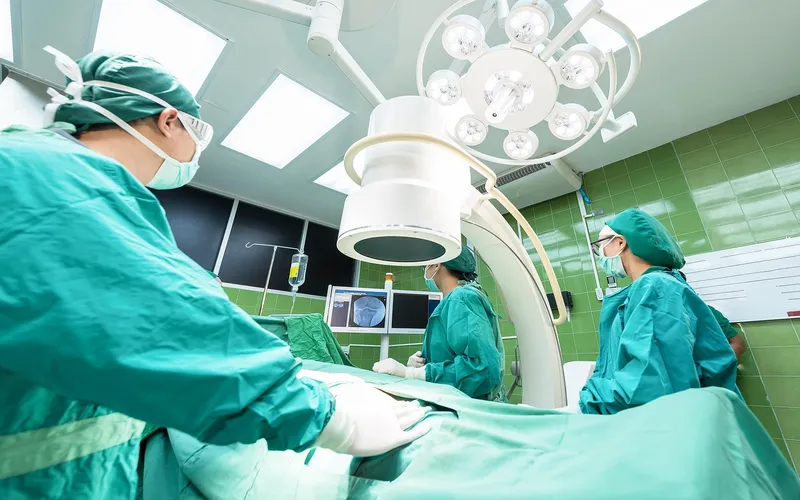
The heart transplant procedure is a complex surgical operation that typically takes four to eight hours to complete. The surgery begins with a median sternotomy, where the surgeon opens the chest through the breastbone to access the heart. The patient is then placed on cardiopulmonary bypass, a machine that takes over the functions of the heart and lungs during the procedure, circulating and oxygenating the blood while the native heart is removed. The diseased heart is carefully excised, leaving portions of the left and right atria to which the donor heart will be connected. The donor heart, which has been preserved in a cold preservation solution during transport, is then implanted by connecting the atria, pulmonary artery, and aorta of the donor heart to the corresponding structures of the recipient.
Once all connections are made and checked for leaks, the new heart is gradually warmed and begins to beat, either spontaneously or with the help of temporary pacing. The patient is gradually weaned from cardiopulmonary bypass as the new heart assumes the work of pumping blood throughout the body. Temporary epicardial pacing wires are placed on the heart surface, and chest drainage tubes are positioned before closing the sternum with stainless steel wires and suturing the skin. The patient is then transferred to the cardiac transplant ICU, where continuous monitoring of heart function, hemodynamic parameters, respiratory status, kidney function, and neurological status begins immediately.
Perioperative management at centers like Acıbadem Maslak Hospital includes advanced hemodynamic monitoring using pulmonary artery catheters and transesophageal echocardiography, aggressive immunosuppressive induction therapy to prevent hyperacute and acute rejection, prophylactic antimicrobial therapy to prevent opportunistic infections, and careful fluid and electrolyte management. Early endomyocardial biopsy, typically performed within the first two weeks, provides histological evidence of graft function and helps detect early signs of rejection. The first 48 to 72 hours after surgery are the most critical, and patients require one-on-one nursing care with continuous telemetry monitoring and immediate access to the transplant surgical team.
Recovery & Long-Term Care
Recovery from heart transplantation follows a carefully structured pathway designed to optimize the function of the new heart while minimizing complications. Most patients spend two to five days in the cardiac ICU before transferring to a step-down unit, where they begin progressive mobilization under the supervision of cardiac rehabilitation specialists. Early physical therapy focuses on breathing exercises, gentle ambulation, and gradual restoration of functional capacity. The total initial hospital stay typically ranges from two to four weeks, during which patients learn about their new medication regimen, dietary modifications, activity guidelines, and the signs and symptoms of rejection that require immediate medical attention.
Cardiac rehabilitation is an essential component of post-transplant recovery, helping patients rebuild their physical fitness and confidence after surgery. The transplanted heart is initially denervated, meaning it lacks the normal nerve connections that regulate heart rate in response to activity. As a result, transplant recipients must learn to warm up gradually before exercise and cool down slowly afterward, as their heart rate response to exertion is delayed compared to normal hearts. Over time, partial reinnervation may occur, and most patients achieve near-normal exercise capacity within six to twelve months. Regular cardiac imaging and endomyocardial biopsies during the first year provide ongoing assessment of heart function and rejection surveillance.
Long-term care after heart transplantation requires lifelong commitment to immunosuppressive therapy, regular medical follow-up, and a healthy lifestyle. The immunosuppressive regimen typically includes a combination of tacrolimus, mycophenolate, and initially prednisone, with doses carefully adjusted based on rejection biopsy results and drug level monitoring. Patients face increased long-term risks of infection, cancer (particularly skin cancer and lymphoproliferative disorders), kidney disease, diabetes, hypertension, and coronary allograft vasculopathy, a unique form of coronary artery disease that affects the transplanted heart. Annual comprehensive evaluations at centers like Memorial Şişli Hospital include coronary angiography, echocardiography, cancer screening, and metabolic assessment to detect and manage these potential complications early.
My heart transplant in Istanbul was the most profound experience of my life. The cardiac team treated me with extraordinary skill and compassion, and today I have a new heart and a new lease on life. The cost savings made this possible for my family.
James T., heart transplant recipient from Australia
Frequently Asked Questions
Frequently Asked Questions
How long can I expect to live after a heart transplant?
Modern heart transplant outcomes are excellent, with median survival approaching 15 years at leading centers. Many patients live 20+ years with good care. One-year survival exceeds 85-90% and five-year survival is 75-80% at top international centers.
How long is the waiting time for a heart abroad?
Waiting times vary by country and blood type but are often shorter than in the US. Some international centers have waiting times of 3-12 months. Your transplant team will provide realistic timeline expectations based on your specific situation.
Can I travel internationally after a heart transplant?
Yes, most heart transplant recipients can travel after 6-12 months with proper clearance from their cardiologist. Travel precautions include carrying medications, wearing medical identification, and avoiding areas with high infection risk.
What lifestyle changes are needed after heart transplant?
Key changes include lifelong medication adherence, regular exercise, heart-healthy diet, sun protection, avoiding infections, and regular medical check-ups. Most patients return to normal activities including work within 3-6 months.
Is a second heart transplant possible?
Yes, re-transplantation is possible for patients experiencing chronic graft failure or severe cardiac allograft vasculopathy. However, outcomes are generally slightly lower than first transplants, and careful evaluation is needed. Many international centers have experience with re-transplantation.