What Is Corneal Transplant?
Corneal transplantation, also known as keratoplasty, is a surgical procedure that replaces a damaged or diseased cornea with healthy corneal tissue from a deceased donor. The cornea is the clear, dome-shaped front surface of the eye that plays a crucial role in focusing light onto the retina. When the cornea becomes clouded, scarred, swollen, or irregularly shaped due to disease, injury, or inherited conditions, vision can be severely impaired. Corneal transplantation is one of the most commonly performed and successful organ transplant procedures worldwide, with over 185,000 procedures performed globally each year. The success rate for corneal transplants ranges from 85 to 95 percent for first-time grafts, making it one of the most reliable transplant procedures available.
The conditions that may require corneal transplantation are diverse and can affect patients of any age. Keratoconus, a progressive thinning and bulging of the cornea, is one of the most common indications, particularly in younger patients. Fuchs' endothelial dystrophy, which causes progressive swelling and clouding of the cornea due to failure of the endothelial cell layer, typically affects patients over 50 and is the leading indication for corneal transplant in developed countries. Other conditions include corneal scarring from infection (bacterial, viral, or fungal keratitis), chemical or thermal burns, traumatic corneal injuries, previous unsuccessful refractive surgery, and hereditary corneal dystrophies. In many developing countries, infectious keratitis remains the most common cause of corneal blindness, often affecting younger working-age individuals.
The cost of corneal transplantation in the United States varies significantly depending on the type of procedure, but generally ranges from $13,000 to $35,000 per eye, including surgeon fees, facility charges, corneal tissue procurement, and follow-up care. For patients requiring bilateral transplants or those without adequate insurance coverage, these costs can be prohibitive. International ophthalmology centers in countries like Turkey, India, and Thailand offer the same procedures at 60 to 88 percent lower cost, performed by experienced corneal surgeons using donor tissue from reputable eye banks. Acıbadem Maslak Hospital in Istanbul, for example, has a comprehensive ophthalmology department with corneal specialists trained in the latest transplant techniques, providing patients with access to world-class eye care at a fraction of Western prices.
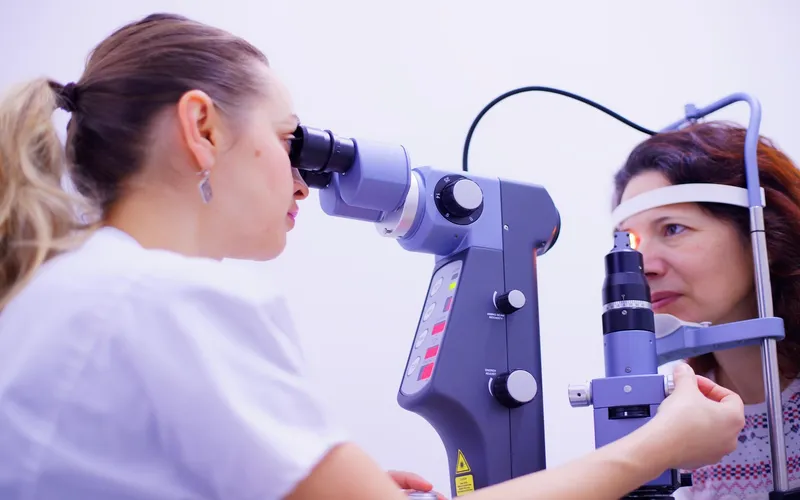
Types of Corneal Transplant Procedures
Penetrating keratoplasty, traditionally the standard corneal transplant technique, involves replacing the full thickness of the patient's damaged cornea with a corresponding full-thickness disc of donor corneal tissue. The procedure is performed under general or local anesthesia using a trephine to create circular cuts in both the recipient cornea and the donor tissue. The donor graft is then secured in place with fine sutures that remain in the eye for 12 to 18 months. PKP is still indicated for conditions that affect the entire corneal thickness, such as severe keratoconus, full-thickness scarring, and certain corneal dystrophies. While highly effective, PKP has a longer visual recovery period compared to newer partial-thickness techniques, with final visual acuity often not achieved until sutures are removed at 12 to 24 months post-surgery.
Descemet's Stripping Automated Endothelial Keratoplasty (DSAEK) and Descemet's Membrane Endothelial Keratoplasty (DMEK) are revolutionary partial-thickness techniques that selectively replace only the diseased inner layer of the cornea, leaving the patient's healthy outer layers intact. These procedures offer several advantages over traditional PKP, including faster visual recovery, reduced rejection risk, minimal refractive change, and greater structural integrity of the eye. DMEK, which transplants only the 15-micron thick endothelial layer, provides the fastest visual recovery and lowest rejection rates but requires considerable surgical expertise. Centers like Memorial Şişli Hospital have corneal surgeons with extensive experience in both DSAEK and DMEK, offering patients access to these advanced techniques at significantly lower costs than in the US or Western Europe.
Deep Anterior Lamellar Keratoplasty (DALK) is another selective transplant technique that replaces the front layers of the cornea while preserving the patient's own endothelial layer. This approach is ideal for conditions that affect only the corneal stroma, such as keratoconus and anterior corneal scarring, and offers the significant advantage of eliminating the risk of endothelial rejection since the patient's own endothelium is retained. Femtosecond laser-assisted keratoplasty is an emerging technology that uses precise laser cuts to create custom-shaped donor and recipient corneal edges, potentially improving wound healing, reducing astigmatism, and enabling earlier suture removal compared to traditional manual trephination techniques.
- Penetrating keratoplasty (PKP) — full-thickness corneal replacement for severe disease
- DSAEK — partial endothelial replacement with faster recovery than PKP
- DMEK — thinnest possible endothelial graft with best visual outcomes
- DALK — anterior layer replacement preserving patient's endothelium
- Femtosecond laser-assisted keratoplasty — laser-precise cuts for better outcomes
- Boston keratoprosthesis — artificial cornea for patients who failed traditional grafts
- Corneal cross-linking — collagen strengthening to halt keratoconus progression
Cost Comparison by Country
The cost of corneal transplantation abroad offers patients the opportunity to receive vision-restoring surgery at a fraction of Western prices. In the United States, a full-thickness penetrating keratoplasty typically costs between $15,000 and $30,000 per eye, while the more advanced DSAEK and DMEK procedures can range from $18,000 to $35,000 due to the specialized surgical expertise and equipment required. These prices include surgeon fees, facility charges, anesthesia, corneal tissue from an eye bank, and initial follow-up visits. For patients needing bilateral surgery, the total cost can easily exceed $50,000, representing a significant financial burden even for those with insurance coverage, as many plans have significant deductibles and co-insurance requirements for surgical procedures.
Corneal Transplant Cost Comparison 2025
| Country | PKP (Full) | DSAEK/DMEK | Savings vs USA |
|---|---|---|---|
| USA | $15,000 - $30,000 | $18,000 - $35,000 | — |
| Turkey | $3,000 - $6,000 | $4,000 - $8,000 | Up to 80% |
| India | $1,500 - $3,500 | $2,500 - $5,000 | Up to 88% |
| Thailand | $3,000 - $5,500 | $4,000 - $7,000 | Up to 80% |
| South Korea | $5,000 - $10,000 | $7,000 - $12,000 | Up to 65% |
| Mexico | $3,500 - $6,500 | $4,500 - $8,500 | Up to 75% |
| Germany | $8,000 - $15,000 | $10,000 - $18,000 | Up to 50% |
| Singapore | $6,000 - $12,000 | $8,000 - $15,000 | Up to 60% |
Prices are per eye and include surgery, corneal tissue, and initial follow-up. Accommodation and travel costs are additional.
Turkey offers some of the most attractive pricing for corneal transplantation worldwide, with full-thickness PKP available for $3,000 to $6,000 and endothelial procedures like DSAEK and DMEK for $4,000 to $8,000. These prices at leading facilities like Acıbadem Maslak Hospital include surgeon fees, operating room charges, corneal tissue procurement from certified eye banks, and initial post-operative care. India provides even more affordable options starting at $1,500 for basic PKP, making corneal transplantation accessible to patients from virtually any economic background. The significant cost savings do not reflect lower quality; rather, they result from lower operating costs, favorable exchange rates, and the efficiency of high-volume centers that perform these procedures daily.
Ready to restore your vision with corneal transplant abroad? Get free quotes from accredited ophthalmology centers worldwide.
Get Free Quote
Best Eye Centers for Corneal Transplant Abroad
Selecting the right eye center for corneal transplantation requires careful evaluation of the surgeon's experience with the specific technique recommended for your condition, the quality and source of donor corneal tissue, the facility's surgical equipment and post-operative care capabilities, and the center's track record with international patients. Acıbadem Maslak Hospital in Istanbul houses one of Turkey's premier ophthalmology departments, with corneal specialists who have performed thousands of keratoplasty procedures using all modern techniques including PKP, DSAEK, DMEK, and DALK. The department is equipped with the latest microsurgical instruments, femtosecond lasers for precision cuts, and advanced diagnostic equipment including corneal topography, specular microscopy, and anterior segment OCT for comprehensive pre and post-operative assessment.
Memorial Şişli Hospital offers another excellent option for corneal transplantation, with particular expertise in complex cases including re-grafts, pediatric keratoplasty, and cases complicated by glaucoma or previous vitreoretinal surgery. The hospital maintains agreements with international eye banks for the procurement of high-quality donor corneal tissue, ensuring availability and tissue quality that meets the highest standards. Anadolu Medical Center completes Turkey's trio of outstanding corneal transplant destinations, with the added assurance of its Johns Hopkins Medicine affiliation and commitment to American-standard quality protocols.
Procedure & Recovery
The corneal transplant procedure is typically performed as outpatient or short-stay surgery under local or general anesthesia, depending on the technique used and the patient's preference. For penetrating keratoplasty, the entire procedure takes approximately 60 to 90 minutes, including preparation, corneal trephination, graft placement, and suturing. DSAEK and DMEK procedures are somewhat faster but require exceptional surgical precision, as the ultra-thin donor tissue must be positioned correctly against the recipient's cornea and secured in place using an air bubble that holds the graft against the inner corneal surface until it adheres naturally. Most patients experience minimal pain during the procedure due to effective anesthesia, though some pressure sensation is normal.
Post-operative recovery varies significantly by procedure type. PKP patients typically experience the longest recovery, with functional vision improving gradually over several months as the cornea heals and astigmatism stabilizes. Sutures are left in place for 12 to 18 months and are removed sequentially to optimize the corneal shape. DSAEK and DMEK patients generally experience much faster visual recovery, with many achieving good functional vision within two to four weeks for DSAEK and one to two weeks for DMEK. All patients require topical corticosteroid drops to prevent rejection, typically for at least one year and in some cases indefinitely at low doses. Prophylactic antibiotic drops are used for the first several weeks to prevent infection.
International patients at centers like Acıbadem Maslak Hospital typically need to remain near the hospital for five to seven days after surgery for initial follow-up visits, during which the surgeon assesses graft clarity, intraocular pressure, graft adhesion (for endothelial procedures), and overall eye health. After returning home, patients should arrange for regular follow-up with a local ophthalmologist, with visits typically scheduled at one month, three months, six months, and twelve months post-surgery. The transplant center provides comprehensive operative reports, post-operative instructions, and medication prescriptions that the patient's local eye doctor can use to guide ongoing management. Most patients can return to light activities within a few days but should avoid strenuous activity, swimming, and eye rubbing for at least four to six weeks.
Risks & Long-Term Outcomes
Corneal transplantation has one of the highest success rates of all organ transplant procedures, but it is not without risks. The most significant complication is corneal graft rejection, which occurs when the recipient's immune system recognizes the donor tissue as foreign and mounts an inflammatory response against it. Rejection can occur at any time after surgery but is most common during the first two years. The rejection rate varies by procedure type, with DMEK having the lowest risk at approximately 1 to 5 percent, DSAEK at 5 to 10 percent, and PKP at 10 to 20 percent. When detected early, most rejection episodes can be successfully treated with intensive topical corticosteroid therapy, preserving graft function.
Other potential complications include infection, glaucoma (elevated intraocular pressure), astigmatism particularly after PKP, graft failure due to endothelial cell loss over time, and recurrence of the original disease in the grafted tissue. Primary graft failure, where the donor cornea never clears after surgery, is rare but can occur if the donor tissue quality was suboptimal or if surgical complications arise. Long-term graft survival for first-time PKP is approximately 90 percent at five years and 70 to 80 percent at ten years, while endothelial procedures show similar or better long-term outcomes. Re-transplantation is possible if the initial graft fails, though success rates for repeat grafts are somewhat lower than for first-time procedures.
I was told I needed corneal transplants in both eyes and the cost in the US was going to be over $50,000. I had DMEK surgery in Istanbul for less than $10,000 total for both eyes, and my vision is now better than it has been in years. The ophthalmology team was outstanding.
Patricia L., bilateral corneal transplant recipient from Canada
Frequently Asked Questions
Frequently Asked Questions
How long does it take to see clearly after corneal transplant?
Recovery varies by procedure type. DMEK patients often see well within 1-2 weeks. DSAEK visual recovery takes 1-3 months. PKP requires the longest recovery at 6-18 months as the cornea heals and sutures are removed. Your surgeon will advise on expected timeline based on your specific case.
Will I need glasses after corneal transplant?
Most patients need some form of vision correction after transplant. DMEK and DSAEK cause minimal refractive change, while PKP often results in astigmatism requiring glasses or contact lenses. Some patients benefit from additional refractive procedures once the graft is fully healed.
How long does the transplanted cornea last?
First-time corneal grafts have 5-year survival rates of 85-95% and 10-year rates of 70-85% depending on the indication and technique. Some grafts last 20+ years. Regular follow-up and adherence to eye drop regimens maximize long-term graft survival.
Can I have LASIK after corneal transplant?
Yes, refractive surgery can be considered after the graft is fully healed and stable, typically 1-2 years after PKP. Techniques like PRK or topography-guided LASIK can address residual astigmatism or refractive errors. Your corneal surgeon will advise on timing and suitability.
Is there a risk the transplant will be rejected?
Yes, rejection is possible but treatable when caught early. Signs include redness, light sensitivity, decreased vision, and pain. DMEK has the lowest rejection rate (1-5%), followed by DSAEK (5-10%) and PKP (10-20%). Most rejection episodes respond to intensive steroid drops.