Understanding Epilepsy Surgery
Epilepsy affects approximately 50 million people worldwide, making it one of the most common neurological conditions globally. While anti-epileptic drugs (AEDs) effectively control seizures in about 70% of patients, the remaining 30% — roughly 15 million people — live with drug-resistant or refractory epilepsy. For these individuals, epilepsy surgery offers the possibility of seizure freedom or significant reduction in seizure frequency, dramatically improving quality of life, reducing medication burden, and in some cases eliminating the need for lifelong medication entirely.
The concept of epilepsy surgery has evolved dramatically since the first successful temporal lobectomy was performed in the 1950s. Today, advanced neuroimaging including high-resolution MRI, PET scans, SPECT imaging, and magnetoencephalography (MEG) allow epileptologists to precisely identify the seizure focus — the area of the brain where seizures originate. When the seizure focus can be localized and safely removed or disconnected without causing significant neurological deficits, surgical outcomes are often excellent, with seizure-free rates of 60-80% for temporal lobe epilepsy.
Despite these excellent outcomes, epilepsy surgery remains underutilized worldwide. In the United States, the average time from epilepsy diagnosis to surgical evaluation is an alarming 20 years, and fewer than 5% of eligible patients undergo surgery. The reasons include limited access to comprehensive epilepsy centers, long waiting lists, high costs, and insufficient awareness among patients and referring physicians. Medical tourism has emerged as a valuable pathway for patients in countries with limited epilepsy surgery infrastructure or prohibitively long wait times to access this life-changing treatment at a fraction of the cost.
Types of Epilepsy Surgery
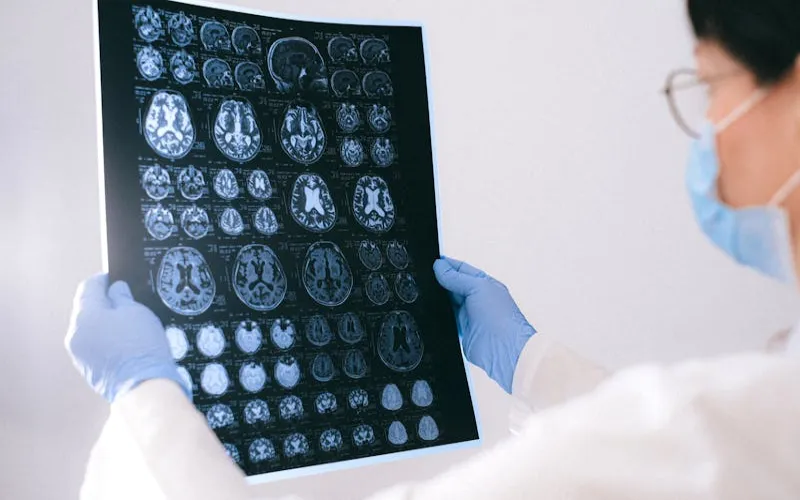
Several types of epilepsy surgery are available, and the appropriate procedure depends on the location and nature of the seizure focus, the patient's neurological function, and the results of pre-surgical evaluation. The most common and most successful procedure is anterior temporal lobectomy (ATL), which removes the front portion of the temporal lobe including the hippocampus and amygdala. This surgery is highly effective for mesial temporal lobe epilepsy (MTLE), the most common form of drug-resistant epilepsy in adults, with seizure-free rates of 60-80%.
Lesionectomy involves the targeted removal of a brain lesion that is causing seizures, such as a cavernous malformation, focal cortical dysplasia, or benign tumor. When the lesion is clearly identified on MRI and concordant with the seizure focus, lesionectomy achieves seizure-free rates of 70-90%. Cortical resection removes a broader area of epileptogenic cortex in cases where seizures arise from regions outside the temporal lobe (extratemporal epilepsy), though outcomes are generally less favorable than temporal lobe surgery.
- Anterior Temporal Lobectomy (ATL): Most common; 60-80% seizure-free rate for temporal lobe epilepsy
- Selective Amygdalohippocampectomy (SAH): Preserves more temporal lobe tissue; similar outcomes to ATL
- Lesionectomy: Targeted removal of seizure-causing lesions; 70-90% seizure-free rate
- Laser Interstitial Thermal Therapy (LITT): Minimally invasive MRI-guided laser ablation; shorter recovery
- Vagus Nerve Stimulation (VNS): Implanted device that reduces seizure frequency by 50% in many patients
- Responsive Neurostimulation (RNS): Brain-responsive device that detects and interrupts seizure activity
- Corpus Callosotomy: Disconnection surgery for drop attacks; palliative rather than curative
- Hemispherectomy: Removal or disconnection of one brain hemisphere; for severe unilateral epilepsy in children
Vagus nerve stimulation (VNS) is an alternative for patients who are not candidates for resective surgery. A small pulse generator is implanted under the collarbone and connected to the vagus nerve in the neck, delivering regular electrical pulses that reduce seizure frequency. While VNS rarely eliminates seizures completely, it reduces seizure frequency by 50% or more in about half of patients and can significantly improve quality of life. The device is manufactured by LivaNova and uses the same technology worldwide, making it an excellent option for medical tourists.
Cost Comparison by Country
The cost of epilepsy surgery varies enormously between countries, driven by differences in hospital operating costs, surgeon fees, insurance system structures, and the extent of pre-surgical evaluation included. In the United States, the total cost of epilepsy surgery — including the multi-week pre-surgical evaluation with video-EEG monitoring, neuroimaging, neuropsychological testing, the surgical procedure itself, and post-operative care — can range from $50,000 to over $150,000. Many insurance plans cover epilepsy surgery for eligible patients, but approval processes can be lengthy and out-of-pocket costs substantial.
Epilepsy Surgery Cost Comparison 2025
| Country | Temporal Lobectomy | VNS Implant | Savings vs USA |
|---|---|---|---|
| USA | $50,000 - $150,000 | $30,000 - $50,000 | — |
| India | $8,000 - $15,000 | $10,000 - $15,000 | Up to 85% |
| Turkey | $12,000 - $22,000 | $12,000 - $18,000 | Up to 75% |
| Germany | $20,000 - $35,000 | $18,000 - $25,000 | Up to 60% |
| Thailand | $10,000 - $20,000 | $12,000 - $20,000 | Up to 75% |
| South Korea | $15,000 - $28,000 | $15,000 - $22,000 | Up to 65% |
| Spain | $15,000 - $25,000 | $14,000 - $20,000 | Up to 70% |
Prices include pre-surgical evaluation (video-EEG monitoring, MRI), surgery, and hospital stay. Costs may vary based on the complexity of the procedure and length of monitoring required.
It's important to note that the pre-surgical evaluation is a critical component of epilepsy surgery and should not be shortchanged to save costs. Phase I evaluation (non-invasive) typically includes prolonged video-EEG monitoring (5-14 days), high-resolution 3T MRI, PET scan, neuropsychological testing, and sometimes MEG or SPECT. Phase II (invasive monitoring with intracranial electrodes) adds significant cost but is necessary in approximately 25-30% of surgical candidates. When comparing quotes from international clinics, ensure that all necessary evaluations are included.
Best Countries for Epilepsy Surgery
India stands out as one of the most cost-effective destinations for epilepsy surgery, with several internationally recognized epilepsy centers. Apollo Hospital Chennai and Global Hospitals & Health City in Chennai have dedicated epilepsy surgery programs with high case volumes and outcomes comparable to leading Western centers. Indian epileptologists have particular expertise in managing complex cases, including pediatric epilepsy and dual pathology cases, at a fraction of US costs.
Turkey offers a compelling combination of advanced medical technology and affordable pricing. Istanbul's JCI-accredited hospitals including Memorial Sisli Hospital and Acıbadem Maslak Hospital have epilepsy monitoring units equipped with the latest digital video-EEG systems and advanced neuroimaging capabilities. Turkish neurosurgeons are experienced in both resective surgery and neuromodulation techniques, and all-inclusive medical tourism packages simplify the logistics of a multi-week evaluation process.
Germany remains the gold standard for complex epilepsy surgery in Europe, with university hospitals like Charité University Hospital in Berlin maintaining world-class epilepsy programs. German centers excel in advanced diagnostic techniques including high-density EEG, MEG, and functional MRI mapping. While costs are higher than in Turkey or India, Germany offers unparalleled expertise for complex cases that require invasive monitoring or surgery near eloquent brain regions.
Living with uncontrolled seizures? Get free quotes from world-class epilepsy surgery centers and take the first step toward seizure freedom.
Get Free Epilepsy Surgery QuoteThe Pre-Surgical Evaluation Process
The pre-surgical evaluation is the most critical phase of epilepsy surgery, as it determines whether surgery is feasible, identifies the exact location of the seizure focus, and predicts the likely outcome and potential risks. This evaluation is a multi-step process that typically takes 2-4 weeks and involves a multidisciplinary team of epileptologists, neurosurgeons, neuroradiologists, neuropsychologists, and EEG technologists. The thoroughness of this evaluation directly impacts surgical success — rushing or skipping steps can lead to incomplete resection or unnecessary neurological deficits.
Phase I (non-invasive) evaluation begins with prolonged video-EEG monitoring, where the patient stays in an epilepsy monitoring unit for 5-14 days with continuous EEG recording and video surveillance. Anti-epileptic medications are gradually reduced to capture habitual seizures for analysis. The EEG patterns during seizures (ictal recordings) help localize the seizure onset zone. Simultaneously, the patient undergoes high-resolution 3T MRI to identify structural abnormalities like hippocampal sclerosis, cortical dysplasia, or tumors that may be causing seizures.
Additional Phase I tests may include PET (positron emission tomography) scan showing areas of reduced metabolism between seizures, ictal SPECT showing increased blood flow during seizures, magnetoencephalography (MEG) for magnetic source imaging, functional MRI to map language and motor areas, and Wada test (intracarotid amobarbital test) to determine language and memory lateralization. If Phase I results are concordant and clearly localize the seizure focus, the patient may proceed directly to surgery.
Phase II (invasive monitoring) is required when Phase I results are discordant or when the seizure focus is near eloquent brain regions (areas controlling language, motor function, or vision). Intracranial electrodes — either subdural grids/strips or stereo-EEG (SEEG) depth electrodes — are surgically implanted to record electrical activity directly from the brain surface. This provides much more precise seizure localization than scalp EEG. Stereo-EEG, a minimally invasive technique involving multiple thin depth electrodes inserted through small skull holes, has become increasingly popular and is available at most leading international epilepsy centers.
Recovery & Outcomes
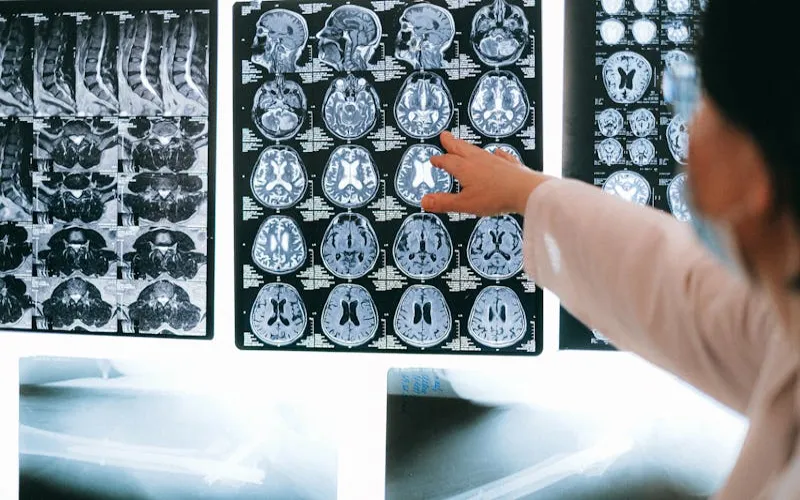
Recovery from epilepsy surgery depends on the type and extent of the procedure. After temporal lobectomy, most patients spend 3-5 days in the hospital and return to normal activities within 4-6 weeks. Headaches, fatigue, and mild neurological symptoms (such as temporary word-finding difficulties after dominant temporal lobe surgery) are common in the early recovery period but typically resolve within weeks to months. Heavy lifting and driving are restricted for 3-6 months, and anti-epileptic medications are usually continued for at least 1-2 years after surgery before considering gradual tapering under medical supervision.
Surgical outcomes for epilepsy are among the most rewarding in neurosurgery. For temporal lobe epilepsy, 60-80% of patients achieve seizure freedom (Engel Class I outcome), with an additional 10-15% experiencing significant seizure reduction. Extratemporal epilepsy surgery has lower but still meaningful seizure-free rates of 40-60%. Lesional cases (where a clear structural abnormality is found on MRI) generally have better outcomes than non-lesional cases. Long-term studies show that surgical benefits are durable, with the majority of patients remaining seizure-free at 5 and 10-year follow-up.
The impact of successful epilepsy surgery extends far beyond seizure control. Patients often experience dramatic improvements in quality of life, including the ability to drive, pursue employment and education, reduce or eliminate medications (and their side effects), and participate fully in social activities. Studies consistently show improvements in depression, anxiety, and cognitive function after successful surgery. For children, early surgical intervention can prevent the developmental consequences of ongoing seizures and allow normal neurocognitive development.
Every year of delay in referring drug-resistant epilepsy patients for surgical evaluation is a year of preventable seizures, cognitive decline, and diminished quality of life. Early surgery offers the best chance for optimal outcomes.
International League Against Epilepsy (ILAE)
Frequently Asked Questions
Who is a candidate for epilepsy surgery?
Patients with drug-resistant epilepsy (seizures not controlled by at least 2 appropriately chosen and tolerated anti-epileptic drugs) who have a localizable seizure focus that can be safely removed or disconnected are potential candidates. A comprehensive pre-surgical evaluation determines candidacy.
What is the success rate of epilepsy surgery?
Temporal lobe epilepsy surgery has a 60-80% seizure-free rate. Extratemporal surgery achieves 40-60% seizure freedom. Lesional cases (visible MRI abnormality) generally have better outcomes. VNS reduces seizure frequency by 50%+ in about half of patients.
How long is the pre-surgical evaluation?
Phase I (non-invasive) evaluation typically takes 2-3 weeks, including 5-14 days of video-EEG monitoring. Phase II (invasive monitoring) adds another 1-3 weeks if required. The entire process from initial consultation to surgery may span 4-8 weeks.
Can I stop taking epilepsy medications after surgery?
Many patients are able to reduce or stop medications 1-2 years after successful surgery, under careful medical supervision. The decision depends on seizure-free duration, EEG findings, and individual risk factors. Never stop medications without consulting your neurologist.
Is epilepsy surgery safe for children?
Yes, epilepsy surgery in children is both safe and effective, with outcomes often superior to adult surgery. Early surgical intervention can prevent the devastating effects of ongoing seizures on brain development. Specialized pediatric epilepsy centers have extensive experience with procedures like hemispherectomy for catastrophic childhood epilepsy.
How long do I need to stay abroad for epilepsy surgery?
Plan for a minimum 3-4 week stay: 1-2 weeks for pre-surgical evaluation (video-EEG monitoring and imaging), followed by surgery and 5-7 days of post-operative care, plus initial follow-up. If Phase II invasive monitoring is needed, add another 1-2 weeks.