What Is Telemedicine for Medical Tourism?
Telemedicine has fundamentally transformed how international patients plan and receive healthcare abroad. In 2026, telemedicine for medical tourists goes far beyond simple video calls — it encompasses comprehensive remote pre-screening, real-time specialist consultations, AI-assisted diagnostic reviews, and structured post-treatment follow-up programs delivered entirely through digital platforms. For patients considering dental implants, hair transplant, weight loss surgery, or complex oncology procedures, telemedicine has become the critical first step in the medical tourism journey.
According to a 2026 Global Medical Tourism Survey, 78 percent of patients who travel internationally for treatment now use at least one telemedicine consultation before booking. This shift represents a sea change in how clinics like American Hospital Istanbul, Acıbadem Maslak Hospital, and Memorial Şişli Hospital engage with prospective patients worldwide. The consultation happens at home; the treatment happens abroad. This model delivers the best of both worlds — local convenience combined with international excellence and affordability.
The rise of telemedicine in medical tourism is also driven by practical necessity. International patients often wait weeks or months between their initial inquiry and their travel date. Without remote access to their chosen specialist, patients are left uncertain about whether they are good candidates for their desired procedure, what documents and pre-operative tests they need to prepare, and exactly what the treatment plan will entail. Telemedicine closes this information gap, replacing anxiety and guesswork with professional guidance from the very doctor who will perform their procedure. Use our Health Cost Calculator to estimate savings once you have your virtual consultation quote.
Pre-Trip Virtual Consultations: What to Expect
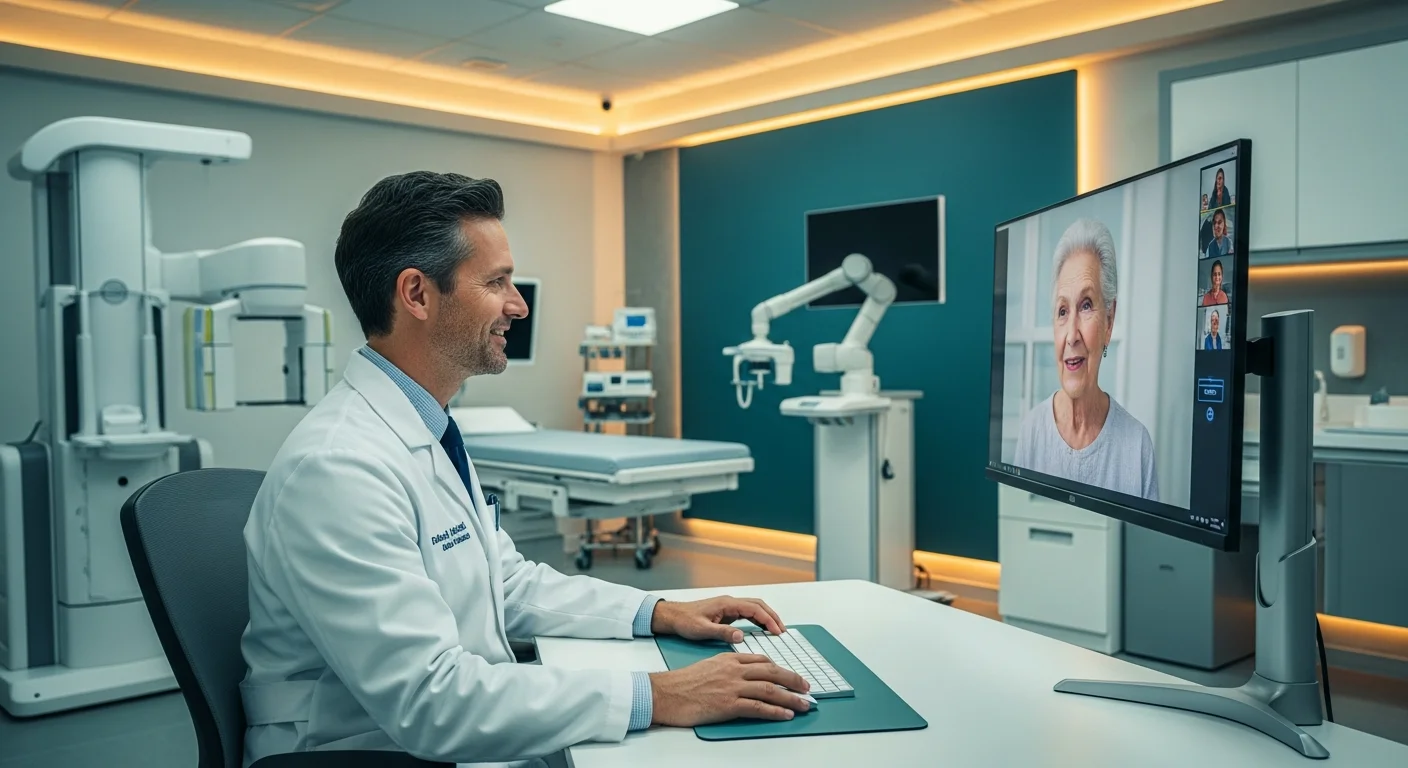
A pre-trip virtual consultation with an international specialist typically follows a structured format designed to gather maximum clinical information while respecting your time. The initial consultation usually runs 30–60 minutes and covers your complete medical history, current medications and allergies, specific treatment goals, a review of any imaging or laboratory results you share, and a preliminary discussion of the proposed treatment approach. Leading clinics in Turkey, Thailand, and Mexico have refined their telemedicine intake processes to mirror in-person specialist visits in depth and thoroughness.
For complex treatments such as IVF and fertility treatments, cardiac surgery, or knee replacement surgery, the initial virtual consultation often sets the stage for an extended remote assessment process. Your specialist may request that you undergo specific blood tests, imaging studies, or cardiac evaluations at a certified laboratory in your home country, and then share those results securely before a second telemedicine session finalises your treatment plan. This remote pre-operative pathway means that by the time you board your flight, every clinical decision has already been made — you arrive ready for treatment rather than spending your first days in medical consultations.
Patients exploring destinations like Turkey, Thailand, Mexico, and India will find that most internationally accredited hospitals now offer telemedicine services in English, Arabic, German, Russian, and French. The Interactive Clinic Map allows you to filter clinics by their language capabilities and telemedicine availability, helping you find a specialist who can communicate clearly in your preferred language.
- Complete medical history intake via secure patient portal
- Review of existing diagnostic imaging (X-rays, MRI, CT scans, ultrasounds)
- Specialist assessment and treatment recommendation
- Pre-operative testing requirements and instructions
- Detailed treatment plan, timeline, and cost estimate
- Visa letter and supporting documentation for medical travel
- Personalised pre-treatment preparation instructions
- Introduction to your in-country patient coordinator
Telehealth Platforms & Clinic Services in 2026
In 2026, international healthcare providers are investing heavily in proprietary telehealth platforms designed specifically for the medical tourism patient journey. Unlike general-purpose video conferencing tools, these platforms integrate securely with hospital electronic health records, enable encrypted sharing of medical images and laboratory results, support multi-party consultations involving the surgeon, anaesthesiologist, and patient coordinator simultaneously, and provide a persistent consultation history that follows the patient throughout their treatment journey. Acıbadem Maslak Hospital and Memorial Şişli Hospital both operate sophisticated multilingual patient portals with integrated telemedicine capabilities.
Third-party medical tourism platforms, including Flytocure Healthcare, provide additional telemedicine coordination services that sit above individual clinic platforms. When you submit an inquiry through Flytocure, our international patient coordinators can arrange simultaneous consultations with multiple clinics for the same procedure — allowing you to compare specialist approaches, proposed treatment plans, and pricing before committing to a specific provider. This comparison-shopping model for medical consultations is unique to the digital age and gives international patients unprecedented leverage in making informed treatment decisions.
Patients exploring FUE vs DHI hair transplant options, for example, can receive video consultations from specialists at multiple clinics, review personalised graft count assessments for their specific hair loss pattern, and compare techniques and pricing before making a decision — all from their living room. The same applies to patients comparing All-on-4 vs All-on-6 dental implant approaches or evaluating IVF with own eggs versus egg donation.
Ready to start your telemedicine consultation with a world-class international specialist? Submit your inquiry and our coordinators will arrange virtual consultations at no cost.
Get Free QuoteTelemedicine Consultation Costs Compared
Telemedicine Consultation Costs: International vs. In-Person 2026
| Consultation Type | In-Person (US/UK) | Telehealth (International Clinic) | Savings |
|---|---|---|---|
| Initial Specialist Consultation | $300 – $600 | $50 – $120 | Up to 80% |
| Pre-Surgical Assessment (Telehealth) | $400 – $800 | $80 – $180 | Up to 78% |
| Post-Op Follow-Up (30 min) | $200 – $400 | $30 – $80 | Up to 80% |
| Second Opinion Consultation | $250 – $500 | $60 – $130 | Up to 76% |
| Diagnostic Results Review | $150 – $300 | $40 – $90 | Up to 73% |
| Long-Term Management Follow-Up | $180 – $350 | $35 – $85 | Up to 76% |
International clinic telehealth costs are per session. Many clinics include 2–3 virtual follow-ups as part of treatment packages at no extra charge.
The cost savings from telemedicine consultations alone represent a compelling reason for international patients to begin their medical tourism journey digitally. A pre-surgical assessment with a US orthopaedic surgeon costs $400 to $800, while the same assessment via telehealth with an experienced Turkish or Thai specialist runs $80 to $180 — and in many cases is bundled at no charge within a comprehensive treatment package. Use our free cost calculator to model the full financial picture of your treatment abroad including consultations, procedure costs, accommodation, and flights.
Remote Follow-Up & Aftercare via Telehealth
The post-treatment phase is where telemedicine delivers some of its most significant value for medical tourists. Returning home after a major procedure — whether gastric sleeve surgery, rhinoplasty, or knee replacement — introduces a transition period where questions arise daily but your operating surgeon is thousands of miles away. Structured telehealth follow-up programs provided by your international clinic address this directly, providing scheduled video consultations at one week, two weeks, one month, and three months post-procedure.
During remote follow-up consultations, your international surgeon or specialist will review photographs of your healing progress (for visible procedures), assess your symptom reports, review any local laboratory results, adjust medications or supplements as needed, and advise on activity progression. For bariatric surgery patients, remote dietitian consultations are typically included at regular intervals to support the nutritional transition and weight loss progress. For patients who underwent fertility treatment, remote consultations provide essential emotional support alongside clinical monitoring of pregnancy progression. Many clinics also provide 24/7 WhatsApp or messaging access to nursing coordinators for urgent questions between scheduled consultations.
It is essential to establish your home-country healthcare network before travelling for treatment abroad. Your international clinic's telehealth team should ideally communicate directly with your GP or specialist at home, sharing discharge summaries, medication lists, and follow-up protocols. This continuity of care model — international for the procedure, local for ongoing monitoring — represents the gold standard for safe medical tourism. Browse our Medical Tourism Blog for condition-specific guidance on post-treatment care planning.
After my gastric sleeve surgery in Istanbul, I had weekly video consultations with my surgeon and dietitian for the first three months. They monitored my progress, adjusted my supplements, and were available on WhatsApp whenever I had concerns. I never felt isolated or unsupported despite being back home in London. The telemedicine aftercare was better than anything I'd experienced with my local NHS team for a routine appointment.
James W., bariatric surgery patient from the UK
Frequently Asked Questions
Is telemedicine consultation with a foreign doctor legitimate?
Yes. Telemedicine consultations with internationally accredited specialists are clinically legitimate and recognised by major healthcare systems globally. Leading international hospitals hold JCI accreditation and their telemedicine consultations follow the same clinical standards as in-person visits. Ensure your chosen clinic is JCI-accredited or holds equivalent national accreditation.
What technology do I need for a telemedicine consultation?
A smartphone, tablet, or laptop with a working camera and microphone is sufficient. Most clinics use Zoom, Microsoft Teams, or proprietary patient portals. A stable internet connection with at least 5 Mbps upload speed will ensure video quality. Request a test call 24 hours before your consultation to resolve any technical issues.
Can a foreign doctor prescribe medications via telemedicine?
Prescribing regulations vary by country. Most international clinics can provide detailed medication recommendations that your home doctor can then prescribe locally. Some countries have bilateral telemedicine agreements that allow direct cross-border prescriptions. Your clinic's patient coordinator will advise on the specific process for your home country.
What medical records should I prepare for my virtual consultation?
Prepare: recent blood test results (within 3 months), any relevant imaging (MRI, X-ray, CT — digital format preferred), list of current medications with dosages, surgical history, allergy list, and GP summary letter if available. Send these to the clinic at least 48 hours before your appointment so the specialist can review them beforehand.
How many telemedicine sessions will I need before travelling?
For straightforward procedures (dental, hair transplant, cosmetic), 1–2 consultations are typically sufficient. For complex procedures (cardiac, orthopaedic, oncology, fertility), expect 2–4 sessions including specialist consultation, anaesthesiology assessment, and pre-operative planning meeting. Your clinic will outline the full telemedicine pathway during your initial inquiry.