What Is an Endoscopy and When Is It Needed?
An endoscopy is a minimally invasive medical procedure that allows a gastroenterologist to visually examine the interior lining of the digestive tract using a thin, flexible tube equipped with a camera and light source called an endoscope. The procedure provides real-time, high-definition images of the esophagus, stomach, and upper part of the small intestine (duodenum), enabling physicians to diagnose conditions that might not be detectable through blood tests, imaging scans, or physical examination alone. With over 75 million endoscopic procedures performed worldwide each year, endoscopy has become one of the most important diagnostic and therapeutic tools in modern gastroenterology.
Your doctor may recommend an endoscopy if you are experiencing persistent symptoms such as difficulty swallowing (dysphagia), chronic heartburn or acid reflux that does not respond to medication, unexplained upper abdominal pain, persistent nausea or vomiting, unexplained weight loss, gastrointestinal bleeding evidenced by vomiting blood or passing dark stools, or anemia of unknown origin. Endoscopy is also used for cancer screening in high-risk patients, surveillance of pre-cancerous conditions like Barrett's esophagus, and evaluation of abnormalities detected on imaging studies such as CT scans or barium swallows.
For medical tourists, endoscopy represents one of the most straightforward procedures to pursue abroad due to its short duration (typically 15 to 30 minutes), minimal recovery time, and highly standardized technique. Accredited hospitals worldwide use the same advanced endoscopic equipment from manufacturers like Olympus, Pentax, and Fujifilm, meaning the quality of the diagnostic images and procedural capabilities are equivalent regardless of geographic location. Hospitals like Acıbadem Maslak Hospital in Istanbul operate state-of-the-art endoscopy suites with the latest generation equipment, providing the same diagnostic accuracy as leading centers in New York or London at a fraction of the cost.
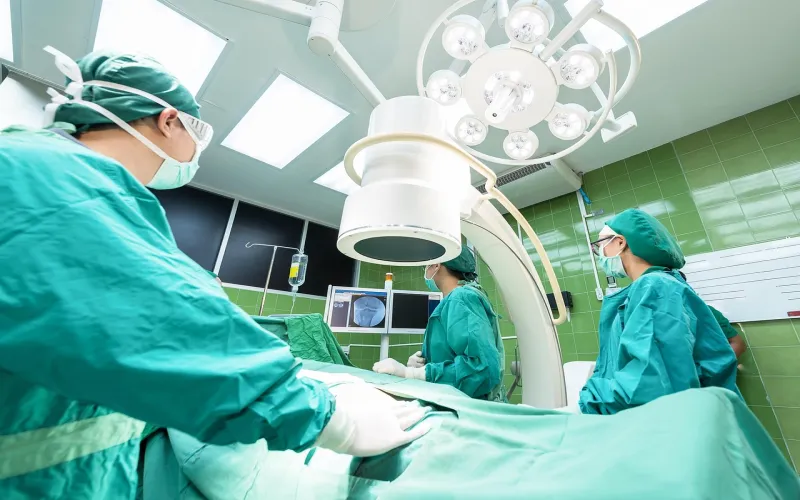
Types of Endoscopic Procedures
Esophagogastroduodenoscopy (EGD), commonly known as an upper GI endoscopy, is the most frequently performed endoscopic procedure. During an EGD, the endoscope is passed through the mouth and throat into the esophagus, stomach, and duodenum. The procedure allows direct visualization of the mucosal lining and enables the gastroenterologist to identify inflammation, ulcers, tumors, strictures, varices, and other abnormalities. Modern EGD equipment features high-definition imaging, narrow-band imaging (NBI) for enhanced tissue characterization, and magnification capabilities that can detect subtle mucosal changes invisible to standard white-light endoscopy.
Endoscopic ultrasound (EUS) combines endoscopy with ultrasound technology, allowing the gastroenterologist to obtain detailed images of the digestive tract wall layers and adjacent structures including the pancreas, bile ducts, gallbladder, liver, and lymph nodes. EUS is particularly valuable for staging gastrointestinal cancers, evaluating submucosal tumors, diagnosing chronic pancreatitis, and guiding fine-needle aspiration (FNA) biopsies of masses that cannot be reached by standard endoscopy. This advanced procedure requires specialized training and equipment, and is available at major gastroenterology centers worldwide, including Memorial Şişli Hospital in Istanbul, which operates a dedicated advanced endoscopy unit.
Endoscopic retrograde cholangiopancreatography (ERCP) is a specialized endoscopic procedure that combines endoscopy with fluoroscopic X-ray imaging to diagnose and treat conditions of the bile ducts and pancreatic duct. During ERCP, a side-viewing endoscope (duodenoscope) is passed into the duodenum where the gastroenterologist can access the ampulla of Vater, inject contrast dye into the bile and pancreatic ducts, and perform therapeutic interventions such as sphincterotomy, stone extraction, stent placement, and stricture dilation. ERCP is the gold standard treatment for common bile duct stones, bile duct strictures, and biliary obstruction caused by tumors.
Capsule endoscopy involves swallowing a small, pill-sized camera that travels through the entire digestive tract, capturing thousands of images as it moves. This non-invasive technique is particularly useful for evaluating the small intestine, which is difficult to reach with conventional endoscopes. Capsule endoscopy is primarily used to investigate obscure gastrointestinal bleeding, detect small bowel tumors, diagnose Crohn's disease of the small intestine, and evaluate celiac disease. The procedure requires no sedation and allows patients to go about their normal activities while the capsule transmits images wirelessly to a recording device worn on a belt.
- Upper GI Endoscopy (EGD): Examines esophagus, stomach, and duodenum — most common type, takes 15-20 minutes
- Endoscopic Ultrasound (EUS): Combines endoscopy with ultrasound for deep tissue imaging and staging
- ERCP: Specialized procedure for bile duct and pancreatic duct conditions with therapeutic capability
- Capsule Endoscopy: Swallowable camera for non-invasive small bowel examination
- Push Enteroscopy: Extended-reach endoscopy for deeper small bowel examination
- Double-Balloon Enteroscopy: Allows complete small bowel visualization and intervention
- Chromoendoscopy: Uses dyes to enhance mucosal detail for detecting precancerous changes
- Confocal Laser Endomicroscopy: Microscopic-level tissue examination during endoscopy
Diagnostic vs Therapeutic Endoscopy
Diagnostic endoscopy focuses on identifying and characterizing abnormalities within the gastrointestinal tract. During a diagnostic procedure, the gastroenterologist systematically examines the mucosal surfaces, looking for signs of inflammation (redness, swelling, erosions), ulceration, masses, polyps, strictures, vascular abnormalities, and other pathological changes. Tissue biopsies are frequently taken during diagnostic endoscopy, even from areas that appear visually normal, as microscopic examination can reveal conditions such as celiac disease, eosinophilic esophagitis, Helicobacter pylori infection, intestinal metaplasia, and early-stage cancers that may not be visible to the naked eye.
Therapeutic endoscopy goes beyond diagnosis to treat conditions directly during the procedure, often eliminating the need for more invasive surgery. Common therapeutic interventions include polypectomy (removal of polyps), endoscopic mucosal resection (EMR) and endoscopic submucosal dissection (ESD) for removal of early-stage cancers, dilation of strictures using balloons or dilators, placement of stents to keep narrowed passages open, hemostasis (stopping bleeding) using clips, thermal coagulation, or injection therapy, and foreign body removal. Advanced therapeutic endoscopy at hospitals like Medipol Mega University Hospital in Istanbul can address conditions that previously required open or laparoscopic surgery.
The distinction between diagnostic and therapeutic endoscopy is important for medical tourists because it affects both cost and planning. A straightforward diagnostic endoscopy with or without biopsies can typically be completed in a single outpatient visit lasting 2 to 3 hours (including preparation and recovery), making it feasible to schedule during a short medical trip. Therapeutic procedures may require additional planning, pre-procedure imaging, potential overnight hospital stay, and longer recovery time before travel. When contacting hospitals abroad, it is important to provide your complete medical history and any previous investigation results so the gastroenterology team can determine whether a diagnostic or therapeutic approach is likely and plan accordingly.
How to Prepare for Endoscopy Abroad
Preparation for an upper GI endoscopy is relatively straightforward but must be followed carefully to ensure the procedure is safe and effective. The most important requirement is fasting: you must not eat any solid food for at least 6 to 8 hours before the procedure, and clear liquids should be stopped 2 to 4 hours before your scheduled appointment time. An empty stomach is essential because food residue can obscure the gastroenterologist's view of the mucosal lining and increase the risk of aspiration during sedation. If you are having an endoscopy in the afternoon, you may be able to have a light breakfast early in the morning, but always follow your specific hospital's instructions.
Medication management before endoscopy requires careful planning, particularly for medical tourists who may be adjusting to a different time zone. Blood-thinning medications including warfarin, clopidogrel (Plavix), aspirin, and direct oral anticoagulants (DOACs) like rivaroxaban and apixaban may need to be stopped several days before the procedure, depending on the type of endoscopy planned and whether biopsies or therapeutic interventions are anticipated. Iron supplements should typically be stopped 5 to 7 days before the procedure as they can darken the mucosal lining and make interpretation difficult. Proton pump inhibitors (PPIs) like omeprazole may be continued or stopped depending on the clinical indication. Always discuss your complete medication list with the hospital's gastroenterology team before traveling.
When planning endoscopy abroad, schedule a virtual consultation with the hospital's gastroenterology department at least 2 to 4 weeks before your intended travel date. During this consultation, provide your complete medical history, current medications, allergies, previous endoscopy reports and pathology results, and any relevant imaging studies. The gastroenterologist will advise on specific preparation instructions, medication adjustments, and the type of sedation planned. Hospitals like Anadolu Medical Center in Istanbul have dedicated international patient departments that coordinate pre-procedure consultations, appointment scheduling, and post-procedure follow-up to ensure a seamless experience for medical tourists.
Endoscopy Cost Comparison by Country
The cost of endoscopy varies enormously across different countries, making it one of the procedures where medical tourism offers the most significant savings. In the United States, an upper GI endoscopy without biopsy typically costs between $2,000 and $5,000 when performed at a hospital outpatient facility, with additional charges for pathology, anesthesia, and facility fees often pushing the total bill to $5,000-$7,000 or more. Even with insurance, patients with high-deductible plans may face out-of-pocket costs of $1,500 to $3,000 or more. In the UK, private endoscopy costs range from $1,500 to $3,500, while NHS waiting times can extend to 6 to 12 weeks or longer, prompting many patients to seek faster alternatives abroad.
Endoscopy Cost Comparison by Country 2025
| Country | Upper GI Endoscopy | With Biopsy | Savings vs USA |
|---|---|---|---|
| USA | $2,000 - $5,000 | $3,000 - $7,000 | — |
| UK | $1,500 - $3,500 | $2,200 - $5,000 | Up to 30% |
| Turkey | $300 - $800 | $500 - $1,200 | Up to 85% |
| India | $200 - $600 | $350 - $900 | Up to 90% |
| Thailand | $400 - $1,000 | $600 - $1,400 | Up to 80% |
| Mexico | $350 - $900 | $500 - $1,300 | Up to 82% |
| Spain | $600 - $1,500 | $900 - $2,200 | Up to 70% |
| Poland | $300 - $700 | $450 - $1,000 | Up to 85% |
| South Korea | $400 - $900 | $600 - $1,300 | Up to 80% |
| Malaysia | $250 - $700 | $400 - $1,000 | Up to 87% |
Prices are approximate and may vary based on hospital, sedation type, and whether biopsies or additional procedures are performed during the endoscopy.
Turkey has emerged as a leading destination for gastroenterology procedures, combining European-standard medical care with costs that are 80 to 85 percent lower than the USA. Hospitals like Acıbadem Maslak Hospital offer comprehensive endoscopy packages that include the procedure, sedation, pathology analysis of all biopsies, gastroenterologist consultation, and post-procedure recovery in a private room. These all-inclusive packages eliminate the surprise billing that is common in the American healthcare system, where patients often receive separate bills from the hospital, anesthesiologist, gastroenterologist, and pathology laboratory weeks or months after the procedure.
India offers some of the lowest endoscopy costs worldwide, with prices starting from $200 for a basic diagnostic EGD at leading hospitals like Apollo Hospitals Chennai and Fortis Memorial Research Institute in Gurugram. Despite the low cost, these hospitals use the same Olympus and Pentax endoscopic equipment found in American hospitals and employ gastroenterologists trained at international institutions. Thailand and Malaysia offer a middle ground between European and Indian pricing, with the added advantage of well-established medical tourism infrastructure, English-speaking staff, and resort-like hospital environments that appeal to international patients seeking both medical care and a comfortable recovery experience.
Choosing the Right Hospital Abroad
When selecting a hospital for endoscopy abroad, the most important factor is the accreditation status of the facility and the credentials of the gastroenterology team. Joint Commission International (JCI) accreditation is the gold standard for international hospital quality and indicates that the facility meets rigorous standards for patient safety, infection control, clinical quality, and clinical governance. In addition to JCI, look for hospitals accredited by their national health authority and those with specific gastroenterology or endoscopy unit certifications from professional bodies such as the European Society of Gastrointestinal Endoscopy (ESGE) or equivalent national organizations.
The gastroenterologist performing your procedure should be a board-certified specialist with documented training in endoscopy, including advanced therapeutic techniques if your case may require intervention beyond simple diagnostic examination. Ask about the physician's annual endoscopy volume, complication rates, and specific experience with your condition. High-volume endoscopists (those performing more than 300 to 500 procedures annually) consistently demonstrate lower complication rates and higher diagnostic accuracy compared to lower-volume practitioners. Hospitals like Memorial Şişli Hospital publish their physicians' credentials, training backgrounds, and areas of subspecialization on their websites, allowing patients to make informed choices.
Beyond accreditation and physician credentials, consider the hospital's endoscopy unit equipment and capabilities. Modern endoscopy suites should feature high-definition video endoscopes with narrow-band imaging (NBI) or blue-light imaging (BLI) for enhanced tissue characterization, carbon dioxide insufflation for reduced post-procedure bloating, and comprehensive monitoring equipment for sedation management. The availability of endoscopic ultrasound (EUS), ERCP, and advanced therapeutic endoscopy indicates a comprehensive gastroenterology department capable of handling any findings that may arise during your diagnostic procedure without requiring transfer to another facility.
What to Expect During and After the Procedure
On the day of your endoscopy, you will arrive at the hospital and be taken to the endoscopy preparation area where a nurse will check your vital signs, confirm your fasting status, review your medications and allergies, and place an intravenous (IV) line for sedation and fluid administration. The gastroenterologist will meet with you to discuss the procedure, answer any remaining questions, and obtain your informed consent. You will be asked to remove any dentures, glasses, and jewelry, and will be given a hospital gown to wear during the procedure.
Most upper GI endoscopies are performed under conscious sedation (also called moderate sedation) using a combination of a short-acting benzodiazepine like midazolam and an opioid like fentanyl, or under deep sedation using propofol administered by an anesthesiologist. Conscious sedation makes you drowsy and relaxed but you may remain partially aware during the procedure, while propofol sedation typically results in complete amnesia of the event. The choice of sedation depends on the expected complexity of the procedure, your medical history, and the hospital's standard protocol. A local anesthetic spray is applied to the back of your throat to suppress the gag reflex, and a plastic mouth guard is placed between your teeth to protect them and the endoscope.
The endoscope is gently advanced through the mouth, down the esophagus, through the stomach, and into the duodenum. Air or carbon dioxide is insufflated through the endoscope to gently inflate the digestive tract, providing a clear view of the mucosal surfaces. The gastroenterologist systematically examines each area, taking photographs and video recordings of any abnormalities. If biopsies are needed, small tissue samples are painlessly removed using tiny forceps passed through a channel in the endoscope. The entire procedure typically takes 10 to 20 minutes for a straightforward diagnostic EGD, or 30 to 60 minutes if therapeutic interventions are performed.
After the procedure, you will be taken to a recovery area where you will be monitored for 30 to 60 minutes as the sedation wears off. You may experience a mild sore throat, slight bloating from the air used during the procedure, and grogginess from the sedation. These symptoms typically resolve within a few hours. The gastroenterologist will usually provide initial findings before you leave the hospital, while biopsy results take 3 to 7 working days. You should not drive, operate machinery, or make important decisions for 24 hours after sedation. Having a companion travel with you on the day of the procedure is strongly recommended.
Risks and Complications
Upper GI endoscopy is one of the safest medical procedures performed today, with an overall complication rate of less than 0.1 percent for diagnostic procedures. The most common complication is a mild sore throat, which occurs in approximately 30 to 50 percent of patients and resolves within 24 to 48 hours without treatment. Bleeding may occur if biopsies are taken or polyps are removed, but significant bleeding requiring medical intervention occurs in fewer than 1 in 1,000 diagnostic procedures. Perforation (a tear in the gastrointestinal tract wall) is the most serious potential complication but is exceedingly rare during diagnostic endoscopy, occurring in approximately 1 in 10,000 to 1 in 20,000 procedures.
Sedation-related complications include respiratory depression, aspiration, and allergic reactions, which are minimized by continuous monitoring of oxygen saturation, heart rate, and blood pressure throughout the procedure. Patients with significant heart or lung disease, morbid obesity, or sleep apnea may require additional precautions and potentially anesthesiologist-supervised sedation. Infection following endoscopy is extremely rare due to rigorous equipment reprocessing protocols. Modern endoscopy units follow strict disinfection guidelines established by professional societies, and accredited hospitals undergo regular audits of their endoscope reprocessing procedures to ensure compliance with international standards.
The safety record of diagnostic endoscopy is outstanding, with complication rates below 0.1%. When performed at accredited hospitals by experienced gastroenterologists, patients can expect the same level of safety and quality whether they are in Boston, Istanbul, or Bangkok.
European Society of Gastrointestinal Endoscopy (ESGE)
Travel Planning for Endoscopy Abroad
Planning a medical trip for endoscopy requires coordination of travel logistics with medical preparation timelines. For a straightforward diagnostic endoscopy, a trip of 3 to 5 days is typically sufficient: 1 day for arrival and pre-procedure consultation, 1 day for the procedure itself, and 1 to 2 days for recovery and receipt of initial results before returning home. If therapeutic intervention is anticipated (such as polypectomy, stricture dilation, or ERCP), plan for a longer stay of 5 to 7 days to accommodate potential overnight hospital admission and a longer post-procedure observation period before flying.
Flight considerations are minimal for patients undergoing diagnostic endoscopy, as the procedure does not affect your ability to fly once the sedation has fully worn off (typically by the following day). However, if you have had a therapeutic procedure involving tissue removal, cauterization, or stent placement, your gastroenterologist may recommend waiting 48 to 72 hours before flying to ensure there are no delayed complications. The key restriction is that you should not fly on the same day as the procedure due to sedation, and you should arrange for a companion to assist you on the day of the endoscopy and during the initial recovery period.
Before traveling, ensure that you have comprehensive travel insurance that covers medical procedures abroad, including any potential complications that may require extended hospitalization or medical evacuation. Some travel insurance policies exclude pre-planned medical procedures, so it is important to choose a policy specifically designed for medical tourism or one that explicitly covers your planned procedure. Additionally, arrange for your home gastroenterologist or primary care physician to receive the complete procedure report, photographs, and pathology results so they can continue your care seamlessly after you return.
Ready to compare endoscopy costs at accredited hospitals worldwide? Get personalized quotes from top gastroenterology centers.
Get Free QuoteFrequently Asked Questions
Frequently Asked Questions
Is it safe to have an endoscopy abroad?
Yes, when performed at JCI-accredited hospitals by board-certified gastroenterologists, endoscopy abroad is as safe as in the USA or UK. The equipment used (Olympus, Pentax, Fujifilm) is the same worldwide, and accredited hospitals follow identical disinfection and safety protocols.
How long should I stay abroad after an endoscopy?
For diagnostic endoscopy, plan a 3-5 day trip. You can typically fly the day after the procedure once sedation has worn off. If therapeutic procedures are performed, stay 5-7 days to allow for observation and receipt of pathology results.
Will I be asleep during the endoscopy?
Most endoscopies are performed under conscious sedation (you're drowsy but may be partially aware) or deep sedation with propofol (you're fully asleep with no memory of the procedure). Discuss your preference with the gastroenterologist during your pre-procedure consultation.
How will I get my biopsy results if I return home?
Accredited hospitals have international patient departments that send biopsy results via email or secure patient portal, typically within 5-7 working days. They also send the complete report to your home physician for continuity of care.
Can I combine endoscopy with other medical procedures abroad?
Yes, many medical tourists combine endoscopy with colonoscopy (often done in the same session), consultations with other specialists, or routine health check-up packages. Discuss your needs with the hospital's international patient coordinator to plan an efficient schedule.