What Is Septoplasty?
Septoplasty is a surgical procedure to straighten the nasal septum, the thin wall of cartilage and bone that divides the nasal cavity into two passages. A deviated septum, where this dividing wall is significantly displaced to one side, is extremely common, affecting an estimated 80 percent of the population to some degree. However, only a fraction of these individuals have deviations severe enough to cause significant symptoms requiring surgical intervention. When a deviated septum causes chronic nasal obstruction, difficulty breathing through one or both nostrils, recurrent sinusitis, nosebleeds, sleep disruption, or snoring, septoplasty offers a highly effective solution with predictable results and a relatively straightforward recovery.
The causes of septal deviation include congenital factors (present from birth), trauma to the nose during sports, accidents, or other injuries, and developmental changes during facial growth. Many people with deviated septums are unaware of the condition until symptoms gradually worsen over time or an acute injury exacerbates a pre-existing deviation. The diagnosis is made through a combination of patient history, physical examination with nasal speculum or endoscope, and imaging studies. At international ENT centers like Acıbadem Maslak Hospital, nasal endoscopy provides a detailed view of the septum and internal nasal structures, while CT scanning reveals the full extent of the deviation and any associated sinus disease that may need to be addressed simultaneously.
The cost of septoplasty in the United States ranges from $5,000 to $12,000 depending on the complexity of the deviation, whether turbinate reduction is performed simultaneously, and whether the procedure is combined with rhinoplasty (septorhinoplasty). Many patients find that even with insurance coverage, the combination of deductibles, copayments, and out-of-network charges results in substantial out-of-pocket costs. International ENT centers offer septoplasty at 60 to 85 percent lower cost, with the same surgical techniques, equipment, and expertise available at leading US hospitals. Turkey, in particular, has become a popular destination for septoplasty due to its combination of experienced ENT surgeons, modern hospital facilities, and competitive pricing.

Symptoms & Diagnosis of Deviated Septum
The symptoms of a deviated septum can range from mild and easily overlooked to severe and significantly life-altering. The most common symptom is unilateral or bilateral nasal obstruction, a feeling of blockage in one or both nostrils that makes breathing through the nose difficult or impossible. This obstruction may be constant or may fluctuate, often worsening at night when lying down due to changes in blood flow and nasal mucosal swelling. Mouth breathing, particularly during sleep, is a common consequence and can lead to dry mouth, sore throat, and dental problems over time. Chronic nasal obstruction also contributes to snoring and may worsen or contribute to obstructive sleep apnea.
Other symptoms associated with septal deviation include recurrent sinus infections, as the deviation may block normal sinus drainage pathways; nosebleeds, particularly from the convex side of the deviation where the mucosa is stretched and dry; facial pain or headaches, sometimes attributed to contact between the deviated septum and the lateral nasal wall (septal contact headache); post-nasal drip; and decreased sense of smell. Many patients with deviated septums develop compensatory enlargement of the turbinates on the wider side of the nose, creating obstruction on both sides. This is why turbinate reduction is frequently performed in conjunction with septoplasty to achieve the best possible breathing result.
Diagnosis begins with a thorough history of nasal symptoms, sleep quality, and any history of nasal trauma or previous surgery. Physical examination includes anterior rhinoscopy using a nasal speculum and, ideally, nasal endoscopy with a rigid or flexible scope that allows detailed visualization of the entire nasal cavity including the posterior septum, turbinates, and sinus drainage pathways. CT scanning of the sinuses is performed when concurrent sinus disease is suspected or when planning revision surgery. Memorial Şişli Hospital and other leading international ENT centers use high-resolution CT with multiplanar reconstruction to precisely characterize the deviation and plan the surgical approach for optimal correction.
Cost Comparison by Country
Septoplasty Cost Comparison 2025
| Country | Septoplasty Alone | Septorhinoplasty | Savings vs USA |
|---|---|---|---|
| USA | $5,000 - $12,000 | $10,000 - $20,000 | — |
| Turkey | $1,500 - $3,000 | $3,000 - $6,000 | Up to 78% |
| India | $800 - $2,000 | $1,500 - $4,000 | Up to 85% |
| Thailand | $1,500 - $3,500 | $3,000 - $6,500 | Up to 72% |
| Mexico | $1,200 - $2,800 | $2,500 - $5,500 | Up to 76% |
| Poland | $1,200 - $2,500 | $2,500 - $5,000 | Up to 78% |
| South Korea | $2,500 - $5,000 | $5,000 - $10,000 | Up to 58% |
Septorhinoplasty combines septum correction with external nose reshaping. Prices include surgeon fees, anesthesia, and hospital charges.
Turkey offers outstanding value for septoplasty, with procedures at Acıbadem Maslak Hospital costing $1,500 to $3,000 for septoplasty alone and $3,000 to $6,000 for septorhinoplasty. These prices include surgeon fees, anesthesia, operating room charges, and any necessary hospital stay. For patients who also want cosmetic improvement of their nose, combining septoplasty with rhinoplasty in a single septorhinoplasty procedure is both medically and financially efficient, addressing both functional and aesthetic concerns in one surgery and one recovery period. The total cost of septorhinoplasty in Turkey, including travel expenses, is typically less than septoplasty alone in the United States.
Struggling with nasal breathing? Get free quotes from top ENT centers specializing in septoplasty and breathing correction.
Get Free QuoteSurgical Technique for Septoplasty
Septoplasty is typically performed under general anesthesia, though local anesthesia with sedation may be used in selected cases. The procedure is performed entirely through the nostrils, leaving no external scars. The surgeon makes an incision inside the nose to access the septal cartilage and bone, then carefully lifts the mucous membrane lining away from the septum on one or both sides. The deviated portions of cartilage and bone are then removed, reshaped, or repositioned to create a straight, midline septum that allows equal airflow through both nasal passages. The mucous membrane is then laid back over the corrected septum and may be secured with dissolvable stitches or silicone splints.
Concurrent turbinate reduction is performed in the majority of septoplasty cases to address compensatory turbinate hypertrophy that commonly develops opposite to the deviation. Techniques for turbinate reduction include submucosal resection, radiofrequency ablation, and partial turbinectomy, with the specific approach chosen based on the degree of turbinate enlargement and the surgeon's preference. At centers like Acıbadem Maslak Hospital, powered instrumentation and endoscopic visualization allow for precise and controlled turbinate reduction that improves airflow while preserving the normal humidifying and filtering functions of the turbinates. The entire procedure typically takes 30 to 90 minutes depending on the complexity of the deviation and whether additional procedures are performed.
Recovery Timeline
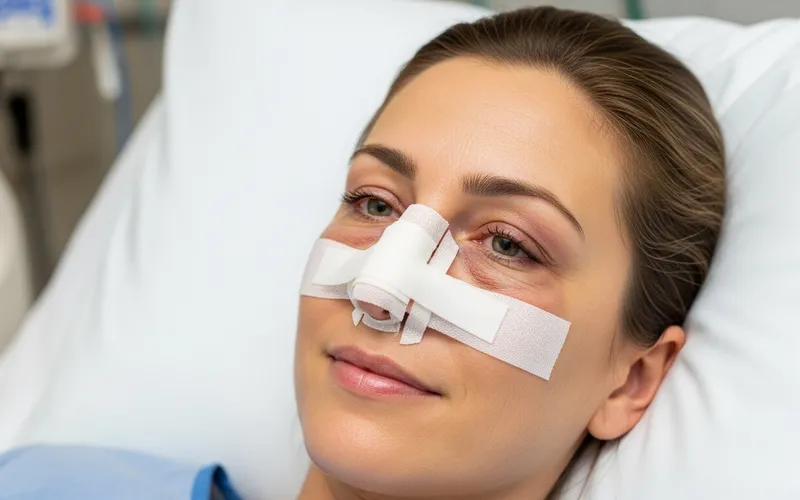
Recovery from septoplasty is generally well-tolerated and follows a predictable timeline. Internal nasal splints or packing, if used, are removed within one to five days after surgery, which is often the most uncomfortable part of the recovery for patients. Nasal congestion from swelling and blood clot formation is expected during the first one to two weeks and gradually resolves. Most patients experience mild to moderate discomfort rather than significant pain, and over-the-counter analgesics are usually sufficient for pain management. Nasal saline irrigation is begun within a few days of surgery to promote healing and prevent crusting.
Most patients return to desk-based work within five to seven days and to physically active occupations within two weeks. Strenuous exercise, heavy lifting, and contact sports should be avoided for four to six weeks to prevent bleeding and allow proper healing. Nasal breathing gradually improves over the first three to four weeks as internal swelling resolves, with most patients noticing dramatic improvement by four to six weeks post-surgery. Complete healing and final results are typically achieved by three to six months, though most of the improvement is apparent much earlier. For patients traveling abroad, plan to stay near the hospital for three to five days after surgery for splint removal and initial follow-up.
Results & Success Rates
Septoplasty is one of the most successful ENT procedures, with studies consistently reporting symptom improvement in 85 to 95 percent of patients and patient satisfaction rates exceeding 90 percent. Objective improvements in nasal airflow, as measured by rhinomanometry or acoustic rhinometry, correlate well with subjective symptom improvement. The most significant benefit is improved nasal breathing, which patients typically describe as life-changing after years of chronic obstruction. Secondary benefits include improved sleep quality, reduced snoring, decreased frequency of sinus infections, and better exercise tolerance due to improved nasal breathing during physical activity.
Revision septoplasty is needed in approximately 5 to 15 percent of cases, most commonly due to persistent deviation, cartilage memory causing partial recurrence, or synechiae (scar bands) formation between the septum and turbinates. These issues are more common with severe deviations and in patients with cartilage that has a strong tendency to return to its deviated position. The risk of revision is minimized by choosing an experienced surgeon who can adequately address the specific type and location of the deviation during the initial surgery. At hospitals like Memorial Şişli Hospital, high-volume ENT surgeons with extensive septoplasty experience achieve excellent first-surgery success rates through meticulous technique and comprehensive correction of all contributing factors to nasal obstruction.
I had struggled with nasal breathing for twenty years after a sports injury. Septoplasty in Istanbul took less than an hour and the improvement in my breathing was dramatic. I wish I had done it years earlier.
Carlos R., septoplasty patient from Spain
Frequently Asked Questions
Frequently Asked Questions
How long do I need to stay abroad after septoplasty?
Plan for 3-5 days after surgery for splint removal and initial follow-up. You can typically fly home 3-5 days after surgery once splints are removed and your surgeon confirms satisfactory healing.
Will septoplasty change the appearance of my nose?
Septoplasty alone does not change the external appearance of the nose — the procedure is performed entirely inside the nose. If you want both functional and cosmetic improvement, septorhinoplasty combines both procedures.
Is septoplasty painful?
Most patients report mild to moderate discomfort rather than significant pain. The most uncomfortable part is often the nasal packing or splint removal. Over-the-counter pain relievers are usually sufficient for pain management.
How long until I can breathe normally after septoplasty?
Nasal breathing improves gradually over 1-4 weeks as swelling resolves. Most patients notice significant improvement by 2-3 weeks and full improvement by 4-6 weeks. Final results are typically achieved within 3 months.
Can a deviated septum return after surgery?
In 5-15% of cases, some degree of re-deviation may occur due to cartilage memory or scar formation. Choosing an experienced surgeon and following post-operative care instructions minimizes this risk. Revision surgery is available if needed.