What Is a Cochlear Implant?
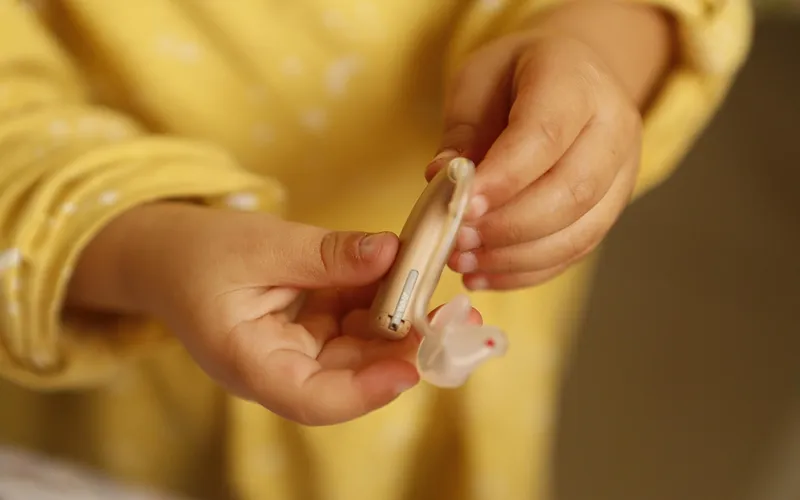
A cochlear implant is a sophisticated electronic medical device that provides a sense of sound to people with severe to profound sensorineural hearing loss who receive limited benefit from conventional hearing aids. Unlike hearing aids, which amplify sound, cochlear implants bypass the damaged hair cells of the inner ear and directly stimulate the auditory nerve, transmitting electrical signals to the brain that are interpreted as sound. The system consists of two main components: an external processor worn behind the ear that captures and processes sound, and an internal implant surgically placed under the skin behind the ear with an electrode array threaded into the cochlea. Together, these components create a functional hearing pathway that enables recipients to understand speech, enjoy music, and engage with the auditory world around them.
Cochlear implantation has transformed the lives of hundreds of thousands of people worldwide since the first multichannel devices were approved in the 1980s. Modern cochlear implants incorporate advanced signal processing algorithms, directional microphones, Bluetooth connectivity, and rechargeable batteries, providing recipients with an increasingly natural and versatile hearing experience. For children born with severe to profound hearing loss, early cochlear implantation, ideally before 18 months of age, provides the best opportunity for developing spoken language skills comparable to their hearing peers. For adults who lose their hearing later in life, cochlear implants can restore communication ability and dramatically improve quality of life, social participation, and emotional well-being.
The cost of cochlear implantation in the United States is prohibitively expensive for many families, ranging from $50,000 to $100,000 per ear including the device, surgery, and initial programming. Bilateral implantation, which provides significant advantages in sound localization, speech understanding in noise, and overall hearing quality, can cost $90,000 to $180,000. While many insurance plans cover unilateral cochlear implantation, coverage for bilateral implants is less consistent, and many patients face significant out-of-pocket costs. International cochlear implant centers, including those at Acıbadem Maslak Hospital in Istanbul, offer the same devices from major manufacturers at 40 to 72 percent lower cost, making bilateral implantation affordable for families who might otherwise be limited to a single implant.
Who Is a Candidate for Cochlear Implant?
Cochlear implant candidacy criteria have expanded significantly over the past two decades, with current guidelines providing access to a broader range of patients than ever before. Traditional candidacy for adults includes bilateral severe to profound sensorineural hearing loss, limited benefit from appropriately fitted hearing aids (typically defined as less than 50 percent sentence recognition in the ear to be implanted and less than 60 percent in the best aided condition), and motivation to participate in auditory rehabilitation. More recent expanded criteria include patients with asymmetric hearing loss, single-sided deafness, and even some patients with moderate hearing loss who demonstrate poor speech discrimination despite adequate amplification with hearing aids.
Pediatric cochlear implant candidacy follows similar audiological criteria adapted for the age and developmental stage of the child. The FDA has approved cochlear implants for children as young as nine months of age, and the trend is toward earlier implantation to maximize the benefits of auditory stimulation during the critical period of language development. Children with severe to profound bilateral hearing loss who demonstrate limited progress with hearing aids over a trial period of three to six months are considered candidates. The evaluation process for pediatric candidates includes comprehensive audiological testing using age-appropriate methods, medical evaluation including imaging to assess cochlear anatomy, speech and language assessment, and family readiness evaluation to ensure that the family can support the intensive rehabilitation process.
The evaluation process at centers like Memorial Şişli Hospital includes comprehensive audiological assessment using calibrated test equipment, speech perception testing in quiet and noise, hearing aid trial with verification measurements, CT scan and MRI of the temporal bones to assess cochlear anatomy and identify any anatomical variations or malformations, medical evaluation to ensure fitness for general anesthesia, and counseling about realistic expectations for outcomes. For international patients, preliminary audiological data and imaging can often be reviewed remotely, allowing the cochlear implant team to provide initial recommendations before the patient travels for the final evaluation and surgery.
Cost Comparison by Country
Cochlear Implant Cost Comparison 2025 (per ear)
| Country | Unilateral Implant | Bilateral Implant | Savings vs USA |
|---|---|---|---|
| USA | $50,000 - $100,000 | $90,000 - $180,000 | — |
| Turkey | $20,000 - $35,000 | $35,000 - $60,000 | Up to 65% |
| India | $15,000 - $25,000 | $25,000 - $45,000 | Up to 72% |
| Thailand | $18,000 - $30,000 | $32,000 - $55,000 | Up to 68% |
| South Korea | $25,000 - $45,000 | $45,000 - $80,000 | Up to 55% |
| Germany | $35,000 - $55,000 | $60,000 - $100,000 | Up to 42% |
| Spain | $30,000 - $50,000 | $55,000 - $90,000 | Up to 50% |
Prices include the device, surgery, hospitalization, activation, and initial programming sessions. Ongoing rehabilitation and programming costs are additional.
Turkey offers some of the most competitive pricing for cochlear implantation worldwide, with unilateral implant packages at Acıbadem Maslak Hospital ranging from $20,000 to $35,000 including the implant device from a major manufacturer (Cochlear, MED-EL, or Advanced Bionics), the surgical procedure, hospitalization, initial activation and programming sessions, and follow-up appointments. Bilateral implantation is available for $35,000 to $60,000, a fraction of the $90,000 to $180,000 cost in the United States. India offers even lower pricing at $15,000 to $25,000 per ear, while South Korea and Germany provide options at higher price points with strong academic cochlear implant programs.
A significant portion of the cochlear implant cost is the device itself, which typically accounts for 40 to 60 percent of the total package price. International centers use the same devices from the same manufacturers as Western centers, as cochlear implants are manufactured by three major global companies (Cochlear Corporation, MED-EL, and Advanced Bionics) and are identical regardless of where they are implanted. The cost savings abroad come from lower surgical fees, hospital charges, and professional fees, not from any difference in the device itself. This means that patients receiving cochlear implants abroad benefit from identical technology and device quality at significantly lower total cost.
Considering a cochlear implant? Get free quotes from accredited cochlear implant centers and compare your options.
Get Free QuoteDevice Options & Technology
Three major manufacturers produce the cochlear implant systems available worldwide, each with distinct features and technology. Cochlear Corporation's Nucleus series is the most widely implanted system globally, known for its reliability, extensive research support, and comprehensive range of external processors including off-the-ear and behind-the-ear options. MED-EL offers unique advantages including the longest electrode arrays, which can reach the full length of the cochlea for more natural sound quality, and a slim internal implant design that is well-suited for children. Advanced Bionics is known for its advanced signal processing technology and was the first to offer a fully waterproof external processor, allowing recipients to hear while swimming.
Modern cochlear implant technology has advanced dramatically, with current devices offering features that significantly enhance the listening experience. Bluetooth connectivity allows direct streaming of phone calls, music, and audio from smartphones and tablets. Rechargeable battery options eliminate the ongoing cost and inconvenience of disposable batteries. Advanced noise reduction algorithms and directional microphone technology improve speech understanding in challenging listening environments such as restaurants, classrooms, and public spaces. Some systems offer compatibility with MRI scanning, an important consideration for future medical needs. At Acıbadem Maslak Hospital, the cochlear implant team works with all major manufacturers and helps patients select the device that best suits their individual needs, lifestyle, and preferences.

Cochlear Implant Surgery Process
Cochlear implant surgery is performed under general anesthesia and typically takes one and a half to three hours per ear. The surgeon makes an incision behind the ear and creates a small bed in the skull bone to house the internal implant receiver. A tiny opening (cochleostomy) is then made into the cochlea, and the electrode array is carefully threaded into the cochlear turns. Intraoperative testing, including neural response telemetry and electrode impedance measurements, confirms that the electrodes are functioning correctly and eliciting auditory nerve responses. The incision is closed in layers, and the patient typically goes home the same day or after one night in the hospital.
The external processor is activated approximately three to four weeks after surgery, once the surgical site has healed sufficiently. The initial activation session is a memorable moment for many patients and families, as it is the first time the recipient hears sounds through their new implant. The audiologist programs the processor by measuring comfortable and threshold levels for each electrode, creating a customized 'map' that determines how sound is processed and delivered. Initial sounds may be described as electronic, robotic, or unclear, and many recipients report that voices sound different from what they remember. This is normal, and the brain gradually adapts to the new pattern of electrical stimulation, with most recipients reporting significant improvement in sound quality and speech understanding over the first three to six months of use.
Rehabilitation & Long-Term Outcomes
Auditory rehabilitation is a critical component of cochlear implant success and should not be underestimated in its importance. The brain must learn to interpret the electrical signals from the cochlear implant as meaningful sound, and this process requires active practice and professional guidance. Formal rehabilitation typically includes regular programming sessions to optimize the implant settings, structured auditory training exercises to improve speech perception, and counseling to address expectations and coping strategies. For adults who lost hearing gradually, the brain often adapts relatively quickly because it retains memory of how speech sounds. For prelingually deaf adults who receive implants later in life, outcomes are more variable and rehabilitation is more intensive.
Outcomes for cochlear implant recipients have improved dramatically over the past two decades, with most adult recipients achieving significant improvement in speech understanding in quiet within the first six months of use. Many recipients eventually achieve open-set speech recognition scores of 70 to 90 percent or higher in quiet listening conditions, representing a transformative improvement in communication ability. Children implanted before age two consistently achieve spoken language development comparable to their hearing peers by school age, provided they receive consistent therapy and support. At centers like Memorial Şişli Hospital, the cochlear implant team includes experienced audiologists, speech-language pathologists, and auditory verbal therapists who provide comprehensive rehabilitation services tailored to each recipient's age, hearing history, and communication goals.
For international patients who receive cochlear implants abroad, planning for ongoing rehabilitation and programming in their home country is essential. The initial programming and activation should be completed at the implanting center, with two to three programming sessions typically recommended during the first month. After returning home, recipients need access to an audiologist experienced with cochlear implant programming for ongoing optimization of their processor settings. Most major cochlear implant manufacturers maintain a network of authorized clinical partners worldwide who can provide programming and support services. The implanting center, such as Acıbadem Maslak Hospital, can help identify local programming resources and facilitate the transition of care to ensure continuity of rehabilitation.
After thirty years of progressive hearing loss, my cochlear implant restored my ability to have conversations, enjoy music, and connect with my grandchildren. The team in Istanbul was exceptional, and the total cost was less than a third of what I was quoted in the US.
Margaret P., cochlear implant recipient from the US
Frequently Asked Questions
Frequently Asked Questions
How long should I stay abroad for cochlear implant?
Plan for approximately 3-4 weeks: 1 week for evaluation and surgery, then 2-3 weeks for healing before activation and initial programming. Some patients split the trip into two visits: surgery, then return 3-4 weeks later for activation.
Will I hear normally with a cochlear implant?
Cochlear implants do not restore normal hearing but provide functional hearing that allows most recipients to understand speech. Sound quality improves over months as the brain adapts. Most recipients report significant improvement in communication ability and quality of life.
Can I get bilateral cochlear implants abroad?
Yes, bilateral implantation is available and recommended when possible. Some centers perform both ears in one surgery, while others prefer sequential implantation. Bilateral implants cost significantly less abroad, making this option feasible for more patients.
Are cochlear implants compatible with MRI?
Modern cochlear implants from all major manufacturers are MRI-compatible, though some require magnet removal before scanning while others allow MRI without modification. Discuss MRI compatibility with your surgeon, especially if you anticipate needing MRI scans in the future.
What is the lifespan of a cochlear implant?
The internal implant is designed to last a lifetime, with current devices having expected lifespans of 25+ years. External processors may need replacement or upgrading every 5-7 years to benefit from technological advances. Most manufacturers offer upgrade programs for external components.