Why Seek a Medical Second Opinion?
A medical second opinion is the process of having another qualified physician review your diagnosis, test results, imaging, and recommended treatment plan to either confirm or suggest modifications to your care. Far from being a sign of distrust in your primary physician, seeking a second opinion is a well-established practice in medicine that is encouraged by virtually every medical professional organization worldwide. The stakes of medical decisions — particularly for serious conditions like cancer, heart disease, autoimmune disorders, and neurological conditions — are simply too high to rely on a single perspective, no matter how qualified the initial physician may be.
The reasons to seek a second opinion are numerous and compelling. You should consider a second opinion when you've been diagnosed with a serious or life-threatening condition (cancer, heart disease requiring surgery, rare diseases), when the recommended treatment is high-risk or irreversible (major surgery, organ removal, chemotherapy, radiation), when you've been told your condition is untreatable or terminal, when the diagnosis doesn't seem to explain your symptoms fully, when you're unsure about the recommended treatment approach, when you want to explore less invasive treatment alternatives, and when your condition is rare and may benefit from subspecialty expertise not available locally.
The medical community strongly supports the practice of seeking second opinions. The American College of Surgeons recommends second opinions for all elective surgeries. Medicare covers second opinions for surgical procedures. Most health insurance plans cover second opinions, and many require them for certain procedures. Many physicians actively encourage patients to seek second opinions for complex cases, viewing it as a sign of engaged, informed patients rather than a challenge to their expertise. A good physician welcomes second opinions because they either confirm the original plan (increasing confidence) or reveal important alternative considerations.
Medical tourism and telemedicine have revolutionized access to second opinions. Previously, getting a second opinion required scheduling an in-person appointment with another specialist — often with weeks-long wait times, travel expenses, and the need to physically transport medical records and imaging. Today, you can receive a comprehensive second opinion from a world-class specialist at a leading international hospital without leaving your home. Telemedicine platforms and international hospitals' remote consultation services enable you to upload medical records, imaging, and pathology slides digitally, receive expert review by subspecialists at prestigious institutions, and get a detailed written report with alternative diagnoses and treatment recommendations — all within days and at a fraction of in-person consultation costs.
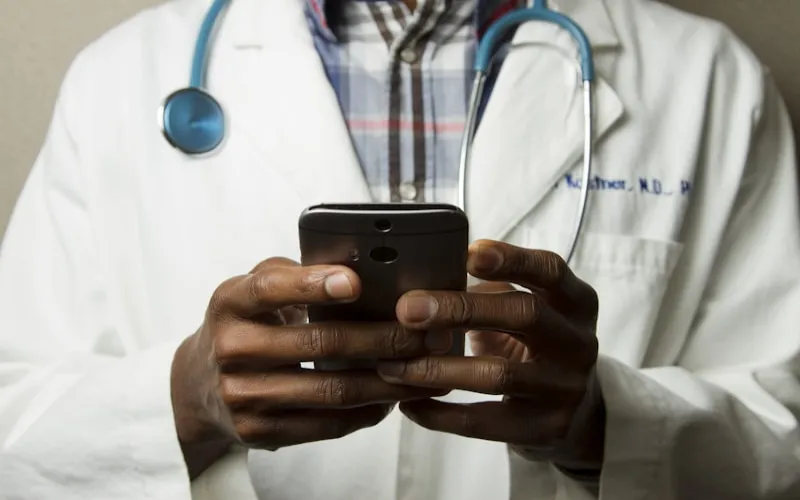
How Often Second Opinions Change the Diagnosis
The research on second opinions reveals striking statistics that underscore their importance. A landmark study published in the Journal of Clinical Oncology found that cancer diagnosis was changed or significantly modified in 21% of pathology second opinions — meaning roughly 1 in 5 cancer diagnoses may be incorrect or incomplete. A Mayo Clinic study published in 2017 found that 21% of patients received a distinctly different diagnosis on second opinion, and 66% received a refined or partially changed diagnosis — meaning that only 12% of initial diagnoses were fully confirmed without modification.
Treatment plan modifications are even more common than diagnostic changes. Studies show that treatment recommendations change in 30-40% of second opinion cases. These changes include downgrading treatment intensity (e.g., breast-conserving surgery instead of mastectomy, active surveillance instead of immediate prostate cancer treatment), upgrading treatment intensity (adding chemotherapy or radiation that was not initially recommended), completely changing the treatment approach (medical management instead of surgery, or vice versa), and identifying additional treatment options not discussed by the original physician. For cancer patients specifically, second opinions at specialized cancer centers change the treatment plan in approximately 37% of cases.
The impact of these changes on patient outcomes is profound. When a second opinion reveals a misdiagnosis, it prevents the patient from undergoing unnecessary treatment (with its associated risks and costs) for a condition they don't have, and directs them toward appropriate treatment for their actual condition. When a second opinion changes the treatment plan, it may offer a less invasive approach with fewer side effects, a more aggressive approach that improves survival, or a more modern treatment option that the original physician may not have considered. These are not marginal differences — they are often life-changing or life-saving.
- Diagnostic Changes: 21% of cancer pathology second opinions result in a different diagnosis (JAMA study)
- Diagnostic Refinement: 66% of second opinions lead to a refined or modified diagnosis (Mayo Clinic 2017)
- Treatment Plan Changes: 30-40% of second opinions recommend different treatment approaches
- Surgical Recommendations: 25% of recommended surgeries are deemed unnecessary on second opinion
- Cancer Staging: 10-15% of cancer staging changes on second opinion — directly affecting treatment selection
- Rare Disease: Second opinion accuracy improvement is highest for rare and complex conditions
Remote vs In-Person Second Opinions
Remote (telemedicine) second opinions have become increasingly sophisticated and comprehensive, enabled by digital health records, high-quality medical imaging sharing platforms, digital pathology (virtual microscopy), and video consultation technology. A quality remote second opinion involves the reviewing specialist studying your complete medical records, imaging studies (viewed on DICOM-compatible systems), pathology slides (via digital pathology platforms or physical slide re-review), laboratory results, and clinical history — then providing a detailed written assessment with conclusions and recommendations. Many patients find this sufficient for decision-making, especially when the primary question is diagnostic confirmation or treatment approach.
In-person second opinions abroad add the dimension of direct physical examination, the ability to perform additional diagnostic tests immediately, face-to-face discussion with the specialist, and the option to transition directly to treatment if desired. In-person consultation is particularly valuable when the diagnosis requires physical examination findings (musculoskeletal conditions, dermatological conditions, neurological assessment), when additional imaging or testing with specific equipment is needed, when pathology specimens need to be re-examined by the hospital's own pathologists, or when you're considering having treatment at the same institution. Many patients combine a second opinion visit with a health checkup or vacation, maximizing the value of international travel.
Preparing Your Medical Records for a Second Opinion
The quality of a second opinion depends heavily on the quality and completeness of the medical records provided. Preparing a comprehensive medical records package is the most important step in obtaining a useful second opinion. Essential documents include a detailed clinical summary or referral letter describing your symptoms, timeline, and clinical findings; all relevant laboratory results with dates; imaging studies in DICOM format (CT, MRI, PET-CT, X-ray — not just the reports, but the actual images); pathology reports and, if possible, actual pathology slides or blocks for re-review; surgical reports or procedure notes if applicable; a list of current medications with dosages; and any previous specialist consultations or second opinions.
Most international hospitals have dedicated international patient departments that guide you through the records submission process. Many offer secure online portals where you can upload documents, imaging files, and clinical information. For imaging studies, DICOM files can usually be obtained from your imaging center on CD or through their patient portal. For pathology specimens, the reviewing hospital may request that slides or tissue blocks be shipped via medical courier — this is particularly important for cancer second opinions where pathology re-review is essential for accurate diagnosis.
Cost Comparison by Country
Medical Second Opinion Cost Comparison 2025
| Country | Remote/Telemedicine | In-Person Consultation | In-Person + Diagnostics |
|---|---|---|---|
| USA | $300 - $1,000 | $500 - $2,000 | $2,000 - $10,000 |
| UK | $200 - $800 | $400 - $1,500 | $1,500 - $5,000 |
| Turkey | $100 - $300 | $100 - $500 | $300 - $2,000 |
| India | $50 - $200 | $50 - $300 | $200 - $1,000 |
| Thailand | $100 - $400 | $150 - $600 | $400 - $2,500 |
| South Korea | $150 - $500 | $200 - $700 | $500 - $3,000 |
| Germany | $200 - $600 | $300 - $1,000 | $800 - $4,000 |
Remote second opinion includes specialist review of medical records, imaging, and pathology with a detailed written report. In-person includes face-to-face consultation. In-person + diagnostics includes new testing (imaging, lab work, pathology review) as deemed necessary by the reviewing specialist.
The cost-effectiveness of second opinions abroad is remarkable, particularly for remote consultations. A remote second opinion from a top specialist at a JCI-accredited hospital in Turkey or India costs $50-$300 — less than a copay for many US insurance plans. Even in-person second opinions abroad, including travel costs, are often less expensive than in-person consultations in the US. For cancer patients, the potential value of a second opinion that changes diagnosis or treatment is incalculable — spending $100-$500 on a remote review that potentially identifies a more effective treatment approach is among the best healthcare investments possible.
Top Hospitals for Medical Second Opinions Abroad
Memorial Sisli Hospital in Istanbul offers a comprehensive international second opinion service with quick turnaround times. Their multidisciplinary approach means complex cases are reviewed not by a single physician but by a team of relevant specialists — for example, a cancer case might be reviewed by a medical oncologist, surgical oncologist, radiation oncologist, and pathologist in a tumor board format. Remote second opinions are available through their international patient portal, with detailed written reports typically delivered within 5-7 business days. In-person consultations can be arranged with priority scheduling for international patients.
Acıbadem Maslak Hospital operates one of Turkey's most established international second opinion programs, with particular expertise in oncology, cardiology, and neuroscience second opinions. Their pathology department includes fellowship-trained subspecialty pathologists who provide expert re-review of biopsy specimens and surgical pathology. The hospital's tumor board meets weekly to discuss complex cancer cases, and international second opinion cases are routinely included in these multidisciplinary reviews, ensuring patients benefit from collective expert assessment rather than individual opinion.
Apollo Hospital Chennai in India has developed one of Asia's most comprehensive telemedicine second opinion platforms, leveraging their extensive specialist roster across multiple medical specialties. Their remote consultation service allows patients worldwide to receive expert opinions from some of India's most distinguished physicians at very affordable rates. Apollo's particular strengths include oncology, cardiac surgery, orthopedics, and neurology second opinions. Their international patient department provides seamless coordination for patients seeking either remote or in-person second opinions.
Want expert confirmation of your diagnosis or treatment plan? Get a medical second opinion from world-class specialists.
Get Free Second Opinion Quote
Telemedicine Second Opinion Services
Telemedicine has made medical second opinions accessible to anyone with an internet connection. Leading international hospitals now offer structured telemedicine second opinion programs that rival in-person consultations in thoroughness. The typical telemedicine second opinion process involves submitting your medical records through a secure online portal, having your case assigned to an appropriate specialist (or multidisciplinary team for complex cases), receiving a detailed written report with the specialist's assessment, diagnosis review, and treatment recommendations, and optionally having a video consultation to discuss findings and ask questions.
The quality of telemedicine second opinions has improved dramatically with advances in digital health technology. High-resolution medical imaging can be transmitted and viewed remotely with the same quality as in-person review. Digital pathology platforms allow pathologists to examine tissue samples at any magnification level, with quality equal to traditional microscopy. Electronic health records can be organized and transmitted securely. Video conferencing enables face-to-face discussion between patient and specialist, allowing the nuanced communication that email alone cannot provide. These technological advances have made remote second opinions a viable and often preferred alternative to in-person consultations for diagnostic confirmation and treatment planning.
Getting a second opinion is not about doubting your doctor — it's about ensuring you have the most accurate diagnosis and the most appropriate treatment plan for your specific situation. In 20-30% of cases, a second opinion reveals significant changes. Those odds are too important to ignore.
American Medical Association, Patient Rights and Medical Second Opinions
Frequently Asked Questions
Will my doctor be offended if I seek a second opinion?
No. Reputable physicians encourage second opinions for serious diagnoses, viewing it as a sign of an engaged, informed patient. Most physicians are confident in their diagnoses and welcome confirmation. Seeking a second opinion is a well-established medical practice endorsed by all major medical organizations. Your right to seek additional medical opinions is fundamental.
How long does a remote second opinion take?
Turnaround time depends on the hospital and complexity of the case. Most institutions deliver written second opinion reports within 5-10 business days after receiving complete records. Some offer expedited review (3-5 days) for urgent cases. Video consultations can often be scheduled within 1-2 weeks. Pathology re-review may take slightly longer if physical slides need to be shipped.
What medical records do I need to provide?
Provide: clinical summary describing your condition, all relevant lab results, imaging studies in DICOM format (actual images, not just reports), pathology reports (and slides/blocks if possible for cancer cases), medication list, surgical/procedure reports, and any previous specialist consultations. The more complete your records, the more useful the second opinion.
Can I get a second opinion for any medical condition?
Yes, second opinions are available for virtually any medical condition, though they're most valuable for serious, complex, or uncertain diagnoses. Cancer, heart disease requiring surgery, orthopedic conditions, neurological disorders, autoimmune diseases, and rare conditions are the most common reasons for seeking second opinions. Second opinions are also valuable when different doctors give conflicting advice.
Does insurance cover second opinions?
Many US insurance plans cover second opinions, especially for surgical recommendations. Medicare covers second (and even third) opinions for surgery. When seeking second opinions abroad, insurance coverage is typically limited — though the cost of remote second opinions abroad ($50-$300) is often less than insurance copays for domestic consultations. Check with your insurance provider for specific coverage.
What if the second opinion differs from the first?
A different second opinion doesn't necessarily mean the first was wrong — medicine often involves judgment calls where reasonable experts may disagree. Discuss both opinions with your primary physician. In some cases, a third opinion may be valuable. The goal is not to find the 'right' answer but to understand all reasonable options and make an informed decision about your care.