Neurological Diagnostics: An Overview
The nervous system — comprising the brain, spinal cord, and peripheral nerves — controls virtually every function in the body, from movement and sensation to thought and emotion. When neurological symptoms arise — headaches, dizziness, numbness, weakness, seizures, tremor, memory problems, pain — accurate diagnostic testing is essential to identify the underlying cause and guide appropriate treatment. Neurological diagnostics encompass a range of specialized tests that evaluate different aspects of nervous system function, from electrical activity of the brain (EEG) to the structural integrity of the brain and spinal cord (MRI) to the function of peripheral nerves and muscles (EMG/NCV).
The cost of neurological evaluation in Western healthcare systems is among the highest in medicine. A basic neurological workup including neurologist consultation, EEG, EMG/NCV, and brain MRI can easily exceed $5,000-$15,000 in the US. Many patients face months-long wait times for specialist appointments and diagnostic testing, during which symptoms may worsen or diagnosis may be delayed. The combination of high cost and long waiting times has made neurological diagnostics one of the fastest-growing segments of medical tourism, with JCI-accredited hospitals abroad offering the same tests using identical equipment at 70-85% lower cost with minimal waiting times.
Quality neurological diagnostics require not just advanced equipment but experienced neurologists and neurophysiologists who can interpret results in clinical context. The significance of an EEG finding, the implications of a nerve conduction abnormality, or the differential diagnosis of a brain MRI lesion all depend on expert clinical interpretation. Leading international hospitals employ board-certified neurologists — many trained at prestigious Western medical centers — who combine advanced technical expertise with extensive clinical experience. This expertise, combined with state-of-the-art equipment and dramatically lower costs, makes neurological testing abroad an excellent option for patients seeking comprehensive evaluation.
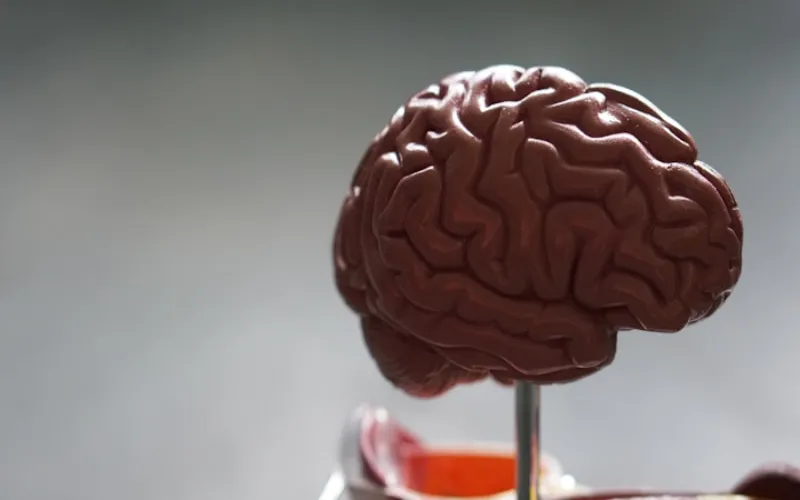
EEG: Electroencephalography — Brain Wave Recording
Electroencephalography (EEG) records the electrical activity of the brain through electrodes placed on the scalp. The brain's neurons communicate through electrical impulses, and these collective electrical patterns produce brain waves that can be detected and recorded by EEG. Different brain wave patterns (alpha, beta, theta, delta) reflect different states of brain function — alertness, relaxation, drowsiness, deep sleep — and abnormal patterns can indicate various neurological conditions.
EEG is the primary diagnostic tool for epilepsy, detecting the abnormal electrical discharges that cause seizures. It can identify the type of epilepsy (focal vs generalized), localize the seizure focus (critical for surgical planning), and monitor treatment effectiveness. Beyond epilepsy, EEG is used to evaluate unexplained loss of consciousness, assess altered mental status, diagnose encephalopathy (brain dysfunction from metabolic or toxic causes), evaluate sleep disorders, and monitor brain function during surgery (intraoperative EEG) and in intensive care settings. Standard EEG takes 20-40 minutes, while ambulatory EEG monitoring over 24-72 hours is used when seizures are infrequent or when a standard EEG is normal despite clinical suspicion of epilepsy.
Video-EEG monitoring combines continuous EEG recording with synchronized video, allowing neurologists to correlate EEG changes with observable clinical events (seizures, spells, movements). This is particularly valuable for classifying seizure types (some seizures are subtle and easily missed), distinguishing epileptic seizures from non-epileptic events (psychogenic non-epileptic seizures, syncope, movement disorders), and localizing the seizure focus for patients being evaluated for epilepsy surgery. Video-EEG monitoring typically requires 3-7 days as an inpatient, and international hospitals offer this service at 60-80% less than Western prices.
EMG & Nerve Conduction Studies (NCV)
Electromyography (EMG) and Nerve Conduction Velocity (NCV) studies are complementary tests that evaluate the function of peripheral nerves and muscles. NCV measures the speed at which electrical signals travel along nerves, detecting conditions that slow or block nerve conduction — carpal tunnel syndrome, peripheral neuropathy, Guillain-Barré syndrome, radiculopathy, and nerve entrapments. Small electrical shocks are applied to nerves at specific points, and the response is recorded by electrodes downstream. The test is mildly uncomfortable but well-tolerated.
EMG examines the electrical activity of muscles, detecting abnormalities that indicate nerve damage (denervation), muscle disease (myopathy), or neuromuscular junction disorders (myasthenia gravis). A thin needle electrode is inserted into muscles and the electrical activity is recorded at rest and during voluntary contraction. The patterns of electrical activity reveal whether the muscle problem originates in the nerve (neurogenic) or the muscle itself (myopathic), helping differentiate between conditions like ALS (amyotrophic lateral sclerosis), peripheral neuropathy, muscular dystrophy, inflammatory myopathy, and cervical or lumbar radiculopathy.
EMG/NCV studies are commonly ordered for numbness, tingling, or pain in the hands or feet (evaluating for carpal tunnel syndrome, peripheral neuropathy), weakness (differentiating nerve vs muscle causes), neck or back pain radiating to arms or legs (evaluating for radiculopathy), suspected neuromuscular disorders (ALS, myasthenia gravis, muscular dystrophy), and unexplained muscle wasting or cramping. The combined EMG/NCV study typically takes 30-60 minutes and provides immediate preliminary results, with the full formal report available within 24-48 hours.
Advanced Brain Imaging
Brain MRI is the gold standard for evaluating brain structure, detecting conditions ranging from tumors and strokes to demyelination (multiple sclerosis) and neurodegenerative diseases. 3T MRI provides significantly higher resolution brain images compared to 1.5T, with enhanced ability to detect small lesions, micro-bleeds, subtle cortical abnormalities, and white matter changes. Advanced MRI sequences available at leading international hospitals include diffusion-weighted imaging (DWI) for stroke detection, susceptibility-weighted imaging (SWI) for hemorrhage and vascular malformations, magnetic resonance angiography (MRA) for cerebrovascular evaluation, magnetic resonance spectroscopy (MRS) for tumor characterization, and functional MRI (fMRI) for presurgical brain mapping.
CT angiography (CTA) of brain and neck vessels provides rapid visualization of the cerebral and cervical vasculature, detecting conditions including carotid artery stenosis (a major stroke risk factor), cerebral aneurysms, arteriovenous malformations (AVMs), and vasculitis. CTA is faster than MRA and is the preferred initial investigation for acute stroke evaluation and subarachnoid hemorrhage assessment. Many patients with neurological symptoms benefit from both brain MRI and CTA to achieve comprehensive structural and vascular evaluation.
Cost Comparison by Country
Neurological Diagnostics Cost Comparison 2025
| Country | EEG | EMG + NCV | Brain MRI (3T) |
|---|---|---|---|
| USA | $500 - $3,000 | $800 - $3,500 | $1,500 - $5,000 |
| UK | $300 - $1,500 | $500 - $2,000 | $800 - $3,000 |
| Turkey | $100 - $400 | $150 - $500 | $200 - $700 |
| India | $50 - $200 | $100 - $350 | $100 - $500 |
| Thailand | $150 - $500 | $200 - $600 | $300 - $800 |
| South Korea | $200 - $600 | $250 - $700 | $400 - $1,000 |
| Germany | $300 - $800 | $400 - $1,200 | $500 - $1,500 |
Prices include the test, neurologist interpretation, and detailed report. Brain MRI price is for 3T with contrast when clinically indicated. Comprehensive neurological evaluation packages combining multiple tests are available at discounted rates.
The cost differential for neurological diagnostics between Western countries and medical tourism destinations is substantial. A comprehensive neurological evaluation in the US — including neurologist consultation, EEG, EMG/NCV, and brain MRI with contrast — can total $5,000-$15,000. The same evaluation at a JCI-accredited hospital in Turkey costs $500-$2,000, and in India $300-$1,500. For patients needing multiple tests or prolonged EEG monitoring, the savings abroad are even more significant. Many hospitals offer all-inclusive neuro-diagnostic packages that provide comprehensive evaluation at a predictable price.
Best Hospitals for Neurological Diagnostics Abroad
Memorial Sisli Hospital in Istanbul has a comprehensive neuroscience department equipped with the latest diagnostic technology including high-density EEG systems, advanced EMG/NCV equipment, and 3T MRI with full neuroimaging protocol capability. Their neurology team includes subspecialists in epilepsy, neuromuscular disorders, movement disorders, and dementia, ensuring expert interpretation regardless of the diagnostic question. The hospital's video-EEG monitoring unit and neurophysiology laboratory operate at standards comparable to leading academic medical centers worldwide.
Medipol Mega University Hospital combines university-level neurological expertise with comprehensive diagnostic capabilities. As a university hospital, Medipol has particular strength in complex and atypical neurological cases that benefit from academic-level evaluation. Their neuroimaging department uses the latest 3T MRI protocols for brain imaging, and their neurophysiology laboratory is equipped for routine and advanced EEG recording, video-EEG monitoring, EMG/NCV studies, and evoked potential testing. The neurology department conducts weekly multidisciplinary case conferences ensuring thorough case review.
Experiencing neurological symptoms? Get comprehensive neurological diagnostics at world-class hospitals.
Get Free Neuro Diagnostics Quote
Common Conditions Diagnosed Through Neurological Testing
Neurological diagnostics can identify a wide spectrum of conditions affecting the brain, spinal cord, peripheral nerves, and muscles. Epilepsy and seizure disorders are diagnosed primarily through EEG, with brain MRI to identify structural causes. Multiple sclerosis is detected through brain and spinal cord MRI showing characteristic demyelinating lesions, supported by evoked potentials and cerebrospinal fluid analysis. Peripheral neuropathy — commonly caused by diabetes, vitamin deficiencies, autoimmune conditions, or toxic exposures — is diagnosed through EMG/NCV studies revealing patterns of nerve damage.
Cerebrovascular diseases including stroke, transient ischemic attack (TIA), carotid stenosis, and cerebral aneurysms are diagnosed through brain MRI, CTA, and MRA. Neurodegenerative conditions such as Parkinson's disease, Alzheimer's disease, and ALS are evaluated through a combination of clinical assessment, brain imaging, and neurophysiology testing. Brain tumors are detected and characterized through contrast-enhanced MRI, sometimes supplemented by MR spectroscopy and PET imaging. Movement disorders, headache syndromes, neuromuscular junction disorders, and spinal cord conditions all benefit from targeted neurological diagnostic evaluation.
The nervous system is the most complex organ system in the human body, and its disorders require equally sophisticated diagnostic tools. Modern neurological diagnostics — combining advanced imaging, neurophysiology, and expert clinical interpretation — can identify the cause of neurological symptoms with remarkable precision.
World Federation of Neurology, Diagnostic Standards in Neurology
Frequently Asked Questions
Is an EEG test painful?
No, EEG is completely painless. Electrodes are attached to the scalp with a conductive paste, and the test simply records brain electrical activity. You don't feel anything during the recording. The main challenge is sitting still for 20-40 minutes (or longer for ambulatory recordings). Some patients find the electrode application messy, but it washes out easily.
Is an EMG test painful?
EMG/NCV involves mild discomfort. The nerve conduction component uses small electrical shocks that feel like brief static electricity — uncomfortable but tolerable. The needle EMG component involves inserting a thin needle into muscles — similar to acupuncture. Most patients tolerate the test well. The discomfort is brief and there are no lasting effects.
Do I need a referral for neurological testing abroad?
While not always required, having a referral letter describing your symptoms and clinical question helps the neurologist abroad plan the most appropriate diagnostic evaluation. If you don't have a referral, the hospital's neurologist will perform a clinical assessment first and determine which tests are indicated.
How long do neurological test results take?
EEG results are typically available within 24-48 hours. EMG/NCV preliminary results are often discussed immediately after the test, with formal reports in 24-48 hours. Brain MRI reports take 12-24 hours. Comprehensive neurological evaluation reports summarizing all findings are typically ready within 2-3 days.
Can neurological tests diagnose all brain conditions?
No single test diagnoses all conditions. Different tests evaluate different aspects of neurological function. EEG detects electrical abnormalities, EMG/NCV assesses nerve and muscle function, and MRI visualizes brain structure. Some conditions require multiple tests for diagnosis. Your neurologist will determine which combination of tests is most appropriate for your symptoms.
Should I bring previous brain scans?
Yes, always bring previous neurological imaging (on CD or USB) and any previous test reports (EEG, EMG, blood work). Comparison with prior studies is extremely valuable — a neurologist can identify changes over time that may not be apparent on a single study. Also bring a list of medications, symptoms timeline, and family medical history.