Why Turkey for Cosmetic Surgery?
Turkey's rise as the global leader in cosmetic surgery tourism is no accident. The country has invested billions in healthcare infrastructure, training world-class surgeons, and building a patient experience that sets the global standard. Prestigious institutions like American Hospital Istanbul exemplify this commitment to excellence. Istanbul alone hosts over 50 JCI-accredited hospitals — more than any other city in the world — and the government actively supports medical tourism through regulatory frameworks that protect international patients.
The numbers tell the story: over 1.2 million international patients traveled to Turkey for medical procedures in 2024, generating over $2 billion in revenue. Cosmetic surgery accounts for the largest share, with hair transplants, rhinoplasty, breast augmentation, and body contouring leading the demand. The combination of European-trained surgeons, state-of-the-art facilities, generous all-inclusive packages, and dramatic cost savings has proven irresistible to patients from over 100 countries.

Cost Comparison: Turkey vs. USA
The cost difference between Turkey and the US is driven by several factors: lower operating costs (rent, salaries, utilities), favorable exchange rates (the Turkish lira), government subsidies for medical tourism, and intense competition among hundreds of clinics. Importantly, these savings do not reflect lower quality — Turkey's top clinics use the same implant brands, equipment, and surgical techniques as leading American practices.
Popular Cosmetic Procedures: Turkey vs USA 2025
| Country | Procedure Cost | With Hospital Stay | Savings vs USA |
|---|---|---|---|
| USA | $8,000 - $20,000 (varies by procedure) | $10,000 - $25,000 | — |
| Turkey | $2,000 - $8,000 (varies by procedure) | $2,500 - $10,000 | Up to 80% |
| Mexico | $3,000 - $10,000 | $4,000 - $12,000 | Up to 60% |
| Thailand | $2,500 - $9,000 | $3,500 - $11,000 | Up to 65% |
| South Korea | $3,500 - $12,000 | $4,500 - $14,000 | Up to 55% |
| Colombia | $2,500 - $8,000 | $3,200 - $10,000 | Up to 65% |
| Czech Republic | $3,000 - $9,000 | $3,800 - $11,000 | Up to 60% |
| India | $1,500 - $6,000 | $2,000 - $7,500 | Up to 80% |
Prices represent typical ranges across most popular procedures (rhinoplasty, breast augmentation, tummy tuck, liposuction, hair transplant). Turkey offers all-inclusive packages for most procedures.
What makes Turkey's pricing especially attractive is the all-inclusive model. A typical package from a top Istanbul clinic — such as Liv Hospital Istanbul — includes the surgical procedure, all medical fees, 1-2 nights in a private hospital room, 5-7 nights at a 4-5 star hotel, VIP airport transfers, a personal patient coordinator, and all medications and aftercare supplies. Many packages even include guided city tours during your recovery.
Discover why over a million patients choose Turkey. Browse verified Istanbul clinics with transparent pricing and real patient reviews.
Explore Turkish ClinicsMost Popular Procedures in Turkey
- Hair transplant (FUE/DHI): Turkey performs over 500,000 hair transplants annually — more than the rest of the world combined. Istanbul is the global capital for hair restoration.
- Rhinoplasty: Turkish surgeons perform over 200,000 nose jobs per year. Istanbul has some of the world's most experienced rhinoplasty specialists.
- Breast augmentation: All-inclusive packages with premium Motiva or Mentor implants, hospital stay, and luxury recovery at $3,500-$5,500 total.
- Tummy tuck & liposuction: Body contouring is hugely popular, with Turkish surgeons excelling in VASER Hi-Def liposuction and extensive tummy tuck procedures.
- BBL (Brazilian Butt Lift): Istanbul clinics have invested heavily in BBL safety protocols, including ultrasound-guided fat injection and mandatory overnight stays.
- Dental veneers & implants: Turkey's dental tourism sector is equally robust, with Hollywood smile packages (16-20 veneers) available for $3,000-$5,000.
How to Choose a Turkish Clinic
With hundreds of cosmetic surgery clinics in Istanbul, choosing the right one requires research. Look for JCI or TEMOS accreditation, which ensures international safety and quality standards. Verify your surgeon's credentials with the Turkish Medical Association. Review patient testimonials on independent platforms (not just the clinic's website) and ask for before-and-after photos of patients with similar goals and anatomy.
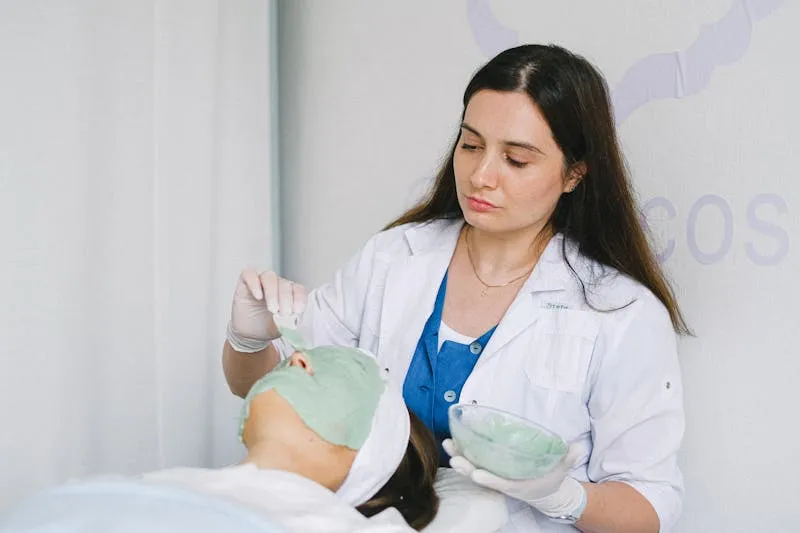
Be cautious of clinics that seem too good to be true. Ultra-low pricing, aggressive social media marketing without verifiable credentials, and pressure to book quickly are red flags. The best Turkish clinics have waiting lists because their reputation speaks for itself. A reputable clinic will never pressure you into a decision.
I spent three months researching clinics in Istanbul before choosing mine. The surgeon had 15 years of experience, the hospital was JCI-accredited, and the reviews were overwhelmingly positive. My rhinoplasty was flawless, and the aftercare was better than anything I've experienced in the US. Turkey has earned its reputation.
Michael D., treated in Turkey
The Patient Experience in Istanbul
From the moment you land in Istanbul, the experience at top clinics is designed to be effortless. A VIP driver meets you at the airport and takes you directly to your hotel or clinic. Your patient coordinator — typically bilingual or multilingual — accompanies you to all appointments, handles all logistics, and is available 24/7 via WhatsApp. Many patients describe the experience as feeling like a luxury concierge service combined with world-class medical care.

Istanbul itself is a magnificent city that enhances the recovery experience. Between appointments, patients enjoy the historic Grand Bazaar, the stunning Bosphorus waterfront, and Turkey's legendary cuisine. Many patients extend their stay by a few days to experience the city once they're feeling well enough — turning their medical trip into a memorable cultural experience.
Safety Standards & Accreditations
Turkey's healthcare system is regulated by the Turkish Ministry of Health, which sets strict standards for surgical facilities and practitioner qualifications. Hospitals like Koç University Hospital maintain the highest international accreditations. Key certifications to look for include JCI (Joint Commission International), TEMOS (an international quality certification for medical tourism), and ISO certification. The top Turkish hospitals also maintain partnerships with leading European and American medical institutions.
Turkish law requires all cosmetic surgery procedures to be performed in licensed hospitals or surgical centers, not in office-based settings. This provides an important safety net — including access to intensive care units, blood banks, and 24/7 emergency support. International patients are also protected by Turkish consumer protection laws regarding medical services.
Join over a million satisfied patients. Explore Turkey's top-rated cosmetic surgery clinics and start planning your transformation.
Browse Turkish ClinicsFrequently Asked Questions
Frequently Asked Questions
Is cosmetic surgery safe in Turkey?
Yes, Turkey has a well-regulated healthcare system with over 50 JCI-accredited hospitals in Istanbul alone. The key is choosing an accredited facility with a board-certified plastic surgeon. Turkey performs more cosmetic procedures annually than most countries, meaning Turkish surgeons have extensive experience. Always verify credentials independently.
Do Turkish surgeons speak English?
Most top cosmetic surgeons in Istanbul speak English fluently, having trained at international institutions. Additionally, clinics provide dedicated patient coordinators who speak English, Arabic, German, French, and other languages. Communication is rarely an issue at reputable clinics.
What are all-inclusive packages in Turkey?
All-inclusive packages typically cover the surgical procedure, all medical fees, anesthesia, private hospital room (1-2 nights), hotel accommodation (5-7 nights at 4-5 star hotels), VIP airport transfers, personal patient coordinator, post-operative medications, and follow-up appointments. Some packages also include PRP therapy, lymphatic drainage massages, and city tours.
How do I get to Istanbul?
Istanbul's new airport (IST) is one of the world's largest aviation hubs, with direct flights from most major cities worldwide. Flight times are 3-4 hours from Europe, 10-12 hours from the US East Coast, and 6-8 hours from the Middle East. Turkish Airlines and many international carriers operate regular routes. Visa-free or e-visa entry is available for most nationalities.
What if I need revision surgery after returning home?
Reputable Turkish clinics offer revision policies that cover any necessary corrective procedures within a specified period (typically 6-12 months). Some clinics cover revision surgery costs entirely, while others charge only for hospital fees. Ensure you understand the revision policy before booking. Virtual follow-up via WhatsApp video call is standard for ongoing monitoring.
When is the best time to visit Turkey for surgery?
Spring (April-May) and autumn (September-November) offer the most comfortable weather for recovery — warm but not excessively hot. Summer can be very hot in Istanbul (30-35C), which may increase post-operative swelling. Winter is mild but rainy. Many clinics have seasonal promotions during quieter months (January-March).