Common Congenital Heart Defects
Congenital heart defects (CHDs) are structural abnormalities of the heart that develop during fetal development, affecting the heart's walls, valves, or blood vessels. They represent the most common type of birth defect worldwide, occurring in approximately 8-10 per 1,000 live births. The spectrum of CHDs ranges from simple defects that may resolve spontaneously or require minimal intervention to complex multi-component anomalies that demand sophisticated surgical repair in the neonatal period. Advances in prenatal ultrasound and fetal echocardiography now allow many CHDs to be diagnosed before birth, enabling families to plan for the surgical care their child will need and explore treatment options including international centers of excellence.
Atrial septal defect (ASD) and ventricular septal defect (VSD) are the most common congenital heart defects, accounting for approximately 40% of all CHD diagnoses. An ASD is a hole in the wall (septum) between the upper chambers (atria) of the heart, while a VSD is a hole in the wall between the lower chambers (ventricles). Small defects may close spontaneously during the first few years of life, but larger defects that cause significant left-to-right shunting — where oxygen-rich blood flows back into the lungs instead of circulating to the body — require surgical or catheter-based closure to prevent pulmonary hypertension, heart failure, and growth failure. Patent ductus arteriosus (PDA), another common CHD, involves the persistence of a fetal blood vessel connecting the aorta and pulmonary artery that normally closes shortly after birth.
Complex congenital heart defects include Tetralogy of Fallot (ToF), transposition of the great arteries (TGA), hypoplastic left heart syndrome (HLHS), atrioventricular septal defects (AVSD), total anomalous pulmonary venous return (TAPVR), and truncus arteriosus. These conditions involve multiple structural abnormalities that severely disrupt normal cardiac blood flow and oxygen delivery, often requiring surgical intervention within the first days to weeks of life. Tetralogy of Fallot, the most common cyanotic CHD, involves four related defects — a large VSD, pulmonary stenosis, an overriding aorta, and right ventricular hypertrophy — and is typically repaired in a single operation between three and six months of age. Hypoplastic left heart syndrome, where the left side of the heart is severely underdeveloped, requires a series of three staged surgical procedures (Norwood, Glenn, and Fontan) performed over the first several years of life.

- Atrial Septal Defect (ASD): Hole between upper chambers; may close spontaneously; surgical or catheter closure for large defects; excellent long-term prognosis
- Ventricular Septal Defect (VSD): Hole between lower chambers; most common CHD; surgical closure for hemodynamically significant defects; usually repaired by age 1-2
- Patent Ductus Arteriosus (PDA): Persistent fetal vessel connecting aorta and pulmonary artery; can be closed with medication, catheter device, or surgery
- Tetralogy of Fallot (ToF): Four-component defect causing cyanosis; complete repair typically at 3-6 months; excellent long-term survival exceeding 90% at 25 years
- Transposition of Great Arteries (TGA): Aorta and pulmonary artery switched; arterial switch operation within first 1-2 weeks of life; 95%+ survival at experienced centers
- Hypoplastic Left Heart Syndrome (HLHS): Underdeveloped left heart; requires three staged surgeries (Norwood, Glenn, Fontan) over first 3-4 years of life
- Atrioventricular Septal Defect (AVSD): Large central hole with shared AV valve; common in Down syndrome; surgical repair typically at 3-6 months of age
- Coarctation of Aorta: Narrowing of the main artery leaving the heart; surgical repair or balloon angioplasty; may recur and require re-intervention
When to Consider Surgery Abroad
Parents consider pediatric cardiac surgery abroad for several compelling reasons including prohibitive costs in their home country, long waiting lists that could allow their child's condition to deteriorate, limited access to specialized pediatric cardiac surgical expertise locally, or the desire to access specific surgeons or techniques not available in their region. In the United States, even with health insurance, families can face out-of-pocket costs of $10,000 to $50,000 or more for complex pediatric cardiac surgery, and uninsured or underinsured families may find the full cost of $100,000 to $300,000 impossible to bear. In developing countries with limited pediatric cardiac surgery capacity, children may wait months or years for surgery while their condition progressively worsens.
The decision to take a child abroad for heart surgery is emotionally challenging and should be approached with careful deliberation and thorough research. Parents should consider surgery abroad when their child's condition is stable enough to permit safe travel, when they have identified a specific pediatric cardiac center with documented expertise in their child's particular defect, and when they can commit to the logistical requirements including an extended stay of three to six weeks in the destination country, travel with appropriate medical documentation, and arrangements for post-operative follow-up with a pediatric cardiologist at home. Emergency or urgent surgeries — such as arterial switch operations for TGA that must be performed within the first two weeks of life — are generally not suitable for medical tourism due to the time-critical nature of these interventions.
Cost Comparison by Country
The cost of pediatric cardiac surgery varies dramatically worldwide, creating significant opportunities for families to access high-quality surgical care at substantially lower costs than available domestically. Simple defect repairs such as ASD closure, VSD patch repair, and PDA ligation range from $50,000 to $100,000 in the United States compared to $5,000 to $28,000 at leading international centers. Complex repairs including Tetralogy of Fallot correction, arterial switch operations, and Fontan completions range from $150,000 to over $300,000 in the US compared to $12,000 to $70,000 abroad, depending on the country and the specific procedure required.
Pediatric Cardiac Surgery Cost Comparison 2025
| Country | Simple Repair Cost | Complex Repair Cost | Savings vs USA |
|---|---|---|---|
| USA | $50,000 - $100,000 | $150,000 - $300,000+ | — |
| Turkey | $12,000 - $25,000 | $25,000 - $50,000 | Up to 83% |
| India | $5,000 - $12,000 | $12,000 - $30,000 | Up to 90% |
| Thailand | $15,000 - $28,000 | $30,000 - $55,000 | Up to 82% |
| South Korea | $20,000 - $35,000 | $40,000 - $70,000 | Up to 77% |
| Malaysia | $8,000 - $18,000 | $18,000 - $40,000 | Up to 87% |
| Colombia | $10,000 - $20,000 | $20,000 - $45,000 | Up to 85% |
| Mexico | $12,000 - $22,000 | $25,000 - $50,000 | Up to 83% |
Simple repairs include ASD closure, VSD closure, and PDA ligation. Complex repairs include Tetralogy of Fallot repair, arterial switch operation, Fontan procedure, and multi-stage single ventricle palliation. Neonatal and infant procedures may cost more due to specialized equipment and extended ICU stays. All prices are approximate.
India is home to some of the world's most experienced and affordable pediatric cardiac surgery programs. Narayana Health in Bangalore, under the leadership of Dr. Devi Shetty, performs over 3,000 pediatric cardiac surgeries annually at costs starting as low as $5,000 for simple repairs, making it one of the highest-volume pediatric cardiac centers in the world. The sheer volume of cases provides their surgical teams with unparalleled experience, particularly in complex neonatal procedures. Turkey offers a compelling alternative with costs ranging from $12,000 to $50,000, combining affordability with modern hospital facilities that rival the best Western institutions. Centers like American Hospital Istanbul feature dedicated pediatric cardiac surgery units with specialized pediatric cardiac ICUs, neonatal intensive care capabilities, and child life specialists who help young patients and their families cope with the hospitalization experience.
When evaluating costs for pediatric cardiac surgery abroad, parents should consider the total financial picture including international flights for the child and at least one parent (business class is recommended for post-operative travel with an infant or young child), accommodation near the hospital for four to six weeks, local transportation, meals, communication expenses, and the cost of potential complications or extended stays. Despite these additional expenses, the total cost of treatment abroad — including all travel and living costs — typically remains 50-75% lower than the medical costs alone in the United States. Some international hospitals offer comprehensive pediatric cardiac packages that include pre-operative evaluation, surgery, hospitalization, medications during the stay, and scheduled follow-up appointments at a single bundled price.
Choosing a Pediatric Cardiac Center
Selecting the right hospital for a child's heart surgery is arguably the most important decision parents will make in this process, and it requires evaluation of multiple quality indicators specific to pediatric cardiac surgery. The single most important predictor of surgical outcomes in pediatric cardiac surgery is institutional volume — the total number of pediatric cardiac procedures performed annually. International benchmarks suggest that high-quality pediatric cardiac programs should perform at least 200-300 open-heart procedures per year in children, with the highest-performing centers exceeding 500 or even 1,000 annual cases. Higher volume is consistently associated with lower mortality rates, fewer complications, shorter ICU and hospital stays, and better long-term functional outcomes.
Beyond volume, parents should evaluate the specific expertise of the surgical team with their child's particular defect. A hospital that performs excellent VSD repairs may not necessarily have extensive experience with complex neonatal procedures like the Norwood operation for HLHS. Parents should request the surgeon's personal case volume and outcomes for their child's specific diagnosis, not just the hospital's overall statistics. At Koç University Hospital, the pediatric cardiac surgery team includes surgeons with subspecialty expertise in specific defect categories, and the hospital's quality reporting system tracks individual surgeon outcomes by diagnosis and procedure type, providing parents with transparent information to support their decision-making.
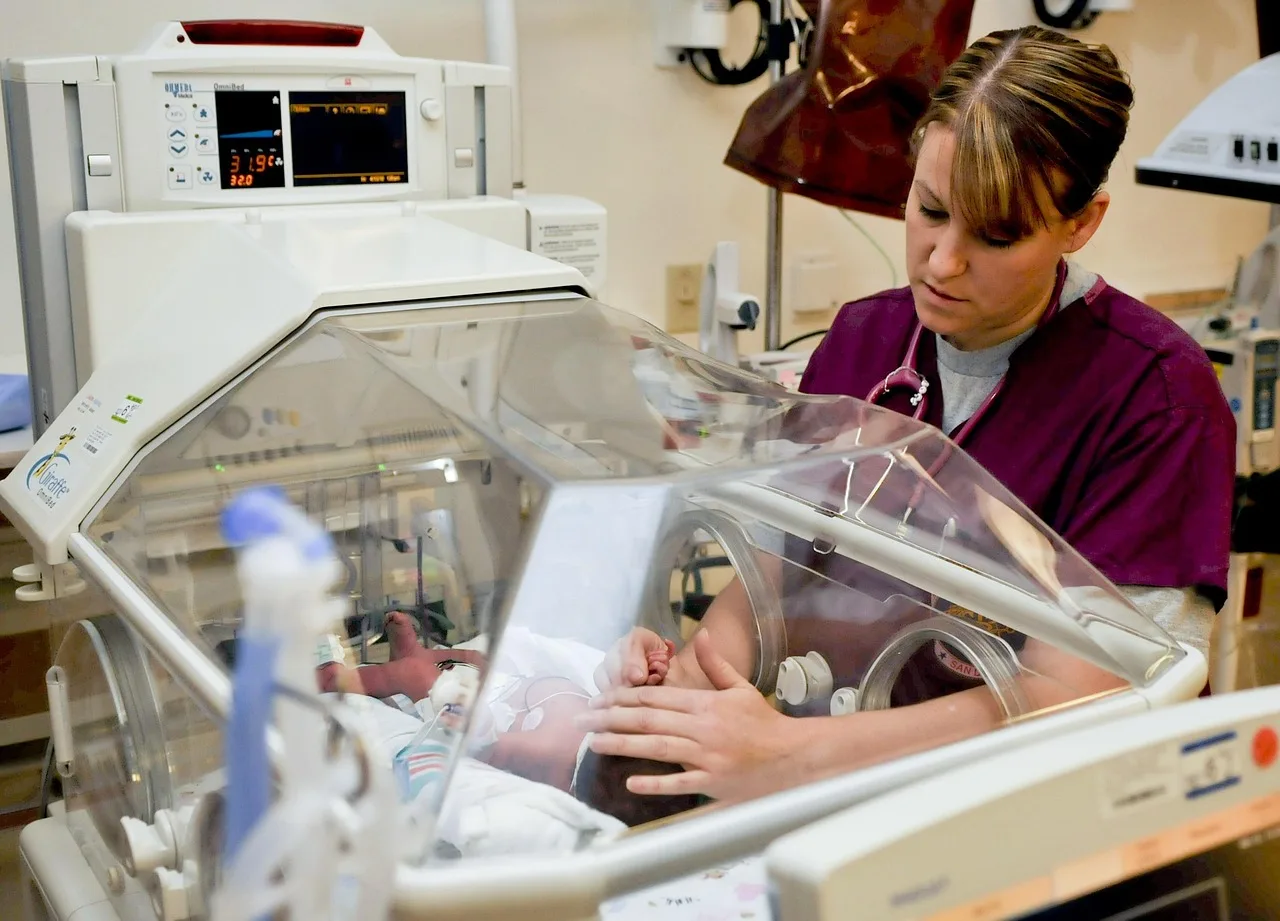
The availability of comprehensive pediatric support services is essential when evaluating international hospitals for children's heart surgery. A complete pediatric cardiac program requires not only excellent surgeons but also dedicated pediatric cardiac anesthesiologists experienced in managing the unique physiological challenges of cardiac surgery in neonates and infants, a specialized pediatric cardiac ICU staffed with nurses trained in post-operative care of children with complex heart disease, pediatric perfusionists experienced in running the heart-lung bypass machine at the small blood volumes and flow rates required for infants, and pediatric cardiologists who can perform pre-operative and post-operative echocardiographic assessment and cardiac catheterization. Additionally, child life specialists, social workers, and multilingual patient coordinators play vital roles in supporting families through the emotionally challenging experience of their child's surgery abroad.
When choosing a pediatric cardiac center abroad, parents should look beyond impressive hospital buildings and marketing materials. The critical factors are the surgical team's specific experience with your child's diagnosis, the hospital's outcome data compared to international benchmarks, and the availability of a complete pediatric cardiac support infrastructure from the operating room to the ICU and beyond.
Dr. Amira Hassan, Pediatric Cardiac Surgery Quality Advisor
Parent Preparation & Travel Planning
Preparing for a child's cardiac surgery abroad requires meticulous planning across medical, logistical, emotional, and practical dimensions. The medical preparation should begin with obtaining a comprehensive second opinion from an independent pediatric cardiologist who can review the diagnosis, confirm the need for surgery, and evaluate the appropriateness of the recommended surgical approach. Parents should request remote pre-operative consultations with the international surgical team, during which the surgeon reviews the child's echocardiogram images, catheterization data, and clinical history, and discusses the planned surgical approach, expected outcomes, potential complications, and estimated recovery timeline in detail.
Travel planning for pediatric cardiac surgery requires consideration of the child's medical stability during transit. Airlines generally require a medical clearance letter for children with known cardiac conditions, and parents should carry a complete set of the child's medical records, current medications, and emergency contact information for both the home and destination medical teams. Direct flights are strongly preferred to minimize travel time and stress on the child. Upon arrival in the destination city, families should have pre-arranged transportation from the airport to their accommodation, which should be located within fifteen to twenty minutes of the hospital to ensure rapid access in case of any pre-operative concerns.

- 8-12 weeks before: Research hospitals, request remote consultations, submit medical records for evaluation, obtain cost estimates from multiple centers
- 6-8 weeks before: Select hospital and surgeon, confirm surgery date, arrange travel documents (passports, visas), start travel insurance process
- 4 weeks before: Book flights (direct preferred, aisle seats for comfort), reserve accommodation near hospital, arrange local transportation
- 2 weeks before: Final virtual consultation with surgical team, confirm all pre-operative testing requirements, prepare medication and medical records travel kit
- 3 days before surgery: Arrive at destination, pre-operative consultations and testing, hospital admission, meet surgical and ICU teams
- Post-surgery: Plan 3-6 week stay for recovery and follow-up before return travel, arrange pediatric cardiologist follow-up at home
Recovery & Long-Term Aftercare
Recovery from pediatric cardiac surgery follows a trajectory that depends heavily on the child's age, the complexity of the repair, and the presence of any associated conditions. For simple defect repairs (ASD, VSD, PDA), children typically spend one to two days in the pediatric cardiac ICU followed by three to five days on the pediatric ward, with total hospitalization averaging five to seven days. Children are remarkably resilient and often progress faster than adults — it is common to see toddlers playing and walking within two to three days of open-heart surgery. Complex repairs and neonatal procedures require longer ICU stays of three to seven days or more, and total hospitalization may extend to two to four weeks depending on the child's recovery trajectory.
Long-term aftercare for children who have undergone cardiac surgery for congenital heart defects requires ongoing follow-up with a pediatric cardiologist, typically lifelong. The frequency and intensity of follow-up depend on the type of repair performed and the child's residual cardiac anatomy. Children who have had simple defect closures (ASD, VSD) generally require annual or biennial cardiology visits with echocardiography to monitor for any residual defects, valve function, and ventricular performance. Children with more complex repairs such as Tetralogy of Fallot correction, single ventricle palliation (Fontan circulation), or valve repairs/replacements require more frequent monitoring and may need additional interventions or revisions as they grow. Parents should establish care with a pediatric cardiologist experienced in congenital heart disease management before returning home from surgery abroad.
The psychosocial dimensions of pediatric cardiac surgery abroad deserve careful attention from parents. Children undergoing heart surgery may experience anxiety, fear, regression in developmental milestones, sleep disturbances, and behavioral changes during and after the hospitalization. Parents themselves often experience significant emotional stress, guilt, and exhaustion during their child's treatment abroad. Many international pediatric cardiac centers now incorporate child life specialists, play therapists, and psychosocial support services to help families cope with these challenges. At hospitals like Liv Hospital Istanbul, dedicated family support coordinators work with parents throughout the treatment journey, providing emotional support, facilitating communication with the medical team, and helping with practical arrangements that reduce the stress associated with caring for a sick child in an unfamiliar country.
Seeking expert pediatric cardiac care abroad for your child? Our pediatric cardiac advisors can connect you with verified high-volume centers, help you evaluate surgical teams, and guide you through every step of the planning process.
Get Pediatric Cardiac ConsultationActivity restrictions after pediatric cardiac surgery are generally minimal compared to adult patients. Children who have undergone sternotomy should avoid contact sports, rough play, and activities that could result in chest impact for six to eight weeks while the sternum heals. Swimming is typically restricted for four to six weeks until incisions are fully healed. Most children can return to school within two to four weeks for simple repairs and four to six weeks for complex procedures, with temporary physical education restrictions in place until cleared by the cardiologist. After the recovery period, most children who have undergone successful cardiac repair can lead fully active lives without significant exercise limitations, which is one of the most rewarding outcomes of pediatric cardiac surgery.
Compare pediatric cardiac surgery costs and hospitals across Turkey, India, Thailand, and more. We provide detailed comparisons of pediatric cardiac expertise, surgical volumes, outcome data, and family support services.
Compare Pediatric Cardiac CentersFrequently Asked Questions
Frequently Asked Questions
At what age can a child safely travel abroad for heart surgery?
The appropriate age for travel depends on the specific cardiac defect and urgency of repair. Elective procedures like ASD or VSD closure are often best performed between 6 months and 3 years of age, allowing time for spontaneous closure while preventing irreversible changes. Most international centers accept children from newborn age onward for urgent procedures. For semi-elective surgeries, traveling when the child is at least 3-6 months old and weighs more than 4-5 kg provides the safest conditions for both surgery and travel. Always consult your pediatric cardiologist about the optimal timing for your child's specific condition.
How do I know if an international hospital is qualified for pediatric cardiac surgery?
Key quality indicators include annual pediatric cardiac surgery volume (minimum 200-300 cases/year, ideally 500+), availability of a dedicated pediatric cardiac ICU with experienced nursing staff, fellowship-trained pediatric cardiac surgeons and anesthesiologists, JCI accreditation or equivalent national accreditation, published outcome data comparable to international benchmarks, and the ability to manage the full spectrum of congenital heart defects from simple to complex. Request specific mortality and complication rates for your child's diagnosis and compare them with STS (Society of Thoracic Surgeons) congenital database benchmarks.
What is the success rate for pediatric heart surgery at international centers?
Success rates at experienced international pediatric cardiac centers are comparable to leading Western institutions. Simple repairs (ASD, VSD, PDA) have success rates exceeding 98-99% with operative mortality well below 1%. Tetralogy of Fallot repair achieves 97-98% survival at high-volume centers. Complex neonatal procedures like the arterial switch operation for TGA achieve 95%+ survival at the best international programs. The most complex procedures (Norwood for HLHS) carry higher risks with survival rates of 80-90% at specialized centers. Overall outcomes are strongly correlated with institutional volume and surgeon experience.
How long should we plan to stay abroad for our child's heart surgery?
Plan for a total stay of 3-6 weeks depending on the procedure complexity. Simple repairs (ASD, VSD): 3-4 weeks total (pre-op evaluation, 5-7 day hospitalization, 2 weeks recovery). Complex repairs (ToF, TGA): 4-6 weeks (pre-op, 2-3 week hospitalization, 2-3 weeks recovery). Staged procedures (HLHS Norwood/Glenn/Fontan) require separate trips for each stage. Allow time for pre-operative testing, post-discharge recovery, follow-up echocardiograms, and medical clearance for return flight.
What should I bring for my child when traveling abroad for cardiac surgery?
Essential items include all medical records and imaging on CD/DVD, current medications in original containers with prescriptions, insurance documentation, passport and visa documents for child and parents, and comfort items from home (favorite toys, blankets, books). Practical items include a car seat for local transportation, appropriate clothing (front-opening garments for post-surgery), translation apps on your phone, and a supply of any specialized formula or dietary items your child requires. Also bring entertainment devices with downloaded content, as hospital WiFi may be unreliable.
Will my child need additional surgeries after the initial repair abroad?
This depends on the specific defect and type of repair. Simple defect closures (ASD, VSD, PDA) are typically definitive, with less than 1-2% requiring re-intervention. Valve repairs may need revision as the child grows — biological valves placed in children will eventually need replacement. Complex single-ventricle palliation (Fontan) is performed in 2-3 stages. Tetralogy of Fallot repair is usually definitive, but 10-15% of patients require pulmonary valve replacement during adolescence or adulthood. Your surgeon will discuss the long-term surgical outlook specific to your child's anatomy and repair.
Is it safe to fly with a baby after heart surgery?
Most pediatric cardiac surgeons clear children for air travel 2-4 weeks after surgery, depending on the procedure and recovery. Key requirements include stable oxygen saturations, healed surgical incisions, no ongoing need for supplemental oxygen, stable medication regimen, and physician clearance letter. Request a bassinet seat for infants and bring supplemental oxygen authorization if prescribed. Cabin pressure changes are generally well-tolerated after cardiac surgery but may cause mild discomfort. A direct flight is strongly recommended, and traveling with a medical kit including prescribed medications, emergency contacts, and your child's complete surgical records is essential.
How do I transition my child's care back to our home cardiologist?
Before departing the international center, obtain comprehensive surgical records including the operative report, perfusion record, ICU course summary, discharge summary with medication list and follow-up recommendations, all echocardiogram reports and images, pathology results if applicable, and a detailed letter to the home cardiologist. Ideally, arrange for the international surgeon to speak directly with your home pediatric cardiologist to discuss the procedure findings and recommended follow-up plan. Schedule the first follow-up appointment with your home cardiologist within 1-2 weeks of returning. Ensure your home cardiologist has the expertise and imaging capabilities to manage your child's specific post-operative anatomy.