Understanding Heart Valve Surgery
The human heart contains four valves — the aortic, mitral, tricuspid, and pulmonary — each designed to ensure that blood flows in only one direction through the heart's chambers. When one or more of these valves becomes damaged due to congenital defects, rheumatic fever, infections, or age-related degeneration, the valve may fail to open fully (stenosis) or close properly (regurgitation). Either condition forces the heart to work significantly harder to pump blood effectively, eventually leading to heart failure, arrhythmias, and other life-threatening complications if left untreated.
Heart valve surgery addresses these problems either through repair (preserving the patient's native valve) or replacement (substituting a prosthetic valve). Valve repair is generally preferred when feasible because it preserves the heart's natural anatomy and avoids the need for lifelong anticoagulation therapy. However, when the valve is too severely damaged or calcified for repair, replacement with either a mechanical or biological prosthetic valve becomes necessary. The choice between repair and replacement depends on the specific valve affected, the nature and severity of the disease, the patient's age, and other individual health factors.
In the United States, heart valve replacement surgery costs between $80,000 and $250,000 for traditional open surgery, and even more for transcatheter approaches like TAVR. These costs create a devastating financial burden for uninsured and underinsured patients. Internationally, accredited cardiac centers offer identical procedures using the same FDA-approved valve prostheses at dramatically lower prices. Institutions like American Hospital Istanbul employ cardiac surgeons with extensive training at leading Western medical centers and achieve surgical outcomes that rival the world's best hospitals.

Mechanical vs Biological Valves
Mechanical heart valves are manufactured from durable synthetic materials including pyrolytic carbon, titanium, and polyester. These valves are engineered to last indefinitely, making them an excellent choice for younger patients who want to avoid the possibility of a second valve surgery later in life. The primary drawback of mechanical valves is the absolute requirement for lifelong anticoagulation therapy with warfarin (Coumadin) to prevent blood clots from forming on the valve's surface. Patients must undergo regular INR blood testing to ensure their anticoagulation levels remain within the therapeutic range, and activities with a high risk of bleeding injury may need to be avoided or modified.
Biological (bioprosthetic) heart valves are constructed from animal tissue, most commonly bovine (cow) pericardium or porcine (pig) valve leaflets, mounted on a frame or stent. These valves closely mimic the function of natural heart valves and do not typically require long-term anticoagulation therapy, allowing patients to enjoy a less restricted lifestyle. The trade-off is durability — biological valves gradually degenerate over time and typically last ten to twenty years before requiring replacement. For patients over sixty to sixty-five years of age, a biological valve often represents the optimal choice because the valve's lifespan is likely to exceed the patient's remaining life expectancy.
- Mechanical Valves: Lifetime durability, requires daily warfarin, regular INR monitoring, audible clicking sound, ideal for patients under 50-60 years
- Biological Valves (Bovine/Porcine): 10-20 year lifespan, no long-term blood thinners needed, quieter operation, best for patients over 60-65 years
- Homograft Valves: Donated human valves, excellent hemodynamics, limited availability, used primarily for aortic valve replacement in younger patients
- Ross Procedure: Uses patient's own pulmonary valve to replace the aortic valve, excellent long-term results in younger patients, complex surgical technique
Cost Comparison by Country
The financial advantage of having heart valve replacement surgery abroad is substantial. In the United States, the all-inclusive cost for open valve replacement surgery ranges from $80,000 to $250,000, encompassing pre-operative diagnostics, the prosthetic valve itself, surgeon and anesthesiologist fees, perfusionist services, ICU stay, and the total hospital admission. Insurance copays and deductibles can still leave patients facing $20,000 to $50,000 in out-of-pocket expenses even with good coverage, and many insurance plans require extensive prior authorization processes that delay treatment.
Heart Valve Replacement Cost Comparison 2025
| Country | Open Valve Replacement | TAVR/TAVI | Savings vs USA |
|---|---|---|---|
| USA | $80,000 - $250,000 | $120,000 - $350,000 | — |
| Turkey | $15,000 - $30,000 | $25,000 - $50,000 | Up to 85% |
| India | $8,000 - $18,000 | $20,000 - $35,000 | Up to 90% |
| Thailand | $18,000 - $35,000 | $30,000 - $55,000 | Up to 78% |
| Mexico | $20,000 - $40,000 | $35,000 - $60,000 | Up to 75% |
| South Korea | $25,000 - $45,000 | $40,000 - $65,000 | Up to 70% |
| Malaysia | $12,000 - $22,000 | $25,000 - $40,000 | Up to 85% |
| Colombia | $14,000 - $28,000 | $28,000 - $45,000 | Up to 82% |
Prices include the prosthetic valve, surgeon fees, hospital stay, and basic post-operative care. TAVR costs are higher due to the specialized catheter-delivered valve device.
Turkey offers exceptional value for heart valve replacement, with costs ranging from $15,000 to $30,000 for open surgery and $25,000 to $50,000 for TAVR procedures. At Koc University Hospital, patients benefit from surgeons who have trained at world-renowned institutions and utilize the latest generation of prosthetic valves from manufacturers like Edwards Lifesciences, Medtronic, and Abbott. The hospital's comprehensive international patient programs include dedicated case coordinators, pre-arrival consultation via telemedicine, airport pickup, translation services, and comfortable recovery accommodations.
India remains the most affordable destination globally, with open valve replacement costs starting at just $8,000 at leading cardiac hospitals. The country's cardiac surgery centers benefit from extremely high patient volumes, giving surgical teams unparalleled experience with complex valve cases. Thailand and Malaysia offer a premium medical tourism experience with moderate pricing, while South Korea provides access to the latest robotic and minimally invasive valve surgery techniques at prices significantly below Western standards.
TAVR vs Open Surgery
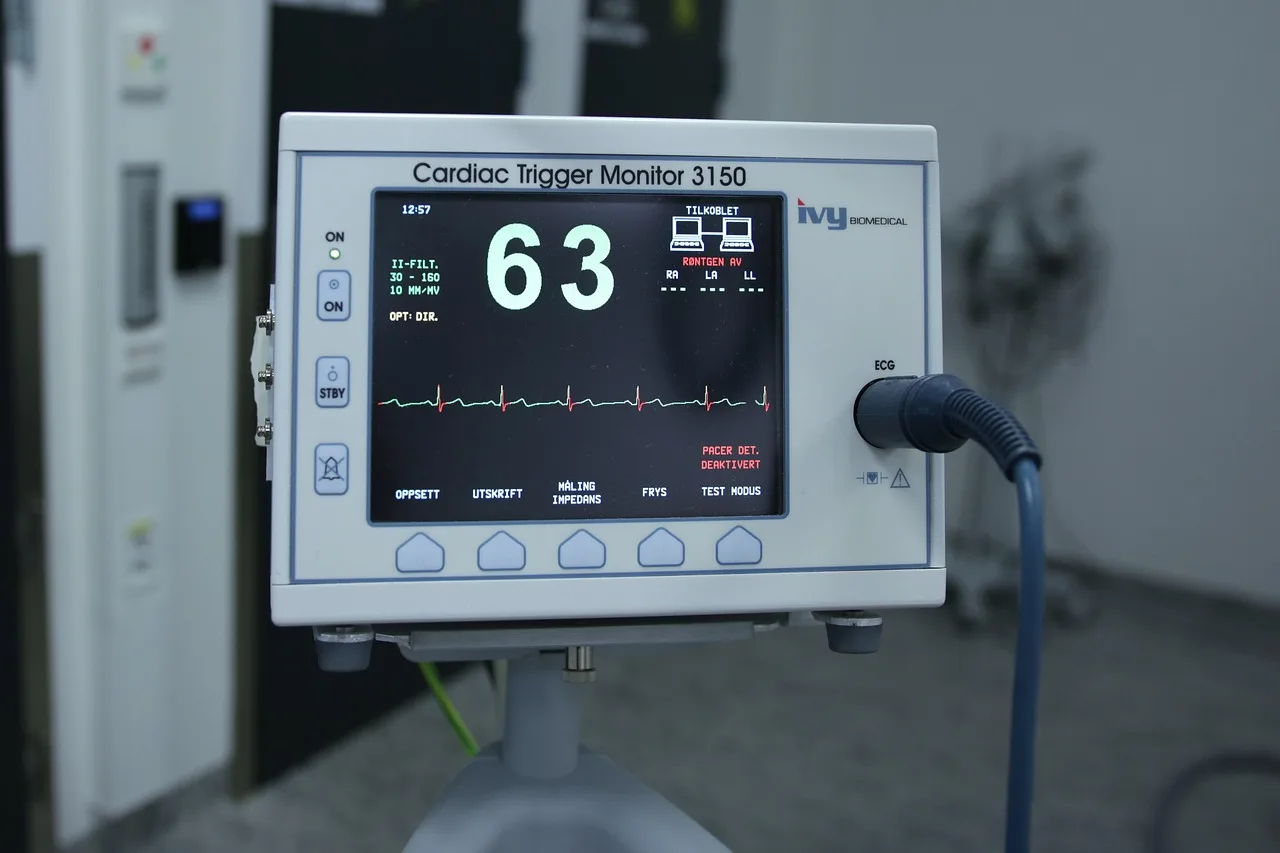
Transcatheter aortic valve replacement (TAVR), also known as TAVI (transcatheter aortic valve implantation), represents a revolutionary alternative to traditional open-heart valve surgery. Instead of opening the chest and stopping the heart, the surgeon delivers a new valve through a catheter inserted into the femoral artery in the groin (transfemoral approach) or through a small incision in the chest wall (transapical approach). The compressed valve is guided to the correct position within the diseased native valve and then expanded, immediately restoring normal blood flow without the need for cardiopulmonary bypass or a large surgical incision.
TAVR was initially developed for high-risk and inoperable patients who could not safely undergo traditional open-heart surgery. However, landmark clinical trials including PARTNER and Evolut have demonstrated that TAVR produces outcomes equivalent to or better than open surgery even in intermediate-risk and low-risk patients for aortic valve disease. As a result, the indications for TAVR have expanded significantly, and it is now considered a first-line treatment option for many patients with severe aortic stenosis regardless of their surgical risk profile. The procedure takes approximately one to two hours and most patients are discharged within two to three days.
TAVR has fundamentally changed how we approach aortic valve disease. Patients who previously faced open-heart surgery can now receive a new valve through a small puncture in the groin, with dramatically faster recovery times.
Dr. Alain Cribier, Pioneer of TAVR Technology
Best Hospitals for Valve Surgery Abroad
Selecting the right hospital for heart valve surgery abroad requires careful evaluation of several critical factors. JCI accreditation remains the most important quality indicator for international patients, as it ensures the hospital meets rigorous standards for patient safety, infection control, surgical outcomes, and quality improvement. Beyond accreditation, patients should look for hospitals with dedicated cardiac valve surgery programs that perform a high volume of procedures annually — ideally more than 200 valve operations per year — as surgical volume is directly correlated with better patient outcomes.
In Turkey, several hospitals stand out for their valve surgery expertise. Liv Hospital Istanbul features a comprehensive cardiovascular center with advanced hybrid operating rooms capable of performing both traditional open surgery and catheter-based interventions. The hospital's cardiac team includes surgeons who have completed fellowships at institutions like the Cleveland Clinic, Mayo Clinic, and German Heart Center Berlin, bringing world-class expertise to patients at a fraction of Western costs. Their international patient department provides end-to-end coordination including visa assistance, hotel arrangements, and post-discharge follow-up.
Beyond Turkey, India's Medanta Heart Institute and Narayana Health perform among the highest volumes of valve surgeries globally, with costs that make treatment accessible to patients from around the world. Thailand's Bumrungrad International Hospital offers a premium patient experience with cutting-edge valve surgery capabilities. South Korea's Samsung Medical Center and Asan Medical Center are particularly noted for their expertise in minimally invasive and robotic-assisted valve surgery techniques, while Malaysia's National Heart Institute (IJN) is a regional center of excellence for complex valve operations.
Recovery Guide
Recovery after heart valve replacement depends significantly on whether the procedure was performed via traditional open surgery or a minimally invasive/transcatheter approach. For open valve replacement, the recovery timeline is similar to CABG surgery: patients spend one to three days in the ICU followed by four to seven days on the cardiac ward. The sternotomy incision requires six to eight weeks of sternal precautions, during which patients must avoid heavy lifting, pushing, and pulling to allow the breastbone to heal properly. Most patients can return to light work within four to six weeks and resume full activities by eight to twelve weeks.
TAVR patients experience a dramatically faster recovery. Most are ambulatory within hours of the procedure and discharged from the hospital within two to four days. Because there is no sternotomy or cardiopulmonary bypass, the physical recovery is primarily limited to healing the catheter insertion site in the groin. Many TAVR patients return to normal daily activities within one to two weeks and can travel by air within seven to fourteen days with their physician's approval. This rapid recovery timeline makes TAVR particularly attractive for medical tourism patients who wish to minimize their time away from home.
- Open Surgery Recovery: 1-3 days ICU, 5-7 days hospital, 6-8 weeks sternal healing, 8-12 weeks full recovery
- TAVR Recovery: Same-day ambulation, 2-4 days hospital, 1-2 weeks return to activities, 7-14 days until flight clearance
- Medication: Aspirin and/or anticoagulants as prescribed, statin therapy, blood pressure medications
- Follow-up: Echocardiogram before discharge and at 30 days, annual valve surveillance thereafter
- Cardiac Rehabilitation: Structured exercise program recommended for 6-12 weeks post-surgery
- Dental Prophylaxis: Antibiotics before dental procedures to prevent valve infection (endocarditis)
Explore affordable heart valve replacement options at accredited international hospitals. Get a personalized quote with hospital recommendations based on your specific condition.
Get Free Valve Surgery QuoteRegardless of the surgical approach, all patients with prosthetic heart valves require ongoing surveillance and follow-up care. This includes periodic echocardiograms to assess valve function, monitoring for signs of valve degeneration or malfunction, management of anticoagulation therapy for mechanical valves, and endocarditis prophylaxis before certain dental and medical procedures. Most international hospitals provide a detailed post-operative care plan and maintain communication with the patient's local cardiologist to ensure seamless continuity of care after the patient returns home.
Need help choosing between mechanical and biological valves? Our cardiac surgery advisors can connect you with experienced surgeons for a second opinion.
Schedule Free ConsultationFrequently Asked Questions
Frequently Asked Questions
How long does a biological heart valve last?
Modern biological (bioprosthetic) heart valves typically last 10-20 years, with some newer generation valves showing durability beyond 20 years. The lifespan depends on the patient's age (valves degenerate faster in younger patients), the valve position (mitral valves experience higher stress than aortic), and individual factors. For patients over 65, a biological valve often outlasts the patient's remaining life expectancy, making it an excellent choice to avoid lifelong anticoagulation therapy.
Is TAVR available at hospitals abroad?
Yes, TAVR is widely available at leading cardiac centers abroad, particularly in Turkey, India, Thailand, and South Korea. Hospitals like American Hospital Istanbul and Koc University Hospital have dedicated structural heart programs with experienced interventional cardiologists and the latest TAVR devices from Edwards Lifesciences and Medtronic. The cost of TAVR abroad ranges from $20,000 to $65,000, compared to $120,000 to $350,000 in the United States.
Can mitral valve disease be treated without open surgery?
Yes, several minimally invasive options exist for mitral valve disease. MitraClip is a catheter-based procedure that clips the mitral valve leaflets together to reduce regurgitation. Minimally invasive mitral valve surgery through small chest incisions (mini-thoracotomy) avoids full sternotomy. Robotic-assisted mitral valve repair offers even smaller incisions with enhanced surgical precision. The availability of these techniques varies by hospital, so discuss all options with your surgeon.
Do I need to take blood thinners after valve replacement?
It depends on the type of valve. Mechanical valves require lifelong warfarin (Coumadin) therapy with regular INR monitoring to prevent blood clots. Biological valves typically require only 3-6 months of aspirin or short-term anticoagulation. TAVR patients usually take dual antiplatelet therapy (aspirin + clopidogrel) for 3-6 months, then aspirin alone. Your surgeon will prescribe the appropriate anticoagulation regimen based on your valve type and individual risk factors.
What is the mortality rate for heart valve replacement?
The operative mortality rate for elective valve replacement at high-volume centers is approximately 1-3% for isolated aortic valve replacement and 2-5% for mitral valve replacement. TAVR has a 30-day mortality rate of approximately 1-2% in intermediate and low-risk patients. These rates are consistent across accredited international hospitals with experienced surgical teams. Factors affecting risk include patient age, presence of other heart conditions, and overall health status.
How soon can I fly after heart valve replacement?
After open valve replacement, most surgeons recommend waiting 2-3 weeks before air travel, similar to other open-heart surgeries. After TAVR, patients can often fly within 7-14 days. Your surgeon will assess your cardiac function, incision healing, and overall recovery before clearing you for travel. During the flight, wear compression stockings, stay hydrated, and walk periodically. Consider booking a premium economy or business class seat for comfort.
Can I get a second opinion before committing to valve surgery abroad?
Absolutely, and we strongly recommend it. Most international hospitals offer free or low-cost telemedicine consultations where you can discuss your case with their cardiac surgeons before making a decision. Share your echocardiogram, angiogram, and medical records for a comprehensive remote evaluation. Many patients also get a second opinion from their local cardiologist. Having multiple expert perspectives helps ensure you choose the most appropriate treatment approach.