What Is Proton Therapy?
Proton therapy is an advanced form of radiation therapy that uses protons instead of X-rays to treat cancer. The key advantage is the 'Bragg peak' — protons deposit their maximum energy directly at the tumor site and stop, unlike conventional radiation which continues through the body, damaging healthy tissue beyond the tumor. This precision makes proton therapy ideal for cancers near critical organs like the brain, spine, eyes, and heart.
In the United States, proton therapy costs between $100,000 and $200,000 for a complete treatment course, and only about 40 proton centers exist nationwide. Many insurers consider proton therapy 'experimental' for certain cancers and deny coverage. This has created a growing demand for proton therapy abroad, where hospitals like Koç University Hospital offer advanced radiation capabilities at 50-75% lower costs with more straightforward access.

Proton Therapy Cost Comparison
The cost of proton therapy varies significantly by country, but every international option offers substantial savings compared to US prices. Turkish institutions such as American Hospital Istanbul provide competitive treatment packages. Our analysis includes the complete treatment course — from initial simulation and treatment planning through all proton therapy sessions and follow-up imaging.
Proton Therapy Cost Comparison 2025
| Country | Full Treatment Course | Per Session | Savings vs USA |
|---|---|---|---|
| USA | $100,000 - $200,000 | $3,000 - $6,000 | — |
| Germany | $40,000 - $80,000 | $1,500 - $3,000 | Up to 60% |
| Czech Republic | $30,000 - $55,000 | $1,000 - $2,000 | Up to 70% |
| South Korea | $35,000 - $65,000 | $1,200 - $2,500 | Up to 65% |
| India | $25,000 - $45,000 | $800 - $1,500 | Up to 75% |
| Turkey | $30,000 - $60,000 | $1,000 - $2,200 | Up to 70% |
| Japan | $50,000 - $90,000 | $1,800 - $3,500 | Up to 50% |
| UK | $45,000 - $75,000 | $1,500 - $2,800 | Up to 55% |
A typical proton therapy course involves 20-35 sessions over 4-7 weeks. Prices include treatment planning, imaging, and all sessions.
Find accredited proton therapy centers worldwide. Compare prices, technology, and patient reviews.
Compare Proton CentersWho Benefits Most from Proton Therapy?
Proton therapy offers the greatest benefit for specific cancer types and patient populations where minimizing radiation damage to surrounding tissues is critical. Understanding whether proton therapy is right for your case helps you make an informed decision about traveling abroad for treatment.
- Pediatric Cancers: Children's developing tissues are highly sensitive to radiation. Proton therapy reduces the risk of growth problems, cognitive effects, and secondary cancers
- Brain Tumors: Precision targeting protects cognitive function, vision, and hearing in adjacent brain structures
- Head & Neck Cancers: Spares salivary glands (reducing dry mouth), swallowing function, and taste
- Spinal Cord Tumors: Minimizes radiation to the spinal cord, reducing neurological side effects
- Liver Cancer: Allows higher doses to the tumor while protecting the remaining liver tissue
- Prostate Cancer: Reduces radiation to the bladder and rectum, lowering urinary and bowel side effects
- Eye/Orbital Tumors: Preserves vision by precisely targeting tumors near the optic nerve
Top Proton Therapy Centers Abroad

Germany leads Europe in proton therapy, with the Heidelberg Ion-Beam Therapy Center (HIT) being one of the world's most advanced facilities, offering both proton and carbon ion therapy. The Prague Proton Therapy Center in the Czech Republic is one of the largest dedicated proton centers in Europe, treating over 3,000 patients and known for excellent patient outcomes at competitive prices.
South Korea's National Cancer Center and Samsung Medical Center have state-of-the-art proton therapy systems with pencil beam scanning technology, the most precise delivery method available. India's Apollo Proton Cancer Centre in Chennai is Asia's largest proton therapy center, offering treatment at the lowest costs globally. Japan, a pioneer in proton therapy, has the highest number of proton centers in Asia.
My 8-year-old daughter needed radiation for a brain tumor. Our US insurance denied proton therapy coverage, and the cash price was $180,000. We flew to Prague and received 30 sessions of proton therapy for $38,000 — including our apartment and living expenses for 7 weeks. The team was incredible with children.
Christine P., daughter treated in Czech Republic
The Treatment Process
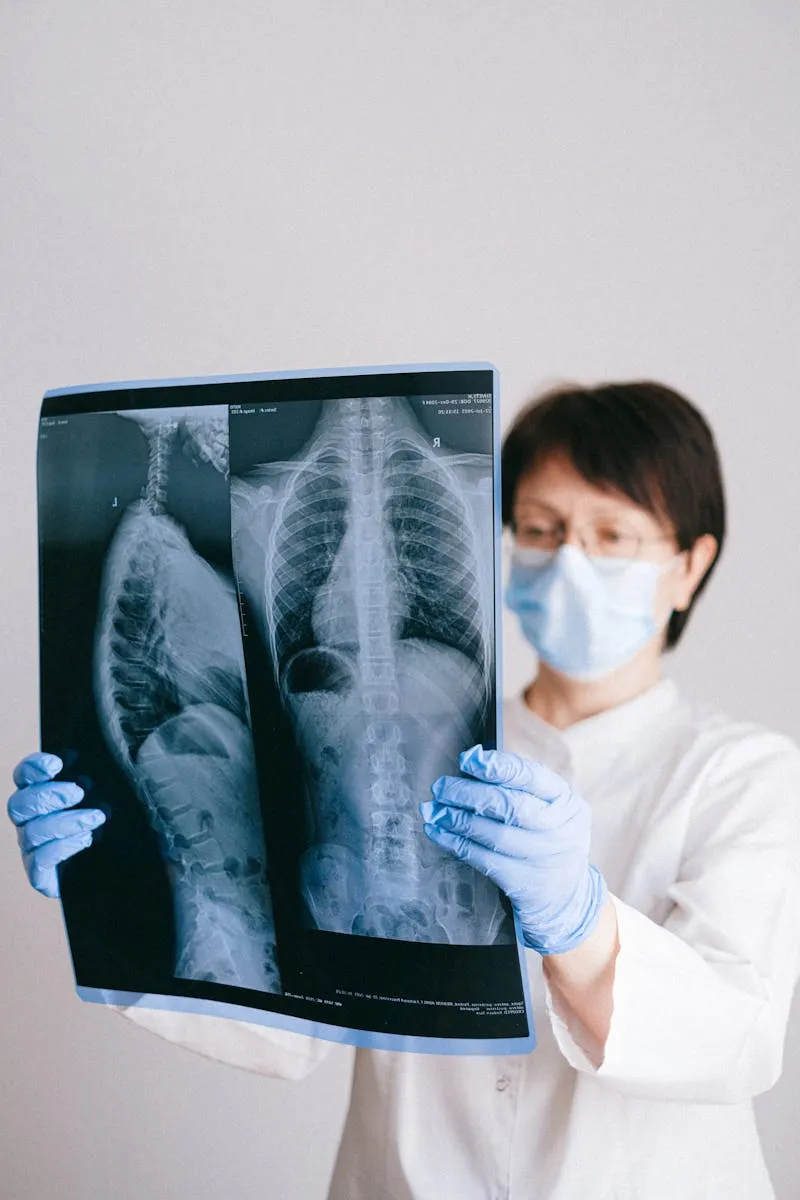
Proton therapy treatment typically spans 4-7 weeks, with daily sessions (Monday through Friday). Each session lasts 15-30 minutes, though the actual beam delivery is only 1-3 minutes. The first week involves treatment planning: a CT simulation, custom immobilization device creation, and detailed dose planning by a medical physicist. Actual treatment begins in week two.
For international patients, proton centers arrange nearby accommodation with daily shuttle service to the hospital. Facilities like Liv Hospital Istanbul offer apartment-style housing specifically for patients staying 4-7 weeks. Weekend time is free, allowing patients and companions to explore the local area during their extended stay.
Proton vs Conventional Radiation
The key difference is dose distribution. Conventional radiation (photons/X-rays) passes through the body, depositing radiation along its entire path. Protons stop at a precise depth — the tumor — delivering minimal radiation to tissues behind it. Studies show proton therapy reduces radiation dose to surrounding healthy tissue by 50-60%, which translates to fewer side effects and lower risk of secondary cancers.
However, proton therapy is not automatically better for every cancer. For some cancers (like certain lung cancers), modern photon techniques like IMRT and SBRT can achieve comparable results at lower cost. Discuss with your oncologist whether the precision advantage of proton therapy provides meaningful clinical benefit for your specific case.
Explore proton therapy options abroad and get expert guidance on whether proton therapy is right for your case.
Get a Free AssessmentFrequently Asked Questions
Frequently Asked Questions
Is proton therapy painful?
No, proton therapy is completely painless. You won't feel anything during the treatment itself. The proton beam is invisible and causes no sensation. Some patients experience mild skin redness or fatigue as treatment progresses, similar to conventional radiation.
How long do I need to stay abroad for proton therapy?
A typical proton therapy course requires 20-35 sessions over 4-7 weeks, with daily treatments Monday through Friday. Including the planning week, expect to stay 5-8 weeks total. Some shorter-course protocols (hypofractionated) can be completed in 2-3 weeks.
Can children receive proton therapy abroad?
Yes, and they are actually the patients who benefit most from proton therapy. International proton centers have experienced pediatric teams, child-friendly treatment rooms, and anesthesia support for young children who need sedation during treatment.
Will my US oncologist accept the treatment records from abroad?
Yes. International proton centers provide comprehensive treatment records in English, including dose summaries, imaging, and follow-up recommendations in standard formats (DICOM for imaging, treatment summaries in PDF). US oncologists regularly receive patients who had radiation therapy abroad.
Is pencil beam scanning better than passive scattering?
Pencil beam scanning (PBS) is the most advanced proton delivery technique, offering better dose conformity and the ability to treat complex tumor shapes. Most modern international proton centers use PBS technology. If given the choice, PBS provides superior dose distribution.