Why Turkey for Cancer Treatment?
Turkey has invested over $30 billion in healthcare infrastructure in the past decade, creating one of the world's most advanced medical tourism ecosystems. The country treats over 1.2 million international patients annually, with oncology being one of the fastest-growing specialties. Turkey now has more JCI-accredited hospitals than any country outside the United States, and leading institutions like American Hospital Istanbul operate dedicated cancer centers rivaling the best in the world.
What sets Turkey apart is the combination of advanced technology, experienced physicians, all-inclusive pricing, and cultural hospitality. Turkish hospitals invest in the latest equipment — Varian TrueBeam linear accelerators, da Vinci Xi robotic surgery systems, PET-CT and PET-MRI scanners, and state-of-the-art pathology laboratories. Many Turkish oncologists trained at elite US and European institutions and maintain active research programs.
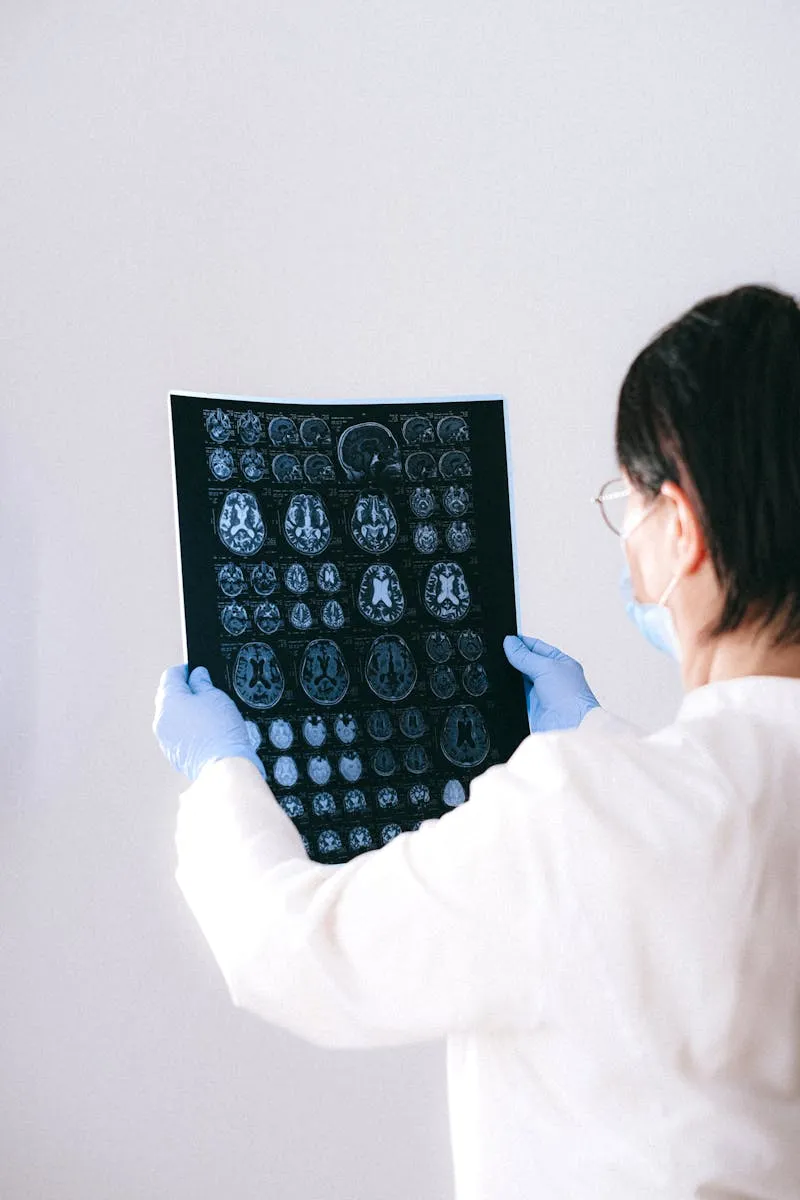
Treatment Costs in Turkey
Turkey offers the best value proposition in oncology medical tourism: first-world medical quality at developing-world prices. Our research team analyzed pricing from Turkey's top oncology hospitals, comparing actual patient invoices with equivalent US treatment costs.
Cancer Treatment Costs in Turkey vs USA 2025
| Treatment | USA Cost | Turkey Cost | Savings |
|---|---|---|---|
| Cancer Surgery (Complex) | $40,000 - $150,000 | $10,000 - $35,000 | Up to 75% |
| Chemotherapy (6 cycles) | $30,000 - $120,000 | $8,000 - $25,000 | Up to 80% |
| Radiation Therapy (IMRT) | $25,000 - $50,000 | $6,000 - $15,000 | Up to 75% |
| Immunotherapy (Annual) | $150,000 - $200,000 | $40,000 - $70,000 | Up to 70% |
| Bone Marrow Transplant | $300,000 - $800,000 | $40,000 - $100,000 | Up to 85% |
| PET-CT Scan | $3,000 - $6,000 | $500 - $1,200 | Up to 80% |
| Robotic Surgery | $25,000 - $60,000 | $8,000 - $18,000 | Up to 70% |
| Full Treatment Package | $200,000 - $500,000 | $50,000 - $120,000 | Up to 75% |
Prices are approximate ranges based on 2024-2025 patient data. Turkey prices typically include accommodation, translation, and transfers in all-inclusive packages.
Even with round-trip flights ($500-$900 from the US), hotel accommodation, and living expenses, most patients save 50-70% compared to US treatment costs. For bone marrow transplant patients, who face bills exceeding $500,000 in the US, Turkey's savings can exceed $400,000 — a life-changing difference.
Explore Turkey's top oncology hospitals. Compare prices, read patient reviews, and get free treatment estimates.
Find Turkish Cancer CentersTop Oncology Hospitals in Turkey
Turkey's leading hospital groups have established comprehensive cancer centers that offer every oncology modality. Istanbul dominates the medical tourism landscape, with institutions like Koç University Hospital setting the standard, but Ankara, Antalya, and Izmir also have excellent oncology facilities. Key features to look for include JCI accreditation, dedicated oncology departments with tumor boards, and high international patient volumes.
The largest Turkish hospital groups operate multiple branches across the country, each with oncology capabilities. Hospitals like Liv Hospital Istanbul have standardized quality protocols across all branches, meaning you can expect consistent care whether treated in Istanbul, Ankara, or other cities. All major Turkish oncology centers have English-speaking international patient departments that coordinate every aspect of your treatment.
Cancer Treatments Available
Turkish oncology centers offer the complete spectrum of cancer treatments, from standard surgical and medical oncology to the most advanced therapeutic modalities available worldwide.
- Surgical Oncology: Open, laparoscopic, and robotic cancer surgery across all organ systems
- Medical Oncology: All standard and novel chemotherapy regimens, targeted therapies, and hormonal therapies
- Radiation Oncology: IMRT, VMAT, SBRT, SRS, CyberKnife, and brachytherapy
- Immunotherapy: All checkpoint inhibitors (Keytruda, Opdivo, Yervoy) and emerging CAR-T programs
- Bone Marrow Transplant: Both autologous and allogeneic BMT with international donor registry access
- Nuclear Medicine: PET-CT, PET-MRI, Lutetium-177 therapy, and radioiodine treatment for thyroid cancer
- Interventional Oncology: TACE, SIRT (Y-90), radiofrequency ablation, and cryotherapy
- Precision Medicine: Comprehensive genomic profiling for targeted treatment selection
International Patient Experience
Turkish hospitals have perfected the international patient experience. From the moment you arrive at Istanbul's international airport, a hospital representative meets you and handles transportation to your hotel or hospital. Your personal patient coordinator — who speaks your language — accompanies you to all appointments, explains every step, and is available 24/7 via WhatsApp for any questions.
Hospital rooms for international patients resemble luxury hotel suites, with private bathrooms, visitor sofa beds, flat-screen TVs, Wi-Fi, and gourmet meal services. Many hospitals have on-site restaurants, cafes, and prayer rooms. For longer stays, hospitals arrange serviced apartments near the facility at negotiated rates, often $30-$50/night for comfortable, furnished housing.
From airport pickup to my final check-up, the Turkish hospital made everything seamless. My coordinator Elif was with me at every appointment, translated everything, and even helped my wife find a nice restaurant for her birthday. The oncology team was outstanding — I felt genuinely cared for, not just treated.
William K., lung cancer patient
Practical Guide: Travel & Logistics
Getting to Turkey for cancer treatment is straightforward. Istanbul is served by two major airports with direct flights from most world capitals. Americans don't need a visa for stays under 90 days — an e-visa (obtainable online in minutes) is sufficient. The Turkish lira's exchange rate makes living expenses very affordable for international patients.
Most oncology hospitals offer a streamlined process: (1) Submit your medical records online for free review, (2) Receive a treatment plan and cost estimate within 48-72 hours, (3) Once approved, the hospital helps with flight booking and accommodation, (4) A VIP transfer meets you at the airport, (5) You begin with a comprehensive evaluation on your first day. The entire process from initial inquiry to arrival can take as little as 7-10 days.
Start your cancer treatment journey in Turkey today. Get a free consultation and treatment plan from Turkey's top oncology hospitals.
Request Free ConsultationFrequently Asked Questions
Frequently Asked Questions
Do Turkish oncologists speak English?
Yes. At JCI-accredited Turkish hospitals, most oncologists are fluent in English and many trained at US or European medical schools. Additionally, every international patient is assigned a personal coordinator who speaks their language and accompanies them to all appointments.
How do I choose between different Turkish hospitals?
Focus on JCI accreditation, oncology patient volume, the specific technology available (robotic surgery, radiation equipment), and the credentials of the oncology team. Ask for case volume data specific to your cancer type and compare outcomes data across hospitals.
Is Turkey safe for medical tourists?
Turkey is one of the world's top medical tourism destinations, treating 1.2 million international patients annually. Major hospital groups have dedicated security, international patient departments, and 24/7 support services. Istanbul, Ankara, and Antalya are safe and welcoming cities with excellent infrastructure.
Can I bring a companion to Turkey for my treatment?
Absolutely. Most all-inclusive packages include accommodation for one companion. Hospital rooms for international patients have sofa beds for companions, and visitors are welcome 24/7 in oncology wards. Having a support person is encouraged and facilitated.
What if I need emergency care during treatment in Turkey?
All JCI-accredited Turkish hospitals have full-service emergency departments, ICUs, and 24/7 specialist coverage. Your international patient coordinator provides an emergency hotline number. Hospital emergency departments treat oncology emergencies (febrile neutropenia, etc.) according to international protocols.
How do I handle follow-up care after returning home?
Turkish hospitals provide comprehensive discharge packages including treatment summaries, pathology reports, imaging CDs, prescribed medications, and a detailed follow-up schedule. Your Turkish oncologist remains available via email or video call for questions. They can coordinate directly with your local oncologist.