Why a Second Opinion Matters
A cancer diagnosis is one of the most consequential medical events in a person's life, and getting it right is paramount. Research published in major oncology journals reveals sobering statistics: up to 30% of initial cancer diagnoses are modified after expert second-opinion review, 20% of treatment plans change significantly, and in approximately 5% of cases, the diagnosis changes entirely — sometimes from cancer to non-cancer, or from one cancer type to another with a completely different treatment approach.
These aren't trivial differences. A change in cancer type, stage, or molecular subtype can mean the difference between surgery and chemotherapy, between curative treatment and palliative care, or between a standard regimen and an immunotherapy approach. With your life and quality of life at stake, investing $200-$1,000 in an expert second opinion is one of the most valuable decisions you can make.

Second Opinion Cost Comparison
Getting a cancer second opinion from a top international expert is remarkably affordable, especially compared to US costs. Many international hospitals offer structured second-opinion programs specifically designed for patients seeking expert review without the expense of traveling.
Cancer Second Opinion Cost Comparison 2025
| Country/Service | Remote Consultation | In-Person Evaluation | Savings vs USA |
|---|---|---|---|
| USA (NCI Center) | $500 - $3,000 | $1,500 - $5,000 | — |
| Turkey | $150 - $400 | $500 - $1,500 | Up to 80% |
| India | $100 - $300 | $300 - $800 | Up to 85% |
| Germany | $300 - $800 | $800 - $2,000 | Up to 60% |
| South Korea | $200 - $500 | $600 - $1,500 | Up to 70% |
| Israel | $300 - $700 | $700 - $2,000 | Up to 65% |
| Thailand | $150 - $400 | $400 - $1,200 | Up to 75% |
| Spain | $200 - $500 | $500 - $1,500 | Up to 70% |
Remote consultations include pathology slide review and tumor board discussion. In-person evaluations include physical examination, imaging review, and comprehensive assessment.
Get expert second opinions from oncologists at accredited international cancer centers. Most reviews completed within 72 hours.
Request a Second OpinionRemote vs In-Person Options
Remote second opinions have become increasingly sophisticated, with international hospitals using digital pathology scanners, secure imaging transfer platforms, and video consultation technology to provide thorough case reviews without requiring travel. Hospitals like American Hospital Istanbul offer remote consultations that typically include pathology slide review by the hospital's pathology team, imaging interpretation by radiology, and a comprehensive written opinion from a senior oncologist or tumor board.
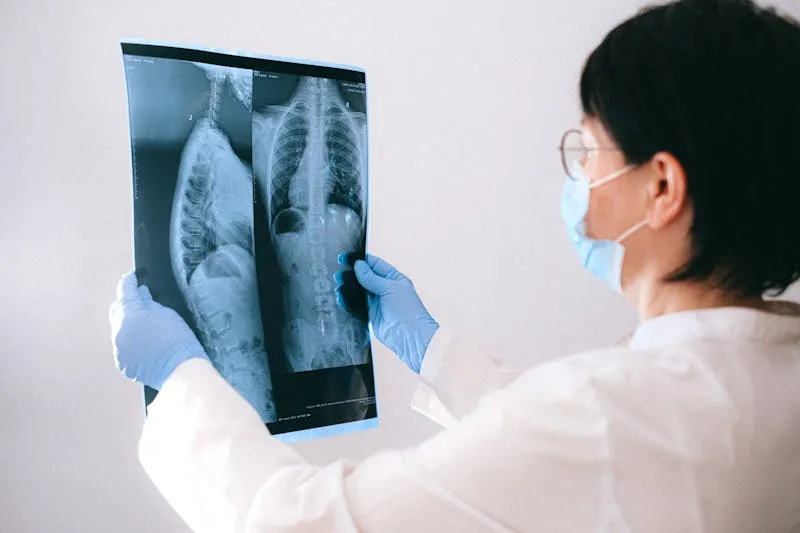
In-person second opinions are recommended when the remote review suggests a potential change in diagnosis or staging, when additional testing (specialized imaging, advanced biopsy, molecular profiling) would be helpful, or when you're considering treatment at the international hospital. An in-person evaluation allows for physical examination and may uncover findings that imaging alone cannot reveal.
What to Send for Review
To receive a comprehensive second opinion, prepare and send the following materials to the international hospital's review team:
- Pathology Report: The detailed pathology report from your biopsy or surgery, including immunohistochemistry and molecular testing results
- Pathology Slides/Blocks: Original tissue samples or unstained slides for the hospital's pathologist to review independently
- Imaging Studies: CT, MRI, PET-CT scans on CD or via secure digital transfer (DICOM format)
- Medical Records Summary: Treatment history, surgical reports, prior chemotherapy or radiation records
- Blood Work: Recent complete blood counts, tumor markers, and organ function tests
- Genomic Testing: Any molecular profiling results (FoundationOne, Tempus, Oncotype DX, etc.)
- Questions: Your specific questions for the reviewing oncologist — what concerns you most about your current diagnosis or treatment plan
How the Process Works
Most international hospitals have a streamlined second-opinion process. At institutions like Liv Hospital Istanbul, you submit your medical records through the hospital's website or international patient department. Within 24-48 hours, a coordinator confirms receipt and lets you know if additional materials are needed. The case is then reviewed by the relevant specialists — typically a pathologist, radiologist, and medical or surgical oncologist.
For complex cases, the hospital's tumor board reviews your case collectively, bringing together 5-10 specialists from different disciplines. You receive a comprehensive written report within 5-7 business days, followed by a video call with the lead oncologist to discuss findings and answer questions. If the review suggests treatment at their facility, they provide a detailed treatment plan with cost estimates.

My initial diagnosis was Stage IIIB lung cancer with a recommendation for palliative chemotherapy. I sent my records to a hospital in Turkey for a second opinion. Their pathology review reclassified my tumor, and their tumor board recommended a combined surgery-chemotherapy approach with curative intent. Two years later, I'm cancer-free.
George M., lung cancer patient
When to Seek a Second Opinion
While a second opinion is valuable for any cancer diagnosis, certain situations make it particularly important. If you have a rare cancer type, if your oncologist recommends an aggressive treatment plan, if you've been told your cancer is inoperable, if your initial pathology was done at a community hospital rather than a cancer center, or if you simply feel uncertain about the recommended approach — these are all strong reasons to seek an expert second opinion from centers like Koç University Hospital.
Don't worry about offending your current oncologist. Getting a second opinion is standard practice in oncology, and ethical physicians encourage it. The goal is not to undermine your current team but to ensure you have the most accurate diagnosis and the most effective treatment plan possible. Time matters in cancer, but taking 5-7 days for an expert review is almost always worthwhile.
Don't navigate your cancer journey alone. Get a second opinion from international oncology experts who see complex cases daily.
Get Expert Second OpinionFrequently Asked Questions
Frequently Asked Questions
How long does a remote second opinion take?
Most international hospitals complete remote second opinions within 5-7 business days from receipt of all materials. Urgent cases can be expedited to 48-72 hours. The review includes pathology re-examination, imaging review, and a comprehensive written opinion from a senior oncologist.
Do I need to send my original pathology slides?
It's strongly recommended. While pathology reports are helpful, having the hospital's own pathologist independently review your tissue samples provides the most accurate second opinion. Most hospitals can work with unstained slides or tissue blocks, which your original hospital can provide.
Will my insurance cover a second opinion abroad?
Most US insurance plans don't cover international second opinions. However, at $100-$800, the cost is very affordable out-of-pocket and is one of the most valuable investments you can make in your cancer care. Some international hospitals offer free remote consultations as part of their patient acquisition process.
What if the second opinion disagrees with my original diagnosis?
If there's a significant disagreement, the international hospital will explain the basis for their different interpretation and may recommend additional testing to resolve the discrepancy. You should discuss both opinions with your local oncologist and potentially seek a third opinion from another expert.
Can a second opinion lead to treatment abroad?
Yes. Many patients who initially seek a second opinion end up choosing to receive their treatment at the international hospital, especially when the cost savings are significant. The hospital will provide a comprehensive treatment plan and cost estimate if treatment is recommended.