The Diabetes-Surgery Connection
Type 2 diabetes affects over 37 million Americans and 537 million adults worldwide. For decades, the standard treatment has been medications (metformin, insulin, GLP-1 agonists) and lifestyle modification. However, bariatric surgery has emerged as the single most effective intervention for type 2 diabetes in obese patients, producing remission rates of 60-95% depending on the procedure — far exceeding any pharmaceutical treatment. Leading metabolic surgery centers like American Hospital Istanbul report diabetes remission rates at the top of this range.
The landmark STAMPEDE trial (2012-2017) published in the New England Journal of Medicine compared bariatric surgery to intensive medical therapy for diabetes management. At 5 years, 29% of gastric bypass patients and 23% of sleeve patients achieved an HbA1c below 6.0% without diabetes medications, compared to just 5% of patients receiving medications alone.
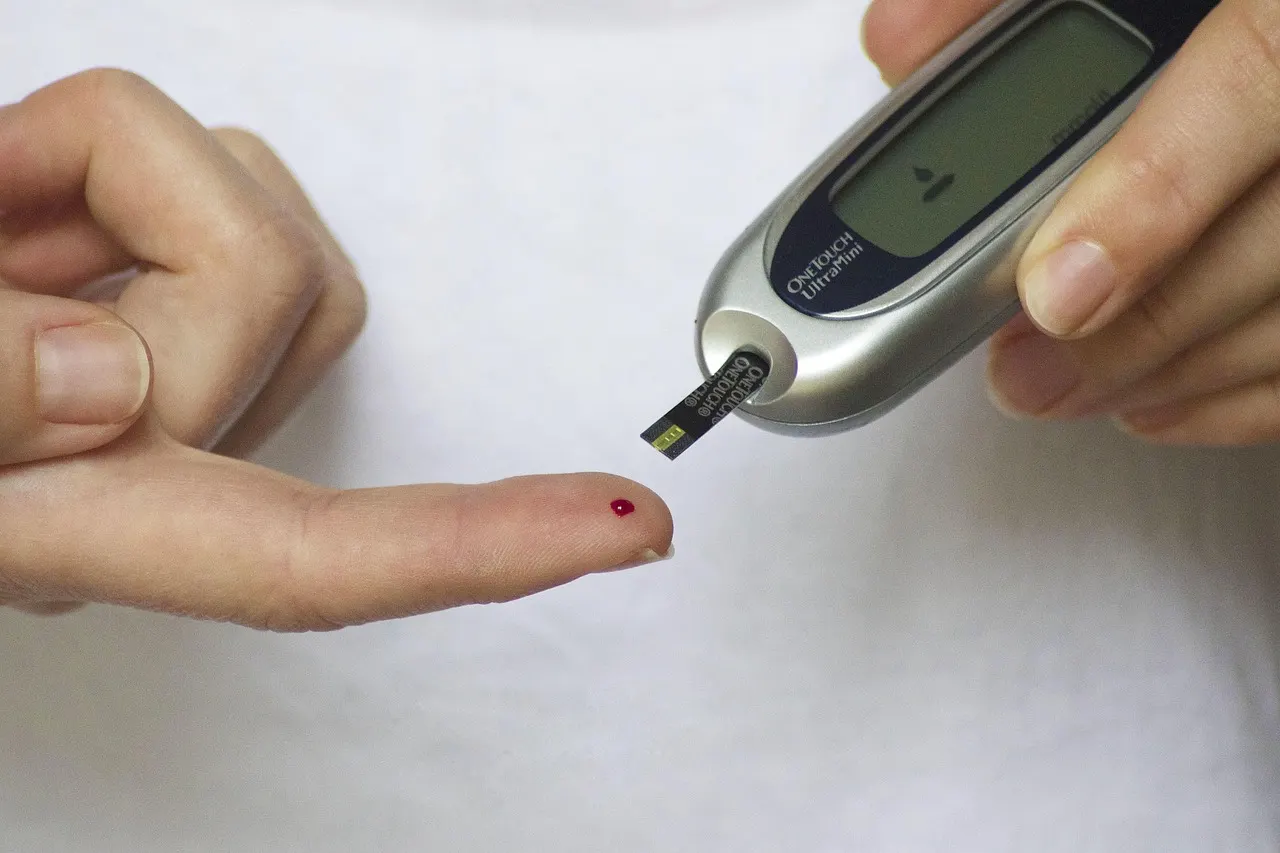
Procedure Comparison for Diabetics
- Duodenal Switch: 95-98% diabetes remission rate — highest of all procedures
- Gastric Bypass (RYGB): 80-95% remission rate, gold standard for metabolic surgery
- Mini Gastric Bypass (OAGB): 85-92% remission rate, simpler bypass option
- Gastric Sleeve: 60-75% remission rate, effective but lower than bypass procedures
- Gastric Balloon: 20-30% improvement, temporary device, limited metabolic impact
- ESG: 40-50% improvement, non-surgical option with moderate metabolic benefit
How Surgery Reverses Diabetes
Bariatric surgery reverses diabetes through multiple mechanisms beyond simple weight loss. Intestinal bypass procedures (gastric bypass, duodenal switch) alter gut hormone secretion within hours of surgery — before significant weight loss occurs. Incretin hormones (GLP-1, GIP) increase dramatically, stimulating insulin production and improving insulin sensitivity. Ghrelin (the hunger hormone) decreases, and bile acid metabolism changes enhance glucose regulation.
The speed of diabetes improvement after bypass surgery is remarkable. At facilities like Koç University Hospital, many patients can reduce or eliminate insulin injections within days of surgery, and oral diabetes medications are often discontinued within weeks. This rapid hormonal response explains why bypass procedures achieve higher diabetes resolution rates than purely restrictive procedures like the gastric sleeve.
Clinical Evidence & Studies
The evidence supporting metabolic surgery for diabetes is overwhelming. Over 20 randomized controlled trials, including STAMPEDE, CROSSROADS, and the Swedish Obese Subjects (SOS) study, consistently demonstrate superior diabetes outcomes with surgery compared to medical management. The SOS study, with 20-year follow-up data, showed that bariatric surgery patients had 72% lower risk of developing diabetes compared to controls, and 83% of those with existing diabetes achieved remission.
Metabolic Surgery Costs for Diabetic Patients 2025
| Country | Procedure Cost | All-Inclusive Package | Savings vs USA |
|---|---|---|---|
| USA | $20,000 - $35,000 | $25,000 - $40,000 | — |
| Turkey | $3,500 - $6,500 | $4,500 - $8,000 | Up to 80% |
| Mexico | $4,500 - $7,500 | $5,500 - $9,000 | Up to 77% |
| India | $3,000 - $5,500 | $3,500 - $6,500 | Up to 84% |
| Thailand | $9,000 - $13,000 | $10,500 - $15,000 | Up to 58% |
| Czech Republic | $5,500 - $9,000 | $6,500 - $10,500 | Up to 72% |
| Colombia | $4,000 - $6,500 | $5,000 - $8,000 | Up to 78% |
Gastric bypass or duodenal switch are recommended for diabetic patients due to higher diabetes resolution rates. The long-term savings from eliminated diabetes medications often exceed the cost of surgery within 2-3 years.
Surgery Candidacy for Diabetics
The 2022 ASMBS/IFSO guidelines specifically endorse metabolic surgery for patients with type 2 diabetes and BMI 30 or higher. Earlier intervention (within 5 years of diabetes diagnosis) produces the highest remission rates (90%+), as beta cell function is better preserved. Patients with longer diabetes duration (10+ years) and insulin-dependent diabetes have lower remission rates (40-60%) but still benefit significantly from improved glycemic control and reduced medication burden.
Cost-Benefit Analysis vs Medication
The average diabetic patient spends $9,601 per year on diabetes-related medical costs (ADA 2022 data). Over 10 years, this totals $96,000. Bariatric surgery abroad costs $3,500-$8,000 and resolves diabetes in 60-95% of patients, eliminating or dramatically reducing ongoing medication costs. The surgery pays for itself within 1-2 years through eliminated medication expenses alone, not counting reduced costs for diabetes complications (heart disease, neuropathy, kidney disease, blindness).

Long-Term Diabetes Outcomes
Long-term studies show that diabetes remission is durable but not always permanent. At 10 years post-gastric bypass, approximately 60-70% of patients remain in complete diabetes remission, while 85-90% maintain significant improvement in glycemic control. Weight regain is the primary risk factor for diabetes relapse. Patients who maintain healthy eating habits, regular exercise, and vitamin supplementation have the best long-term diabetes outcomes. Comprehensive follow-up programs at hospitals like Liv Hospital Istanbul help patients sustain their metabolic improvements.
My HbA1c was 10.2 and I was taking 4 diabetes medications plus insulin when I had gastric bypass in Turkey. Within 3 months, my A1c dropped to 5.6 and I discontinued all diabetes medications. Three years later, I remain completely diabetes-free. The $6,500 surgery saved me $12,000 per year in medications.
William T., UK — Gastric Bypass for Diabetes in Istanbul
Consult with bariatric surgeons experienced in metabolic surgery for diabetes.
Find Metabolic Surgery ClinicsFrequently Asked Questions
Can bariatric surgery really cure type 2 diabetes?
Yes. Bariatric surgery achieves complete diabetes remission (normal blood sugar without medications) in 60-95% of patients depending on the procedure. Gastric bypass and duodenal switch have the highest remission rates. However, 'cure' is not the preferred medical term — 'remission' is used because diabetes can recur with significant weight regain.
Which bariatric surgery is best for diabetes?
Gastric bypass (RYGB) is considered the gold standard for metabolic surgery, with 80-95% diabetes remission rates. Duodenal switch achieves the highest rates (95-98%) but is more complex. For patients with a shorter diabetes duration, even gastric sleeve can achieve 60-75% remission.
How quickly does diabetes improve after surgery?
Many patients see blood sugar improvements within days of bypass surgery, before significant weight loss. This is due to rapid hormonal changes in the gut. Insulin injections can often be reduced within the first week, and oral medications are typically discontinued within 4-12 weeks.
Can I have surgery if I am on insulin?
Yes. Insulin-dependent type 2 diabetics are excellent candidates for metabolic surgery. While remission rates are somewhat lower for insulin-dependent patients (50-70%), most achieve significant reduction in insulin requirements, and many discontinue insulin entirely.
Does the diabetes come back after surgery?
Diabetes relapse occurs in approximately 20-30% of patients over 10 years, usually associated with significant weight regain. Maintaining healthy eating habits, regular exercise, and follow-up care greatly reduces the risk of diabetes recurrence.
Is bariatric surgery better than GLP-1 medications for diabetes?
Bariatric surgery produces more dramatic and durable diabetes remission than GLP-1 medications (semaglutide, tirzepatide). Surgery achieves 60-95% remission versus 30-50% with GLP-1 drugs, and results are maintained long-term without ongoing medication costs. However, GLP-1s are appropriate for patients who do not meet surgical criteria or prefer non-surgical options.