Pre-Operative Diet (2-4 Weeks Before)
The pre-operative diet is not optional — it is medically necessary. Bariatric programs at hospitals like American Hospital Istanbul emphasize that its primary purpose is to shrink the liver by 20-30%, making laparoscopic surgery safer and easier. A fatty, enlarged liver sits directly over the stomach and must be retracted during surgery. A properly shrunk liver reduces operative time, complication risk, and may even improve surgical outcomes.
The pre-op diet typically consists of 2-3 protein shakes daily (whey or plant-based, 20-30g protein each), one small lean protein meal with non-starchy vegetables, sugar-free beverages, and a maximum of 800-1,200 calories per day. Eliminate all sugary foods, refined carbohydrates, alcohol, and carbonated beverages. Most patients lose 5-15 pounds during this phase.
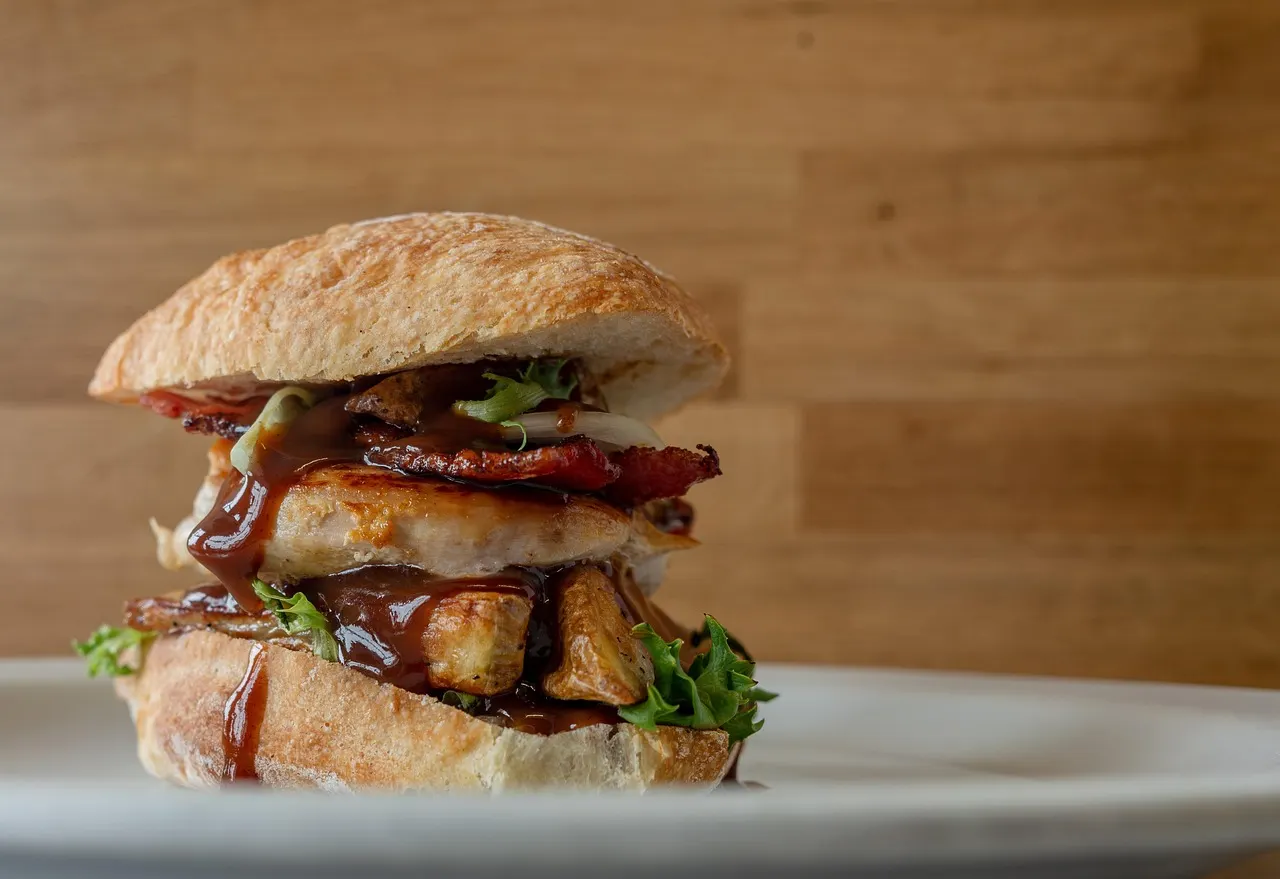
Stage 1: Clear Liquids (Days 1-7)
Immediately after surgery, your stomach is healing and can only tolerate clear liquids in very small amounts. Sip 1-2 ounces every 15-20 minutes throughout the day. Allowed liquids include water, sugar-free electrolyte drinks, clear broth, sugar-free gelatin, and decaffeinated tea. Avoid straws (they introduce air), carbonated beverages, caffeine, and anything with sugar. Target 48-64 ounces of total fluid daily.
Stage 2: Full Liquids (Weeks 2-3)
During weeks 2-3, introduce protein-rich full liquids. This includes whey protein shakes (20-30g protein per serving), skim milk, strained cream soups (no chunks), sugar-free pudding, and thin yogurt. Aim for 60-80g of protein daily through 3-4 protein shakes and small amounts of liquid food. Continue sipping fluids throughout the day between meals, waiting 30 minutes after eating before drinking.
- Protein goal: 60-80g daily from protein shakes and liquid sources
- Fluid goal: 48-64 ounces daily, sipped slowly throughout the day
- Meal schedule: 4-6 small liquid meals spread evenly throughout the day
- Avoid: Straws, carbonation, sugar, caffeine, tough textures
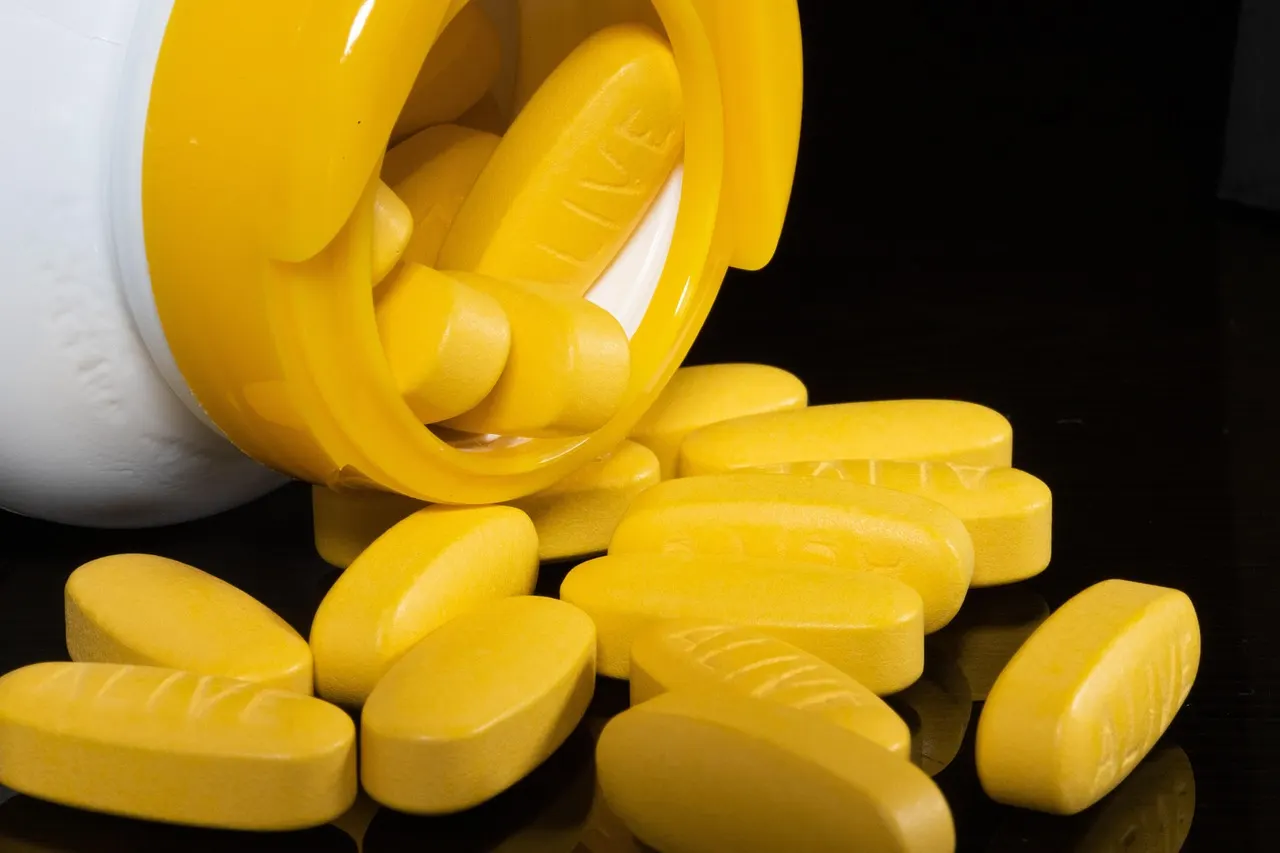
- Supplements: Begin bariatric multivitamin (chewable or liquid form)
- Signs to watch: Dehydration (dark urine, dizziness) — increase fluid intake immediately

Stage 3: Soft & Pureed Foods (Weeks 4-6)
Weeks 4-6 introduce soft, pureed, and mashed foods. Suitable options include scrambled eggs, cottage cheese, hummus, soft fish, mashed avocado, pureed soups, ricotta cheese, and soft-cooked vegetables. Each meal should be 2-4 ounces. Eat slowly, chewing thoroughly (30 chews per bite). Stop eating at the first sign of fullness. Protein remains the priority — eat protein-rich foods first at every meal.
Stage 4: Regular Diet (Week 7+)
From week 7 onward, gradually reintroduce regular solid foods one at a time to test tolerance. Start with well-cooked lean proteins (chicken, fish, turkey), soft vegetables, and low-sugar fruits. Meals should be 4-6 ounces total. Foods to permanently avoid or strictly limit: bread, pasta, rice, sugary snacks, fried foods, carbonated drinks, and tough red meats. Focus on protein-first eating at every meal for the rest of your life.
Protein & Supplementation Guide
Adequate protein intake is the single most important nutritional factor after bariatric surgery, as emphasized by nutritional programs at facilities such as Koç University Hospital. The minimum daily protein target is 60-80g for gastric sleeve and 80-100g for gastric bypass and duodenal switch. Protein preserves muscle mass during rapid weight loss, supports wound healing, and prevents hair loss. Use protein supplements (shakes, bars, collagen powder) to meet daily goals until you can consistently achieve them through food alone.
Long-Term Nutrition Strategy
Long-term success after bariatric surgery depends on establishing sustainable eating habits. Follow the plate method: half the plate lean protein, quarter non-starchy vegetables, quarter complex carbohydrates. Eat 3 small meals and 1-2 protein-rich snacks daily. Avoid grazing, emotional eating, and liquid calories (smoothies, juices, alcohol). Regular follow-up with a bariatric dietitian every 3-6 months is recommended for the first 2 years. Clinics such as Liv Hospital Istanbul include 12 months of virtual dietitian consultations in their all-inclusive packages.
The dietary program provided by my Turkish clinic was more comprehensive than anything available locally. I received a 120-page nutrition guide, weekly video calls with a dietitian for 6 months, and an app that tracked my protein intake. This ongoing support made all the difference in my 100-pound weight loss.
Diana S., UK — Gastric Sleeve in Antalya
Find bariatric clinics with comprehensive dietary programs and long-term nutritional support.
Browse Clinics With Diet ProgramsFrequently Asked Questions
How long is the pre-operative diet?
The pre-op liver shrinking diet typically lasts 2-4 weeks depending on your surgeon's protocol and your BMI. Higher BMI patients may need a longer pre-op diet. It consists of low-calorie, high-protein foods and shakes totaling 800-1,200 calories daily.
When can I eat normal food after bariatric surgery?
The transition to regular solid foods begins around week 7 post-surgery and continues gradually over weeks 8-12. However, 'normal food' after bariatric surgery means permanently smaller portions, protein-first eating, and avoiding high-sugar and high-fat foods.
How much protein do I need after surgery?
The minimum daily protein target is 60-80g for gastric sleeve patients and 80-100g for gastric bypass and duodenal switch patients. Protein shakes and supplements help meet this goal, especially in the first 3-6 months when food intake is very limited.
What foods should I permanently avoid?
Permanently avoid or strictly limit: carbonated beverages, sugary foods and drinks, bread and pasta (especially refined), fried foods, tough red meats, alcohol, and high-calorie liquid calories. These foods can cause discomfort, dumping syndrome (with bypass), or weight regain.
Will I need to take vitamins forever?
Yes. Lifelong vitamin supplementation is required after all bariatric procedures. At minimum: bariatric multivitamin, calcium citrate, vitamin D, and vitamin B12. Bypass and duodenal switch patients need additional iron, zinc, and fat-soluble vitamins.
Can I drink alcohol after bariatric surgery?
Alcohol should be avoided for at least 6-12 months post-surgery and consumed very cautiously thereafter. After bariatric surgery, alcohol is absorbed much faster and in higher concentrations, meaning one drink has the effect of 2-3. There is also an increased risk of developing alcohol use disorder after bariatric surgery.