Why Post-Surgical Rehabilitation Matters
Post-surgical rehabilitation is arguably the most critical determinant of surgical outcomes. Even the most technically perfect surgery can yield suboptimal results without proper rehabilitation, as the body requires structured, progressive therapy to heal correctly, regain function, and prevent complications. Studies consistently demonstrate that patients who participate in comprehensive post-operative rehabilitation programs achieve better functional outcomes, experience fewer complications, have shorter overall recovery times, and report higher satisfaction with their surgical results compared to those who receive minimal or no structured rehabilitation.
Despite its importance, post-surgical rehabilitation is often inadequate in Western healthcare systems due to cost constraints, insurance limitations, and scheduling challenges. In the United States, many patients receive only two to three physiotherapy sessions per week after major surgery, totaling perhaps three to four hours of therapy per week. By contrast, international rehabilitation programs typically provide daily sessions of two to four hours, delivering the intensive therapy that research shows produces superior outcomes. This difference in intensity is one of the primary reasons why patients who undergo rehabilitation abroad often achieve milestones faster and report greater satisfaction with their recovery experience.
The trend of combining surgery and rehabilitation abroad has grown significantly, with many patients choosing to have their procedure and recovery at the same international facility. Hospitals like Doruk Nilüfer Hospital Bursa offer seamless transitions from surgical care to intensive rehabilitation within the same campus, ensuring continuity of care and immediate access to the surgical team if any concerns arise during recovery. For patients who have surgery at home but want intensive rehabilitation abroad, the transition can be arranged two to four weeks after surgery, depending on the type of procedure and the surgeon's clearance for travel.
Types of Post-Operative Rehabilitation
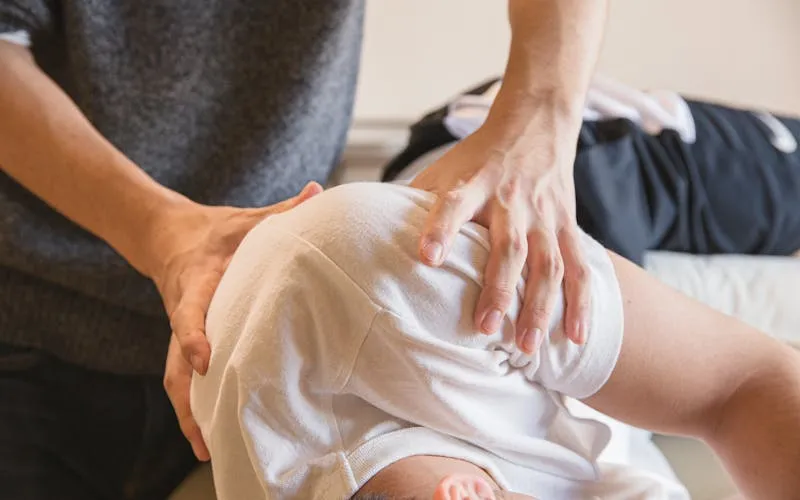
Joint replacement rehabilitation is one of the most common types of post-surgical rehab sought abroad, encompassing recovery from hip, knee, shoulder, and ankle replacements. The rehabilitation protocol for joint replacement follows a carefully structured progression that begins with gentle range of motion exercises and weight-bearing progression, advances through strengthening and functional training, and culminates in activity-specific conditioning. The intensive daily therapy available at international centers can accelerate this progression, helping patients achieve independent walking, stair climbing, and basic daily activities faster than standard programs. Many patients are surprised to find that they can walk without assistive devices within two to three weeks of intensive rehabilitation abroad, compared to the six to eight weeks often required with standard domestic physiotherapy.
Spinal surgery rehabilitation is another area where international programs excel. Whether recovering from discectomy, laminectomy, spinal fusion, or disc replacement surgery, patients require carefully guided rehabilitation that balances activity progression with spinal protection. Post-spinal surgery rehab programs abroad include core stabilization exercises, postural retraining, progressive walking programs, and ergonomic education. The extended daily therapy time allows for thorough coverage of all aspects of spinal recovery, including the often-neglected areas of body mechanics education, workplace ergonomic assessment, and long-term spinal health maintenance strategies.
Cardiac surgery rehabilitation is a specialized form of post-operative rehab that combines exercise training with cardiovascular risk factor management. After procedures such as coronary artery bypass grafting (CABG), valve replacement, or heart transplantation, patients benefit from structured exercise programs that gradually increase cardiovascular workload under medical supervision. International cardiac rehabilitation programs like those offered at Memorial Şişli Hospital include continuous telemetric monitoring during exercise, dietary counseling from cardiac nutrition specialists, stress management workshops, and comprehensive patient education about heart-healthy living. The intensive nature of these programs can deliver the equivalent of several months of standard outpatient cardiac rehabilitation in just three to four weeks.
Post-bariatric surgery rehabilitation is an emerging specialty that addresses the unique physical and lifestyle challenges faced by patients after weight loss surgery. As patients lose significant weight, they may experience changes in balance, posture, and joint loading that benefit from guided exercise and physiotherapy. International programs combine progressive exercise training with nutritional counseling, body image therapy, and functional movement assessment to help patients adapt to their changing bodies and establish sustainable fitness routines. Recovery programs at facilities like Medworld Health & Rehabilitation Center integrate wellness and rehabilitation approaches that support the patient's entire weight loss journey beyond the surgical procedure itself.
- Joint replacement rehabilitation — hip, knee, shoulder replacement recovery with daily therapy
- Spinal surgery rehabilitation — disc surgery, fusion, laminectomy recovery with core training
- Cardiac surgery rehabilitation — CABG, valve replacement, transplant recovery with monitored exercise
- Bariatric surgery rehabilitation — post-weight loss exercise, nutrition, body adaptation programs
- Orthopedic fracture rehabilitation — complex fracture recovery, bone healing optimization
- Abdominal surgery rehabilitation — hernia repair, abdominal reconstruction recovery
- Neurosurgery rehabilitation — brain surgery, deep brain stimulation post-operative care
- Cancer surgery rehabilitation — mastectomy, bowel resection, lung surgery recovery programs

The Benefits of Early Mobilization
One of the most significant advances in post-surgical rehabilitation has been the recognition of early mobilization as a critical factor in recovery outcomes. Research spanning multiple surgical disciplines has consistently demonstrated that getting patients moving as soon as safely possible after surgery reduces complications, shortens hospital stays, and improves overall outcomes. Early mobilization helps prevent dangerous post-surgical complications including deep vein thrombosis (blood clots), pulmonary embolism, pneumonia, pressure ulcers, and muscle wasting. It also stimulates circulation, promotes wound healing, and begins the process of functional recovery from the very first day after surgery.
Enhanced Recovery After Surgery (ERAS) protocols, which emphasize early mobilization as a cornerstone element, have been widely adopted at leading international surgical centers. These evidence-based protocols also include optimized pain management, early nutrition, and minimized use of drains and catheters, all of which facilitate earlier and more comfortable mobilization. At Doruk Nilüfer Hospital Bursa, ERAS protocols are integrated with intensive rehabilitation programs, ensuring that patients begin structured therapy within hours of surgery and progress rapidly through rehabilitation milestones. This approach has been shown to reduce average hospital stays by 30 to 50 percent while simultaneously improving patient outcomes and satisfaction.
The psychological benefits of early mobilization should not be underestimated. Patients who are able to sit, stand, and walk soon after surgery experience greater confidence in their recovery, reduced anxiety, and improved mood. This positive psychological state contributes to better engagement in rehabilitation activities and greater motivation to push through the challenging early stages of recovery. The intensive support available at international rehabilitation centers, where patients have access to therapists throughout the day, makes early mobilization safer and more comfortable, as trained professionals are always available to provide assistance, encouragement, and appropriate challenge.
Cost Comparison by Country
Post-surgical rehabilitation costs vary significantly between countries, creating substantial opportunities for savings without compromising quality. In the United States, post-operative physiotherapy sessions typically cost $150 to $350 each, with patients commonly needing three to five sessions per week for four to eight weeks after major surgery. A standard three-week post-surgical rehabilitation program in the US costs approximately $7,000 to $14,000 for the therapy sessions alone, not including physician visits, imaging, or medication. For complex cases requiring extended rehabilitation or specialized interventions, costs can easily double or triple.
Turkey offers the most compelling value proposition for post-surgical rehabilitation, with three-week intensive programs costing between $1,500 and $3,500 at accredited facilities. India provides the lowest absolute costs, with programs available from $1,000 to $2,500, while Germany offers the highest level of Western-style expertise at $4,000 to $8,000 for a three-week program. The best choice depends on the type of surgery, the complexity of rehabilitation needed, and personal preferences regarding destination, language, and travel distance. Many patients choose to combine their surgery and rehabilitation at the same international facility, which can provide additional cost savings and the convenience of continuity of care.
Post-Surgery Rehabilitation Cost Comparison 2025
| Country | Per Session | 3-Week Program | Savings vs USA |
|---|---|---|---|
| USA | $150 - $350 | $7,000 - $14,000 | — |
| Turkey | $30 - $70 | $1,500 - $3,500 | Up to 80% |
| Thailand | $40 - $85 | $2,000 - $4,000 | Up to 75% |
| India | $20 - $50 | $1,000 - $2,500 | Up to 85% |
| Hungary | $50 - $95 | $2,500 - $5,000 | Up to 70% |
| Mexico | $40 - $80 | $2,000 - $4,000 | Up to 75% |
| Germany | $80 - $160 | $4,000 - $8,000 | Up to 50% |
| South Korea | $60 - $120 | $3,000 - $6,000 | Up to 60% |
Prices include daily therapy sessions, physician consultations, and facility fees. Medication and advanced imaging costs may be additional.
Planning post-surgery rehabilitation abroad? Get personalized quotes from accredited rehabilitation centers.
Get Free QuotePain Management During Post-Surgical Recovery
Effective pain management is essential for successful post-surgical rehabilitation, as uncontrolled pain limits the patient's ability to participate in therapy activities and impedes recovery. International rehabilitation programs typically employ a multimodal approach to pain management that combines pharmacological treatments with physical modalities and psychological techniques. This approach aims to minimize reliance on opioid medications while providing effective pain relief that enables active participation in rehabilitation. Common physical modalities used for post-surgical pain management include cryotherapy (cold therapy), transcutaneous electrical nerve stimulation (TENS), ultrasound therapy, and manual therapy techniques such as soft tissue mobilization and gentle joint mobilization.
Progressive exercise itself is one of the most effective pain management strategies in post-surgical rehabilitation. Regular, appropriate physical activity stimulates the release of endorphins, the body's natural pain-relieving chemicals, while also reducing stiffness, improving circulation, and promoting tissue healing. International rehabilitation programs capitalize on this by structuring daily therapy sessions that progressively challenge the patient while maintaining comfort levels within acceptable limits. The availability of aquatic therapy at many international centers provides an additional pain management tool, as the warmth and buoyancy of water reduce joint stress and muscle tension while enabling more comfortable movement than is possible on land.
Planning Your Rehabilitation Program Abroad
Successful rehabilitation abroad requires careful advance planning to ensure a smooth and productive experience. Begin by obtaining comprehensive surgical reports and post-operative instructions from your surgeon, as these documents will guide the rehabilitation team in developing your individualized treatment plan. Include all imaging studies, pathology reports, and medication lists in your documentation package. Most international rehabilitation facilities accept medical records in English; if your records are in another language, arrange for professional medical translation before traveling.
Timing your travel is another important consideration. For most surgical procedures, the optimal time to begin intensive rehabilitation abroad is two to four weeks after surgery, when initial wound healing has occurred and you have been cleared for increased activity. Earlier travel may be possible for minimally invasive procedures, while more complex surgeries may require a longer waiting period. Consult both your surgeon and the international rehabilitation team to determine the ideal timing for your specific situation. Many patients arrange a pre-travel video consultation with the rehabilitation physician abroad to discuss their condition and begin planning the treatment program before departure.
Practical considerations include arranging comfortable travel accommodations suitable for your post-surgical status, ensuring adequate medical travel insurance, and organizing a companion to assist with travel and daily activities during the first few days of your rehabilitation program. Most international rehabilitation facilities offer assistance with airport transfers, accommodation arrangements, and visa documentation for medical travelers. Some facilities even provide dedicated patient coordinators who manage all logistical aspects of the rehabilitation trip, allowing patients to focus entirely on their recovery.
I had my knee replacement in the US and then flew to Turkey for three weeks of intensive rehab. The daily therapy sessions, pool therapy, and personalized attention were incredible. I was walking without a cane in two weeks — my surgeon back home was amazed.
Robert J., bilateral knee replacement patient from Chicago
Frequently Asked Questions
Frequently Asked Questions
How soon after surgery can I fly for rehabilitation abroad?
This depends on the type of surgery. For most joint replacements and arthroscopic procedures, travel is typically safe 2-3 weeks post-surgery. For cardiac and abdominal surgeries, 3-4 weeks is usually recommended. Always get clearance from your surgeon before flying.
Should I have both surgery and rehabilitation at the same facility?
Having surgery and rehabilitation at the same facility offers continuity of care and convenience. Many international hospitals offer comprehensive packages that include the surgical procedure and several weeks of post-operative rehabilitation at discounted rates.
What if complications arise during rehabilitation abroad?
Reputable international rehabilitation centers have full medical services including emergency care, imaging, and specialist consultations. If you rehabilitate at a full-service hospital like Doruk Nilüfer Hospital, your surgical team can be immediately consulted if any post-operative concerns arise.
How long should my post-surgery rehabilitation program be?
Program duration varies by surgery type: joint replacement typically requires 2-3 weeks, spinal surgery 3-4 weeks, cardiac surgery 3-4 weeks, and complex orthopedic procedures 4-6 weeks. Your rehabilitation physician will recommend the optimal duration based on your progress.
Will I receive a report to share with my home physician?
Yes, all reputable international rehabilitation programs provide comprehensive discharge reports detailing your treatment, progress, and recommendations for ongoing care. These reports are formatted for easy sharing with your home healthcare team.