Understanding PTSD
Post-traumatic stress disorder (PTSD) develops in approximately 6 to 8 percent of people who experience or witness a traumatic event, with higher rates among combat veterans (15-30%), sexual assault survivors (30-50%), and those exposed to prolonged interpersonal violence. PTSD is characterized by four symptom clusters: intrusive re-experiencing (flashbacks, nightmares, intrusive memories), avoidance of trauma-related stimuli, negative changes in thoughts and mood, and hyperarousal (hypervigilance, exaggerated startle response, sleep disturbance). These symptoms must persist for at least one month and cause significant functional impairment to meet diagnostic criteria.
The neurobiology of PTSD involves dysfunction in several brain systems. The amygdala becomes hyperactive, generating exaggerated fear responses to trauma-related and even neutral stimuli. The prefrontal cortex, which normally modulates emotional responses, shows reduced activity, diminishing the ability to regulate fear and anxiety. The hippocampus, involved in memory processing and contextualization, often shows reduced volume, contributing to the fragmented, disorganized nature of traumatic memories that characterize PTSD. Effective PTSD treatments target these neurobiological abnormalities, promoting reconsolidation and processing of traumatic memories and restoring normal fear extinction mechanisms.
Access to evidence-based PTSD treatment in the United States is severely limited by provider shortages, long waitlists, and high costs. The average wait time for PTSD treatment at VA facilities exceeds 30 days, and many civilian trauma therapists have waitlists of three to six months. When treatment is available, a standard course of 12 EMDR or CPT sessions costs $2,400 to $6,000, while intensive residential programs run $25,000 to $50,000 for a four-week stay. International psychiatric centers offer immediate access to evidence-based PTSD treatment at 60 to 80 percent lower cost. Moodist Hospital in Istanbul provides comprehensive PTSD treatment programs with experienced trauma-specialized clinicians.
Evidence-Based PTSD Treatments
Eye Movement Desensitization and Reprocessing (EMDR) is one of the two gold-standard psychotherapies for PTSD, endorsed by the World Health Organization, American Psychological Association, and the Department of Veterans Affairs. EMDR uses bilateral stimulation (typically guided eye movements) while the patient focuses on traumatic memories, facilitating the brain's natural adaptive information processing and enabling the integration of traumatic experiences into normal memory networks. A standard EMDR protocol involves eight phases over 8 to 12 sessions, but intensive formats delivering daily or twice-daily sessions over two to three weeks can achieve equivalent results. Trained EMDR therapists at Moodist Hospital deliver both standard and intensive EMDR protocols.
Cognitive Processing Therapy (CPT) and Prolonged Exposure (PE) are the other first-line psychotherapies for PTSD. CPT focuses on identifying and challenging unhelpful beliefs about the traumatic event and its aftermath (stuck points), helping patients develop more balanced and accurate cognitions about themselves, others, and the world. PE involves repeated, guided revisiting of the traumatic memory in a safe therapeutic environment, combined with in-vivo exposure to avoided situations, allowing the fear associated with the memory to naturally diminish through habituation. Both therapies are typically delivered over 10 to 12 sessions but can be condensed into intensive two to three week formats for international patients.
Pharmacotherapy plays an important adjunctive role in PTSD treatment, with sertraline and paroxetine being the only FDA-approved medications. Prazosin is commonly used off-label for trauma-related nightmares with good evidence for effectiveness. Stellate ganglion block (SGB), an injection of local anesthetic into a nerve bundle in the neck, has shown promising results for PTSD symptoms in preliminary studies and clinical case series. More innovative approaches including psilocybin-assisted therapy and MDMA-assisted psychotherapy have shown dramatic results in clinical trials, with MDMA-assisted therapy achieving PTSD remission rates of 67 percent in Phase 3 trials, though availability varies by jurisdiction.
- EMDR — bilateral stimulation-based trauma processing, WHO-endorsed
- CPT — cognitive restructuring of trauma-related beliefs
- Prolonged Exposure — systematic revisiting and processing of trauma memories
- Written Exposure Therapy — written narrative processing in 5 sessions
- SSRI medication — sertraline and paroxetine as first-line pharmacotherapy
- Prazosin — effective for trauma-related nightmares
- Stellate ganglion block — promising novel intervention for PTSD symptoms
- Neurofeedback — training brain wave patterns associated with reduced PTSD
Cost Comparison by Country
PTSD Treatment Cost Comparison 2025
| Treatment | USA Cost | Turkey Cost | Savings |
|---|---|---|---|
| EMDR Therapy (12 sessions) | $2,400 - $6,000 | $600 - $1,500 | Up to 75% |
| CPT Course (12 sessions) | $2,400 - $6,000 | $600 - $1,500 | Up to 75% |
| Prolonged Exposure (10 sessions) | $2,000 - $5,000 | $500 - $1,200 | Up to 76% |
| Intensive PTSD Program (3 weeks) | $15,000 - $35,000 | $3,500 - $7,000 | Up to 80% |
| Inpatient Trauma Program (4 weeks) | $25,000 - $50,000 | $5,000 - $10,000 | Up to 80% |
| MDMA-Assisted Therapy (where legal) | $10,000 - $20,000 | $3,000 - $6,000 | Up to 70% |
| Stellate Ganglion Block for PTSD | $2,000 - $5,000 | $500 - $1,200 | Up to 76% |
Costs vary based on treatment modality, program intensity, and individual needs. Many patients benefit from combining multiple approaches in an intensive program format.
The intensive treatment format available at international psychiatric centers is particularly well-suited for PTSD treatment. Research has shown that intensive PTSD treatments (daily or twice-daily sessions over two to three weeks) are as effective as traditional weekly therapy spread over months. For many PTSD patients, the intensive approach is actually preferable because it maintains therapeutic momentum, reduces dropout rates (which exceed 30% in standard weekly PTSD therapy), and allows patients to achieve significant improvement before returning to their daily environment.
Ready to address your trauma? Get free quotes from specialized psychiatric centers offering evidence-based PTSD treatment programs.
Get Free QuoteTop Trauma Treatment Centers
Moodist Hospital provides comprehensive PTSD treatment with therapists trained in EMDR, CPT, and prolonged exposure. The hospital's trauma treatment program combines evidence-based psychotherapy with medication management, group therapy, somatic experiencing, and complementary therapies including mindfulness-based stress reduction. The inpatient program provides a safe, contained environment for processing traumatic experiences, with 24-hour psychiatric support and a structured therapeutic schedule designed to maximize healing while ensuring patient safety.
Acıbadem Maslak Hospital offers psychiatric services including trauma-focused treatment within its comprehensive healthcare network. Memorial Şişli Hospital provides psychiatric consultation for PTSD patients with multidisciplinary support. American Hospital Istanbul offers English-language psychiatric care for trauma patients, with clinicians experienced in treating international patients from diverse cultural backgrounds.

Intensive PTSD Treatment Programs
Intensive PTSD treatment programs compress the therapeutic process into a focused two to four week period, delivering daily individual and group therapy sessions that would otherwise require months of weekly outpatient appointments. A typical intensive PTSD program includes daily EMDR or CPT sessions (75-90 minutes), daily group process therapy, medication evaluation and optimization, somatic therapy sessions to address body-held trauma, mindfulness and grounding skill development, psychoeducation about trauma and recovery, and structured relaxation and self-care activities.
The evidence for intensive PTSD treatment formats is robust, with multiple studies demonstrating equivalent or superior outcomes compared to standard weekly therapy. A landmark study found that daily EMDR over one to two weeks produced clinically significant improvement in 80 percent of patients with chronic PTSD. Intensive CPT studies have shown similar rapid results. The intensive format reduces treatment dropout, which is a significant problem in standard PTSD therapy, and allows patients to achieve meaningful recovery in a compressed timeframe that makes international treatment practical and effective.
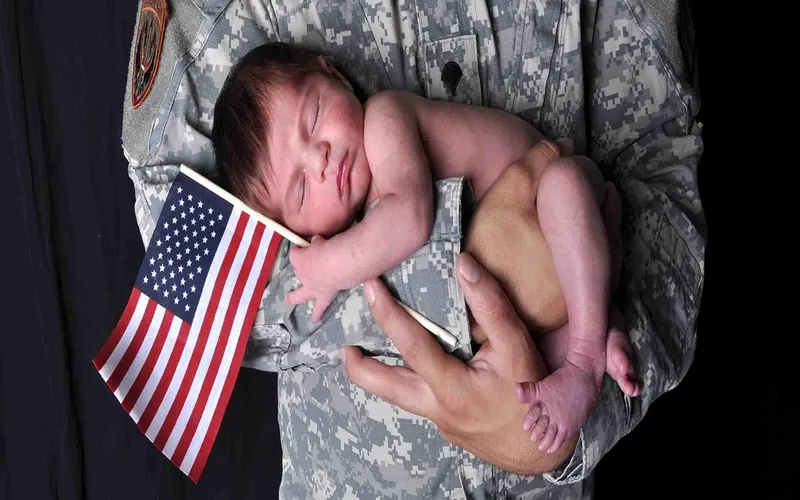
I served three tours overseas and had been struggling with PTSD for eight years. The VA waitlist was six months. At Moodist Hospital, I completed three weeks of intensive EMDR and CPT. The nightmares stopped, the hypervigilance decreased dramatically, and I felt like I got my life back. The cost was $6,000 total — including my hotel and flights, it was a fraction of what a US residential program would have cost.
Marcus J., combat veteran and PTSD patient from the US
Frequently Asked Questions
Is intensive PTSD treatment as effective as traditional weekly therapy?
Yes. Multiple clinical studies have shown that intensive PTSD treatments (daily sessions over 1-3 weeks) are as effective as traditional weekly therapy spread over 3-4 months. Some research suggests intensive formats may be more effective due to maintained therapeutic momentum and lower dropout rates.
What type of PTSD therapy is most effective?
EMDR, CPT, and Prolonged Exposure all have strong evidence and are considered first-line treatments. The 'best' therapy depends on the individual — some patients respond better to EMDR's processing approach, while others prefer CPT's cognitive restructuring. A skilled clinician can help determine the most appropriate modality for your specific trauma history and symptom pattern.
Can PTSD be fully treated in a few weeks?
Many patients achieve significant symptom reduction in 2-4 weeks of intensive treatment. However, full recovery is often a longer process. The intensive program provides the breakthrough and foundational skills, with continued maintenance work through outpatient therapy and self-practice after returning home. Some patients do achieve complete remission during intensive treatment.
Is it safe to process trauma intensively away from home?
International treatment programs are designed with safety as a priority. Inpatient programs provide 24/7 psychiatric support, and outpatient intensive programs include daily check-ins and crisis support. The therapeutic environment is carefully structured to process trauma safely. Having a support person with you is recommended. Your treatment team will monitor your stability throughout the program.