The Global Opioid Crisis
The opioid epidemic represents one of the most devastating public health crises of the 21st century, with over 80,000 opioid-related deaths annually in the United States alone. What began with over-prescription of opioid painkillers has evolved into a crisis driven by illicit fentanyl, which is 50 to 100 times more potent than morphine and has infiltrated the illicit drug supply, dramatically increasing overdose risk. Globally, an estimated 62 million people use opioids, with 16 million suffering from opioid use disorder. The crisis has devastated families, communities, and healthcare systems, creating an urgent need for accessible, effective treatment.
Opioid use disorder (OUD) is a chronic brain condition that fundamentally alters the brain's reward, motivation, and stress systems. Chronic opioid use creates physical dependence and neuroadaptive changes that persist long after drug cessation, producing powerful cravings, emotional dysregulation, and vulnerability to relapse. The withdrawal syndrome from opioids, while rarely life-threatening, is intensely uncomfortable — involving severe anxiety, muscle pain, gastrointestinal distress, insomnia, and drug craving — and drives many patients to relapse in the first days of attempted abstinence without proper medical support.
Despite scientific consensus that medication-assisted treatment (MAT) is the most effective approach for opioid use disorder, access to quality MAT-integrated treatment remains limited and expensive in the United States. Monthly costs for buprenorphine-based treatment range from $200 to $500 for the medication alone, with physician visits adding $200 to $500 per appointment. Comprehensive rehabilitation programs integrating MAT cost $20,000 to $80,000. International treatment centers offer MAT-integrated rehabilitation at 60 to 80 percent lower cost. Moodist Hospital provides comprehensive opioid addiction treatment with experienced addiction medicine physicians who specialize in opioid use disorder management.
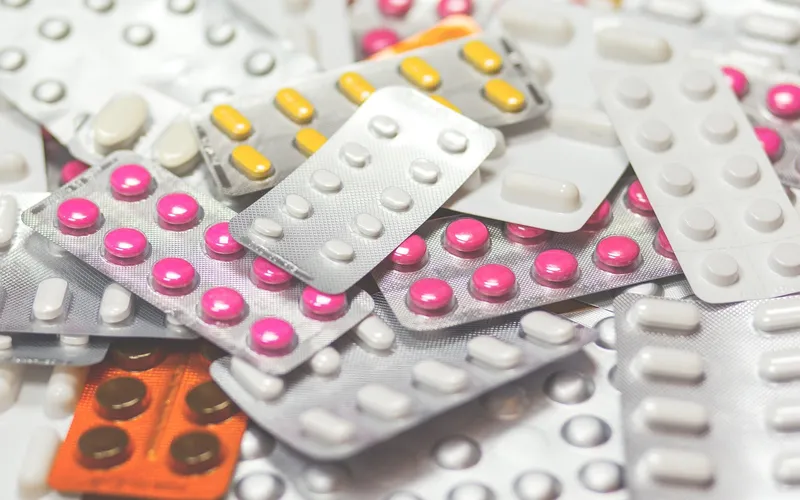
Medication-Assisted Treatment Options
Buprenorphine (Suboxone/Subutex) is the most widely prescribed MAT medication for opioid use disorder. As a partial opioid agonist, buprenorphine activates opioid receptors enough to prevent withdrawal and reduce cravings without producing the euphoria of full agonists. Buprenorphine has a ceiling effect that reduces overdose risk, and the combination formulation with naloxone (Suboxone) deters misuse. Treatment can begin within 12 to 24 hours of the last opioid use once the patient enters early withdrawal. International treatment centers stabilize patients on buprenorphine during the initial treatment phase and can provide prescriptions for continued maintenance upon return home.
Naltrexone is an opioid antagonist that completely blocks opioid receptors, preventing any effect from opioid use. Available as a daily oral tablet or monthly extended-release injection (Vivitrol), naltrexone is best suited for patients who have completed detoxification and are highly motivated for abstinence. The injectable form eliminates adherence concerns for 30 days per injection. Naltrexone does not produce physical dependence or withdrawal upon discontinuation. Moodist Hospital can administer Vivitrol before discharge, providing 30 days of protection during the critical early recovery transition.
Methadone is a full opioid agonist that, at proper doses, eliminates withdrawal symptoms and cravings for 24 to 36 hours without producing euphoria. Methadone maintenance is the most studied addiction treatment in medicine, with 50+ years of evidence demonstrating reduced opioid use, criminal activity, infectious disease transmission, and mortality. However, methadone requires daily dispensing at certified clinics, creating logistical challenges for international patients. Some international centers offer methadone stabilization during inpatient treatment with transition to buprenorphine or naltrexone for continued outpatient management.
- Buprenorphine (Suboxone) — partial agonist for maintenance and withdrawal prevention
- Naltrexone (oral) — daily opioid blocker for motivated abstinent patients
- Vivitrol (injectable naltrexone) — monthly injection eliminating adherence concerns
- Methadone — full agonist for severe OUD, most studied addiction treatment
- Lofexidine/clonidine — alpha-2 agonists for withdrawal symptom management
- Sublocade (injectable buprenorphine) — monthly buprenorphine injection
Cost Comparison by Country
Opioid Addiction Treatment Cost Comparison 2025
| Treatment | USA Cost | Turkey Cost | Savings |
|---|---|---|---|
| Opioid Detox (7-14 days) | $5,000 - $15,000 | $1,500 - $3,500 | Up to 77% |
| Inpatient Rehab + MAT (30 days) | $20,000 - $50,000 | $4,000 - $10,000 | Up to 80% |
| Extended Rehab + MAT (60 days) | $35,000 - $70,000 | $7,000 - $14,000 | Up to 80% |
| Vivitrol Injection (monthly) | $1,500 - $2,500 | $400 - $800 | Up to 68% |
| Suboxone Stabilization (30 days) | $3,000 - $8,000 | $800 - $2,000 | Up to 75% |
| Comprehensive Dual Diagnosis Program | $30,000 - $80,000 | $6,000 - $16,000 | Up to 80% |
MAT should be integrated into rehabilitation programs for optimal outcomes. Medication costs vary by specific agent. Extended programs show significantly better long-term results.
The cost differential for opioid addiction treatment is particularly significant because best-practice treatment involves extended rehabilitation with integrated MAT. A 60-day MAT-integrated program in the US costs $35,000 to $70,000, while the same comprehensive treatment at an international center costs $7,000 to $14,000. The geographic separation from drug-using environments provides additional therapeutic benefit for opioid addiction, removing patients from the social networks, locations, and routines associated with drug use and creating a clean break for recovery.
Struggling with opioid addiction? Get free quotes from rehabilitation centers offering MAT-integrated recovery programs with experienced addiction medicine specialists.
Get Free QuoteTop Opioid Treatment Centers
Moodist Hospital provides comprehensive opioid addiction treatment integrating medical detoxification, medication-assisted treatment, evidence-based behavioral therapies, and thorough aftercare planning. The hospital's addiction medicine team is experienced in managing all opioid dependencies including prescription opioids, heroin, and fentanyl. The program emphasizes MAT as a core treatment component rather than an optional add-on, reflecting current evidence-based guidelines for opioid use disorder treatment.
Acıbadem Maslak Hospital, Memorial Şişli Hospital, and American Hospital Istanbul provide psychiatric and addiction medicine services that can support opioid addiction treatment with varying levels of specialization. When selecting a center for opioid addiction treatment, prioritize facilities with addiction medicine physicians experienced in MAT, 24-hour medical supervision for detoxification, and the ability to prescribe and provide ongoing MAT during the treatment stay.

Building a Sustainable Recovery Plan
Successful long-term recovery from opioid addiction requires a comprehensive, multi-faceted plan that extends well beyond the initial treatment period. Key components include continued MAT for a minimum of 12 months (and often indefinitely for optimal outcomes), regular outpatient therapy focusing on relapse prevention and life skills development, engagement with mutual support communities, naloxone (Narcan) availability for overdose emergencies, and ongoing monitoring through regular contact with an addiction medicine provider.
The transition from international treatment back to the home environment is carefully planned at quality rehabilitation centers. Before discharge, the treatment team coordinates with local MAT providers, secures sufficient medication supply for the transition period, provides comprehensive treatment documentation, and establishes follow-up appointments. Patients receive training in overdose prevention including naloxone use, and family members are educated about supporting recovery and recognizing warning signs of relapse.
Fentanyl addiction nearly killed me twice. My family scraped together money for a US rehab but couldn't afford the $45,000 price. At Moodist Hospital, I completed a 60-day MAT-integrated program for $11,000. They started me on Suboxone during detox, and I received a Vivitrol injection before discharge. With continued MAT and the recovery skills I learned, I have been clean for over a year. Treatment abroad saved my life and my family's finances.
Jason M., opioid addiction recovery patient from the US
Frequently Asked Questions
Should I choose buprenorphine or naltrexone for MAT?
This depends on your individual situation. Buprenorphine is generally recommended as first-line treatment — it can be started during withdrawal, is highly effective at preventing relapse, and has a strong evidence base. Naltrexone (especially injectable Vivitrol) may be preferred by patients who have completed detox and want full abstinence from all opioids. Your addiction medicine physician will recommend the best option.
How long should I stay on MAT?
Current evidence strongly supports long-term MAT for at least 12 months, and many experts recommend indefinite maintenance for severe OUD. Premature discontinuation of MAT is associated with high relapse and overdose rates. The decision to taper MAT should be made carefully with your addiction medicine provider based on sustained recovery, psychosocial stability, and patient readiness.
Can I bring my Suboxone prescription when traveling for treatment?
Medication regulations vary by country. Most countries allow travelers to bring personal medication supplies with proper documentation (prescription, letter from physician). Contact the treatment center and check destination country regulations before traveling. The center can also provide buprenorphine upon arrival if bringing medication is problematic.
What if I relapse after returning home from treatment abroad?
Relapse does not equal treatment failure — it is a common part of the recovery process. If relapse occurs, contact your local MAT provider immediately for medication restart. Your international treatment team may be available for telemedicine consultation. Having naloxone available and a relapse response plan in place before discharge reduces the risks associated with any relapse episode.