What is Arthroscopy?
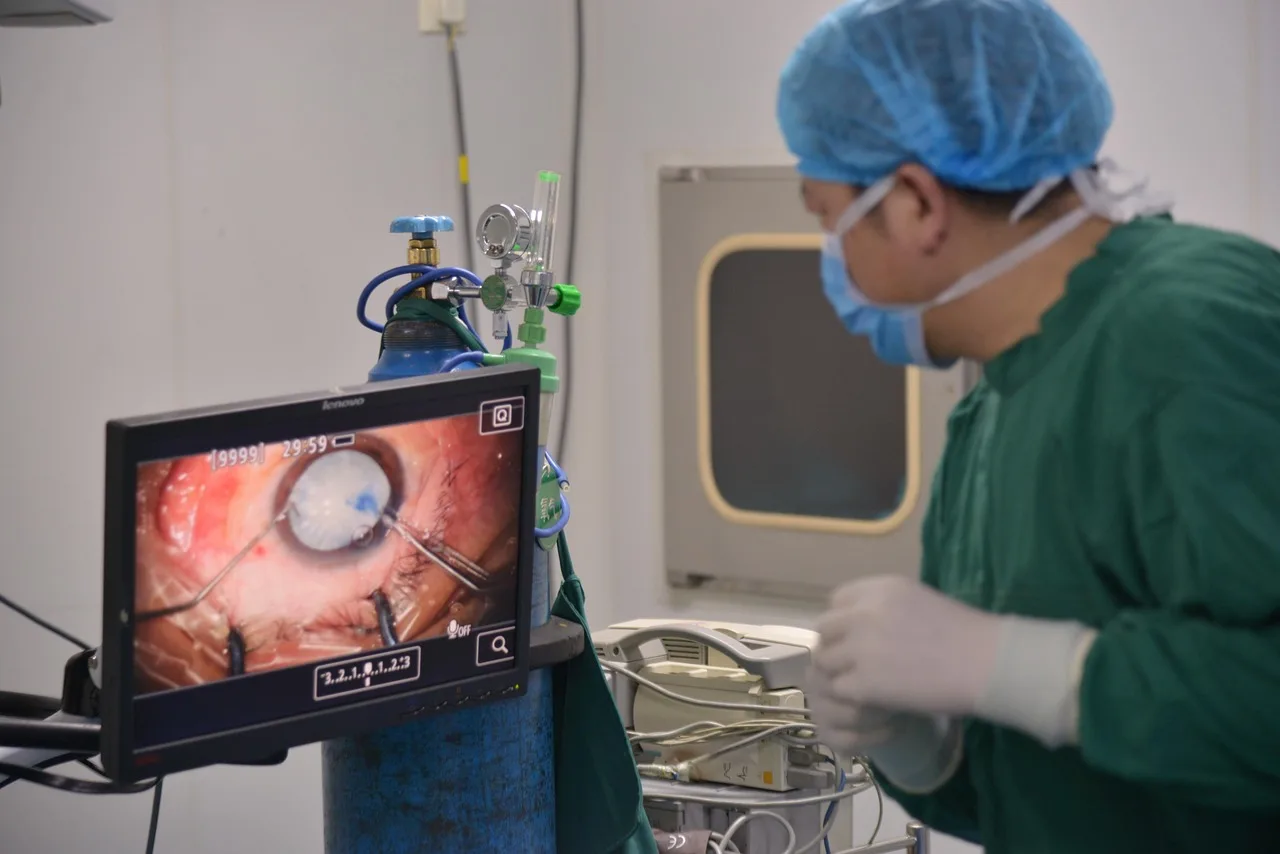
Arthroscopy is a minimally invasive surgical technique that allows surgeons to diagnose and treat joint problems through small incisions (portals) using a tiny camera (arthroscope) and specialized instruments. The term comes from the Greek words 'arthro' (joint) and 'skopein' (to look), literally meaning 'to look inside the joint.' This technology has revolutionized orthopedic surgery by enabling complex procedures — from meniscal repair and ACL reconstruction to rotator cuff repair and hip labral reconstruction — through incisions as small as 5mm, dramatically reducing tissue trauma, pain, scarring, and recovery time compared to traditional open surgery.
In the United States, arthroscopic procedures are among the most commonly performed orthopedic surgeries, with over 4 million performed annually. Yet the cost — ranging from $10,000 for a simple knee arthroscopy to $25,000+ for complex shoulder procedures — creates a significant financial burden for patients. International hospitals have invested heavily in the latest arthroscopic equipment, including 4K camera systems, fluid management pumps, and radiofrequency ablation devices, offering the same quality of keyhole surgery at a fraction of the US cost.
Whether you need a knee meniscal repair, rotator cuff reconstruction, shoulder labrum repair, hip labral repair, or diagnostic arthroscopy, world-class facilities like American Hospital Istanbul and Liv Hospital Istanbul provide state-of-the-art arthroscopic capabilities with fellowship-trained sports medicine and joint preservation surgeons. The combination of modern technology, experienced surgeons, and affordable pricing makes arthroscopy abroad an increasingly popular choice for patients worldwide.
Cost Comparison by Country
Arthroscopy costs depend on the joint being treated, the complexity of the procedure, and whether it's performed as day surgery or requires an overnight stay. Our analysis covers the most common arthroscopic procedures across eight countries.
Arthroscopy Cost Comparison 2025
| Country | Knee Arthroscopy | Shoulder Arthroscopy | Savings vs USA |
|---|---|---|---|
| USA | $10,000 - $20,000 | $12,000 - $25,000 | — |
| Turkey | $3,000 - $6,000 | $4,000 - $7,000 | Up to 70% |
| India | $2,000 - $4,000 | $2,500 - $5,000 | Up to 80% |
| Thailand | $4,000 - $7,000 | $5,000 - $8,000 | Up to 65% |
| Mexico | $4,000 - $7,000 | $5,000 - $8,000 | Up to 65% |
| South Korea | $5,000 - $8,000 | $6,000 - $10,000 | Up to 55% |
| Spain | $5,000 - $9,000 | $6,000 - $10,000 | Up to 55% |
| Germany | $6,000 - $10,000 | $7,000 - $12,000 | Up to 50% |
Prices include surgeon fees, arthroscopic equipment, anesthesia, and day-surgery or 1-night stay. Complex procedures (rotator cuff repair, labrum repair) are at the higher end of the range.
Simple diagnostic arthroscopy is at the lower end of the price range, while complex reconstructive procedures (ACL reconstruction, rotator cuff repair, labrum repair with anchors) are at the higher end. Most international hospitals include the arthroscopic equipment, implants (anchors, sutures, interference screws), and basic physiotherapy in the quoted price. Comprehensive packages at Koç University Hospital often include pre-operative MRI, airport transfers, and post-operative follow-up consultations.
Compare arthroscopy prices from sports medicine centers worldwide. Get free, no-obligation quotes from verified surgeons.
Compare Arthroscopy ClinicsBest Countries for Arthroscopy
Turkey has become a major hub for arthroscopic surgery, with Istanbul's leading hospitals featuring the latest Arthrex, Smith & Nephew, and Stryker arthroscopic systems. Turkish sports medicine surgeons treat athletes from major European and Turkish football leagues, bringing elite-level expertise to international patients. The combination of short travel times from Europe and the Middle East, competitive pricing, and excellent clinical capabilities makes Turkey the most popular European destination for arthroscopic procedures.
South Korea is at the cutting edge of arthroscopic innovation, with Korean surgeons pioneering techniques in cartilage regeneration (autologous chondrocyte implantation, microfracture), meniscal transplantation, and hip arthroscopy. Korean hospitals invest heavily in the latest technology and have some of the highest arthroscopy volumes in the world, translating to exceptional surgical skill.
India offers the most cost-effective arthroscopic surgery globally, with procedures available at 70-80% less than US prices. Major Indian sports medicine centers perform thousands of arthroscopies annually using the same Arthrex and Smith & Nephew equipment systems as leading Western hospitals. Indian surgeons frequently participate in international sports medicine fellowships and conferences, staying current with the latest techniques and evidence-based practices.
I needed a rotator cuff repair and was quoted $22,000 at my hospital in Chicago. I flew to Istanbul and had the arthroscopic repair done for $5,500 — same Arthrex anchors, same technique. Three tiny incisions, overnight stay, and I was at my recovery hotel the next day. The surgeon even called me weekly for the first month to check my progress.
Jennifer M., treated in Turkey
Types of Arthroscopic Procedures
Arthroscopy can be performed on virtually any joint, but the most common locations are the knee, shoulder, and hip. Understanding the specific procedures helps you communicate effectively with your international surgeon and set realistic recovery expectations.
- Knee Meniscectomy/Meniscal Repair: Removal (meniscectomy) or repair (suturing) of a torn meniscus. Day surgery with 2-6 week recovery for meniscectomy, 3-4 months for repair. One of the most common arthroscopic procedures worldwide.
- Rotator Cuff Repair: Arthroscopic reattachment of torn rotator cuff tendons using suture anchors. Overnight stay, sling for 4-6 weeks, full recovery 4-6 months. Excellent outcomes with experienced surgeons.
- Shoulder Labrum Repair (Bankart/SLAP): Repair of the cartilage rim (labrum) of the shoulder socket using suture anchors. Common after shoulder dislocations. Recovery takes 4-6 months with careful rehabilitation.
- Hip Arthroscopy (Labral Repair/FAI): Treatment of femoroacetabular impingement (FAI) and hip labral tears. A more specialized procedure requiring advanced training. Recovery takes 3-6 months with protected weight-bearing.
- Loose Body Removal: Arthroscopic removal of floating pieces of bone or cartilage within a joint. Day surgery with rapid recovery (1-2 weeks). Provides immediate symptom relief.
- Cartilage Procedures (Microfracture, OATS, ACI): Arthroscopic treatment of cartilage defects using various techniques to stimulate healing or transplant cartilage. Recovery varies from 6 weeks to 6 months depending on the technique and location.
Procedure & Recovery
Arthroscopy is performed under general or regional anesthesia. The surgeon makes 2-4 small incisions (5-10mm each) around the joint. One portal houses the arthroscope (camera), while others are used for surgical instruments. The joint is distended with sterile fluid to create a workspace and provide clear visualization. The entire procedure typically takes 30-90 minutes depending on complexity.
Plan to stay abroad for 5-10 days after arthroscopy, depending on the specific procedure. Simple meniscectomy or loose body removal may only require 3-5 days, while rotator cuff repair or labral reconstruction requires 7-10 days for initial monitoring and physiotherapy instruction. Most patients can fly 5-7 days after simple arthroscopy and 7-10 days after complex reconstructive arthroscopy.
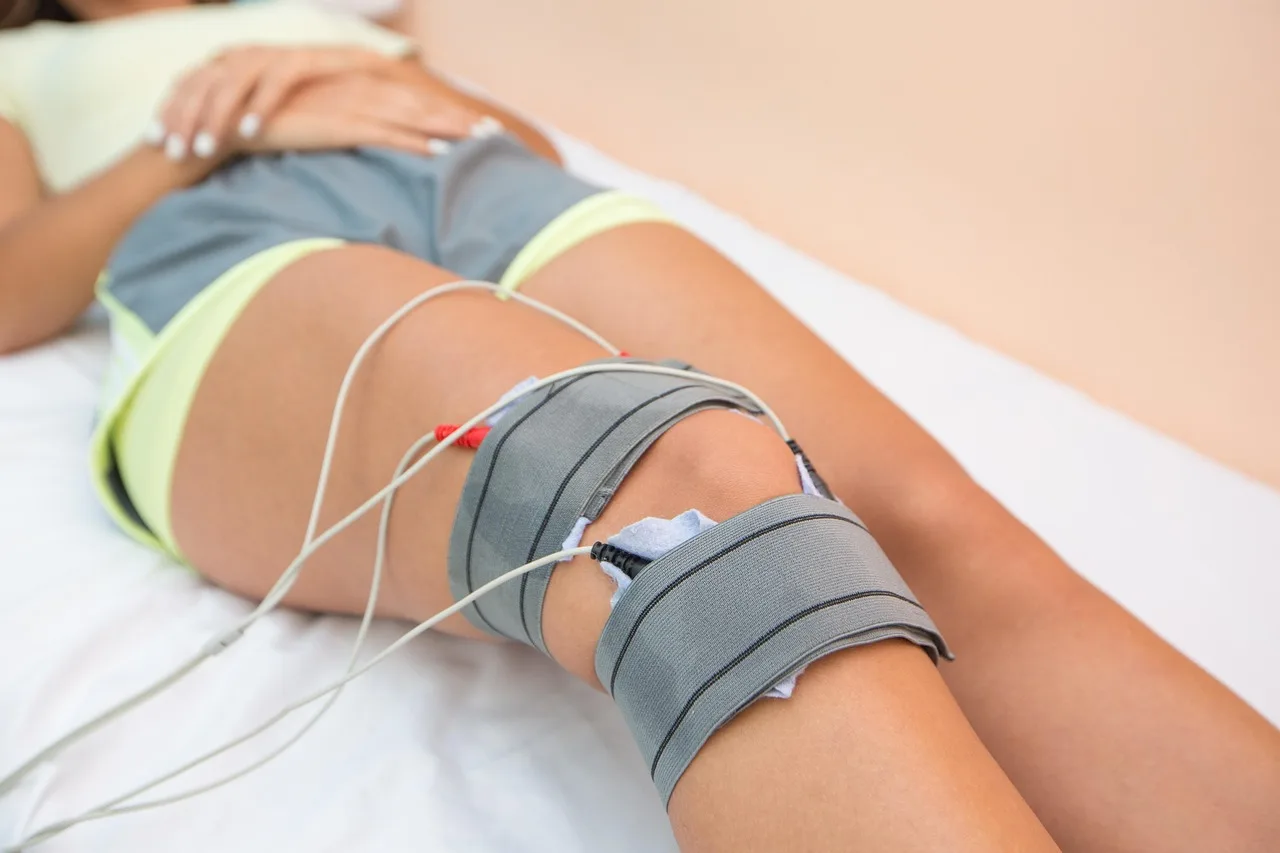
Post-arthroscopy rehabilitation is critical and varies dramatically by procedure. Simple meniscectomy allows return to desk work in 1-2 weeks and full activity in 4-6 weeks. Rotator cuff repair requires 4-6 weeks in a sling followed by 4-6 months of progressive rehabilitation. ACL reconstruction requires 9-12 months of structured rehabilitation before return to sport. Your international surgeon should provide a comprehensive rehabilitation protocol tailored to your specific procedure.
Risks & Safety Considerations
Arthroscopy is one of the safest surgical procedures, with an overall complication rate of less than 1%. Potential risks include infection (0.1-0.5%), nerve or blood vessel injury, blood clots, stiffness, instrument breakage, and fluid extravasation. These risks are the same regardless of where the surgery is performed, and they're minimized by choosing an experienced arthroscopic surgeon at an accredited facility.
When evaluating international centers for arthroscopy, confirm that the hospital has dedicated arthroscopic equipment (not shared or outdated), that your surgeon is specifically trained in sports medicine or joint preservation (not a general orthopedic surgeon), and that the facility performs a high volume of arthroscopic procedures. Ask about the specific camera system (4K is now standard at leading centers) and whether the procedure will be supported by an experienced arthroscopy team.
One of the most important factors in arthroscopy outcomes is the quality and modernity of the arthroscopic equipment used. Leading international centers now use 4K ultra-high-definition camera systems that provide dramatically improved visualization compared to older standard-definition equipment. This enhanced clarity allows surgeons to identify subtle pathology — such as partial-thickness rotator cuff tears, early cartilage degeneration, and small labral lesions — that might be missed with older technology. Fluid management systems with automated pressure regulation maintain optimal joint distension while minimizing the risk of fluid extravasation. Radiofrequency ablation devices provide precise tissue debridement and hemostasis, improving surgical efficiency and visualization.
The choice between repair and removal during arthroscopic surgery has significant long-term implications that patients should understand. For meniscal tears, repair preserves the meniscus and its crucial load-distributing function, reducing the risk of early-onset osteoarthritis. However, not all tears are amenable to repair — tears in the avascular inner zone, complex degenerative tears, and chronic tears with poor tissue quality may require partial meniscectomy. Similarly, for rotator cuff tears, repair is preferred when the tissue quality and tear pattern allow it, as unrepaired rotator cuff tears tend to progress over time. Your international surgeon should explain the decision-making process and be prepared to adapt the surgical plan based on intraoperative findings.
Advances in biologic augmentation are enhancing arthroscopic surgical outcomes at leading international centers. Platelet-rich plasma (PRP) injections at the repair site have shown promise in improving rotator cuff healing rates and reducing re-tear risk. Bone marrow aspirate concentrate (BMAC) is being used to enhance cartilage repair procedures like microfracture. Collagen scaffolds and bioabsorbable implants — such as collagen meniscal implants (CMI) for meniscal deficiency and synthetic cartilage scaffolds for focal cartilage defects — represent the frontier of arthroscopic joint preservation. These technologies are available at advanced sports medicine centers in Turkey, South Korea, and Germany, often at a fraction of the cost charged in the US.
Pre-operative preparation for arthroscopy abroad is generally straightforward compared to major joint replacement surgery. Most patients benefit from a 2-4 week prehabilitation program that focuses on maintaining range of motion and strengthening the muscles around the affected joint. For knee arthroscopy, quadriceps and hamstring strengthening exercises help prepare the knee for post-operative rehabilitation. For shoulder arthroscopy, scapular stabilization exercises and rotator cuff strengthening can improve post-operative outcomes. Your international surgeon may request recent MRI images for surgical planning — ensure these are less than 3 months old and available in digital format on CD or via cloud upload. Pre-operative blood work, ECG, and medical clearance can often be arranged with your local physician before traveling, streamlining the pre-surgical process at your destination hospital.
The decision to have arthroscopy abroad versus domestically often comes down to a combination of cost, surgeon expertise, and timing. For patients facing long wait times in public healthcare systems like the NHS or Canadian Medicare, international arthroscopy offers rapid access to treatment that can prevent secondary damage and improve long-term joint health. For US patients, the cost savings are substantial — particularly for procedures like rotator cuff repair and ACL reconstruction where US costs can reach $25,000-$35,000. For competitive athletes, the ability to access elite-level sports medicine expertise at international centers that treat professional athletes provides an additional incentive beyond cost savings alone.
Post-operative rehabilitation after arthroscopy varies significantly based on the specific procedure performed. For diagnostic arthroscopy and simple debridement, recovery is rapid — most patients return to normal activities within 1-2 weeks. For meniscal repair, weight-bearing is typically restricted for 4-6 weeks while the repair heals, followed by progressive strengthening. Rotator cuff repair requires 4-6 weeks of immobilization in a sling followed by a structured rehabilitation program lasting 4-6 months. Your international surgeon should provide a detailed, phase-by-phase rehabilitation protocol before you leave the hospital, and arrange video follow-up consultations at key milestones to monitor healing and adjust your program. Many patients combine their recovery period abroad with the initial intensive physiotherapy phase, taking advantage of lower physiotherapy costs at international centers.
Get back to your active lifestyle with world-class arthroscopic surgery abroad. Browse verified sports medicine clinics.
Find Arthroscopy ClinicsFrequently Asked Questions
Frequently Asked Questions
How long does arthroscopic surgery take?
Most arthroscopic procedures take 30-90 minutes, depending on complexity. Simple meniscectomy or loose body removal is on the shorter end, while rotator cuff repair, ACL reconstruction, or labral reconstruction takes closer to 60-90 minutes. Complex revision procedures may take longer.
Is arthroscopy done as day surgery?
Simple arthroscopic procedures (meniscectomy, loose body removal, diagnostic arthroscopy) are typically performed as day surgery or with a single overnight stay. More complex procedures (rotator cuff repair, ACL reconstruction, hip arthroscopy) usually require 1-2 nights in hospital for pain management and early physiotherapy.
When can I fly after arthroscopy?
For simple arthroscopy (meniscectomy, loose body removal), most patients are cleared to fly within 3-5 days. For complex reconstructive arthroscopy (rotator cuff repair, ACL reconstruction), plan to wait 7-10 days before flying. Always follow your surgeon's specific recommendations.
Will I need physiotherapy after arthroscopy abroad?
Yes, physiotherapy is essential for optimal outcomes after arthroscopy, particularly for reconstructive procedures. Your international surgeon will provide a detailed rehabilitation protocol for your local physiotherapist. Plan for 6-12 weeks of supervised physiotherapy for most procedures, and 4-6 months for rotator cuff repair or ACL reconstruction.
Can arthroscopy be repeated if needed?
Yes, arthroscopy can be performed multiple times on the same joint if needed. However, repeated surgeries may have diminishing returns, particularly for cartilage-related procedures. Discuss your history of previous joint surgeries with your international surgeon to determine the best approach.
What is the success rate of arthroscopy?
Success rates vary by procedure: meniscal repair has 80-90% success, rotator cuff repair 85-95%, ACL reconstruction 90-95%, and labral repair 80-90%. Success depends heavily on surgeon experience, proper patient selection, and adherence to rehabilitation protocols.