Understanding Pancreas Transplant
Pancreas transplantation is a specialized surgical procedure that offers the only known cure for Type 1 diabetes mellitus and, in select cases, advanced Type 2 diabetes. By replacing the diseased pancreas with a healthy organ from a deceased donor, the procedure restores the body's ability to produce insulin naturally, eliminating the need for exogenous insulin injections and continuous glucose monitoring. For patients who have lived with the daily burden of diabetes management, often for decades, a successful pancreas transplant represents a transformation that goes far beyond medical treatment, restoring freedom and normalcy that the disease had taken away. The procedure has evolved significantly since the first pancreas transplant in 1966, and modern surgical techniques and immunosuppressive protocols have made it a safe and effective option for carefully selected patients.
The most common approach is simultaneous pancreas-kidney transplantation, which accounts for approximately 75 percent of all pancreas transplants worldwide. This combined procedure addresses both the diabetes and the diabetic nephropathy (kidney failure) that commonly develops in patients with longstanding Type 1 diabetes. By performing both transplants simultaneously, patients benefit from a single surgical event, one recovery period, and a unified immunosuppressive regimen. The survival rates for SPK transplants are excellent, with one-year patient survival exceeding 95 percent and one-year pancreas graft survival of 85 to 90 percent at leading centers. Centers like Acıbadem Maslak Hospital have developed dedicated multi-organ transplant programs capable of performing these complex combined procedures with outcomes comparable to the world's best transplant centers.
The financial implications of pancreas transplantation are significant, with costs in the United States ranging from $250,000 to $400,000 for pancreas-alone transplant and $350,000 to $550,000 for simultaneous pancreas-kidney procedures. These costs do not include the lifelong expense of immunosuppressive medications, which adds approximately $20,000 to $35,000 per year. However, when weighed against the ongoing costs of insulin therapy, glucose monitoring supplies, dialysis for patients with concurrent kidney failure, and the treatment of diabetes-related complications, pancreas transplantation can be economically justified in the long term. International centers in Turkey, India, and Thailand offer these procedures at 60 to 85 percent lower cost, making this transformative surgery accessible to a broader patient population.
Types of Pancreas Transplant
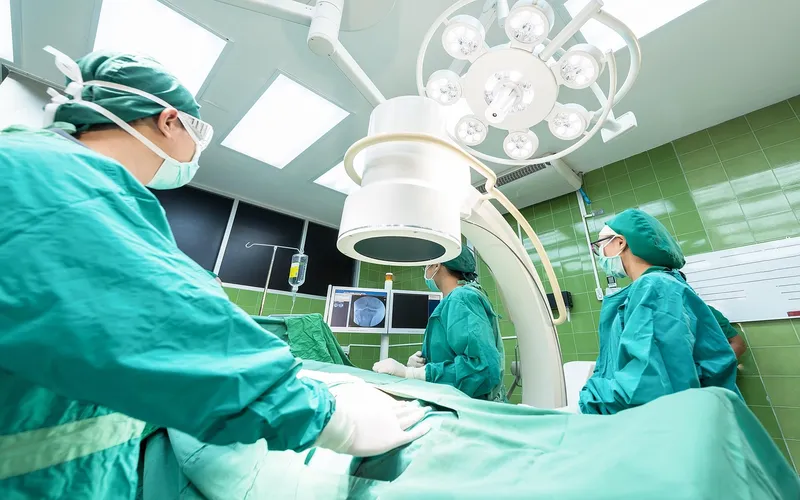
Simultaneous pancreas-kidney transplantation is the most commonly performed type and achieves the best outcomes of all pancreas transplant categories. In this procedure, both the pancreas and kidney from the same deceased donor are transplanted during a single operation, typically lasting four to six hours. The pancreas is placed in the right lower abdomen with its blood supply connected to the iliac vessels, while the kidney is positioned in the left lower abdomen. The pancreatic duct is usually drained into the bladder or a segment of the small intestine. SPK is indicated for Type 1 diabetic patients with end-stage kidney disease, and the simultaneous approach offers the advantage of using the kidney as a monitor for rejection, since kidney rejection is easier to detect than pancreas rejection through changes in serum creatinine.
Pancreas after kidney transplantation is performed in patients who have already received a successful kidney transplant and wish to address their diabetes through a subsequent pancreas transplant. This staged approach allows patients who received a kidney from a living donor to later receive a pancreas from a deceased donor, benefiting from both the superior outcomes of living donor kidney transplant and the glucose control of pancreas transplantation. Pancreas-alone transplant is reserved for Type 1 diabetic patients with preserved kidney function but severe glycemic instability, including recurrent hypoglycemia unawareness and diabetic ketoacidosis despite optimal insulin therapy. At hospitals like Memorial Şişli Hospital, the transplant team evaluates each patient to determine which type of pancreas transplant, if any, is most appropriate for their specific clinical situation.
Islet cell transplantation is an alternative, minimally invasive approach that involves isolating the insulin-producing islet cells from a donor pancreas and infusing them into the recipient's liver through a catheter placed in the portal vein. The islets engraft within the liver and begin producing insulin, with the goal of achieving insulin independence or at least significantly reducing insulin requirements and eliminating dangerous hypoglycemic episodes. While less invasive than whole-organ pancreas transplant, islet cell transplantation currently has lower long-term insulin independence rates, with approximately 50 percent of recipients becoming insulin-independent at one year but only 10 to 20 percent maintaining complete insulin independence at five years. Research into improved islet isolation techniques, alternative transplant sites, and immune protection strategies is ongoing and may improve these outcomes significantly.
- SPK — simultaneous pancreas-kidney, best outcomes, most commonly performed
- PAK — pancreas after kidney, staged approach for previous kidney recipients
- PTA — pancreas transplant alone, for brittle diabetes with preserved kidneys
- Islet cell transplant — minimally invasive infusion of isolated islet cells
- Bioartificial pancreas — emerging encapsulated islet technology under investigation
- Stem cell-derived beta cells — experimental approach showing promise in clinical trials
Cost Comparison by Country
Pancreas Transplant Cost Comparison 2025
| Country | Pancreas Alone | SPK Transplant | Savings vs USA |
|---|---|---|---|
| USA | $250,000 - $400,000 | $350,000 - $550,000 | — |
| Turkey | $60,000 - $100,000 | $80,000 - $140,000 | Up to 75% |
| India | $30,000 - $60,000 | $45,000 - $90,000 | Up to 85% |
| South Korea | $100,000 - $180,000 | $140,000 - $250,000 | Up to 55% |
| Germany | $150,000 - $250,000 | $200,000 - $350,000 | Up to 40% |
| Thailand | $50,000 - $90,000 | $70,000 - $130,000 | Up to 78% |
| Spain | $120,000 - $200,000 | $160,000 - $280,000 | Up to 50% |
SPK = Simultaneous Pancreas-Kidney. Prices include surgery, hospital stay, and initial medications. Islet cell transplant priced separately.
The cost savings for pancreas transplantation abroad are substantial and can make the difference between receiving this transformative procedure and remaining dependent on insulin and dialysis. Turkey offers SPK transplant packages ranging from $80,000 to $140,000, compared to $350,000 to $550,000 in the United States. Acıbadem Maslak Hospital provides transparent all-inclusive pricing that covers pre-transplant evaluation, the surgical procedure, ICU and hospital stay, initial immunosuppressive medications, and follow-up appointments. India offers the most affordable option at $45,000 to $90,000 for SPK, making it accessible to patients from developing countries who face the dual burden of diabetes and kidney failure.
When calculating the true cost-effectiveness of pancreas transplantation, it is important to consider the long-term savings that result from eliminating or dramatically reducing the costs associated with ongoing diabetes management and dialysis. In the United States, the annual cost of insulin therapy, glucose monitoring, diabetes-related medications, and regular specialist visits averages $15,000 to $25,000 per year. For patients on dialysis, annual treatment costs exceed $90,000. A successful pancreas transplant eliminates most or all of these recurring expenses, with the ongoing cost limited primarily to immunosuppressive medications at $20,000 to $35,000 per year and periodic follow-up visits. Over a ten-year horizon, pancreas transplantation abroad can represent substantial net savings compared to continued medical management, even before factoring in the dramatic improvement in quality of life.
Considering pancreas transplant for diabetes cure? Get free quotes from experienced transplant centers with proven outcomes.
Get Free QuoteWho Is a Candidate for Pancreas Transplant?
Pancreas transplant candidacy is determined through a comprehensive evaluation that assesses the patient's diabetes type and severity, overall health status, cardiovascular fitness, and psychological readiness for transplantation. The ideal candidate for SPK transplant is a patient with Type 1 diabetes mellitus who has developed end-stage kidney disease requiring dialysis or approaching the need for dialysis. These patients are typically between 18 and 55 years of age, though age limits are flexible at many centers for otherwise healthy individuals. Candidates must be free of significant coronary artery disease, severe peripheral vascular disease, active infections, and recent cancer. Cardiovascular evaluation is particularly thorough, as patients with longstanding diabetes often have significant coronary artery disease that may need treatment before transplant can proceed.
For pancreas-alone transplant, candidates are Type 1 diabetic patients with preserved kidney function who experience severe glycemic lability despite optimal medical management. This includes patients with frequent, life-threatening hypoglycemic episodes, particularly those with hypoglycemia unawareness, where the body fails to produce the normal warning symptoms of dangerously low blood sugar. These patients live in constant danger of severe hypoglycemia, which can cause seizures, loss of consciousness, and death if not promptly treated. Patients with recurrent diabetic ketoacidosis despite insulin pump therapy and continuous glucose monitoring may also be candidates. At centers like Acıbadem Maslak Hospital, the endocrinology and transplant teams work together to determine whether pancreas transplant is the most appropriate treatment for each patient's specific diabetic complications.
Procedure & Recovery
The pancreas transplant procedure is a complex surgical operation that typically takes three to five hours for a pancreas-alone transplant and five to seven hours for a simultaneous pancreas-kidney procedure. The surgery is performed through a midline abdominal incision. The donor pancreas, which is procured along with a segment of the duodenum to preserve the blood supply and provide a conduit for exocrine secretion drainage, is implanted in the right lower abdomen. The arterial blood supply to the graft is established by connecting the donor's superior mesenteric and splenic arteries to the recipient's common iliac artery, while venous drainage is directed to either the systemic circulation via the iliac vein or the portal circulation via the superior mesenteric vein.
Recovery from pancreas transplantation is generally well-tolerated, with most patients experiencing immediate insulin independence as the transplanted pancreas begins producing insulin as soon as it is reperfused with blood. This dramatic moment, when the blood glucose level begins to normalize without any exogenous insulin, is profoundly emotional for patients who have managed their diabetes for years or decades. Most patients spend two to four days in the ICU for close monitoring of graft function, blood glucose levels, renal function (in SPK recipients), and general post-operative recovery. The total hospital stay ranges from ten days to three weeks, during which patients learn their new immunosuppressive medication regimen and receive extensive education about recognizing signs of rejection and when to seek medical attention.
Long-term management after pancreas transplant involves lifelong immunosuppressive therapy, regular monitoring of graft function through blood tests including fasting glucose, hemoglobin A1c, serum amylase and lipase, and periodic imaging studies. Patients at centers like Memorial Şişli Hospital receive detailed follow-up protocols and are monitored closely during the first year when the risk of rejection is highest. Most patients can return to work and normal activities within four to eight weeks after surgery. The freedom from insulin injections, finger-stick blood glucose checks, and the constant worry about hypoglycemia represents a transformative change in quality of life that patients consistently describe as life-changing.
Long-Term Outcomes
The outcomes of pancreas transplantation have improved dramatically over the past two decades, with current data showing excellent short and long-term results at experienced centers. For SPK transplants, one-year patient survival rates exceed 95 percent, one-year kidney graft survival exceeds 95 percent, and one-year pancreas graft survival ranges from 85 to 90 percent. At five years, patient survival remains above 85 percent, kidney graft survival exceeds 80 percent, and pancreas graft survival is 70 to 80 percent. These results are achieved with modern immunosuppressive protocols and careful post-transplant monitoring, and outcomes continue to improve as surgical techniques and immunosuppression strategies advance.
The benefits of successful pancreas transplantation extend far beyond glucose control. Studies consistently demonstrate that pancreas transplant recipients experience stabilization or improvement in diabetic retinopathy, neuropathy, and vascular disease after achieving insulin independence. Quality of life assessments show dramatic improvements in physical functioning, social functioning, emotional well-being, and freedom from the daily burden of diabetes management. Patients report improved energy, better sleep, enhanced cognitive function, and a renewed sense of normalcy that profoundly impacts every aspect of their lives. For patients with concurrent kidney transplant, the benefits are compounded by freedom from dialysis and the restoration of normal kidney function.
After 28 years of Type 1 diabetes, countless insulin injections, and three years of dialysis, my SPK transplant gave me a completely new life. No more insulin, no more dialysis, no more constant glucose monitoring. I wake up every day grateful for this second chance.
Maria G., SPK transplant recipient from Italy
Frequently Asked Questions
Frequently Asked Questions
Will I be completely cured of diabetes after pancreas transplant?
If the pancreas graft functions well, you will no longer need insulin injections and your blood sugar will be regulated normally. This is considered a functional cure. However, you will need lifelong immunosuppressive medications to prevent rejection.
Is pancreas transplant available for Type 2 diabetes?
Pancreas transplant is primarily indicated for Type 1 diabetes. Select cases of insulin-dependent Type 2 diabetes with relatively preserved beta cell function may be considered at some centers, but this remains uncommon. Your transplant team will assess your suitability.
How long does a transplanted pancreas last?
With modern immunosuppressive protocols, pancreas graft survival rates are 85-90% at 1 year and 70-80% at 5 years. Many grafts function well for 10-15 years or longer. If the graft eventually fails, patients return to insulin therapy but can potentially undergo re-transplantation.
What is the recovery time for pancreas transplant?
Most patients are hospitalized for 10 days to 3 weeks. Return to light activities is possible within 2-3 weeks, and most patients resume normal activities including work within 4-8 weeks. Full recovery takes approximately 3 months.
Do I need both a pancreas and kidney transplant?
If you have Type 1 diabetes with kidney failure, SPK (simultaneous pancreas-kidney) is the recommended approach, offering the best outcomes. If your kidneys are still functioning, a pancreas-alone transplant may be appropriate depending on your glycemic control and diabetes complications.