The Science of Longevity Medicine
Longevity medicine — sometimes called lifespan medicine, geroscience, or precision preventive medicine — has evolved dramatically from the anti-aging aesthetics industry of the 1990s into a scientifically rigorous medical specialty grounded in the biology of aging. Research over the past two decades has identified several fundamental biological hallmarks of aging: genomic instability, telomere attrition, epigenetic alterations, loss of proteostasis, deregulated nutrient sensing, mitochondrial dysfunction, cellular senescence, stem cell exhaustion, and altered intercellular communication. Critically, multiple of these hallmarks have been shown to be modifiable — either through pharmaceutical interventions, lifestyle factors, or targeted biological therapies — creating a coherent scientific framework for extending healthy lifespan rather than simply treating age-related disease after it develops.
The longevity medicine field is divided between established, evidence-based interventions with robust clinical data (caloric restriction, specific exercise protocols, metformin, rapamycin analogues, senolytics) and emerging interventions with promising but preliminary data (NAD+ precursors, GLP-1 agonists for metabolic optimization, growth hormone secretagogue peptides, exosome therapy). Legitimate longevity medicine practitioners distinguish between these evidence tiers when advising patients, recommending well-established interventions as foundation and framing emerging treatments as informed experiments within a structured monitoring framework. Premium international longevity clinics distinguish themselves by their scientific rigor, comprehensive biomarker monitoring programs, and integration of evidence-based lifestyle medicine with targeted therapeutic interventions.
The appeal of longevity medicine internationally is driven by both cost and access. Premium longevity programs at Swiss medical centers can cost $20,000–$40,000 per week in the US and Switzerland but are available at equally sophisticated facilities in Turkey and the UAE for $5,000–$10,000. Additionally, some longevity interventions (hormone therapy, specific peptide protocols, IV NAD+) are more readily available abroad due to different regulatory frameworks around prescribing. Patients visiting longevity clinics at American Hospital Istanbul or premium UAE health centers access comprehensive executive health programs including full genomic sequencing, advanced biomarker panels, and personalized optimization protocols within facilities that match Swiss clinical standards at a fraction of Swiss pricing.

Key Evidence-Based Interventions
NAD+ (nicotinamide adenine dinucleotide) precursor supplementation — using NMN (nicotinamide mononucleotide) or NR (nicotinamide riboside) to boost cellular NAD+ levels — has strong preclinical evidence for extending lifespan in animal models and has shown promising results in human trials for metabolic function, muscle health, and cognitive measures. IV NAD+ delivery bypasses the oral bioavailability limitations of oral supplements and achieves higher tissue levels more rapidly. A course of 5–10 IV NAD+ sessions (each 2–4 hours) is offered at premium longevity clinics internationally at $1,200–$2,500 for a full course — roughly 50–65% below US IV therapy clinic pricing.
Hormone optimization — specifically addressing testosterone deficiency in men and hormonal imbalance in perimenopausal and postmenopausal women through bioidentical hormone therapy — has robust evidence for improving body composition, energy, cognitive function, sexual health, bone density, and cardiovascular risk markers when administered appropriately to deficient individuals. Comprehensive hormone assessment (not just basic thyroid and sex hormone panels but including IGF-1, DHEA-S, pregnenolone, cortisol rhythm, and sex hormone binding globulin) identifies deficiencies that standard primary care frequently misses. International longevity clinics staffed by endocrinology-trained physicians perform these comprehensive assessments and design personalized replacement protocols that can be continued with local prescription after the international consultation.
Hyperbaric oxygen therapy (HBOT) at clinical pressures (1.5–3.0 ATA with 100% oxygen) has accumulated meaningful evidence for cognitive performance, wound healing, and potentially for telomere extension and senescent cell reduction in a landmark 2020 Israeli randomized controlled trial. A protocol of 40–60 HBOT sessions is offered at accredited hyperbaric facilities in Turkey, Israel, and Germany at $3,000–$6,000 for 20 sessions — versus $8,000–$20,000 in US hyperbaric centers. HBOT remains experimental for anti-aging applications despite promising data, but the risk profile for properly screened patients at clinical ATA protocols is very low, making it an accessible evidence-based intervention to explore within a comprehensive longevity program.
Cost Comparison by Program
Longevity & Anti-Aging Program Cost Comparison 2025
| Program/Treatment | Turkey/UAE | Switzerland/Germany | USA |
|---|---|---|---|
| Comprehensive Longevity Assessment | $2,500 – $5,000 | $5,000 – $12,000 | $8,000 – $20,000 |
| NAD+ IV Therapy (course) | $1,200 – $2,500 | $2,500 – $5,000 | $3,500 – $8,000 |
| Hormone Optimization Program | $2,000 – $4,500 | $4,500 – $9,000 | $6,000 – $15,000 |
| Genetic Longevity Panel | $1,000 – $2,500 | $2,000 – $5,000 | $3,000 – $8,000 |
| HBOT Course (20 sessions) | $3,000 – $6,000 | $6,000 – $12,000 | $8,000 – $20,000 |
| Executive Health Week Program | $5,000 – $10,000 | $10,000 – $25,000 | $15,000 – $40,000 |
Programs vary significantly in scope and evidence level. Prices include physician consultations, diagnostics, and specified treatments. Ongoing optimization protocols may be continued through local physicians after returning home.
Switzerland remains the gold standard for premium executive health and longevity programs globally, with facilities like Clinique La Prairie, SHA Wellness, and the Swiss Medical Network offering comprehensive programs that integrate the most advanced diagnostics with curated longevity interventions in world-class spa environments. For patients who can access equivalent clinical quality at lower cost, Turkey's premium hospital groups (Acıbadem, Memorial) offer executive health programs with comprehensive biomarker panels, genetic testing, and longevity consultations within internationally accredited hospital environments at 50–60% below Swiss pricing.
The UAE — particularly Dubai — has emerged as a significant longevity medicine hub, driven by both medical infrastructure investment and the wellness-oriented culture of its expatriate and high-net-worth resident population. Premium Dubai clinics combine comprehensive genetic and epigenetic aging analysis, advanced biomarker panels, and personalized optimization protocols with a luxury wellness environment. American Hospital Dubai and Burjeel Medical City offer executive health programs integrating longevity medicine principles within JCIA-accredited hospital environments.
What to Expect from a Longevity Program
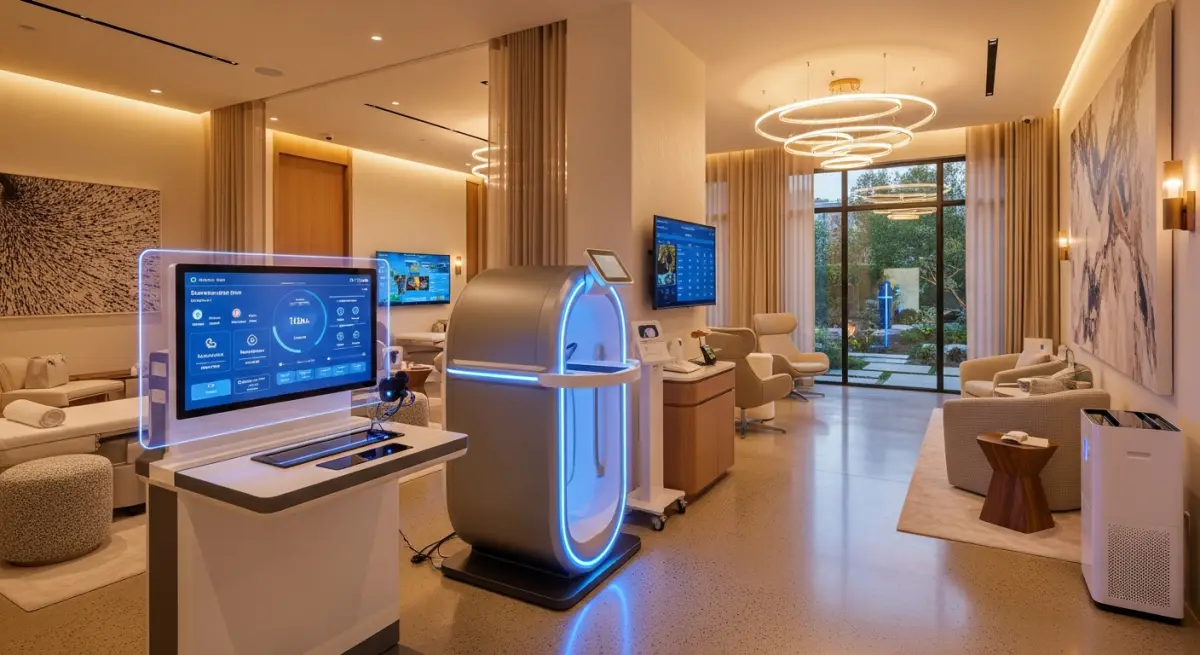
A comprehensive international longevity program typically spans 3–7 days and begins with extensive diagnostic assessment: a complete blood count and comprehensive metabolic panel; advanced lipid analysis (LDL particle size and number, Lp(a)); inflammatory markers (hs-CRP, IL-6, TNF-α); hormones panel (thyroid, sex hormones, adrenal hormones); metabolic biomarkers (fasting insulin, HOMA-IR, HbA1c, fasting glucose); nutrition status (vitamin D, B12, folate, omega-3 index, magnesium, ferritin); epigenetic age measurement (biological age versus chronological age); gut microbiome analysis; full-body MRI or CT calcium scoring; VO2 max testing; and cognitive performance testing. This diagnostic picture is more comprehensive than most patients receive in decades of routine healthcare and provides the evidence base for a truly personalized optimization plan.
Following diagnostics, a personalized optimization plan addresses identified deficiencies and risk factors: specific nutrient supplementation protocols, hormone therapy if indicated, dietary recommendations based on metabolic phenotype and genetic variations, exercise prescriptions based on VO2 max and muscle mass data, sleep optimization recommendations, stress management protocols, and pharmacological interventions (metformin, statins, aspirin, etc.) where risk/benefit analysis supports them. Therapeutic interventions (IV NAD+, HBOT, peptide protocols) are incorporated based on patient preferences and evidence level discussions. A follow-up monitoring schedule and telemedicine check-in program allows continued optimization management after returning home.
Invest in your healthspan with a comprehensive longevity assessment abroad. Compare programs at accredited clinics worldwide.
Explore Longevity ProgramsFrequently Asked Questions
What is the difference between biological age and chronological age?
Chronological age is simply the number of years you have been alive. Biological age reflects the functional state of your cells and tissues — measured by epigenetic markers (specifically DNA methylation patterns, called 'epigenetic clocks'), telomere length, and biomarker combinations — and may be significantly younger or older than your chronological age depending on lifestyle, genetics, and health status. Biological age tests, particularly GrimAge and PhenoAge epigenetic clocks, have shown strong correlations with mortality risk and disease incidence in large population studies. Knowing your biological age and tracking it over time provides a measure of whether your lifestyle and treatment interventions are genuinely slowing your rate of aging.
What is metformin and should I use it for longevity?
Metformin is a widely prescribed diabetes medication that has attracted substantial longevity interest based on epidemiological data showing lower cancer rates and reduced all-cause mortality in type 2 diabetics taking metformin versus those taking other diabetes medications. Several mechanisms are proposed: AMPK activation, mTOR inhibition, microbiome modulation. The TAME (Targeting Aging with Metformin) trial is prospectively testing metformin versus placebo for aging endpoints in non-diabetic older adults. While the evidence is compelling and metformin is used preventively by many longevity-oriented physicians, it should be prescribed by a physician who reviews your complete health profile and potential contraindications. Longevity clinics abroad commonly include metformin consideration in their protocols.
How do I continue my longevity protocol at home after the international program?
The international longevity clinic will provide a detailed protocol document that can be shared with your home physician, including specific supplement recommendations (with evidence references), hormone therapy prescriptions (which your local endocrinologist can continue), lifestyle prescriptions, and follow-up testing schedules. Many clinics offer telemedicine quarterly check-ins to review follow-up biomarker results, adjust protocols, and address questions. Building a relationship with a longevity-oriented physician in your home community — or working remotely with the international clinic physician for ongoing management — ensures continuity of the optimization program.
Are longevity treatments safe?
Evidence-based interventions with established safety profiles — hormone therapy for deficient patients, vitamin/mineral supplementation addressing deficiencies, standard pharmacological interventions, lifestyle prescriptions — are safe when appropriately prescribed and monitored. Emerging interventions like NAD+ IV therapy, peptide protocols, and HBOT have acceptable safety profiles in properly screened patients at accredited centers. The greatest risks in longevity medicine come from unregulated commercial settings offering experimental interventions without proper patient assessment, screening, and monitoring. Evaluating the scientific rigor and regulatory compliance of any longevity clinic before engaging their services is the most important safety step.
What is the minimum worthwhile time for a longevity program abroad?
A meaningful longevity assessment requires a minimum of 3 days: Day 1 for comprehensive blood and biomarker testing, Day 2 for additional functional tests (VO2 max, body composition, cognitive tests, optional imaging), Day 3 for physician consultation reviewing all results and designing the personalized protocol, plus time for any therapeutic interventions. A 5–7 day program allows the diagnostic phase plus a course of 3–5 IV treatments (NAD+, high-dose vitamin C, or other IV protocols), physician consultations, nutritional counseling, and wellness services (HBOT, cryotherapy, photobiomodulation). Many patients combine a longevity program with a short holiday, treating the trip as an investment in both health and relaxation.