Understanding Hemorrhoids
Hemorrhoids, also known as piles, are swollen and inflamed blood vessels (vascular cushions) in the anal canal and lower rectum. These vascular cushions are a normal part of human anatomy and play a role in fine-tuning anal continence by contributing to the resting pressure of the anal canal and helping to distinguish between gas, liquid, and solid stool. Hemorrhoids become pathological when they enlarge, prolapse (protrude through the anus), bleed, or cause symptoms such as pain, itching, or discomfort. Symptomatic hemorrhoidal disease is extremely common, affecting approximately 50 percent of the adult population by age 50, making it one of the most frequent reasons for gastroenterological and surgical consultation.
Hemorrhoids are classified as internal (arising above the dentate line, covered by columnar epithelium, and generally painless because the overlying tissue lacks somatic pain nerve fibers) or external (arising below the dentate line, covered by squamous epithelium, and potentially painful because the tissue is richly innervated). Internal hemorrhoids are graded from I to IV based on their degree of prolapse: Grade I hemorrhoids bleed but do not prolapse; Grade II prolapse during straining but reduce spontaneously; Grade III prolapse and require manual reduction; Grade IV are permanently prolapsed and cannot be manually reduced. External hemorrhoids are not graded but can cause acute pain if thrombosed (a blood clot forms within the hemorrhoid).
The development of symptomatic hemorrhoids is multifactorial and related to increased intra-abdominal pressure and weakening of the supporting connective tissue. Common contributing factors include chronic constipation and straining during bowel movements, prolonged sitting on the toilet (often associated with smartphone use), pregnancy and vaginal delivery, obesity, heavy lifting, low-fiber diet, chronic diarrhea, aging (the supporting tissue becomes weaker with age), and hereditary factors (some families have a genetic predisposition to hemorrhoidal disease). Understanding these contributing factors is important because addressing them is essential for preventing recurrence after treatment.
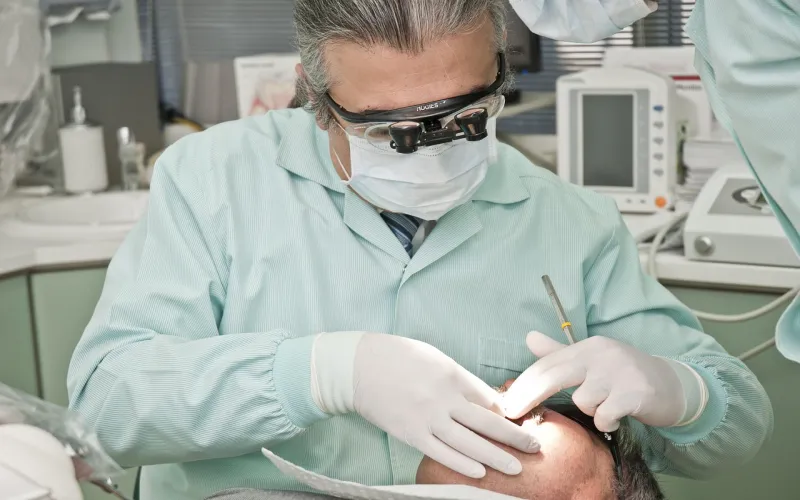
Hemorrhoid Grades and Classification
Accurate grading of hemorrhoids is essential for determining the most appropriate treatment approach. Grade I hemorrhoids (the mildest form) present with painless rectal bleeding, typically noticed as bright red blood on toilet paper or in the toilet bowl after a bowel movement. There is no prolapse, and the hemorrhoids can only be seen during anoscopy or proctoscopy. Grade I hemorrhoids generally respond well to dietary and lifestyle modifications (increased fiber and water intake, avoidance of straining) and topical treatments. If symptoms persist, rubber band ligation or sclerotherapy can be effective.
Grade II hemorrhoids prolapse during straining or defecation but spontaneously reduce (return to their normal position) after the straining ceases. They may cause bleeding, mucous discharge, and a sensation of incomplete evacuation. Grade II hemorrhoids are typically managed with rubber band ligation, which is effective in 70 to 80 percent of cases. Grade III hemorrhoids prolapse during defecation or physical activity and require manual reduction (the patient must push them back in with a finger). Grade III hemorrhoids may benefit from rubber band ligation but often require surgical intervention for definitive treatment.
Grade IV hemorrhoids are permanently prolapsed and cannot be manually reduced. They may be associated with thrombosis, ulceration, and strangulation (entrapment with compromised blood supply). Grade IV hemorrhoids almost always require surgical treatment, as non-surgical options are rarely effective for this degree of prolapse. External hemorrhoids, while not graded, present a distinct clinical scenario: they are covered by sensitive skin and can cause significant pain, particularly when thrombosed. Acute thrombosed external hemorrhoids present as a sudden, intensely painful, firm, bluish lump at the anal margin and are best treated with surgical excision under local anesthesia within 72 hours of onset for rapid symptom relief.
- Grade I: Bleeding without prolapse — managed with dietary changes, topical treatments, or office procedures
- Grade II: Prolapse with spontaneous reduction — rubber band ligation is the first-line treatment
- Grade III: Prolapse requiring manual reduction — rubber band ligation or surgery
- Grade IV: Permanent prolapse that cannot be reduced — surgical treatment required
- Thrombosed external hemorrhoid: Sudden painful lump — excision within 72 hours for best results
Non-Surgical Treatment Options
Conservative management is the first-line approach for Grade I and early Grade II hemorrhoids and includes dietary modifications (increasing dietary fiber to 25 to 35 grams daily through whole grains, fruits, vegetables, and legumes), adequate hydration (2 to 3 liters of water daily), avoidance of straining during bowel movements, reducing time spent sitting on the toilet, and regular exercise. Fiber supplements (psyllium husk, methylcellulose, or wheat dextrin) can be used if dietary fiber intake is insufficient. Topical treatments including over-the-counter creams containing hydrocortisone, lidocaine, pramoxine, or phenylephrine provide temporary symptom relief but do not address the underlying hemorrhoidal disease and should not be used long-term.
Rubber band ligation (RBL) is the most widely performed office-based procedure for internal hemorrhoids (Grades I to III) and is considered the gold standard non-surgical treatment. During the procedure, a proctologist uses a specialized device to place a small rubber band around the base of the internal hemorrhoid, cutting off its blood supply. The hemorrhoid shrinks and falls off within 5 to 7 days, leaving a small ulcer that heals over 2 to 3 weeks. RBL is performed without anesthesia in an outpatient setting and takes 5 to 10 minutes per hemorrhoid. Typically, one hemorrhoid is treated per session, with 2 to 4 sessions spaced 4 to 6 weeks apart to treat all hemorrhoidal columns. The success rate is 70 to 80 percent, with recurrence rates of 10 to 30 percent over 5 years.
Other non-surgical office procedures include sclerotherapy (injection of a chemical agent such as polidocanol or phenol in almond oil into the hemorrhoid to cause fibrosis and shrinkage), infrared coagulation (IRC, which uses focused infrared light to coagulate the hemorrhoidal tissue), and bipolar electrotherapy (applying electrical current to the hemorrhoid base). These techniques are generally less effective than rubber band ligation for larger hemorrhoids but may be preferred for patients taking anticoagulant medications (where banding carries a higher bleeding risk) or for smaller Grade I to II hemorrhoids. All these procedures are available at international proctology centers and cost significantly less abroad than in the USA.
Surgical Treatment Options
Conventional hemorrhoidectomy (excision of hemorrhoidal tissue) is the most effective treatment for Grade III and IV internal hemorrhoids and recurrent hemorrhoids that have failed conservative and office-based treatments. The two main techniques are the Milligan-Morgan (open) hemorrhoidectomy, where the hemorrhoid is excised and the wound is left open to heal by secondary intention, and the Ferguson (closed) hemorrhoidectomy, where the wound is sutured closed. Both techniques involve excision of the hemorrhoidal tissue along with a portion of the underlying internal sphincter and skin, using electrocautery, scissors, or an energy-sealing device such as the LigaSure or Harmonic scalpel. Hemorrhoidectomy has the lowest recurrence rate of any hemorrhoid treatment (less than 5 percent at 10 years) but is associated with significant post-operative pain that is the main limitation of the procedure.
Stapled hemorrhoidopexy (procedure for prolapse and hemorrhoids, or PPH), also known as stapled hemorrhoidectomy, uses a circular stapling device to excise a ring of redundant rectal mucosa above the hemorrhoids, pulling the prolapsed hemorrhoidal tissue back into its normal anatomical position and disrupting the blood supply to the hemorrhoids. The technique is less painful than conventional hemorrhoidectomy because the staple line is above the dentate line (in an area with fewer pain receptors) and does not involve excision of sensitive perianal skin. However, stapled hemorrhoidopexy has higher recurrence rates (5 to 15 percent at 5 years) compared to conventional hemorrhoidectomy and carries unique risks including staple line bleeding, rectal narrowing, and rare but serious complications such as rectovaginal fistula and pelvic sepsis.
Hemorrhoidal artery ligation (HAL, also known as transanal hemorrhoidal dearterialization or THD) is a minimally invasive procedure that uses a specially designed proctoscope with a built-in Doppler ultrasound transducer to identify and ligate the hemorrhoidal arteries that supply blood to the hemorrhoids. By tying off these arteries, the hemorrhoids shrink due to reduced blood flow. HAL is often combined with mucopexy (also called recto-anal repair or RAR) — a technique that uses running sutures to lift and fix prolapsed hemorrhoidal tissue back into its anatomical position. HAL/THD with mucopexy causes less post-operative pain than conventional hemorrhoidectomy and is suitable for Grade II and III hemorrhoids. Hospitals like Acıbadem Maslak Hospital and Memorial Şişli Hospital in Istanbul offer the full range of hemorrhoid surgical techniques, from conventional hemorrhoidectomy to HAL/THD and laser hemorrhoidoplasty.
Hemorrhoid Treatment Cost Comparison by Country
Hemorrhoid treatment costs vary significantly between countries, with the USA being among the most expensive. A conventional hemorrhoidectomy in the United States costs $4,000 to $10,000 when performed at an ambulatory surgery center or hospital, while more advanced procedures such as stapled hemorrhoidopexy or HAL/THD can cost $5,000 to $12,000. Even office-based rubber band ligation costs $1,500 to $3,500 for a complete course of treatment (multiple sessions). These prices often include separate bills from the surgeon, anesthesiologist, and facility, and patients with high-deductible insurance plans frequently face out-of-pocket costs of $2,000 to $5,000 or more.
Hemorrhoid Treatment Cost Comparison by Country 2025
| Country | Hemorrhoidectomy | Rubber Band Ligation | Savings vs USA |
|---|---|---|---|
| USA | $4,000 - $10,000 | $1,500 - $3,500 | — |
| UK | $3,000 - $7,000 | $800 - $2,000 | Up to 30% |
| Turkey | $800 - $2,500 | $300 - $600 | Up to 82% |
| India | $500 - $1,800 | $200 - $400 | Up to 87% |
| Thailand | $1,200 - $3,000 | $400 - $800 | Up to 77% |
| Mexico | $1,000 - $2,800 | $350 - $700 | Up to 80% |
| Spain | $2,000 - $4,500 | $600 - $1,200 | Up to 65% |
| Poland | $700 - $2,000 | $250 - $500 | Up to 85% |
| Malaysia | $800 - $2,200 | $300 - $600 | Up to 83% |
| Czech Republic | $900 - $2,500 | $300 - $700 | Up to 80% |
Hemorrhoidectomy prices include surgeon fee, anesthesia, and facility charges. Laser hemorrhoidoplasty (LHP) typically costs 20-30% more than conventional hemorrhoidectomy. Stapled hemorrhoidopexy (PPH) costs are similar to conventional hemorrhoidectomy at most international hospitals.
Turkey leads as a destination for hemorrhoid treatment, with conventional hemorrhoidectomy packages at accredited hospitals starting from $800 to $2,500 and laser hemorrhoidoplasty from $1,200 to $3,000. These packages typically include pre-operative assessment with proctoscopy, the surgical procedure itself with sedation or general anesthesia, post-operative medications, and follow-up consultation. Medipol Mega University Hospital in Istanbul offers comprehensive proctology services with specialists experienced in all hemorrhoid treatment modalities, ensuring patients receive the most appropriate treatment for their specific condition.
India offers the lowest hemorrhoid treatment costs globally, with hemorrhoidectomy starting from $500 at leading hospitals like Apollo Hospitals Chennai and Fortis Memorial Research Institute. Thailand, Mexico, and Malaysia offer competitive pricing with well-established medical tourism infrastructure, while Poland and Czech Republic provide European-standard care at prices 80 to 85 percent below UK rates. When comparing costs, confirm whether the quoted price includes anesthesia (general or spinal), as some clinics perform hemorrhoid surgery under local anesthesia at lower cost but with potentially more patient discomfort during the procedure.
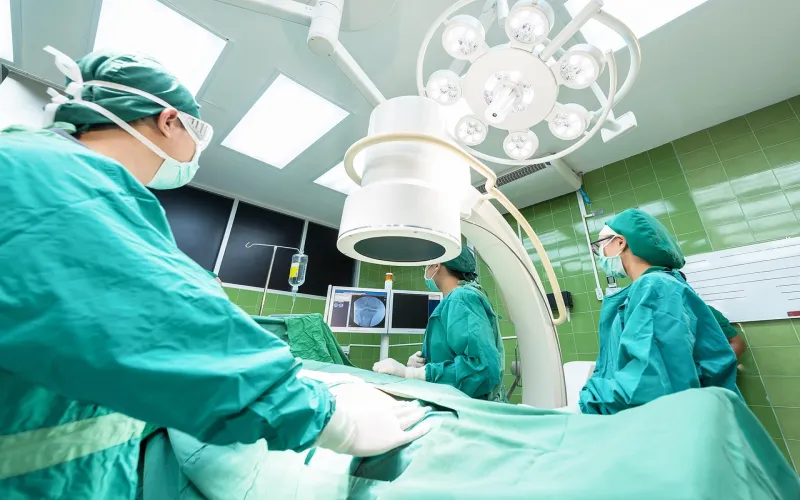
Laser Hemorrhoid Treatment
Laser hemorrhoidoplasty (LHP) is a minimally invasive technique that uses a diode laser fiber to deliver controlled thermal energy directly into the hemorrhoidal tissue, causing protein denaturation, tissue shrinkage, and fibrosis. The laser fiber is inserted through a small puncture in the hemorrhoid (or through the natural mucosal surface for submucosal ablation), and the energy is delivered in a controlled fashion to reduce the hemorrhoidal volume while preserving the surrounding healthy tissue. The procedure causes minimal damage to the anal canal lining, results in less post-operative pain compared to conventional hemorrhoidectomy, and preserves the sensitive perianal skin and mucosal tissue.
LHP is best suited for Grade II and III internal hemorrhoids and can be combined with HAL (hemorrhoidal artery ligation) for a comprehensive minimally invasive approach. The procedure takes 15 to 30 minutes, is performed under local, regional, or general anesthesia, and most patients can go home the same day. Post-operative pain is significantly less than conventional hemorrhoidectomy — most patients require only simple oral analgesics for 3 to 5 days. Return to normal activities is typically within 3 to 5 days, compared to 1 to 3 weeks for conventional hemorrhoidectomy. However, LHP is not suitable for Grade IV hemorrhoids, large external hemorrhoids, or hemorrhoids with significant thrombosis, and recurrence rates are higher than conventional hemorrhoidectomy at 10 to 20 percent.
Laser hemorrhoid treatment has become increasingly popular in medical tourism because it combines minimal pain, rapid recovery, and short hospital stay with the convenience of medical travel. Patients can undergo laser hemorrhoidoplasty on day 1, recover comfortably at their hotel for 2 to 3 days, and fly home by day 4 to 5 — significantly shorter than the recovery timeline for conventional hemorrhoidectomy. Turkey, India, and several European countries have become hubs for laser proctology, with many colorectal surgeons having specific training in laser hemorrhoid techniques and access to the latest diode laser equipment.
Recovery and Aftercare
Recovery after hemorrhoid treatment varies significantly depending on the procedure performed. After rubber band ligation, patients may experience mild discomfort and a dull aching sensation in the rectum for 1 to 2 days, manageable with simple analgesics. There may be light bleeding, particularly when the banded hemorrhoid separates (typically days 5 to 7). Normal activities can be resumed immediately, although heavy lifting should be avoided for 1 to 2 days. After laser hemorrhoidoplasty or HAL/THD, pain is generally mild to moderate for 3 to 7 days, and most patients return to work within 3 to 5 days. Sitz baths (warm water baths for 15 to 20 minutes, 3 to 4 times daily) are recommended for symptom relief.
Recovery after conventional hemorrhoidectomy is the most prolonged and uncomfortable. Post-operative pain is the hallmark of hemorrhoidectomy recovery and is typically most severe during the first 7 to 10 days, particularly during bowel movements. Pain management includes a multimodal approach with regular paracetamol, NSAIDs (such as ibuprofen or diclofenac), topical analgesics (lidocaine gel), and sometimes short-course opioids for the most painful first few days. Stool softeners (docusate or lactulose) are essential to prevent straining during the recovery period. Complete healing of the surgical site takes 4 to 6 weeks for open hemorrhoidectomy and 3 to 4 weeks for closed technique. Most patients can return to desk work within 1 to 2 weeks and physical work within 3 to 4 weeks.
Regardless of the procedure type, dietary modifications during recovery are crucial. A high-fiber diet (30 to 35 grams daily) combined with adequate fluid intake (2 to 3 liters) helps maintain soft, bulky stools that pass easily without straining. Fiber supplements can bridge any dietary gaps. Avoid constipation-causing foods (processed foods, excessive dairy, red meat), dehydrating beverages (alcohol, excessive caffeine), and spicy foods during the initial recovery period. Regular, gentle exercise (walking) promotes bowel regularity and reduces the risk of complications such as urinary retention and venous thromboembolism.
Prevention of Hemorrhoid Recurrence
Preventing hemorrhoid recurrence requires sustained lifestyle changes that address the underlying factors contributing to hemorrhoidal disease. The cornerstone of prevention is maintaining regular, soft bowel movements through a high-fiber diet (25 to 35 grams daily from foods such as whole grains, beans, lentils, fruits, vegetables, and nuts) and adequate hydration (2 to 3 liters of water daily). Respond to the urge to have a bowel movement promptly — delaying leads to harder stools and increased straining. Limit time spent sitting on the toilet to less than 5 minutes per visit, and avoid reading or using your phone while on the toilet, as this prolongs straining time and increases pressure on the hemorrhoidal cushions.
Regular physical exercise (150 minutes per week of moderate-intensity activity such as walking, swimming, or cycling) promotes healthy bowel function and helps maintain a healthy body weight. Avoid prolonged sitting (take standing or walking breaks every 30 to 60 minutes if you have a desk job) and avoid heavy lifting with breath-holding (Valsalva maneuver), which dramatically increases intra-abdominal pressure. If heavy lifting is unavoidable, exhale during the exertion phase to minimize pressure increases. These preventive measures, maintained consistently, significantly reduce the risk of hemorrhoid recurrence after both non-surgical and surgical treatments, with recurrence rates dropping from 20 to 30 percent to less than 5 to 10 percent in patients who adhere to lifestyle modifications.
Ready to resolve your hemorrhoid problems at an accredited hospital abroad? Compare treatment options and costs from experienced proctologists worldwide.
Get Free QuoteFrequently Asked Questions
Frequently Asked Questions
Which hemorrhoid treatment has the least pain?
Rubber band ligation causes the least pain among effective treatments for internal hemorrhoids. Laser hemorrhoidoplasty and HAL/THD are the least painful surgical options, with significantly less post-operative pain than conventional hemorrhoidectomy. The trade-off is slightly higher recurrence rates compared to conventional surgery.
How long should I stay abroad after hemorrhoid surgery?
For rubber band ligation: 1-2 days. For laser hemorrhoidoplasty or HAL/THD: 3-5 days. For conventional hemorrhoidectomy: 5-7 days. You need to ensure you've had at least one comfortable bowel movement before flying and that any acute post-operative symptoms have stabilized.
Can hemorrhoids come back after surgery?
Recurrence is possible but varies by procedure: conventional hemorrhoidectomy has the lowest recurrence rate (<5% at 10 years), stapled hemorrhoidopexy 5-15% at 5 years, HAL/THD 5-20%, and laser 10-20%. Maintaining a high-fiber diet and good bowel habits significantly reduces recurrence risk regardless of the procedure.
Is hemorrhoid surgery embarrassing to have abroad?
Medical professionals treat hemorrhoidal disease daily and maintain complete professionalism and discretion. International hospitals have private consultation and treatment rooms, and the procedure itself is performed under anesthesia. Many patients find it easier to have this type of procedure abroad where they have complete privacy and anonymity.
Should I see a gastroenterologist or surgeon for hemorrhoids?
Start with a gastroenterologist or proctologist for initial evaluation and grading. Grade I-II hemorrhoids can often be managed by a gastroenterologist with office-based procedures. Grade III-IV hemorrhoids and recurrent cases typically require surgical evaluation. Many international hospitals have integrated gastroenterology-proctology departments that handle the full spectrum of treatment.