Understanding Gallbladder Disease
The gallbladder is a small, pear-shaped organ located beneath the liver on the right side of the abdomen. Its primary function is to store and concentrate bile, a digestive fluid produced by the liver that helps break down fats in the small intestine. When you eat a meal containing fats, the gallbladder contracts and releases bile through the cystic duct into the common bile duct and then into the duodenum, where it emulsifies dietary fats for absorption. While the gallbladder plays a role in digestive efficiency, it is not an essential organ — the body can function perfectly well without it, as bile continues to flow directly from the liver into the small intestine.
Gallstone disease (cholelithiasis) is the most common gallbladder condition and affects approximately 10 to 15 percent of the adult population in Western countries, with higher prevalence in women, obese individuals, people over 40, and those with a family history of gallstones. Gallstones form when there is an imbalance in the chemical composition of bile, leading to crystallization and stone formation. There are two main types: cholesterol gallstones (which account for about 80 percent of cases and form when bile contains too much cholesterol relative to bile salts and lecithin) and pigment gallstones (which form from excess bilirubin and are more common in people with liver disease, hemolytic anemias, or biliary infections).
Many people with gallstones are asymptomatic and may never require treatment. However, when gallstones cause symptoms, the most characteristic presentation is biliary colic — episodes of severe, steady pain in the right upper abdomen or epigastrium that typically begins 30 to 60 minutes after eating a fatty meal and lasts 1 to 5 hours. The pain may radiate to the right shoulder or between the shoulder blades and is often accompanied by nausea and vomiting. Complications of gallstones include acute cholecystitis (inflammation and infection of the gallbladder), choledocholithiasis (stones in the common bile duct), cholangitis (infection of the bile ducts), and gallstone pancreatitis — all of which are medical emergencies requiring prompt treatment.
When Is Gallbladder Surgery Needed?
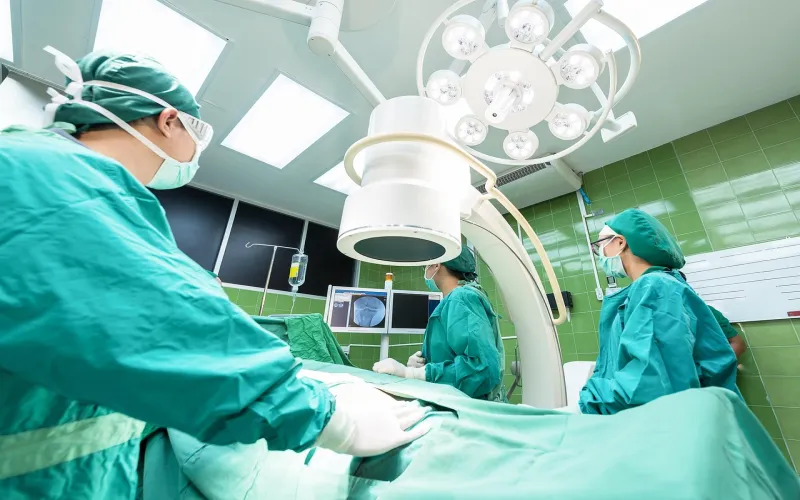
Cholecystectomy (surgical removal of the gallbladder) is recommended for patients with symptomatic gallstones — those who experience recurrent episodes of biliary colic that affect their quality of life. Once gallstones become symptomatic, they are unlikely to resolve spontaneously, and the risk of recurrent attacks increases significantly. Studies show that 50 to 70 percent of patients who experience one episode of biliary colic will have recurrent attacks within 2 years, and 1 to 3 percent will develop a serious complication such as acute cholecystitis or pancreatitis. For this reason, most gastroenterologists and surgeons recommend elective cholecystectomy for symptomatic gallstone disease rather than adopting a watch-and-wait approach.
Surgery is also indicated for acute cholecystitis (gallbladder inflammation and infection), which presents with constant right upper abdominal pain lasting more than 6 hours, fever, elevated white blood cell count, and a positive Murphy's sign on physical examination. Current best practice, supported by multiple randomized controlled trials, recommends early cholecystectomy within 72 hours of symptom onset for acute cholecystitis, as early surgery is associated with lower complication rates, shorter hospital stays, and lower costs compared to initial conservative management followed by delayed surgery. However, this timeline makes acute cholecystitis less suitable for medical tourism, as elective surgery for stable symptomatic gallstone disease is the ideal scenario for planned medical travel.
Other indications for cholecystectomy include gallbladder polyps larger than 10mm (due to malignancy risk), porcelain gallbladder (calcification of the gallbladder wall, which carries a 12 to 60 percent risk of gallbladder cancer), and symptomatic acalculous gallbladder disease (gallbladder dysfunction without gallstones). Patients with diabetes are generally advised to have cholecystectomy sooner rather than later, as they are at increased risk of developing complicated gallbladder disease including emphysematous cholecystitis and gangrenous cholecystitis, which carry higher morbidity and mortality rates.
Surgical Approaches: Laparoscopic, Robotic & Open
Laparoscopic cholecystectomy is the gold standard for gallbladder removal and accounts for over 90 percent of all cholecystectomies performed worldwide. The procedure is performed through 3 to 4 small incisions (each 5 to 12mm) in the abdomen, through which a laparoscope (a thin telescope with a camera) and specialized surgical instruments are inserted. The abdomen is inflated with carbon dioxide gas to create a working space, and the surgeon operates while viewing the surgical field on a high-definition monitor. The gallbladder is dissected from the liver bed, the cystic duct and cystic artery are identified, clipped, and divided, and the gallbladder is extracted through one of the port sites in a specimen bag.
Robotic-assisted cholecystectomy uses the same minimally invasive approach as laparoscopic surgery but employs a robotic surgical system (typically the Da Vinci system) that provides the surgeon with enhanced three-dimensional visualization, greater range of instrument motion, tremor filtration, and improved ergonomics. The surgeon operates from a console, controlling robotic arms that translate hand movements into precise surgical actions. While robotic cholecystectomy offers potential advantages in complex cases (severe adhesions, difficult anatomy, or morbidly obese patients), multiple studies have shown comparable outcomes to standard laparoscopic cholecystectomy for routine cases, with the primary disadvantage being higher cost. Many major hospitals abroad offer robotic cholecystectomy as an option, including Acıbadem Maslak Hospital in Istanbul, which has multiple Da Vinci robotic surgical systems.
Open cholecystectomy, performed through a large incision (15 to 20cm) in the right upper abdomen, is now reserved for cases where laparoscopic approach is not feasible or when conversion from laparoscopic to open is necessary during the procedure. Conversion to open surgery occurs in approximately 5 to 10 percent of laparoscopic cholecystectomies and is most commonly required due to severe inflammation, dense adhesions from previous surgery, unclear anatomy, uncontrolled bleeding, or suspicion of gallbladder cancer. Conversion is not considered a complication but rather a sound surgical judgment that prioritizes patient safety. Recovery from open cholecystectomy is significantly longer, typically requiring 4 to 6 weeks before returning to normal activities, compared to 1 to 2 weeks for laparoscopic surgery.
- Laparoscopic cholecystectomy: 3-4 small incisions, 45-90 minutes, 1-2 night hospital stay, 1-2 week recovery
- Single-incision laparoscopic surgery (SILS): One incision through the navel, cosmetically superior but technically challenging
- Robotic cholecystectomy: Enhanced precision with Da Vinci system, similar outcomes to laparoscopic for routine cases
- Open cholecystectomy: Large incision, reserved for complex cases or conversion, 4-6 week recovery
- Intraoperative cholangiography: X-ray dye study during surgery to check for bile duct stones
- ERCP before surgery: May be needed to remove common bile duct stones before gallbladder removal
Gallbladder Surgery Cost Comparison by Country
Gallbladder surgery is one of the most commonly performed surgical procedures worldwide, making cost comparison between countries particularly relevant for medical tourists. In the United States, the total cost of a laparoscopic cholecystectomy — including surgeon fees, anesthesia, operating room charges, hospital stay (typically 1 night for uncomplicated cases), pathology, pre-operative testing, and post-operative follow-up — ranges from $10,000 to $25,000 at most hospitals, with bills at major medical centers potentially reaching $35,000 or more when all charges are included. The wide price range reflects the well-documented lack of price transparency in American healthcare, where the same procedure at hospitals within the same city can vary by 200 to 500 percent.
Gallbladder Surgery Cost Comparison by Country 2025
| Country | Laparoscopic Cholecystectomy | Including Hospital Stay | Savings vs USA |
|---|---|---|---|
| USA | $10,000 - $25,000 | $15,000 - $35,000 | — |
| UK | $7,000 - $15,000 | $9,000 - $18,000 | Up to 35% |
| Turkey | $2,000 - $4,500 | $2,500 - $5,500 | Up to 85% |
| India | $1,500 - $3,500 | $2,000 - $4,500 | Up to 87% |
| Thailand | $3,000 - $5,500 | $3,500 - $6,500 | Up to 80% |
| Mexico | $2,500 - $5,000 | $3,000 - $6,000 | Up to 82% |
| Spain | $4,000 - $8,000 | $5,000 - $10,000 | Up to 65% |
| Poland | $2,000 - $4,000 | $2,500 - $5,000 | Up to 85% |
| Costa Rica | $3,000 - $5,500 | $3,500 - $6,500 | Up to 80% |
| Malaysia | $2,000 - $4,500 | $2,500 - $5,500 | Up to 84% |
Prices include surgeon fee, anesthesia, operating room, 1-2 night hospital stay, and routine post-operative care. Prices may be higher for complicated cases or conversion to open surgery.
Turkey offers exceptional value for gallbladder surgery, with all-inclusive packages at JCI-accredited hospitals ranging from $2,000 to $5,500. These packages typically include pre-operative consultations with the surgeon and anesthesiologist, all required blood tests and imaging, the surgery itself with laparoscopic or robotic approach, 1 to 2 nights in a private hospital room with nursing care, post-operative medications, pathology examination of the removed gallbladder, and follow-up consultations. Memorial Şişli Hospital in Istanbul provides comprehensive surgical packages with dedicated international patient coordinators who arrange everything from airport transfers to hospital admission, ensuring a seamless experience for medical tourists.
India provides the most affordable gallbladder surgery globally, with prices starting from $1,500 at leading corporate hospital chains including Fortis Memorial Research Institute and Apollo Hospitals. These hospitals perform thousands of cholecystectomies annually, have dedicated minimally invasive surgery departments, and employ surgeons trained at top international institutions. Thailand, Mexico, and Costa Rica offer middle-ground pricing with well-established medical tourism infrastructure, while Spain and Poland provide European-standard care at significantly reduced costs compared to the UK or Germany.
Pre-Surgery Evaluation Abroad
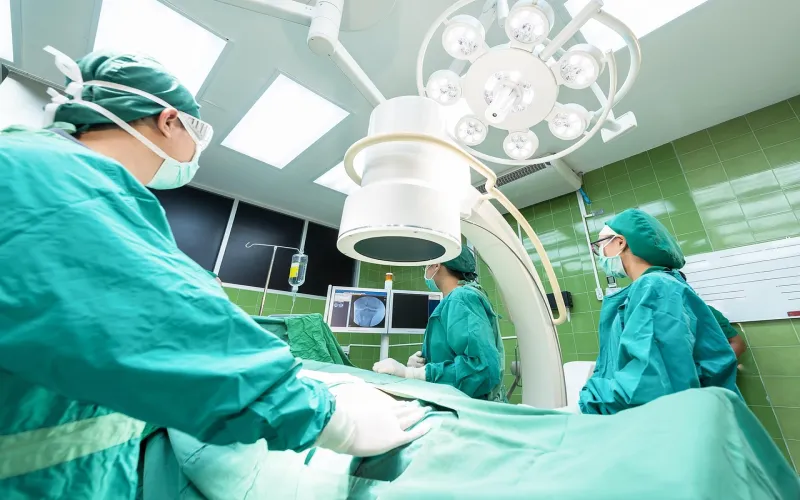
A thorough pre-operative evaluation is essential before gallbladder surgery and typically includes clinical assessment, laboratory investigations, and imaging studies. The minimum pre-operative workup includes a complete blood count (CBC), comprehensive metabolic panel including liver function tests (AST, ALT, alkaline phosphatase, bilirubin, albumin), coagulation studies (PT/INR, aPTT), lipase or amylase levels (to rule out pancreatitis), blood type and crossmatch, electrocardiogram (ECG) for patients over 40, and chest X-ray if indicated by medical history. These tests help identify any underlying conditions that may affect surgical risk and ensure that no active complications such as cholangitis or pancreatitis are present.
Abdominal ultrasound is the primary imaging study for gallbladder disease and should have been performed before deciding on surgery. The ultrasound confirms the presence of gallstones, assesses gallbladder wall thickness (thickening suggests inflammation), evaluates the common bile duct diameter (dilation may indicate common bile duct stones), and identifies any other abdominal abnormalities. If common bile duct stones are suspected based on ultrasound findings, elevated liver enzymes, or a dilated bile duct, additional imaging with magnetic resonance cholangiopancreatography (MRCP) or endoscopic ultrasound may be needed, and ERCP with stone extraction may be performed before cholecystectomy.
When planning gallbladder surgery abroad, you can expedite the pre-operative process by having your initial workup completed at home and sending the results to the hospital's international patient department before traveling. This allows the surgical team to review your case, identify any additional investigations that may be needed, and plan the surgical approach in advance. Most hospitals will still repeat key blood tests on arrival to confirm current values, but having prior results available prevents delays and ensures the surgical team is fully informed about your condition before the day of surgery.
Recovery Timeline and What to Expect
Recovery from laparoscopic cholecystectomy is generally rapid and well-tolerated. Most patients can walk within a few hours of surgery and are discharged from the hospital after 1 to 2 nights. The small incisions cause significantly less pain than open surgery, and most patients manage their post-operative discomfort with oral analgesics such as paracetamol and ibuprofen, with stronger medications available if needed during the first 24 to 48 hours. Shoulder tip pain, caused by irritation of the diaphragm from residual carbon dioxide gas, is common in the first 1 to 2 days and resolves spontaneously as the gas is absorbed.
In the first week after surgery, patients should avoid heavy lifting (anything over 5 to 10 kg), strenuous exercise, and activities that strain the abdominal muscles. Walking is encouraged from day one and helps reduce the risk of blood clots, promotes gastrointestinal recovery, and improves overall well-being. Most patients can return to desk work within 5 to 7 days and to physically demanding work within 2 to 3 weeks. Driving can usually be resumed when you can perform an emergency stop comfortably and are no longer taking strong painkillers, typically after 5 to 7 days.
Dietary modifications after gallbladder removal are typically temporary. In the first 2 to 4 weeks, a low-fat, bland diet is recommended to allow the digestive system to adapt to the absence of concentrated bile storage. High-fat foods, fried foods, greasy foods, and large meals may cause diarrhea, bloating, or cramping during this adjustment period. Most patients gradually reintroduce normal foods over 4 to 6 weeks and find that they can eat a completely normal diet within 2 to 3 months. Approximately 10 to 15 percent of patients experience some degree of post-cholecystectomy diarrhea (more frequent or loose stools), which usually improves over time and can be managed with dietary modifications or bile acid sequestrants if persistent.
Risks and Potential Complications
Laparoscopic cholecystectomy is one of the safest surgical procedures, with an overall complication rate of 2 to 4 percent and a mortality rate of less than 0.1 percent. The most significant potential complication is bile duct injury, which occurs in approximately 0.3 to 0.6 percent of laparoscopic cholecystectomies. Bile duct injury can range from minor leaks that resolve spontaneously to major transection or stricture formation requiring reconstructive surgery. The risk of bile duct injury is lowest when surgery is performed by experienced surgeons who use the critical view of safety technique, a systematic approach to identifying the cystic duct and artery before clipping and dividing them.
Other potential complications include post-operative bleeding (1 to 2 percent), surgical site infection (1 to 2 percent), bile leak from the cystic duct stump or an accessory bile duct (less than 1 percent), retained common bile duct stone (2 to 4 percent), port site hernia (less than 1 percent), and deep vein thrombosis or pulmonary embolism (less than 0.5 percent with appropriate prophylaxis). Most of these complications are mild and self-limiting, but some may require additional intervention such as ERCP for bile duct stones or percutaneous drainage for bile collections. When choosing a hospital abroad, ask about the surgeon's personal complication rates and the hospital's infrastructure for managing complications should they arise.
Life Without a Gallbladder
Living without a gallbladder is perfectly safe and the vast majority of patients experience no long-term adverse effects. After cholecystectomy, bile flows continuously from the liver through the common bile duct directly into the small intestine rather than being stored and concentrated in the gallbladder. This means the body can still digest fats effectively, although the absence of concentrated bile release may result in slightly less efficient fat digestion, particularly with large, high-fat meals. The liver continues to produce the same amount of bile, and over time, the common bile duct may dilate slightly to partially compensate for the lost storage capacity of the gallbladder.
Most patients return to a completely normal diet and lifestyle within 2 to 3 months of surgery. Long-term studies of patients who have had cholecystectomy show no increase in overall mortality, no significant changes in body weight, and no increased risk of colorectal cancer (a concern that was raised in some early studies but has been convincingly refuted by large-scale epidemiological research). The key to a smooth transition is gradual dietary reintroduction, starting with small, frequent meals low in fat and gradually increasing fat content and meal size as tolerated over the first 4 to 8 weeks. Regular exercise, adequate hydration, and a balanced diet rich in fiber support optimal digestive function after surgery.
Considering gallbladder surgery abroad? Compare all-inclusive surgical packages at accredited hospitals and save up to 85% compared to US prices.
Get Free QuoteFrequently Asked Questions
Frequently Asked Questions
How long should I stay abroad after gallbladder surgery?
Plan to stay 5-7 days after laparoscopic cholecystectomy: 1-2 days pre-operative evaluation, 1-2 nights hospital stay, and 2-3 days post-discharge recovery before flying. This allows time for wound checks and ensures any early complications are identified.
Can I fly after gallbladder surgery?
Most patients can fly 3-5 days after uncomplicated laparoscopic cholecystectomy. The small amount of residual carbon dioxide gas in the abdomen is absorbed within 48-72 hours and does not pose a risk during flight. Your surgeon will clear you for travel during your post-operative follow-up.
Is robotic gallbladder surgery better than laparoscopic?
For routine cases, outcomes are comparable. Robotic surgery may offer advantages in complex cases (severe inflammation, difficult anatomy) due to enhanced visualization and instrument control. However, it typically costs more. Discuss with your surgeon whether robotic approach is beneficial for your specific case.
What if they find something unexpected during surgery?
If an unexpected finding such as gallbladder cancer is discovered, the surgeon may need to convert to open surgery or perform additional procedures. Choose a hospital with comprehensive surgical capabilities and pathology services to handle any scenario, rather than a standalone surgical center.
Will I need to take any medications after gallbladder removal?
Most patients do not need long-term medications. Short-term pain relief (1-2 weeks) and possibly a proton pump inhibitor for a few weeks are typical. If post-cholecystectomy diarrhea occurs, bile acid sequestrants like cholestyramine may be prescribed temporarily.