What Is a Full Body Checkup?
A full body health checkup is a comprehensive medical examination designed to evaluate every major organ system, identify hidden diseases, and establish a baseline for your overall health. Unlike a standard doctor's visit that addresses specific complaints, a full body checkup systematically screens for conditions you may not know you have — from diabetes and thyroid disorders to early-stage cancer and heart disease. These thorough screenings are particularly valuable because many serious conditions develop silently over years or decades, causing no symptoms until they reach an advanced and potentially dangerous stage.
The concept of comprehensive health screening has been embraced most enthusiastically in Asia and the Middle East, where leading hospitals have developed streamlined, single-day or two-day programs that coordinate dozens of tests into an efficient workflow. In contrast, achieving the same breadth of testing in Western healthcare systems often requires multiple appointments across different departments over several weeks, with each visit incurring separate facility fees, physician charges, and insurance complications. The integrated approach offered by international hospitals not only saves time but ensures that all results are reviewed together by a single medical team, providing a holistic view of your health.
The global medical tourism industry has made full body checkups one of the most sought-after services, with millions of patients traveling internationally each year for comprehensive health screening. The driving factors are clear — the same tests performed at JCI-accredited hospitals abroad cost 60-85% less than in the US or UK, use identical diagnostic technology from the same global manufacturers (Siemens, GE, Philips), are interpreted by board-certified specialists often trained in Western medical institutions, and are delivered in a streamlined patient-centered experience that many find superior to their home healthcare system.
Full body checkups are especially recommended for adults over 35, individuals with family history of chronic diseases, executives and professionals with high-stress lifestyles, people who have skipped routine medical visits for several years, those planning major life changes (marriage, starting a family, retirement), and anyone who simply wants comprehensive peace of mind about their health status. The investment in a thorough screening is modest compared to the potential cost of treating an advanced disease that could have been detected early.
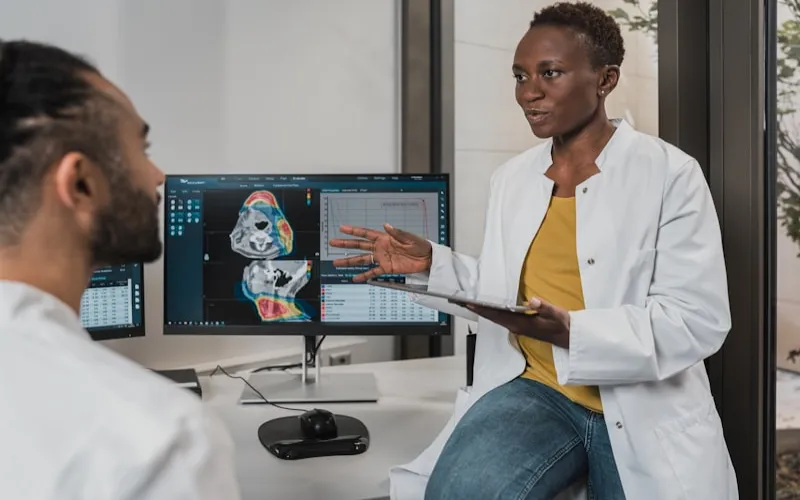
What's Included in Each Package Level
Standard Full Body Checkup packages represent the entry-level option, typically costing $100-$600 abroad. These packages cover the essential screening tests appropriate for healthy adults: complete blood count (CBC), comprehensive metabolic panel (glucose, liver enzymes, kidney function, electrolytes), lipid profile (total cholesterol, HDL, LDL, triglycerides), thyroid function (TSH), urinalysis, chest X-ray, resting 12-lead ECG, basic physical examination including blood pressure, BMI, and vision/hearing assessment, and a physician consultation to review all results. This level of screening identifies common conditions like diabetes, thyroid dysfunction, kidney disease, anemia, and basic cardiovascular abnormalities.
Executive Full Body Checkup packages are the most popular choice for medical tourists, typically costing $300-$2,000 abroad. In addition to all standard tests, executive packages include an expanded blood panel with HbA1c (3-month glucose average), vitamin D and B12 levels, iron studies, inflammatory markers (CRP, ESR), hepatitis B and C screening, and importantly, tumor markers appropriate for your age and gender (PSA, CEA, CA-125, AFP, CA 19-9). Imaging is significantly enhanced with abdominal ultrasound (liver, kidneys, gallbladder, pancreas, spleen), thyroid ultrasound, and often pelvic ultrasound for women. Cardiac assessment expands to include echocardiography and exercise stress testing. Many executive packages also include pulmonary function testing and bone density scanning for women over 50.
VIP and Premium Full Body Checkup packages represent the most thorough health assessment available, typically costing $600-$5,000 abroad. These comprehensive packages include everything in the executive level plus advanced imaging — full-body MRI (or targeted MRI of brain, spine, and abdomen), CT coronary angiography for non-invasive coronary artery assessment, and in some packages, PET-CT scanning for whole-body cancer screening. Additional tests may include comprehensive hormone panels (testosterone, estrogen, DHEA, cortisol, growth hormone), advanced genetic testing for hereditary disease risk, food intolerance panels, comprehensive allergy testing, advanced cardiac biomarkers (BNP, troponin, homocysteine), and extended specialist consultations across multiple specialties (cardiology, gastroenterology, endocrinology, oncology).
- Standard ($100-$600): CBC, metabolic panel, lipids, thyroid, ECG, chest X-ray, urinalysis, physician review
- Executive ($300-$2,000): Adds tumor markers, hepatitis panel, echo, stress test, abdominal/thyroid ultrasound, vitamins, HbA1c
- VIP/Premium ($600-$5,000): Adds full-body MRI, CT angiography, PET-CT, genetic testing, hormone panels, multi-specialist consultation
- Gender-Specific Options: Mammography, Pap smear, PSA, pelvic ultrasound, bone density — tailored to individual risk profiles
- Concierge Add-Ons (VIP): Private suite, airport transfers, dedicated coordinator, gourmet meals, spa services
Blood Panel Breakdown: What Each Test Reveals
The blood panel is the foundation of any full body checkup, providing a biochemical snapshot of organ function, metabolic health, and disease risk markers. A comprehensive blood panel at a quality international hospital typically includes 40-80 individual tests processed by fully automated laboratory systems. Understanding what these tests measure helps you appreciate the depth of information a single blood draw provides and makes you better equipped to discuss results with your physician.
Complete Blood Count (CBC) with differential is the most fundamental blood test, measuring red blood cells (detecting anemia and polycythemia), white blood cells (detecting infection, immune disorders, and blood cancers), platelets (assessing bleeding and clotting risk), hemoglobin and hematocrit (oxygen-carrying capacity), and white blood cell differential (neutrophils, lymphocytes, monocytes, eosinophils, basophils — each elevation pointing to different conditions). Metabolic panel tests assess glucose (diabetes), HbA1c (3-month blood sugar average), liver enzymes (ALT, AST, GGT, ALP — detecting liver damage from various causes), bilirubin (liver and bile duct function), albumin and total protein (nutritional status and liver synthetic function), creatinine and BUN (kidney function), and electrolytes (sodium, potassium, calcium, magnesium, phosphorus — detecting imbalances that can affect heart rhythm and muscle function).
Lipid profile is critical for cardiovascular risk assessment: total cholesterol, LDL ('bad' cholesterol — the primary driver of atherosclerosis), HDL ('good' cholesterol — protective against heart disease), triglycerides (elevated in metabolic syndrome, diabetes, and excess alcohol intake), and increasingly, calculated ratios (total cholesterol/HDL ratio, triglyceride/HDL ratio) that provide better risk prediction than individual values alone. Thyroid function tests (TSH, free T3, free T4) detect hypothyroidism (underactive thyroid causing fatigue, weight gain, depression) and hyperthyroidism (overactive thyroid causing anxiety, weight loss, rapid heart rate) — conditions affecting approximately 12% of the population.
Tumor markers included in executive and VIP packages provide an additional layer of cancer screening, though they should be interpreted in clinical context rather than isolation. PSA (Prostate-Specific Antigen) is the most established cancer screening marker, used for prostate cancer detection in men over 50. CEA (Carcinoembryonic Antigen) can be elevated in colorectal, lung, breast, and other cancers. CA-125 is associated with ovarian cancer but can also be elevated in endometriosis and other benign conditions. AFP (Alpha-Fetoprotein) is important for liver cancer screening. CA 19-9 is associated with pancreatic and bile duct cancers. Elevated tumor markers warrant further investigation but do not by themselves diagnose cancer.
Imaging & Scans: What They Reveal
Chest X-ray provides a rapid assessment of lung health, heart size, and thoracic structure, detecting conditions including pneumonia, tuberculosis, lung masses, pleural effusion, cardiomegaly (enlarged heart), and aortic abnormalities. While chest X-ray has limited sensitivity for small lesions, it remains valuable as a basic screening tool and is included in all package levels. Abdominal ultrasound is one of the most informative tests in executive packages, evaluating the liver (fatty liver, cirrhosis, masses), gallbladder (stones, polyps, inflammation), kidneys (stones, cysts, masses, hydronephrosis), pancreas (inflammation, masses), spleen (enlargement), and bladder (stones, wall abnormalities). This painless, radiation-free test can detect conditions requiring attention long before symptoms develop.
Thyroid ultrasound evaluates thyroid gland structure, detecting nodules, cysts, and changes in size or blood flow that may indicate thyroid disease. Thyroid nodules are extremely common (found in up to 50% of adults when screened with ultrasound), though the vast majority are benign. Ultrasound characteristics (size, shape, margins, calcifications, vascularity) help determine which nodules warrant further evaluation with fine-needle aspiration biopsy. For women, pelvic ultrasound (transabdominal or transvaginal) evaluates the uterus and ovaries, detecting fibroids, cysts, endometrial abnormalities, and ovarian masses.
Cost Comparison by Country
Full Body Checkup Cost Comparison 2025
| Country | Standard Package | Executive Package | VIP/Premium Package |
|---|---|---|---|
| USA | $800 - $2,500 | $3,000 - $8,000 | $8,000 - $15,000 |
| UK | $500 - $1,800 | $2,000 - $5,000 | $5,000 - $10,000 |
| Turkey | $200 - $500 | $500 - $1,500 | $1,000 - $3,000 |
| India | $100 - $350 | $300 - $1,000 | $600 - $2,000 |
| Thailand | $250 - $600 | $600 - $1,800 | $1,200 - $3,500 |
| South Korea | $350 - $800 | $800 - $2,500 | $2,000 - $5,000 |
| Malaysia | $150 - $400 | $400 - $1,200 | $800 - $2,500 |
Standard includes blood work, urinalysis, ECG, chest X-ray. Executive adds tumor markers, cardiac echo, abdominal ultrasound, stress test. VIP adds full-body MRI, CT angiography, PET-CT, genetic screening.
The cost advantage of full body checkups abroad is striking at every package level. A standard checkup that costs $800-$2,500 in the US is available for $100-$500 in Turkey and India. Executive packages costing $3,000-$8,000 domestically drop to $300-$1,500 abroad. Even the most comprehensive VIP packages with full-body MRI and PET-CT — priced at $8,000-$15,000 in the US — are available for $600-$5,000 at world-class international hospitals. These savings are driven by lower operating costs, not lower quality — the diagnostic equipment, laboratory technology, and physician qualifications are comparable to or exceed what's available at the average Western hospital.
Best Hospitals for Full Body Checkups Abroad
Memorial Sisli Hospital in Istanbul operates one of Turkey's most popular health checkup programs for international patients. Their dedicated Checkup Center offers four package tiers from basic to VIP, with all testing completed in a single day in a streamlined workflow designed for maximum efficiency. The hospital's fully automated Roche and Siemens laboratory systems process blood work with rapid turnaround, and their radiology department houses the latest 3T MRI, 256-slice CT, and advanced ultrasound systems. English-speaking coordinators guide international patients through every step of the checkup process.
Medipol Mega University Hospital combines university-level diagnostic expertise with a patient-centered health checkup experience. As one of Turkey's largest university hospitals, Medipol offers exceptional depth of specialist consultation — if a checkup finding requires further investigation, subspecialty expertise across virtually every medical field is immediately available. Their health checkup packages include comprehensive reporting with normal range comparisons, trend analysis (for returning patients), and personalized health recommendations based on individual findings.
Ready for a comprehensive health assessment? Get free quotes from top hospitals offering full body checkup packages.
Get Free Checkup Quote
How Results Are Shared & Follow-Up
One of the advantages of getting a full body checkup at a quality international hospital is the comprehensive and well-organized results package you receive. Rather than receiving piecemeal results over days or weeks, most hospitals compile everything into a single comprehensive report that includes all laboratory results with normal reference ranges clearly marked, detailed imaging reports from specialist radiologists, cardiac assessment reports from cardiologists, an overall health summary with risk scoring, personalized lifestyle and dietary recommendations, and a suggested follow-up plan including any recommended additional testing or specialist referrals.
Results turnaround varies by test complexity: basic blood work is available within 4-6 hours, imaging reports within 12-24 hours, and the comprehensive summary report within 24-72 hours. Most hospitals offer a face-to-face physician consultation to review results before you leave — this is arguably the most valuable part of the experience, as a skilled physician can explain findings in context, answer your questions, and provide personalized guidance. If you need to leave before the full report is ready, hospitals will email or courier the results, and many provide ongoing digital access through patient portals.
For patients who return for annual checkups at the same hospital, many facilities offer trend analysis — comparing your current results with previous years to identify gradual changes that might not be apparent on a single snapshot. This longitudinal tracking is particularly valuable for monitoring cholesterol trends, blood sugar trajectory, thyroid function changes, and organ measurements over time. Some hospitals maintain digital patient portals where your complete medical history and all results are accessible online, facilitating easy sharing with your home physician and providing a permanent health record.
The most important health checkup is the one you actually get. Expensive Western pricing shouldn't be a barrier to preventive care — comprehensive screening at accredited hospitals abroad provides the same clinical value at a fraction of the cost, making proactive health monitoring accessible to everyone.
International Medical Tourism Journal, Annual Health Screening Report
Frequently Asked Questions
How long does a full body checkup take?
Standard checkups take 3-4 hours, executive checkups 5-7 hours (full day), and VIP packages 1-2 full days depending on the tests included. Most hospitals schedule all tests consecutively starting early morning, with results and physician consultation by late afternoon or next day.
Do I need to fast before a full body checkup?
Yes, fasting for 8-12 hours is required for accurate blood work. Schedule your checkup for early morning and don't eat or drink anything except water after midnight. If you take regular medications, ask the hospital beforehand whether to take them as usual. Avoid alcohol for 48 hours before the checkup.
How often should I get a full body checkup?
For healthy adults under 40 with no risk factors, every 2-3 years is reasonable. For adults over 40 or those with risk factors (family history, smoking, diabetes, hypertension), annual checkups are recommended. Your physician will suggest an appropriate schedule based on your individual results and risk profile.
Can I combine a health checkup with a vacation?
Absolutely — this is one of the most popular approaches for medical tourists. Many patients schedule their checkup for the first or last day of a trip, allowing them to enjoy tourism for the rest of the visit. Hospitals in destinations like Istanbul, Bangkok, and Mumbai cater to this with concierge services and tourism recommendations.
Will my home doctor accept results from abroad?
Yes, results from accredited international hospitals are universally accepted. Reports are provided in English with standard medical terminology and internationally recognized reference ranges. Imaging is provided in DICOM format compatible with viewing software worldwide. Most doctors readily integrate these results into your medical record.
What if abnormalities are found?
If abnormalities are detected, the reviewing physician will explain the findings and recommend next steps — which may include additional tests, specialist consultation, treatment, or monitoring. Many patients choose to address findings at the same hospital. For non-urgent findings, you can take detailed reports to your home physician for follow-up and treatment planning.