Why Cardiac Screening Matters
Cardiovascular disease (CVD) remains the number one cause of death worldwide, claiming approximately 17.9 million lives annually — more than all cancers combined. The tragedy is that the majority of these deaths are preventable. The World Health Organization estimates that 80% of heart attacks and strokes can be prevented through early detection, lifestyle modification, and appropriate medical intervention. Yet many people remain unaware of their cardiovascular risk until they experience a life-threatening event, because heart disease often develops silently over decades without any noticeable symptoms.
Cardiac screening identifies risk factors and early-stage heart disease before symptoms develop, allowing preventive action that can literally save your life. Conditions detectable through screening include coronary artery disease (narrowed or blocked arteries that cause heart attacks), heart valve disorders (stenosis, regurgitation), cardiomyopathy (weakened or thickened heart muscle), arrhythmias (abnormal heart rhythms), aortic aneurysm (dangerous bulging of the aorta), and structural heart defects. Early detection of these conditions enables intervention at a stage when treatment is most effective and least invasive.
The barriers to cardiac screening in many Western countries are significant — high costs, long waiting times, and limited insurance coverage for preventive testing. In the United States, a comprehensive cardiac screening that includes echocardiography, stress testing, and cardiac CT can cost $2,000-$10,000, and insurance often covers only basic testing if specific symptoms or risk factors are documented. This cost barrier means many people don't get screened until they're already experiencing symptoms — by which time significant heart damage may have already occurred. Medical tourism addresses this barrier by making comprehensive cardiac screening affordable and accessible.
The case for proactive cardiac screening is especially compelling for individuals with risk factors: family history of heart disease (especially before age 55 in men or 65 in women), smoking (current or past), diabetes or prediabetes, high blood pressure, high cholesterol, obesity (BMI over 30), sedentary lifestyle, chronic stress, and age over 45 for men or 55 for women. Even without traditional risk factors, emerging research shows that 20% of heart attacks occur in people classified as 'low risk' by conventional assessment tools, highlighting the value of imaging-based screening that can detect subclinical disease.
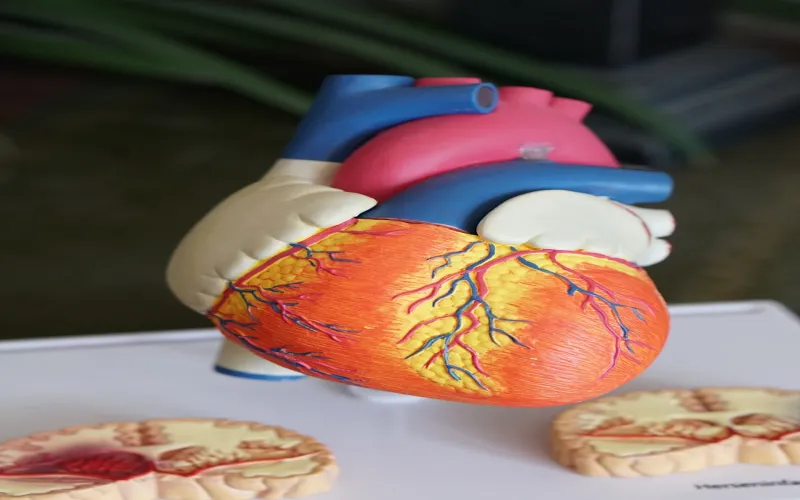
Cardiac Screening Tests Explained
Electrocardiogram (ECG/EKG) is the most basic cardiac test, recording the electrical activity of the heart through electrodes placed on the skin. It takes just 5-10 minutes and can detect arrhythmias, signs of previous heart attack, enlarged heart chambers, and electrolyte imbalances. While an ECG is valuable as a baseline screening, it has significant limitations — it captures only a brief snapshot of heart activity and may miss intermittent arrhythmias or early coronary disease. An ECG is included in virtually all health checkup packages and is an essential starting point for cardiac assessment.
Echocardiogram (cardiac ultrasound) is one of the most valuable cardiac screening tools, providing real-time moving images of the heart using ultrasound waves. It evaluates heart chamber sizes, wall thickness, valve function, pumping efficiency (ejection fraction), and blood flow patterns. An echocardiogram can detect heart failure, valve disease, cardiomyopathy, pericardial effusion, and congenital heart defects. The test takes 20-40 minutes, is completely non-invasive and radiation-free, and provides a wealth of functional information about heart health. Every comprehensive cardiac screening should include an echocardiogram.
Exercise stress test (treadmill test) evaluates how the heart performs under physical exertion. The patient walks on a treadmill with gradually increasing speed and incline while continuous ECG, blood pressure, and symptom monitoring are performed. The test reveals exercise-induced arrhythmias, ischemia (reduced blood flow to the heart during exertion), exercise capacity (an important predictor of cardiovascular risk), and blood pressure response to exercise. The test takes approximately 15-30 minutes (including recovery) and is an excellent screening tool for detecting coronary artery disease that may not be apparent at rest.
Coronary Calcium Score (CT Calcium Scoring) uses a low-dose CT scan to detect and quantify calcium deposits in the coronary arteries. Calcium in the arteries is a marker of atherosclerotic plaque buildup — the higher the calcium score, the more extensive the coronary artery disease and the higher the risk of future heart events. A calcium score of zero indicates minimal risk, while scores above 300-400 indicate significant coronary disease requiring aggressive risk factor management. This test takes just 10-15 minutes, requires no preparation or contrast injection, and provides one of the most powerful predictors of cardiovascular risk available.
- ECG (Electrocardiogram): Electrical heart activity, arrhythmia detection — 5-10 minutes, non-invasive, baseline screening
- Echocardiogram: Heart structure, valve function, pumping efficiency — 20-40 minutes, ultrasound-based, comprehensive
- Exercise Stress Test: Heart performance under exertion — 15-30 minutes, reveals exercise-induced ischemia
- Coronary Calcium Score: CT-based coronary artery disease quantification — 10-15 minutes, powerful risk predictor
- CT Coronary Angiography: Non-invasive coronary artery visualization — 15-20 minutes, detects stenosis and plaques
- Cardiac MRI: Detailed heart structure and function — 45-60 minutes, gold standard for cardiomyopathy
- Holter Monitor: 24-48 hour continuous ECG recording — detects intermittent arrhythmias missed by standard ECG
- Blood Markers: Troponin, BNP, CRP, lipid panel, HbA1c — blood tests revealing cardiac damage and risk factors
Who Needs Cardiac Screening?
The question of who needs cardiac screening and at what age is subject to ongoing medical debate, with guidelines varying between countries and professional organizations. However, the general consensus supports baseline cardiac screening for all adults by age 40, with earlier screening for those with risk factors. The American Heart Association recommends cardiovascular risk assessment starting at age 20 and comprehensive screening every 4-6 years for low-risk individuals and annually for those at elevated risk.
High-priority screening candidates include individuals with a family history of premature heart disease (heart attack or sudden cardiac death in a first-degree relative before age 55 in men or 65 in women), smokers or former smokers, people with diabetes or metabolic syndrome, those with persistently elevated blood pressure or cholesterol despite lifestyle modifications, individuals with symptoms suggestive of heart disease (chest pain, shortness of breath on exertion, palpitations, unexplained fatigue), athletes over 35 beginning intense exercise programs, and executives or high-stress professionals who want proactive health monitoring.
Cost Comparison by Country
Cardiac Screening Cost Comparison 2025
| Country | Basic Cardiac Screen | Advanced Cardiac Screen | Comprehensive Package |
|---|---|---|---|
| USA | $500 - $2,000 | $2,000 - $5,000 | $5,000 - $10,000 |
| UK | $400 - $1,500 | $1,500 - $4,000 | $3,000 - $7,000 |
| Turkey | $150 - $400 | $400 - $1,200 | $800 - $2,000 |
| India | $100 - $300 | $300 - $800 | $500 - $1,500 |
| Thailand | $200 - $500 | $500 - $1,500 | $1,000 - $2,500 |
| South Korea | $250 - $600 | $600 - $1,800 | $1,200 - $3,000 |
| Germany | $400 - $1,000 | $1,000 - $3,000 | $2,500 - $6,000 |
Basic: ECG, blood pressure, lipid panel, cardiac markers. Advanced: Adds echocardiogram, stress test, cardiac CT. Comprehensive: Adds coronary angiography, cardiac MRI, Holter monitoring, genetic cardiac risk assessment.
Cardiac screening represents one of the areas where medical tourism offers the most dramatic cost savings. A comprehensive cardiac screening in the US — including echocardiogram, stress test, cardiac CT, blood work, and cardiologist consultation — can easily cost $5,000-$10,000. The same comprehensive package at a JCI-accredited hospital in Turkey costs $800-$2,000, and in India as little as $500-$1,500. The equipment is identical (Siemens, GE, Philips cardiac imaging systems), the cardiologists are often Western-trained, and the experience is typically more efficient and patient-centered than the fragmented Western model.
Best Hospitals for Cardiac Screening Abroad
Memorial Sisli Hospital in Istanbul has one of Turkey's leading cardiology departments, equipped with the latest cardiac imaging technology including advanced echocardiography (including 3D and strain imaging), cardiac CT with coronary angiography capability, and nuclear cardiology. Their dedicated cardiac checkup program is designed for international patients and can be completed in a single day, with comprehensive results and cardiologist consultation available within 24 hours. The hospital's cardiac team includes interventional cardiologists, electrophysiologists, and cardiac surgeons, ensuring that if any findings require further investigation or treatment, the full spectrum of cardiac care is immediately available.
Florence Nightingale Hospital Istanbul is renowned for its cardiovascular excellence, with a dedicated Heart Center that performs over 5,000 cardiac procedures annually. Their cardiac screening program combines advanced diagnostic technology with decades of cardiovascular expertise. The hospital offers multiple cardiac screening packages tailored to different risk profiles and budgets, from basic ECG and blood work to comprehensive packages including cardiac MRI and CT coronary angiography. Their international patient department provides seamless coordination for medical tourists.
Worried about your heart health? Get free quotes for comprehensive cardiac screening at world-class hospitals.
Get Free Cardiac Screening Quote
Advanced Cardiac Diagnostics
CT Coronary Angiography (CTCA) is a non-invasive imaging technique that visualizes the coronary arteries with remarkable detail using an advanced multi-slice CT scanner (typically 256-slice or higher). Unlike traditional catheter-based coronary angiography, which requires inserting a catheter into the coronary arteries through a groin or wrist puncture, CTCA achieves similar visualization through a simple IV contrast injection and a 15-20 minute scan. CTCA can detect coronary stenosis (narrowing), characterize plaque composition (calcified vs soft plaque), and assess coronary anatomy — all without the risks of an invasive procedure.
Cardiac MRI is considered the gold standard for evaluating heart muscle structure and function. It provides the most accurate assessment of heart chamber volumes, wall motion, valve function, and myocardial tissue characteristics. Cardiac MRI can detect conditions that other tests may miss, including myocarditis (heart muscle inflammation), infiltrative cardiomyopathy (amyloid, sarcoid), arrhythmogenic right ventricular cardiomyopathy, and areas of myocardial fibrosis or scarring. The test takes 45-60 minutes, uses no radiation, and provides information that can fundamentally change patient management.
Understanding Your Results
Cardiac screening results can include numerous values and measurements that may seem overwhelming. The key metrics to understand include ejection fraction (EF) — the percentage of blood pumped out of the left ventricle with each heartbeat, normally 55-70% (below 40% indicates heart failure); coronary calcium score (Agatston score) — 0 is ideal, 1-100 is mild, 101-300 is moderate, above 300 indicates significant coronary disease; and framingham or ACC/AHA 10-year cardiovascular risk score — estimated percentage chance of a heart event in the next decade, with scores above 7.5% considered elevated risk.
A quality cardiac screening report from an international hospital will include all measurements with normal reference ranges, a clear summary of findings (normal and abnormal), risk classification based on combined results, personalized recommendations for lifestyle modification, medication recommendations if appropriate, and a follow-up plan with timeline for repeat testing. This comprehensive approach ensures you leave with actionable information, not just raw data. If any findings require treatment, the cardiologist can discuss options immediately — including medical management, interventional procedures, or surgical treatment available at the same facility.
The tragedy of cardiovascular disease is not that we lack the tools to detect it early — we have extraordinary diagnostic capability. The tragedy is that millions of people who could benefit from screening don't get screened because of cost, access, or simply not knowing they should.
European Society of Cardiology, Preventive Cardiology Guidelines
Frequently Asked Questions
At what age should I get cardiac screening?
Baseline cardiac screening is recommended for all adults by age 40, or earlier if you have risk factors (family history of heart disease, smoking, diabetes, high blood pressure, high cholesterol, obesity). Athletes over 35 starting intense exercise should also be screened. The American Heart Association recommends cardiovascular risk assessment starting at age 20.
How often should I get cardiac screening?
For low-risk individuals, comprehensive cardiac screening every 3-5 years is reasonable. For those at elevated risk (high calcium score, family history, multiple risk factors), annual screening is recommended. Your cardiologist will recommend an appropriate follow-up schedule based on your individual results.
Is cardiac screening painful?
No, most cardiac screening tests are non-invasive and painless. ECG involves placing adhesive electrodes on the skin. Echocardiogram uses an ultrasound probe pressed against the chest. Stress test involves walking on a treadmill. CT scans require lying still in a scanner. The only slightly uncomfortable element is the IV insertion for contrast-enhanced CT or MRI.
Can cardiac screening detect all heart problems?
No screening test is 100% sensitive. However, a comprehensive screening package (ECG, echo, stress test, calcium score, blood markers) provides a thorough assessment of cardiovascular health. Some conditions — like intermittent arrhythmias or rare cardiomyopathies — may require additional specialized testing for detection.
What happens if something abnormal is found?
If abnormalities are detected, the cardiologist will discuss findings and recommend next steps, which may include additional testing (cardiac catheterization, electrophysiology study), medication initiation or adjustment, lifestyle modifications, or referral for interventional or surgical treatment. Many findings are manageable with medication and lifestyle changes.
Can I fly home after cardiac screening?
Yes, cardiac screening is non-invasive and you can fly home the same day or next day. If an invasive procedure is needed based on screening results (like cardiac catheterization), the cardiologist will advise on appropriate timing for air travel. For most diagnostic-only visits, there are no flying restrictions.