Understanding Warts
Warts are benign skin growths caused by human papillomavirus infection of the epidermis. Over 100 subtypes of HPV have been identified, with different subtypes preferentially infecting different body sites and producing different types of warts. Common warts (verruca vulgaris) typically appear on the hands and fingers as rough, dome-shaped growths. Plantar warts affect the soles of the feet and can cause significant pain with walking. Flat warts are smooth, slightly elevated lesions that commonly affect the face, hands, and shins. Genital warts (condylomata acuminata) are sexually transmitted and require specialized evaluation and treatment. While most warts eventually resolve spontaneously as the immune system develops a response to the virus, this process can take months to years, and many warts persist indefinitely without treatment.
The decision to seek wart treatment is typically driven by cosmetic concern, physical discomfort, or desire to prevent spread to other body sites or to close contacts. Plantar warts can cause significant pain and difficulty walking, while warts on the hands and face can affect daily activities and self-confidence. Multiple or recurrent warts may indicate a need for more aggressive treatment approaches, including immunotherapy to boost the body's antiviral immune response. At international dermatology centers like Acıbadem Maslak Hospital, dermatologists assess each patient's wart burden and recommend the most appropriate treatment strategy, taking into account wart type, location, number, previous treatment history, and immune status.
Treatment costs for warts in the United States can be surprisingly high, particularly for stubborn or extensive warts requiring multiple treatment sessions. A single cryotherapy session costs $150 to $400, and most warts require two to four sessions for resolution. Laser treatment costs $300 to $800 per session. For patients with multiple warts, the cumulative cost can easily exceed $1,000 to $3,000. International dermatology centers offer the same treatment modalities at 60 to 80 percent lower cost, making comprehensive wart management accessible to patients who might otherwise defer treatment due to financial constraints.
Wart Treatment Methods
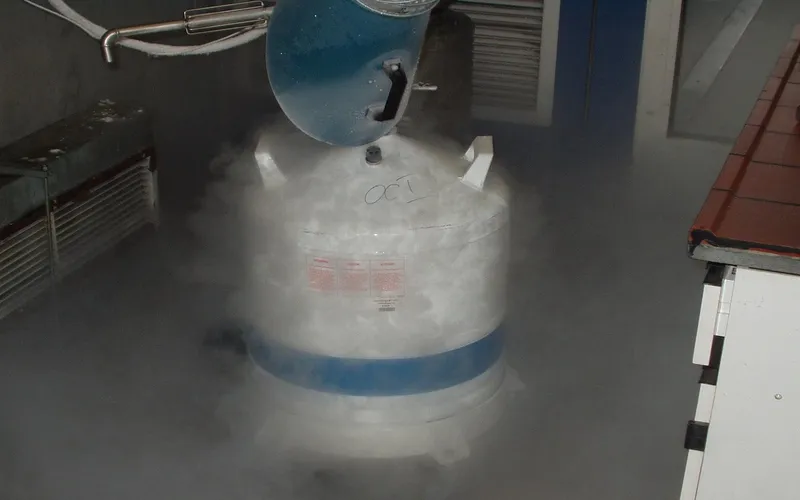
Cryotherapy with liquid nitrogen is the most commonly performed wart treatment in dermatology practices worldwide. The procedure involves applying liquid nitrogen to the wart using a spray device or cotton-tipped applicator, freezing the tissue to temperatures of minus 196 degrees Celsius. The freeze-thaw cycle destroys the wart-infected cells and triggers a local immune response that helps clear the virus. Treatment sessions are brief, lasting only seconds to minutes per wart, and are performed without anesthesia. Most warts require two to four treatment sessions spaced two to three weeks apart. At Estethica Ataşehir Hospital, cryotherapy is performed by experienced dermatologists who optimize freeze times and techniques for each wart type and location.
Laser treatment using pulsed dye laser or CO2 laser is effective for warts that have not responded to cryotherapy or other conventional treatments. Pulsed dye laser targets the blood vessels feeding the wart, causing ischemic destruction, while CO2 laser vaporizes the wart tissue layer by layer. Both approaches are more precise than cryotherapy and may be preferred for warts in cosmetically sensitive areas. Electrosurgery using a hyfrecator or radiofrequency device provides another option for precise wart destruction, particularly for pedunculated (stalk-like) warts and filiform warts on the face. Surgical excision under local anesthesia is reserved for large, solitary warts or warts that have not responded to other treatments.
Intralesional immunotherapy represents a targeted approach for multiple or recurrent warts, using injections of antigens such as Candida or mumps antigen into the wart to stimulate a systemic immune response against HPV. This technique can clear both the injected wart and distant, untreated warts by activating the immune system's ability to recognize and eliminate HPV-infected cells. Response rates of 50 to 80 percent for complete clearance have been reported, making this an effective option for patients with multiple warts. At Acıbadem Maslak Hospital, dermatologists offer the full range of wart treatment options including intralesional immunotherapy for recalcitrant cases.
- Cryotherapy — liquid nitrogen freezing, most common first-line treatment
- Pulsed dye laser — vascular targeting for resistant warts
- CO2 laser — tissue vaporization for precise removal
- Electrosurgery — electrical destruction for pedunculated warts
- Intralesional immunotherapy — immune stimulation for multiple warts
- Topical imiquimod — immune modifier cream for genital/flat warts
- Topical salicylic acid — over-the-counter keratolytic treatment
- Surgical excision — complete removal for large or solitary warts
Cost Comparison for Wart Removal
Wart Removal Cost Comparison 2025
| Treatment | USA Cost | Turkey Cost | Savings |
|---|---|---|---|
| Cryotherapy (per session) | $150 - $400 | $30 - $80 | Up to 80% |
| Laser Removal (per session) | $300 - $800 | $80 - $200 | Up to 78% |
| Electrosurgery | $200 - $500 | $50 - $120 | Up to 78% |
| Immunotherapy (intralesional) | $200 - $600 | $50 - $150 | Up to 78% |
| Surgical Excision | $300 - $1,000 | $80 - $250 | Up to 78% |
| Multiple Wart Package | $500 - $2,000 | $100 - $500 | Up to 78% |
Prices per session or procedure. Multiple treatments are often needed for complete wart resolution. Package pricing available for multiple warts.
Turkey offers excellent value for wart treatment, with cryotherapy at $30 to $80 per session and laser treatment at $80 to $200 per session. For patients with multiple warts requiring comprehensive treatment, package pricing at international centers further reduces the per-wart cost. The total expense for treating a dozen stubborn warts with multiple treatment sessions might be $200 to $500 in Turkey compared to $2,000 to $6,000 in the United States, making it cost-effective to combine wart treatment with other dermatological needs during a trip abroad.
Need stubborn warts treated? Get free quotes from dermatology centers specializing in advanced wart removal.
Get Free Quote
Treating Stubborn and Recurrent Warts
Approximately 30 percent of warts do not respond to initial treatment and are classified as recalcitrant or stubborn warts. These may require more aggressive or combined treatment approaches. Combination therapy using cryotherapy with topical salicylic acid or imiquimod, intralesional bleomycin injection, or intralesional immunotherapy can improve clearance rates for stubborn warts. Pulsed dye laser treatment targeting the wart's blood supply is another effective option for warts resistant to conventional freezing. Photodynamic therapy, which combines a light-sensitizing agent applied to the wart with subsequent light exposure, has shown promising results for recalcitrant plantar and genital warts.
Recurrent warts that return after initially successful treatment suggest an incomplete immune response to HPV. In these cases, immunotherapy approaches that boost the body's overall response to HPV may be more effective than destructive treatments alone. At Acıbadem Maslak Hospital, dermatologists develop comprehensive treatment strategies for recalcitrant warts that combine destructive methods with immune-stimulating approaches, optimizing the chance of both clearing existing warts and preventing recurrence. The lower cost of treatment abroad allows patients to pursue more aggressive multi-modal treatment plans that might be prohibitively expensive at home.
Prevention Strategies
Preventing wart development and spread involves several strategies including avoiding direct contact with warts, not picking or scratching existing warts, keeping skin healthy and intact, wearing footwear in communal showers and pool areas, and maintaining good hand hygiene. HPV vaccination, while primarily targeted at preventing cervical cancer and genital warts, may provide some protection against cutaneous HPV types as well. For patients with immunosuppression or a history of multiple warts, proactive monitoring and early treatment of any new lesions helps prevent the development of extensive wart burden.
I had over twenty plantar warts that caused tremendous pain and had resisted years of over-the-counter treatment. The dermatology team in Istanbul cleared them all with a combination of laser and immunotherapy over two visits. Total cost was $600 versus the $4,000 I was quoted at home.
Julie H., wart removal patient from Canada
Frequently Asked Questions
Frequently Asked Questions
How many treatment sessions do warts need?
Most warts require 2-4 cryotherapy sessions spaced 2-3 weeks apart. Stubborn warts may need 6-8+ sessions or combination approaches. Some warts clear after a single laser treatment. Treatment response varies by wart type, size, and location.
Is wart removal painful?
Cryotherapy causes brief stinging during treatment and mild soreness afterward. Laser treatment may require topical anesthesia. Surgical excision is done under local anesthesia. Most patients tolerate wart treatment well with minimal discomfort.
Can warts come back after removal?
Yes, warts can recur even after successful treatment because HPV may persist in surrounding skin. Recurrence rates are 20-30% within 6 months. Immunotherapy approaches that boost HPV immunity may reduce recurrence risk.
Should I treat warts or wait for them to clear naturally?
While many warts eventually clear spontaneously (60-70% within 2 years), treatment is recommended for painful warts, warts that spread, cosmetically bothersome warts, and warts lasting more than 2 years. Early treatment prevents spread and avoids larger, more difficult-to-treat lesions.
How long should I stay abroad for wart treatment?
For most cases, a single visit of 2-3 days covers consultation and first treatment session. For comprehensive treatment of multiple warts, 1-2 weeks allows for multiple sessions. Stubborn warts may require return visits.