Types of Skin Cancer
Skin cancer is the most common type of cancer worldwide, with an estimated 5 million cases diagnosed annually in the United States alone. The three main types of skin cancer — basal cell carcinoma, squamous cell carcinoma, and melanoma — differ significantly in their behavior, treatment requirements, and prognosis. Basal cell carcinoma is the most common, accounting for approximately 80 percent of all skin cancers, and is characterized by slow growth and extremely rare metastasis. While BCC almost never spreads to distant sites, it can cause significant local tissue destruction if left untreated, eroding into underlying structures including cartilage, bone, and even the orbit. Early detection and treatment of BCC produces cure rates exceeding 99 percent.
Squamous cell carcinoma is the second most common skin cancer, accounting for approximately 20 percent of cases. SCC is more aggressive than BCC, with a metastatic rate of approximately 2 to 5 percent overall, rising to 10 to 20 percent for high-risk tumors occurring on the lip, ear, or in immunosuppressed patients. Treatment of SCC requires complete excision with adequate margins, and high-risk tumors may require additional therapy including radiation or, in advanced cases, immunotherapy or targeted therapy. Melanoma, while less common than BCC and SCC, is the most dangerous skin cancer due to its propensity for early metastasis. Caught early (stage I), melanoma has a five-year survival rate exceeding 99 percent, but advanced metastatic melanoma historically carried a very poor prognosis until the advent of modern immunotherapy and targeted therapy.
The cost of skin cancer treatment in the United States varies enormously depending on the type, stage, and location of the cancer. Simple excision of a small BCC may cost $1,500 to $4,000, while Mohs micrographic surgery, the gold standard for high-risk or cosmetically sensitive skin cancers, costs $2,000 to $5,000 per stage. Melanoma treatment costs escalate dramatically with advanced disease, with immunotherapy regimens costing $150,000 to $200,000 per year. International dermatology and oncology centers offer the same surgical techniques and medications at 50 to 78 percent lower cost, with experienced dermatologic surgeons and oncologists at facilities like Acıbadem Maslak Hospital providing comprehensive skin cancer care that meets international quality standards.
Mohs Micrographic Surgery Abroad
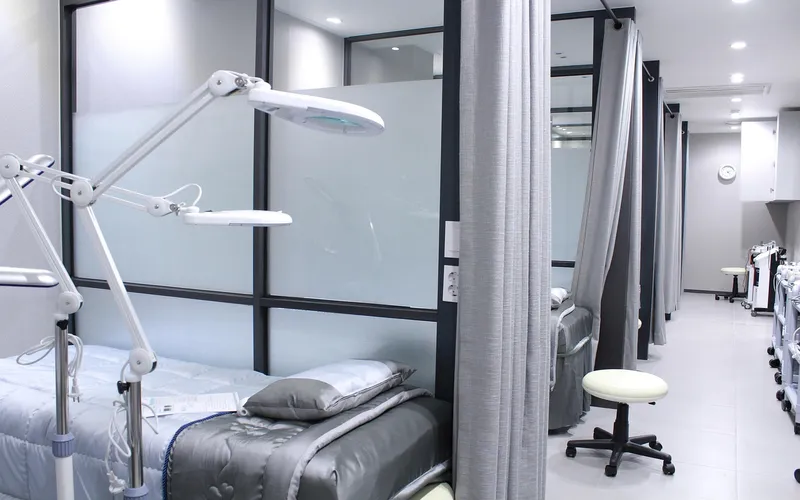
Mohs micrographic surgery is the most precise and tissue-sparing technique for skin cancer removal, achieving cure rates of 99 percent for primary BCC and 97 percent for primary SCC, the highest of any treatment modality. The technique involves progressively removing thin layers of tissue, mapping and examining each layer under a microscope during the procedure, and continuing until no cancer cells remain. This process ensures complete removal of the cancer while preserving the maximum amount of healthy tissue, which is particularly important for cancers on the face, ears, nose, lips, and hands where tissue conservation directly affects functional and cosmetic outcomes.
Mohs surgery is specifically indicated for skin cancers in cosmetically and functionally critical areas, recurrent skin cancers that have come back after previous treatment, large tumors, tumors with poorly defined borders, aggressive histological subtypes including morpheaform and infiltrative BCC, and skin cancers in patients who are immunosuppressed. At international dermatology centers like Acıbadem Maslak Hospital, Mohs surgery is performed by fellowship-trained dermatologic surgeons who also handle the surgical reconstruction of the resulting wound, ensuring optimal functional and aesthetic outcomes. The cost of Mohs surgery in Turkey ranges from $500 to $1,200 per stage compared to $2,000 to $5,000 per stage in the United States, representing savings of up to 78 percent.
The Mohs procedure is typically completed in a single day as an outpatient procedure under local anesthesia. The surgeon removes the visible tumor plus a thin margin of tissue, which is then processed, mapped, and examined under a microscope while the patient waits. If cancer cells are detected at any margin, the surgeon removes another thin layer from the precise location where cancer remains, and the process is repeated until clear margins are achieved. This systematic approach typically requires two to three stages for most skin cancers. Once the cancer is completely removed, the wound is reconstructed using techniques such as direct closure, local flap, or skin graft, depending on the size and location of the defect. International patients should plan to stay near the hospital for three to five days after Mohs surgery for wound check and suture management.
Cost Comparison by Country
Skin Cancer Treatment Cost Comparison 2025
| Procedure | USA Cost | Turkey Cost | Savings |
|---|---|---|---|
| Mohs Surgery (per stage) | $2,000 - $5,000 | $500 - $1,200 | Up to 78% |
| Wide Excision (BCC/SCC) | $1,500 - $4,000 | $400 - $1,000 | Up to 78% |
| Melanoma Excision + SLNB | $8,000 - $20,000 | $2,000 - $5,000 | Up to 78% |
| Immunotherapy (annual) | $150,000 - $200,000 | $30,000 - $60,000 | Up to 70% |
| Skin Flap Reconstruction | $3,000 - $8,000 | $800 - $2,000 | Up to 78% |
| Skin Graft | $2,000 - $6,000 | $500 - $1,500 | Up to 78% |
| Dermoscopy + Biopsy | $500 - $1,500 | $100 - $400 | Up to 78% |
SLNB = Sentinel Lymph Node Biopsy. Costs vary by lesion size, location, and complexity. Melanoma immunotherapy costs are annual estimates.
The cost advantages of skin cancer treatment abroad are significant across all treatment modalities. Turkey offers Mohs surgery at $500 to $1,200 per stage, wide excision with reconstruction at $400 to $2,000, and comprehensive melanoma surgery including sentinel lymph node biopsy at $2,000 to $5,000. Acıbadem Maslak Hospital provides all of these services within its comprehensive dermatology and oncology departments, with dermatopathology capabilities for immediate tissue processing and analysis. For patients with advanced melanoma requiring immunotherapy, the cost savings can be truly life-changing, with annual treatment costs of $30,000 to $60,000 in Turkey compared to $150,000 to $200,000 in the United States.
Need skin cancer treatment? Get free quotes from accredited dermatology and oncology centers specializing in skin cancer surgery.
Get Free QuoteMelanoma Treatment Options Abroad
Melanoma treatment has undergone a revolution over the past decade with the introduction of immune checkpoint inhibitors and targeted therapies that have dramatically improved survival for patients with advanced disease. Surgery remains the primary treatment for early-stage melanoma, with wide excision margins determined by the Breslow thickness of the tumor. Sentinel lymph node biopsy is recommended for melanomas with Breslow thickness greater than 0.8 mm to assess whether the cancer has spread to regional lymph nodes. At Acıbadem Maslak Hospital, melanoma surgery is performed by oncologic surgeons with nuclear medicine support for lymphoscintigraphy and sentinel node identification.
For advanced melanoma, immunotherapy with checkpoint inhibitors including nivolumab and pembrolizumab has transformed outcomes, with five-year survival rates improving from less than 10 percent to over 40 percent for metastatic disease. Targeted therapy with BRAF and MEK inhibitors (dabrafenib plus trametinib, or encorafenib plus binimetinib) provides an alternative for patients with BRAF-mutated melanoma. Adjuvant therapy with these agents is also recommended for high-risk surgically resected melanoma to reduce the risk of recurrence. The cost of these treatments in the United States is astronomical, often exceeding $150,000 per year, creating significant financial toxicity for patients and families. International oncology centers offer the same medications at dramatically lower costs, making life-saving melanoma treatment accessible to a broader patient population.
Reconstruction After Skin Cancer Surgery
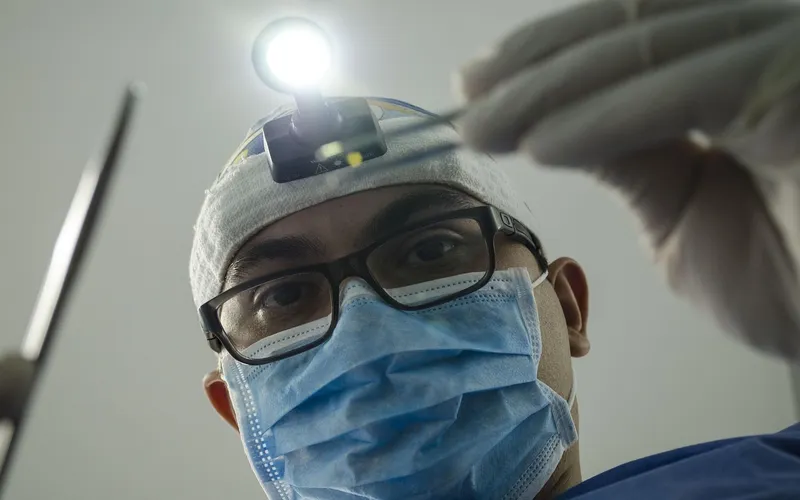
Reconstruction after skin cancer surgery is an integral part of the treatment process, particularly for cancers on the face and other cosmetically sensitive areas. The goal of reconstruction is to restore both the function and appearance of the affected area while minimizing scarring. Reconstruction options include primary closure (direct stitching of wound edges), local flaps (repositioning adjacent tissue to fill the defect), skin grafts (transplanting skin from another body area), and in complex cases, staged reconstruction with tissue expansion or free flap procedures. The choice of reconstruction technique depends on the size, depth, and location of the surgical defect, as well as the patient's individual anatomy and healing characteristics.
At international surgical centers, skin cancer reconstruction is performed by the same dermatologic surgeon who performed the Mohs surgery or excision, or by a collaborating plastic surgeon for more complex cases. This ensures continuity of care and optimal aesthetic outcomes. Centers like Estethica Ataşehir Hospital combine dermatologic surgical expertise with cosmetic surgery capabilities, providing patients with comprehensive cancer care that addresses both oncological completeness and aesthetic restoration. Acıbadem Taksim Hospital offers similar comprehensive capabilities within the Acıbadem network, with multidisciplinary tumor boards that ensure each patient's treatment plan is optimized across surgical, medical, and reconstructive specialties.
Follow-Up & Cancer Surveillance
Regular follow-up surveillance after skin cancer treatment is essential for detecting recurrence and new primary skin cancers, both of which are more likely in patients with a history of skin cancer. Patients who have had one BCC have a 50 percent chance of developing another BCC within five years, and patients with a history of melanoma require lifelong surveillance. Follow-up schedules vary by cancer type and stage but typically involve clinical examination every three to six months for the first two years, then annually. For melanoma patients, follow-up includes full-body skin examination, lymph node assessment, and for higher-stage disease, regular imaging studies.
Patients who have had skin cancer treatment abroad should establish follow-up care with a local dermatologist who can provide ongoing surveillance. The treating international center should provide comprehensive documentation including operative reports, pathology results, margin status, stage information, and recommended follow-up schedules. Many international centers like Acıbadem Maslak Hospital offer telemedicine follow-up for international patients, allowing ongoing consultation and review of any concerning skin changes through secure image sharing and video consultations. This combination of local in-person surveillance and international expert consultation provides comprehensive cancer surveillance regardless of where the initial treatment was performed.
I had a basal cell carcinoma on my nose that needed Mohs surgery. The dermatologic surgeon in Istanbul performed three stages to clear the cancer and then did a beautiful flap reconstruction. The total cost was $2,000 versus the $12,000 I was quoted in New York.
Elizabeth B., skin cancer patient from the US
Frequently Asked Questions
Frequently Asked Questions
Is Mohs surgery available abroad?
Yes, Mohs surgery is available at leading dermatology centers in Turkey, South Korea, Germany, and other countries. Look for fellowship-trained Mohs surgeons with experience in treating the specific type and location of your skin cancer.
How long should I stay abroad after skin cancer surgery?
For simple excision, 3-5 days is sufficient for wound check and suture removal. For Mohs surgery, 5-7 days allows for the procedure, reconstruction, and initial healing assessment. Melanoma surgery with SLNB requires 7-10 days.
Can I get immunotherapy for melanoma abroad?
Yes, immunotherapy and targeted therapy for melanoma are available at major international oncology centers. The same medications (nivolumab, pembrolizumab, dabrafenib, trametinib) from the same manufacturers are available at 50-70% lower cost than in the US.
Will my pathology results be reliable?
Yes, pathology at JCI-accredited international centers meets international standards. Dermatopathologists at these centers are trained to the same standards as their Western counterparts. You can also request that pathology slides be sent to your local pathologist for review.
Is skin cancer treatment abroad covered by insurance?
Most US insurance does not cover treatment abroad. However, the total out-of-pocket cost for treatment abroad, including travel, is often less than the copayment and deductible for treatment at home, especially for more expensive procedures like Mohs surgery and melanoma treatment.