When Is Skin Biopsy Needed?
Skin biopsy is one of the most important diagnostic tools in dermatology, providing microscopic examination of skin tissue that can definitively diagnose or exclude a wide range of skin conditions. A biopsy is typically recommended when the clinical diagnosis is uncertain and visual examination alone cannot establish a definitive diagnosis, when a skin lesion has concerning features that need to be evaluated for skin cancer, when a rash or skin condition has not responded to empirical treatment and a more specific diagnosis is needed to guide therapy, or when monitoring a known condition to assess disease activity or treatment response.
Common indications for skin biopsy include evaluation of suspicious pigmented lesions for melanoma, persistent rashes that defy clinical diagnosis, suspected autoimmune skin diseases such as lupus, dermatomyositis, and pemphigus, unexplained hair loss conditions requiring histological classification, suspected cutaneous lymphoma or other skin malignancies, and inflammatory skin conditions that require histological confirmation before initiating aggressive treatment. At international dermatology centers like Acıbadem Maslak Hospital, skin biopsies are performed by experienced dermatologists who select the optimal biopsy technique and site to maximize diagnostic yield.
The cost of skin biopsy in the United States, including the procedure and pathological interpretation, ranges from $200 to $1,500 depending on the biopsy type, the complexity of the pathological analysis, and whether additional studies such as immunofluorescence or special stains are required. For patients needing multiple biopsies or complex diagnostic workups, costs can quickly escalate to several thousand dollars. International dermatology centers offer the same biopsy procedures and pathological analysis at 60 to 80 percent lower cost, with dermatopathologists trained to the same standards as their Western counterparts.
Types of Skin Biopsy
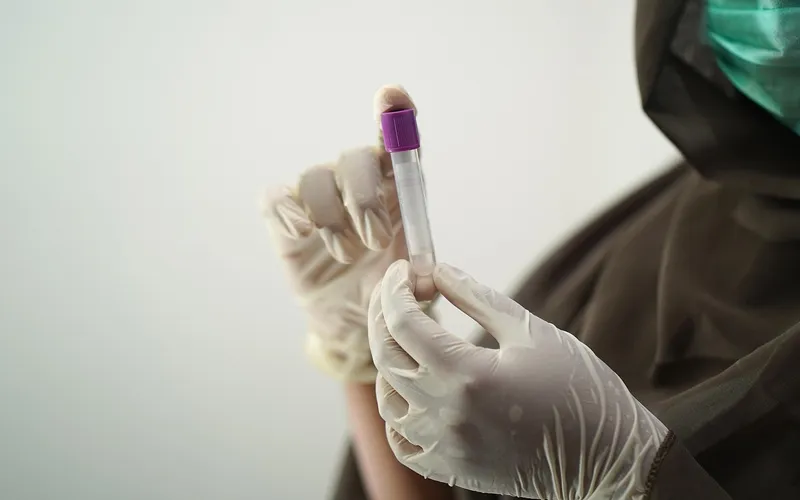
Punch biopsy is the most commonly performed skin biopsy technique, using a circular blade (punch) to obtain a cylindrical core of tissue extending through the full thickness of the skin into the subcutaneous fat. Punch biopsies are available in sizes from 2mm to 8mm, with 3mm and 4mm being the most commonly used. The technique provides a full-thickness specimen that allows evaluation of the epidermis, dermis, and subcutis, making it ideal for diagnosing inflammatory conditions, connective tissue diseases, and deep skin conditions. Small punches (3-4mm) often do not require sutures, while larger punches are closed with one or two stitches.
Shave biopsy involves using a blade to slice a superficial layer of skin, obtaining a disc-shaped specimen that includes the epidermis and upper dermis. This technique is ideal for evaluating superficial skin lesions, raised lesions, and conditions that primarily affect the upper skin layers. Shave biopsy is quick, leaves a minimal scar, and provides tissue for pathological examination. However, it does not provide full-thickness tissue and may not be suitable for conditions affecting the deep dermis or subcutis. Shave biopsy is commonly used for evaluating suspected basal cell carcinoma, seborrheic keratosis, and other superficial skin growths.
Excisional biopsy removes the entire lesion with a surrounding margin of normal skin and is used when complete removal is desired for both diagnostic and therapeutic purposes. This technique is preferred for suspected melanoma, as it provides the pathologist with the complete lesion including its deepest extent (Breslow thickness measurement) and lateral margins. Incisional biopsy, which removes a portion of a larger lesion, is used when the lesion is too large for complete excision or when excision would result in significant functional or cosmetic impairment. At Acıbadem Maslak Hospital, dermatologists select the most appropriate biopsy technique based on the clinical scenario, optimizing both diagnostic accuracy and cosmetic outcome.
- Punch biopsy — full-thickness sample for inflammatory and deep conditions
- Shave biopsy — superficial sample for epidermal and raised lesions
- Excisional biopsy — complete lesion removal for suspected melanoma
- Incisional biopsy — partial sample of large lesions
- Curettage biopsy — scraping for superficial conditions
- Direct immunofluorescence — biopsy for autoimmune blistering diseases
- Sentinel node biopsy — lymph node sampling for melanoma staging
Cost Comparison for Skin Biopsy
Skin Biopsy Cost Comparison 2025
| Procedure | USA Cost | Turkey Cost | Savings |
|---|---|---|---|
| Punch Biopsy + Pathology | $300 - $800 | $60 - $200 | Up to 78% |
| Shave Biopsy + Pathology | $200 - $600 | $50 - $150 | Up to 78% |
| Excisional Biopsy + Pathology | $500 - $1,500 | $100 - $400 | Up to 78% |
| Immunofluorescence Studies | $300 - $800 | $80 - $200 | Up to 78% |
| Special Stains Panel | $200 - $600 | $50 - $150 | Up to 78% |
| Multiple Biopsies (3+) | $800 - $2,500 | $150 - $600 | Up to 80% |
Costs include the biopsy procedure, local anesthesia, wound care, and standard pathology. Special stains and immunofluorescence are additional when clinically indicated.
Turkey offers excellent value for diagnostic dermatology, with punch biopsy including pathology at $60 to $200 and excisional biopsy at $100 to $400. For patients needing multiple biopsies or complex diagnostic workups, the savings are substantial. Acıbadem Maslak Hospital maintains a full-service dermatopathology laboratory with experienced pathologists who provide rapid turnaround times, typically five to seven business days for routine specimens. Special stains, immunohistochemistry, and direct immunofluorescence studies are available when clinically indicated, ensuring comprehensive diagnostic capability comparable to leading Western dermatopathology laboratories.
Need a skin biopsy or dermatological evaluation? Get free quotes from accredited dermatology centers with expert pathology.
Get Free QuoteDermatopathology Quality at International Centers
The quality of pathological interpretation is paramount for skin biopsy, as the accuracy of the diagnosis directly determines the appropriateness of subsequent treatment. At JCI-accredited international hospitals, dermatopathology services meet the same quality standards as leading Western laboratories. Pathologists at these centers are trained in dermatopathology subspecialty and have access to the full range of ancillary studies including immunohistochemistry, special stains, molecular testing, and direct immunofluorescence. Quality assurance measures including case review, external proficiency testing, and correlation with clinical findings ensure diagnostic accuracy.
Patients who wish to have their biopsy results reviewed by a second pathologist at home can request that tissue slides be prepared and shipped to their chosen laboratory. Most international centers accommodate this request and can prepare additional slides for international shipping. At Acıbadem Maslak Hospital, the pathology department routinely provides slides and reports in English for international patients, facilitating seamless communication with the patient's local healthcare team and enabling second-opinion consultations if desired.
Biopsy Procedure & Recovery
Skin biopsy is a quick, office-based procedure performed under local anesthesia. The area is cleansed, anesthetized with a small injection of lidocaine, and the biopsy is performed in seconds to minutes depending on the technique. Most patients experience minimal discomfort during and after the procedure, with any post-biopsy soreness easily managed with over-the-counter analgesics. A small adhesive bandage is applied, and wound care instructions are provided. The biopsy site heals within one to three weeks depending on the size and location, leaving a small scar that fades over time.
For international patients, the biopsy procedure can usually be performed during the initial consultation visit, with results available via email or secure patient portal within five to seven business days. Patients do not need to remain near the hospital while awaiting results. If the biopsy reveals a condition requiring treatment, the dermatologist can communicate recommendations remotely and, if treatment abroad is recommended, schedule a return visit for the patient's convenience. This efficient workflow allows patients to obtain a definitive diagnosis with minimal time away from home.
I had three suspicious skin lesions biopsied at the hospital in Istanbul during a two-hour visit. Results came back within a week — two benign and one requiring excision. The entire diagnostic process cost $350, compared to the $2,500 I was quoted at a US dermatology practice.
Robert G., skin biopsy patient from the US
Frequently Asked Questions
Frequently Asked Questions
How long does a skin biopsy take?
The biopsy procedure itself takes only 5-15 minutes including anesthesia. The entire visit including consultation and biopsy typically takes 30-60 minutes. Results are available within 5-7 business days for routine specimens.
Is skin biopsy painful?
The local anesthetic injection causes brief stinging for a few seconds, after which the biopsy is painless. Post-procedure soreness is mild and typically resolves within 1-2 days. Over-the-counter pain medication is usually sufficient.
Will a skin biopsy leave a scar?
All biopsies leave some degree of scarring. Punch biopsies leave a small circular scar (2-4mm). Shave biopsies leave a flat, round mark. Excisional biopsies leave a thin line scar. Most biopsy scars fade significantly within 6-12 months.
Can I get my biopsy results reviewed at home?
Yes, you can request that tissue slides be sent to a pathologist of your choice for second opinion review. Most international centers accommodate this request. Digital pathology is also emerging as an option for remote slide review.
How many biopsies can be done in one visit?
Multiple biopsies can be performed in a single visit. The number depends on the clinical indication but typically 3-5 biopsies can be done comfortably in one session. Larger numbers may be scheduled across two visits for patient comfort.