Types of Scars and Their Characteristics
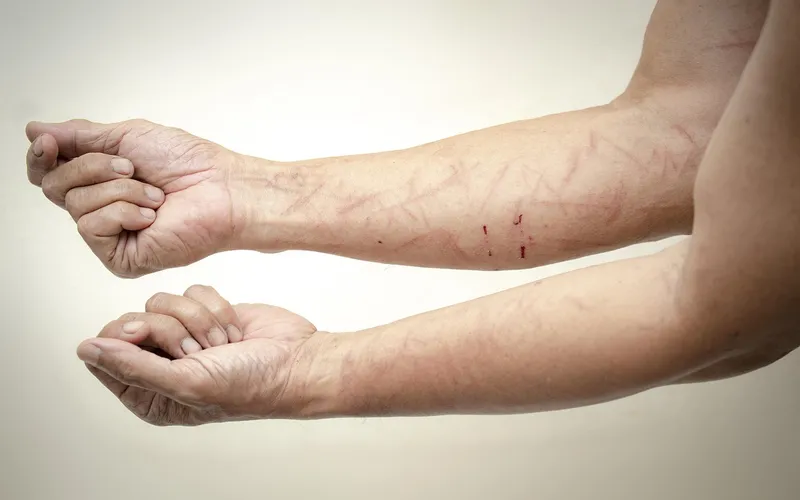
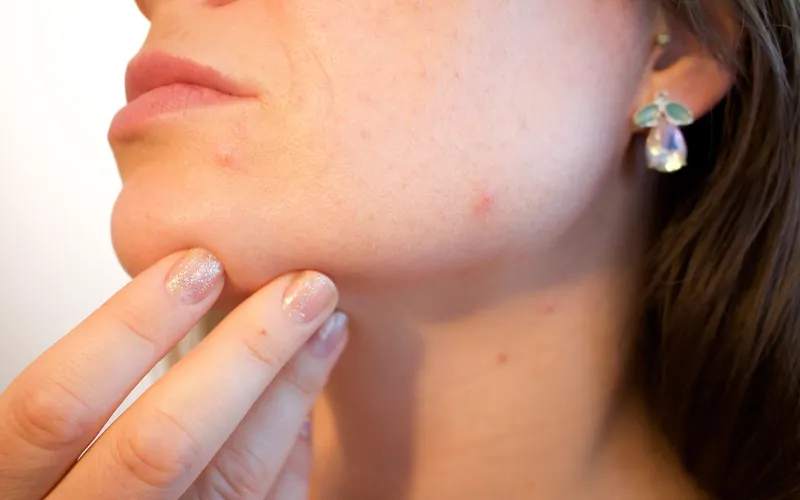
Scars are the body's natural response to wound healing, formed when the dermis (the deep, thick layer of skin) is damaged. The body creates new collagen fibers to repair the damage, but the resulting tissue differs in texture, color, and quality from the original skin. Understanding the specific type of scar is essential for selecting the most appropriate treatment approach, as different scar types respond to different treatments. Atrophic scars, which are depressed below the surrounding skin surface, include icepick scars (narrow, deep holes), boxcar scars (broader depressions with defined edges), and rolling scars (broad depressions with sloping edges). These are most commonly caused by acne, chickenpox, or surgical complications.
Hypertrophic scars are raised, firm scars that remain within the boundaries of the original wound. They typically develop within weeks of the injury and may improve naturally over months to years, though many remain permanently elevated. Keloid scars are a more aggressive form of raised scarring that extends beyond the boundaries of the original wound, sometimes growing significantly larger than the initial injury. Keloids are particularly common in individuals with darker skin tones and tend to occur on the chest, shoulders, earlobes, and upper back. Contracture scars result from burns and can tighten the skin, restrict movement, and cause functional impairment in addition to cosmetic concern.
The cost of scar treatment in the United States varies widely depending on the type, location, and extent of scarring, ranging from a few hundred dollars for simple procedures to $10,000 or more for comprehensive treatment plans involving multiple modalities. Insurance coverage for scar treatment is inconsistent, with many insurers classifying it as cosmetic unless functional impairment can be demonstrated. International dermatology centers offer the same treatment options at 50 to 78 percent lower cost, making comprehensive scar revision accessible to patients who might otherwise be unable to afford treatment. At Estethica Ataşehir Hospital in Istanbul, dermatologists and plastic surgeons collaborate to provide integrated scar treatment programs that combine the most effective modalities for each patient's specific scar type.
Scar Treatment Options
Modern scar treatment employs a range of techniques that can be used individually or in combination to achieve the best possible improvement. Fractional laser resurfacing is one of the most effective treatments for atrophic scars, working by creating thousands of microscopic treatment zones that stimulate collagen remodeling and skin renewal. Fractional CO2 laser provides the most aggressive resurfacing with the greatest improvement per session but requires several days of downtime, while fractional erbium laser offers a gentler approach with faster recovery. Multiple sessions are typically needed, spaced four to eight weeks apart, with cumulative improvement over the treatment course.
Subcision is a minor surgical procedure specifically designed for depressed scars, particularly rolling acne scars and bound-down surgical scars. A needle or small blade is inserted beneath the scar to release the fibrous bands tethering the skin to the underlying tissue, allowing the depressed scar to lift. Subcision is often combined with dermal filler injection to provide additional volume under the released scar, or with fractional laser treatment to improve the surface texture. At centers like Acıbadem Maslak Hospital, dermatologists perform subcision with precision, often under high-magnification visualization, to ensure effective release of tethered scars while minimizing bruising and complications.
Microneedling with radiofrequency energy combines the collagen-stimulating effects of microneedling with the tissue-tightening and remodeling effects of radiofrequency energy. This technique is particularly effective for acne scars and is suitable for all skin types, including darker skin tones that carry a higher risk of hyperpigmentation with laser treatments. Chemical peels using trichloroacetic acid or glycolic acid provide another option for superficial scarring and post-inflammatory hyperpigmentation. PRP (platelet-rich plasma) therapy, which involves injecting concentrated growth factors from the patient's own blood, can enhance the results of other scar treatments by promoting tissue healing and collagen production.
- Fractional CO2 laser — aggressive resurfacing for deep atrophic scars
- Fractional erbium laser — gentler resurfacing with less downtime
- Subcision — release of tethered depressed scars
- Dermal fillers — volume replacement under depressed scars
- Microneedling RF — collagen stimulation for all skin types
- Chemical peels — surface improvement for superficial scarring
- PRP therapy — growth factor enhancement for tissue healing
- Surgical revision — excision and re-closure for linear scars
- Steroid injection — flattening of hypertrophic and keloid scars
- Silicone sheets/gel — compression therapy for raised scars
Cost Comparison for Scar Treatment
Scar Revision Cost Comparison 2025
| Treatment | USA Cost | Turkey Cost | Savings |
|---|---|---|---|
| Fractional CO2 Laser (session) | $1,000 - $3,000 | $300 - $800 | Up to 75% |
| Fractional Erbium Laser (session) | $800 - $2,500 | $250 - $700 | Up to 72% |
| Surgical Scar Revision | $2,000 - $8,000 | $500 - $2,000 | Up to 78% |
| Subcision + Filler | $500 - $2,000 | $150 - $500 | Up to 78% |
| Microneedling RF (session) | $500 - $1,500 | $150 - $400 | Up to 75% |
| Chemical Peel (session) | $200 - $800 | $60 - $200 | Up to 78% |
| PRP Therapy (session) | $500 - $1,500 | $150 - $400 | Up to 75% |
Multiple sessions are typically needed for optimal results. Combination approaches yield the best outcomes. Acne scar treatment often requires 3-6 sessions.
Turkey offers exceptional value for scar revision, with fractional CO2 laser sessions at $300 to $800 and comprehensive acne scar treatment programs at $1,000 to $3,000 for a full course. Estethica Ataşehir Hospital specializes in combining medical dermatology with aesthetic treatments, making it an ideal choice for scar revision that requires both medical expertise and cosmetic finesse. Acıbadem Maslak Hospital provides advanced fractional laser and surgical scar revision capabilities within its comprehensive dermatology department. The Klinik Stephanshorn in Switzerland offers a European option for patients seeking premium scar treatment in a luxury healthcare setting.
Ready to improve your scars? Get free quotes from dermatology centers specializing in advanced scar revision.
Get Free QuoteLaser Scar Treatments in Detail
Fractional CO2 laser resurfacing is the most powerful laser treatment for atrophic scars, delivering columns of thermal energy deep into the dermis to trigger significant collagen remodeling. Each treatment session typically improves atrophic scars by 15 to 25 percent, with most patients requiring three to five sessions for optimal results. The treatment creates a controlled wound healing response that replaces the disorganized scar collagen with more normal collagen architecture, improving both the texture and depth of depressed scars. At international laser centers, the same FDA-cleared laser devices used in US practices are available, including platforms from Lumenis, Alma, Syneron-Candela, and other leading manufacturers.
Pulsed dye laser is the treatment of choice for red and pink scars, including hypertrophic scars, surgical scars, and early keloids. The 595nm wavelength targets the dilated blood vessels within the scar tissue, reducing redness and also promoting scar remodeling through modification of the wound healing process. Multiple sessions spaced four to eight weeks apart achieve progressive improvement in both the color and texture of treated scars. For patients with extensive scarring requiring multiple treatment modalities, international centers like Acıbadem Taksim Hospital offer comprehensive treatment programs that combine different laser wavelengths, energy devices, and adjunctive treatments in a coordinated plan designed to maximize improvement while minimizing downtime.
Surgical Scar Revision
Surgical scar revision is appropriate for wide, irregular, or poorly healed scars that cannot be adequately improved with non-surgical techniques alone. The procedure involves excising the old scar and re-closing the wound using advanced surgical techniques that optimize healing conditions. These techniques include orienting the new incision along natural skin tension lines, using layered closure to minimize wound tension, employing meticulous suture technique, and selecting the most appropriate closure method for each situation including primary closure, Z-plasty, W-plasty, or local flap reconstruction.
Z-plasty and W-plasty are geometric scar revision techniques that break up a straight scar into a series of smaller, less conspicuous segments that better align with natural skin lines and are less visible. Z-plasty also has the functional advantage of lengthening contracted scars, making it valuable for scars that restrict movement. Tissue expansion, which uses a balloon-like device implanted under the skin to gradually stretch healthy tissue, can provide additional skin for revision of large scars. These advanced surgical techniques are available at international hospitals like Acıbadem Maslak Hospital, where plastic surgeons with extensive scar revision experience can evaluate each case and recommend the optimal combination of surgical and non-surgical treatments.
Recovery & Expected Results
Recovery from scar revision depends on the specific treatment modality used. Non-surgical treatments like microneedling and chemical peels have minimal downtime of one to three days. Fractional erbium laser requires three to five days of visible redness and peeling. Fractional CO2 laser involves seven to ten days of more significant redness, swelling, and crusting. Surgical scar revision requires suture removal at one to two weeks and progressive scar maturation over six to twelve months. During all recovery periods, strict sun protection is essential to prevent post-inflammatory hyperpigmentation that could compromise treatment results.
Setting realistic expectations for scar treatment outcomes is important for patient satisfaction. No treatment can completely eliminate scars and restore the skin to its pre-injury state, but significant improvement in scar appearance is achievable for most patients. Atrophic acne scars can typically be improved by 50 to 80 percent with a comprehensive treatment plan involving multiple sessions and combined modalities. Hypertrophic and keloid scars can be significantly flattened and softened, though keloids have a tendency to recur. Red and pigmented scars respond well to laser treatment, often achieving 80 to 90 percent color improvement. The best results are achieved when treatment is planned and executed by experienced dermatologists who can select and combine the most appropriate techniques for each patient's specific scar characteristics.
Years of acne left me with severe scarring. Five sessions of fractional CO2 laser combined with subcision and PRP in Istanbul improved my scars dramatically — about 70 percent better. The total treatment cost was under $3,000, compared to the $15,000 I was quoted at a US clinic.
Daniel K., acne scar patient from the US
Frequently Asked Questions
Frequently Asked Questions
How many sessions do I need for acne scar treatment?
Most acne scar patients need 3-6 sessions of fractional laser spaced 4-8 weeks apart for optimal results. The exact number depends on scar severity, type, and the specific laser used. Combination approaches may reduce the total number of sessions needed.
Can I have scar treatment on darker skin?
Yes, but treatment must be adapted for darker skin tones to avoid hyperpigmentation. Microneedling RF and certain erbium laser settings are safer for darker skin than CO2 laser. An experienced dermatologist will select appropriate parameters for your skin type.
How long should I stay abroad for scar treatment?
For a single laser session, 3-5 days including recovery. For a complete treatment course of multiple sessions, plan for 3-6 months with monthly visits, or arrange 2-3 concentrated trips. Some patients combine multiple treatment sessions in a single longer stay.
Will scar treatment results be permanent?
Yes, improvements from scar treatment are generally permanent because they involve actual tissue remodeling and collagen restructuring. However, aging and sun damage can affect skin quality over time. Keloid scars have a recurrence risk even after successful treatment.
At what age can scar treatment begin?
Most scar treatments are suitable for patients 18 and older. Active acne should be controlled before starting acne scar treatment. For surgical scars, revision is typically performed after the scar has fully matured (12-18 months after the original injury).