What Is Phototherapy?
Medical phototherapy is the therapeutic use of specific wavelengths of ultraviolet light to treat various skin conditions. This evidence-based treatment modality has been used for over a century and remains one of the most effective and safest interventions in dermatology. Modern phototherapy devices deliver precisely controlled doses of ultraviolet radiation to the skin, targeting the specific wavelengths that produce therapeutic effects while minimizing unnecessary exposure. The mechanisms of action include suppression of overactive immune cells in the skin, reduction of inflammatory cytokine production, slowing of excessive skin cell proliferation, and stimulation of melanocyte function for repigmentation in conditions like vitiligo.
Phototherapy is particularly well-suited to medical tourism because treatment courses typically involve frequent sessions over several weeks — a schedule that is difficult and expensive to maintain through repeated visits to a domestic dermatologist's office. International dermatology centers offer intensive phototherapy programs with daily or near-daily sessions, allowing patients to complete a meaningful treatment course during a four to six week stay abroad at a fraction of the domestic cost. Centers like Acıbadem Maslak Hospital maintain modern phototherapy units including full-body cabinets, hand and foot units, and targeted excimer laser devices, providing the full range of phototherapy options for international patients.
The cost of phototherapy in the United States is a significant barrier for many patients, with individual sessions costing $100 to $300 and complete treatment courses (typically 24 to 36 sessions) totaling $3,000 to $8,000. Many insurance plans cover phototherapy, but copayments, deductibles, and limitations on the number of covered sessions can still leave patients with substantial out-of-pocket costs. Additionally, the need for two to three clinic visits per week over several months requires significant time commitment and transportation costs. International phototherapy programs offer the same treatment at 60 to 80 percent lower cost, with the added advantage of intensive scheduling that completes the treatment course in weeks rather than months.
Types of Phototherapy
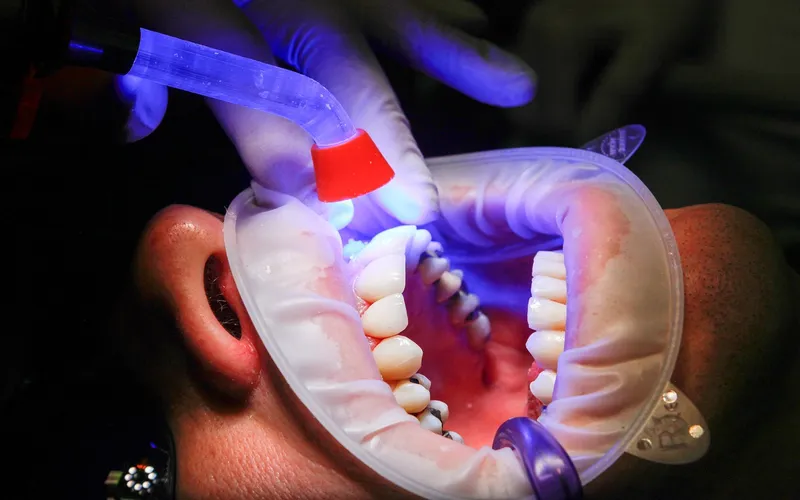
Narrowband UVB phototherapy at a wavelength of 311-313nm is the most widely used and evidence-supported form of medical phototherapy. NB-UVB has become the first-line phototherapy for most dermatological conditions because it provides excellent therapeutic efficacy with a favorable safety profile, avoiding the DNA-damaging wavelengths of broadband UVB while maximizing the immunomodulatory and anti-proliferative effects. Treatment is delivered using full-body light cabinets for widespread disease or targeted hand-foot units for localized conditions. Starting doses are determined by the patient's skin type and adjusted progressively based on response and tolerance. A typical treatment course involves two to three sessions per week for ten to twelve weeks.
PUVA (psoralen plus ultraviolet A) therapy combines the photosensitizing drug psoralen with UVA exposure to achieve deeper penetration and stronger effects than UVB alone. Psoralen is taken orally one to two hours before UVA exposure or applied topically to affected areas. PUVA is more effective than NB-UVB for certain conditions including thick plaque psoriasis and mycosis fungoides (cutaneous T-cell lymphoma) but carries a higher risk of long-term side effects including skin aging and increased skin cancer risk with cumulative exposure. For this reason, PUVA is typically reserved for conditions that do not respond to NB-UVB therapy.
Excimer laser delivers targeted 308nm UVB light to individual skin lesions without exposing surrounding normal skin. This precision makes it ideal for treating localized conditions including limited psoriasis plaques, vitiligo patches, and alopecia areata. Treatment sessions are brief, often lasting only a few minutes, and higher doses can be used compared to full-body phototherapy because only affected skin is treated. Photodynamic therapy combines a topical photosensitizing agent with red or blue light exposure and is primarily used for actinic keratoses (pre-cancerous skin lesions), superficial skin cancers, and inflammatory acne. At Estethica Ataşehir Hospital, all these phototherapy modalities are available, allowing dermatologists to select the optimal treatment for each patient's specific condition.
- NB-UVB (311nm) — first-line phototherapy for most conditions
- BB-UVB (280-320nm) — older broadband UV therapy, less commonly used
- PUVA — psoralen + UVA for thick plaques and cutaneous lymphoma
- Excimer laser (308nm) — targeted treatment for localized disease
- UVA1 — deep-penetrating UVA for scleroderma and atopic dermatitis
- PDT — photodynamic therapy for actinic keratoses and superficial cancers
- Blue light — for acne and photodynamic therapy activation
- Combination (NB-UVB + topicals) — enhanced efficacy protocols
Cost Comparison for Phototherapy
Phototherapy Cost Comparison 2025
| Treatment | USA Cost (per session) | Turkey (per session) | Savings |
|---|---|---|---|
| NB-UVB Full Body | $100 - $200 | $25 - $50 | Up to 78% |
| NB-UVB Course (30 sessions) | $3,000 - $6,000 | $700 - $1,500 | Up to 78% |
| PUVA Therapy (per session) | $150 - $300 | $40 - $80 | Up to 75% |
| Excimer Laser (per session) | $200 - $500 | $50 - $120 | Up to 78% |
| PDT (per session) | $300 - $800 | $80 - $200 | Up to 78% |
| Intensive 4-week Course | $2,500 - $6,000 | $600 - $1,500 | Up to 78% |
Intensive courses abroad may include daily or near-daily sessions. Standard courses are 2-3 sessions per week for 10-12 weeks.
The cost advantage of phototherapy abroad is particularly compelling when the treatment course is considered as a whole. A complete 30-session NB-UVB course costs $700 to $1,500 in Turkey compared to $3,000 to $6,000 in the US. An intensive four-week program with daily treatments costs $600 to $1,500 in Turkey, including all sessions and dermatological supervision. Even including round-trip airfare and accommodation, the total cost of a phototherapy trip to Turkey is typically less than half the cost of the treatment course alone in the United States. Acıbadem Maslak Hospital offers comprehensive phototherapy programs tailored to international patients, with flexible scheduling and combined treatment protocols.
Need phototherapy for your skin condition? Get free quotes from dermatology centers offering intensive phototherapy programs.
Get Free QuoteConditions Treated with Phototherapy
Psoriasis is the most common indication for phototherapy, with NB-UVB achieving clearance or near-clearance in 60 to 80 percent of patients after a complete treatment course. Phototherapy is recommended for patients with moderate to severe psoriasis affecting more than 5 to 10 percent of body surface area, or for patients who prefer to avoid systemic medications. Atopic dermatitis also responds well to NB-UVB, with significant reduction in itch, inflammation, and disease extent. Phototherapy is particularly useful for eczema patients who have failed topical therapy but wish to avoid or delay systemic immunosuppression.
Vitiligo treatment with NB-UVB stimulates the remaining melanocytes to proliferate and repigment the affected areas. Treatment courses for vitiligo are typically longer than for psoriasis, with six to twelve months of consistent therapy recommended for optimal results. Facial and trunk vitiligo responds best, with repigmentation rates of 50 to 80 percent. Other conditions effectively treated with phototherapy include mycosis fungoides (the most common cutaneous T-cell lymphoma), morphea (localized scleroderma), pityriasis rosea, pruritus of various causes, and polymorphous light eruption.
Getting Phototherapy Treatment Abroad
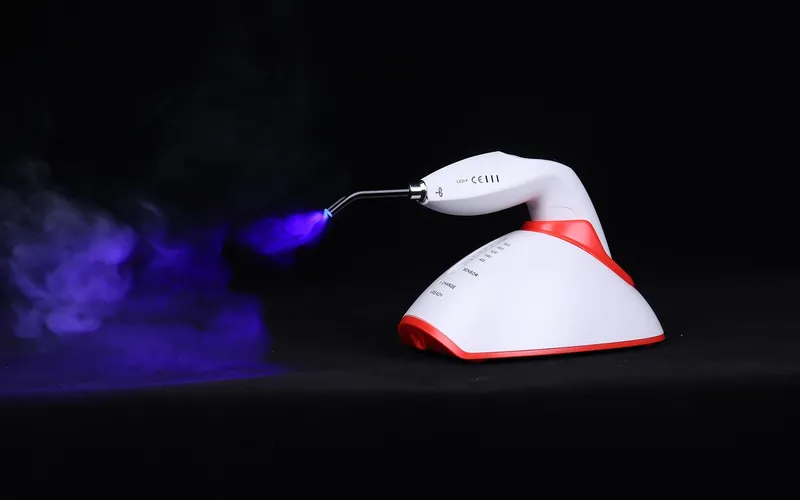
International phototherapy programs are particularly well-suited to medical tourism because they offer intensive treatment schedules that achieve the same results as standard domestic programs in a fraction of the time. Instead of visiting a dermatologist two to three times per week for three to four months, international patients can receive daily treatments over four to six weeks, completing 20 to 30 sessions in a concentrated period. This intensive approach is not only more convenient but has been shown in studies to be equally or more effective than standard scheduling, as the anti-inflammatory effects of phototherapy are maximized when treatments are delivered on consecutive or near-consecutive days.
When planning a phototherapy trip abroad, patients should bring a letter from their current dermatologist documenting the diagnosis, previous treatments, and any relevant medical history. This information helps the international dermatologist develop an appropriate starting dose and treatment protocol. At Acıbadem Maslak Hospital, phototherapy sessions are supervised by dermatologists who assess skin response and adjust UV doses at each session to ensure optimal efficacy while minimizing the risk of overexposure. Patients receive a treatment summary documenting total UV doses, treatment response, and recommendations for maintenance therapy that can be shared with their local dermatologist for ongoing management.
A 4-week intensive NB-UVB program in Istanbul cleared my psoriasis by 80 percent. The daily sessions were convenient, the results were dramatic, and the total cost including my hotel was less than what 10 sessions would have cost at home. The dermatology team monitored my progress carefully throughout.
Andrew P., psoriasis patient from the UK
Frequently Asked Questions
Frequently Asked Questions
How many phototherapy sessions do I need?
A typical complete course is 24-36 sessions. For psoriasis, significant improvement is usually seen after 15-20 sessions. For vitiligo, longer courses of 48-72 sessions may be needed. The exact number depends on your condition, severity, and response to treatment.
Is phototherapy safe long-term?
NB-UVB has an excellent long-term safety profile with no proven increase in skin cancer risk at therapeutic doses. PUVA carries a slightly higher long-term risk and cumulative dose limits are recommended. Your dermatologist will track your cumulative UV exposure and adjust treatment accordingly.
Can I do phototherapy at home?
Home phototherapy units are available and can be prescribed by your dermatologist. However, initial treatment should be supervised in a clinical setting to establish appropriate doses. Home units are useful for maintenance therapy after completing a clinical treatment course.
Does phototherapy hurt?
No, phototherapy is painless. You stand in a light cabinet or have targeted treatment for a few seconds to minutes. Mild warmth or tingling may be felt. The most common side effect is mild redness similar to a light sunburn, which resolves within 24 hours.
Can I combine phototherapy with my current medications?
Phototherapy can be combined with many topical and systemic treatments for enhanced efficacy. However, some medications increase sun sensitivity and may need adjustment. Inform your phototherapy dermatologist about all medications you take, including over-the-counter supplements.