Is Dental Tourism Really Safe?
The safety of dental tourism depends almost entirely on the clinic and dentist you choose — just as it does at home. Studies published in the Journal of Dental Research show that complication rates at JCI-accredited international hospitals like American Hospital Istanbul are comparable to those in the US and UK. The key is doing your homework and choosing wisely.
Millions of patients travel abroad for dental care every year, and the vast majority have positive experiences. A 2024 survey of dental tourism patients found that 94% would recommend the experience to others, and 89% rated their care as 'excellent' or 'very good.' However, problems do occur when patients choose clinics based solely on price without verifying credentials.
Understanding Clinic Accreditation
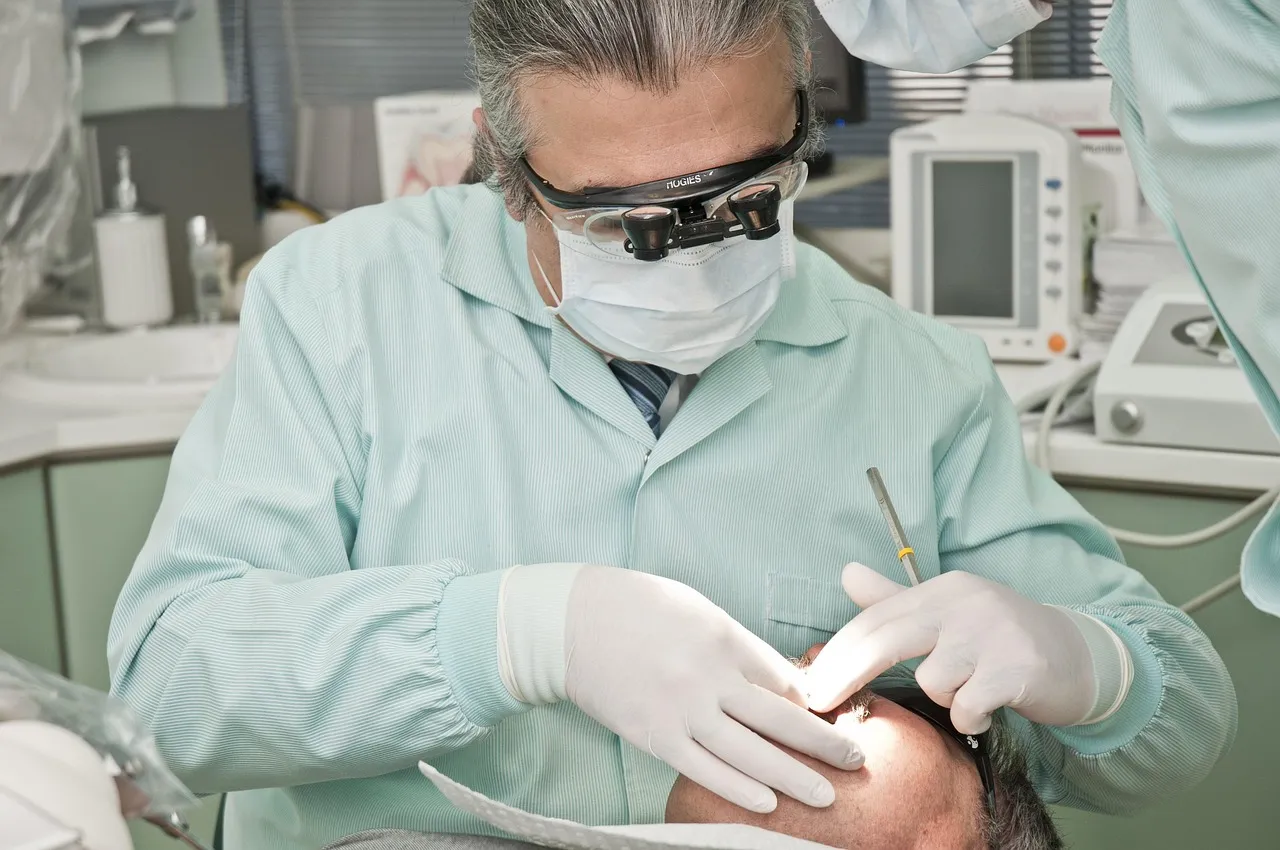
Accreditation is your most powerful tool for assessing clinic quality. JCI (Joint Commission International) accreditation is the gold standard — hospitals like Liv Hospital Istanbul that hold this certification meet over 1,000 quality and patient safety standards, with rigorous on-site inspections every three years. Only about 5% of hospitals worldwide achieve JCI accreditation.
Accreditation Standards Comparison
| Accreditation | Recognized In | Criteria Count | Renewal |
|---|---|---|---|
| JCI (Joint Commission Int'l) | Worldwide | 1,000+ standards | Every 3 years |
| ISO 9001:2015 | Worldwide | Quality management | Every 3 years |
| TEMOS | Europe & Middle East | Healthcare tourism | Every 3 years |
| GCR (Global Clinic Rating) | Worldwide | Online transparency | Continuous |
| NABH (India) | India & Middle East | 600+ standards | Every 3 years |
| TÜV (Germany) | Europe | Technical safety | Annual |
JCI accreditation is considered the gold standard for international healthcare quality and patient safety.
Verifying Dentist Qualifications
Beyond clinic accreditation, verify the qualifications of the specific dentist who will perform your treatment. Key credentials to look for include fellowship in international professional organizations (ITI, ICOI for implants; AACD for cosmetics), postgraduate specialization in the relevant field, and years of experience with your specific procedure.
- Check the dentist's profile on the clinic website for education and training history
- Look for memberships in international dental organizations (ITI, ICOI, AACD, EAO)
- Ask how many similar procedures they perform annually (experience matters)
- Request to see their portfolio of before/after cases similar to yours
- Verify any claimed international training or certifications
- Look for published research or conference presentations (indicates expertise)
Real Risks & How to Mitigate Them
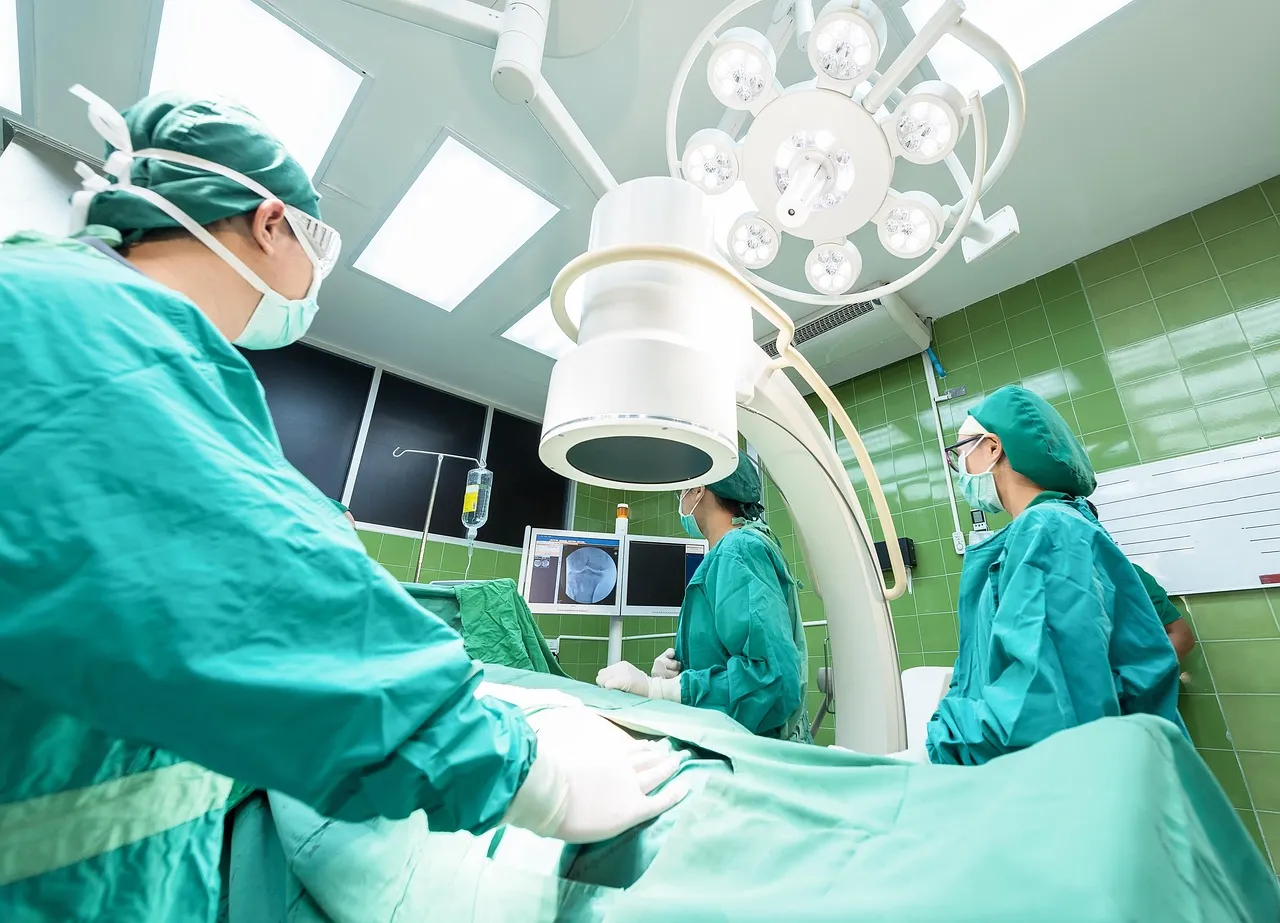
The primary risks of dental tourism include inadequate follow-up care after returning home, communication barriers, lower legal protections than in your home country, and the physical stress of combining dental procedures with long-distance travel. However, each of these risks can be effectively managed with proper planning, especially when choosing established clinics like Tantalya Dental Clinic.
- Follow-up Risk: Choose clinics that offer remote post-treatment support and provide comprehensive documentation for your home dentist
- Communication Risk: Select clinics with English-speaking staff and patient coordinators. Request a video consultation before booking
- Legal Risk: Choose clinics in countries with established medical tourism regulations (Turkey, Thailand, Hungary have strong frameworks)
- Travel Risk: Allow adequate recovery time before flying. Don't schedule your return flight for the day after a major procedure
- Quality Risk: Stick to JCI/ISO accredited clinics that use premium, internationally recognized materials and implant brands
Your Safety Checklist
- Verify JCI or ISO accreditation on the official accreditation website
- Check the specific dentist's qualifications and experience
- Read reviews on independent platforms (Google, Trustpilot) — not just the clinic's website
- Ask which brands/materials they use (should be internationally recognized)
- Request a detailed treatment plan in writing before committing
- Confirm warranty terms and what they cover
- Ask about their infection control protocols and sterilization procedures
- Ensure they provide complete post-treatment documentation
- Verify they offer remote follow-up consultations
- Purchase travel medical insurance that covers dental complications
Red Flags to Watch For
- Prices that seem too good to be true (significantly below market averages)
- No verifiable accreditation or credentials
- Pressure to book immediately or pay a large deposit upfront
- Unwillingness to provide a detailed treatment plan before booking
- No before/after photos or patient testimonials available
- Poor or no online reviews on independent platforms
- Clinic only communicates through social media (no professional website)
- No warranty offered on treatments
- Refusal to share the specific dentist's qualifications
- Promises of 'painless' procedures or guaranteed outcomes
Browse only verified, accredited dental clinics on Flytocure. Every clinic is vetted for quality, safety, and patient satisfaction.
Browse Verified ClinicsFrequently Asked Questions
Frequently Asked Questions
What is the success rate of dental procedures abroad?
At JCI-accredited clinics, success rates for common dental procedures (implants, veneers, crowns) are comparable to US/UK rates — typically 95-98% for dental implants. The key is choosing a qualified clinic and following post-treatment care instructions.
What happens if something goes wrong after I return home?
Reputable clinics provide comprehensive treatment documentation, remote follow-up consultations, and warranties that cover revisions. Some even have partnerships with dentists in your home country. Travel dental insurance can cover emergency complications.
Should I get travel insurance for dental tourism?
Absolutely. Purchase travel insurance that specifically covers medical/dental complications. Many policies now offer dental tourism add-ons. This is an inexpensive safety net (typically $50-$100) that provides significant peace of mind.
How do I verify a clinic's accreditation?
Visit the accrediting body's official website: JCI at qualitycheck.jointcommissioninternational.org, ISO through your country's ISO member body. Never rely solely on a clinic's claim — always verify independently.