Understanding Thigh Lift Surgery
Thigh lift surgery (thighplasty) surgically removes excess skin from the thighs, addressing the loose, hanging skin that develops after significant weight loss, major fluctuations in body weight, or natural aging processes that reduce skin elasticity. The most common area treated is the inner thigh — the medial aspect — where skin becomes loose and hangs, causing thighs to rub together (leading to chafing, rashes, and skin breakdown), limiting clothing choices, and creating significant self-consciousness during exercise or intimacy. Outer thigh laxity, which affects the lateral and posterior thigh, is typically addressed as part of a lower body lift procedure rather than an isolated outer thigh lift.
The procedure is most commonly sought by three groups: patients who have lost 50–100+ lbs through bariatric surgery or major lifestyle change and have significant inner thigh skin redundancy; women in their 40s–60s experiencing gradual age-related skin laxity in the inner thigh area despite maintaining body weight; and patients who have lost significant inner thigh volume through liposuction, leaving skin that was previously supported by fat now hanging without support. All three groups can achieve dramatic, lasting improvement through appropriately planned thighplasty, addressing functional problems (chafing, skin breakdown) alongside the aesthetic improvement.
The degree of skin excess determines the appropriate surgical approach. Mild to moderate inner thigh laxity limited to the upper third of the thigh is best addressed with a crescentic (crescent-shaped) excision at the groin crease, with the resulting scar hidden in the natural skin fold of the groin. Moderate-to-severe laxity extending to the mid and lower thigh requires a vertical incision along the inner thigh to remove the full extent of excess skin — trading a more visible scar for a more complete correction. Experienced surgeons at centers like Vanity Cosmetic Surgery Hospital in Istanbul perform thorough preoperative planning to determine which approach will produce the optimal result for each patient's specific anatomy and goals.
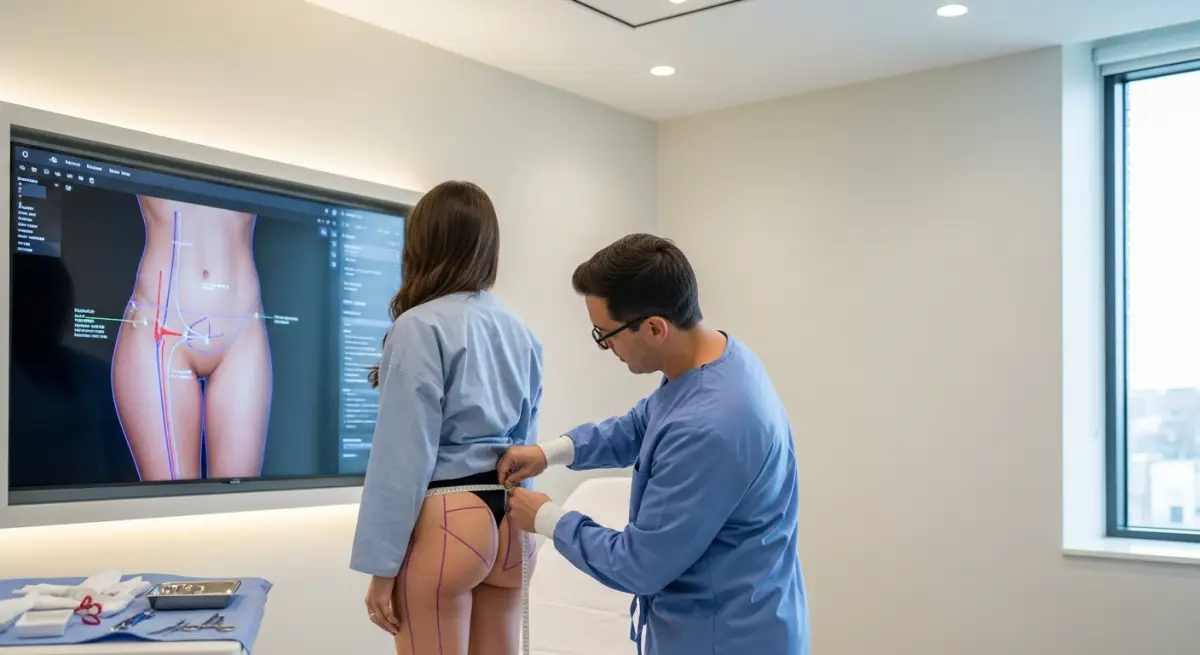
Inner vs. Outer Thigh Lift Techniques
The medial (inner) thigh lift uses an incision along the groin crease extending to the buttock fold when needed. The skin excision removes the excess in an elliptical or crescent shape, lifting and tightening the inner thigh. For extensive correction, the vertical component extends the incision along the inner aspect of the thigh toward the knee, addressing the full length of excess skin. The anchorage suture technique — securing the dermal tissue to Colles' fascia (a strong fascial layer of the perineum) — prevents the scar from migrating downward over time, which was a significant problem with earlier techniques.
Liposuction is frequently combined with thigh lift to address areas of combined fatty excess and skin laxity. In the posterior thigh, liposuction addresses the 'banana roll' of fat beneath the buttock crease without skin excision. Radiofrequency-assisted liposuction (BodyTite) provides some skin tightening benefit for mild inner thigh laxity, avoiding surgical excision in well-selected patients. However, for significant skin redundancy — particularly post-bariatric patients — energy-based devices alone cannot achieve the degree of tightening that surgical excision provides.
Cost Comparison by Country
Thigh Lift Surgery Cost Comparison 2025
| Country | Inner Thigh Lift | Extended Thigh Lift | Savings vs USA |
|---|---|---|---|
| USA | $5,500 – $8,000 | $7,500 – $10,500 | — |
| Turkey | $2,200 – $3,500 | $3,200 – $4,800 | Up to 60% |
| India | $1,800 – $3,000 | $2,800 – $4,200 | Up to 65% |
| Thailand | $2,500 – $4,000 | $3,500 – $5,500 | Up to 55% |
| Spain | $3,500 – $5,000 | $4,800 – $7,000 | Up to 40% |
| Czech Republic | $3,000 – $4,500 | $4,000 – $6,000 | Up to 45% |
Prices include surgeon, anesthesia, facility costs, 1–2 night stay if needed, compression garment, and standard aftercare. Bilateral treatment (both legs) is included.
Turkey is the most sought-after destination for thigh lift surgery in the medical tourism market, with Istanbul's plastic surgery clinics offering bilateral thigh lift for $2,200–$4,800 — approximately 55–65% below US market rates. The Turkish plastic surgery ecosystem supports highly experienced surgeons who perform body contouring procedures at a volume that drives technical excellence. Coordination services — including hotel with accessible shower, compression garment supply, and daily wound monitoring during recovery — are well-developed for international patients in Istanbul.
Recovery & Rehabilitation
Thigh lift recovery requires careful attention to positioning and early mobility. Patients wear compression garments for 6 weeks and must avoid spreading their legs (adducting) during the first 3–4 weeks to avoid tension on inner thigh incisions. Walking is encouraged from day 1 — short, slow walks to prevent DVT — but stair climbing and wide-stride activity should be minimized. Most patients can sit comfortably and work at a desk by 7–10 days. Driving is restricted for 2–3 weeks (depressing the clutch or brake requires thigh movement). Full lower body exercise — including running, cycling, and swimming — resumes at 8 weeks when incisions are fully healed and the healing tissue has adequate tensile strength.
For international patients, a minimum 8-day stay is recommended: Day 1 (consultation and pre-operative tests), Day 2 (surgery), Days 3–5 (hotel recovery with daily wound monitoring), Day 6 (drain removal if applicable), Days 7–8 (wound assessment and flight clearance). Hotel accommodation should be selected carefully — easy bathroom access, a walk-in shower or accessible shower bench, and absence of steep stairs. A companion is strongly recommended to assist with daily activities, wound care, and dressing management during the early recovery phase.

Scar Placement & Management
The groin crease scar (from short-scar techniques) is hidden within the natural skin fold of the groin-thigh junction and is not visible when standing or walking with legs together. The vertical inner thigh scar (from extended techniques) runs along the inner thigh and is visible when legs are spread or when wearing certain swimwear. The choice between these approaches depends on the extent of correction needed — patients with severe laxity requiring a vertical scar should understand this trade-off clearly before deciding. Active scar management with silicone products, starting at 6 weeks when incisions are fully closed, significantly improves long-term scar appearance.
Take the next step toward comfortable, confident legs. Get a personalized thigh lift consultation and quote from accredited surgeons abroad.
Get My Thigh Lift QuoteFrequently Asked Questions
Is thigh lift painful?
The procedure is performed under general anesthesia, so there is no intraoperative pain. Post-operative discomfort is typically described as moderate tightness and soreness rather than sharp pain, well-controlled with oral pain medication for the first 5–7 days. Many patients are surprised at how manageable the pain is. The area of greatest discomfort is near the groin incision when changing positions from sitting to standing in the first week. By day 7–10, most patients are comfortable with regular over-the-counter analgesics.
Will thigh lift help with chafing between my thighs?
Yes — resolving thigh chafing is one of the most commonly cited functional benefits of inner thigh lift. Once the excess skin that causes thighs to rub is removed and the inner thigh contour is lifted and tightened, the friction zone between the thighs is eliminated or greatly reduced. This dramatically improves comfort during walking, running, and daily activities, and prevents the rashes, skin breakdown, and infections that develop in chronic friction zones. Many patients report this functional benefit as at least as significant as the aesthetic improvement.
Can thigh lift be combined with a tummy tuck?
Yes, thigh lift is commonly combined with tummy tuck and other body contouring procedures in a staged operative program after major weight loss. Combining them in a single operative session is possible if the total anesthesia time is kept within 6–8 hours and the patient is medically cleared. More extensive combinations — particularly including lower body lift — are typically staged 3–6 months apart to allow full recovery and optimize surgical safety.
How do I prepare nutritionally for thigh lift surgery?
Nutritional optimization significantly impacts healing outcomes. In the 4–6 weeks before surgery: ensure protein intake is at least 1.2–1.5g per kg body weight daily (protein is the primary building block for wound healing); confirm vitamin C, zinc, and iron levels are within normal range (all critical for collagen synthesis and immune function); stop smoking at minimum 4 weeks before surgery (smoking dramatically impairs wound healing); discontinue blood-thinning supplements including fish oil, vitamin E, and aspirin unless medically necessary.
When can I fly after thigh lift surgery?
Most surgeons clear patients for flight at 7–10 days after thigh lift. For long-haul flights over 6 hours, waiting 10–14 days is advisable. During the flight, compression stockings are essential (in addition to the compression garment already worn on the thighs), and passengers should walk the aisle every 1–2 hours to reduce DVT risk. Aisle seating is important as this allows easier movement without disturbing other passengers.