What Is Fat Transfer Surgery?
Autologous fat grafting — popularly called fat transfer — is a surgical technique that harvests adipose (fat) tissue from areas where it is unwanted (typically the abdomen, flanks, inner thighs, or knees) via specialized liposuction, processes the harvested fat to remove blood, oil, and damaged cells, and reinjites the purified, living fat cells into areas that would benefit from additional volume. Because the transferred material is the patient's own biological tissue rather than a synthetic implant, the body accepts it naturally without immune reaction, and the result feels entirely natural to the touch. The procedure is simultaneously body-sculpting (at the donor site) and augmenting (at the recipient site) — making it one of the most versatile tools in modern aesthetic surgery.
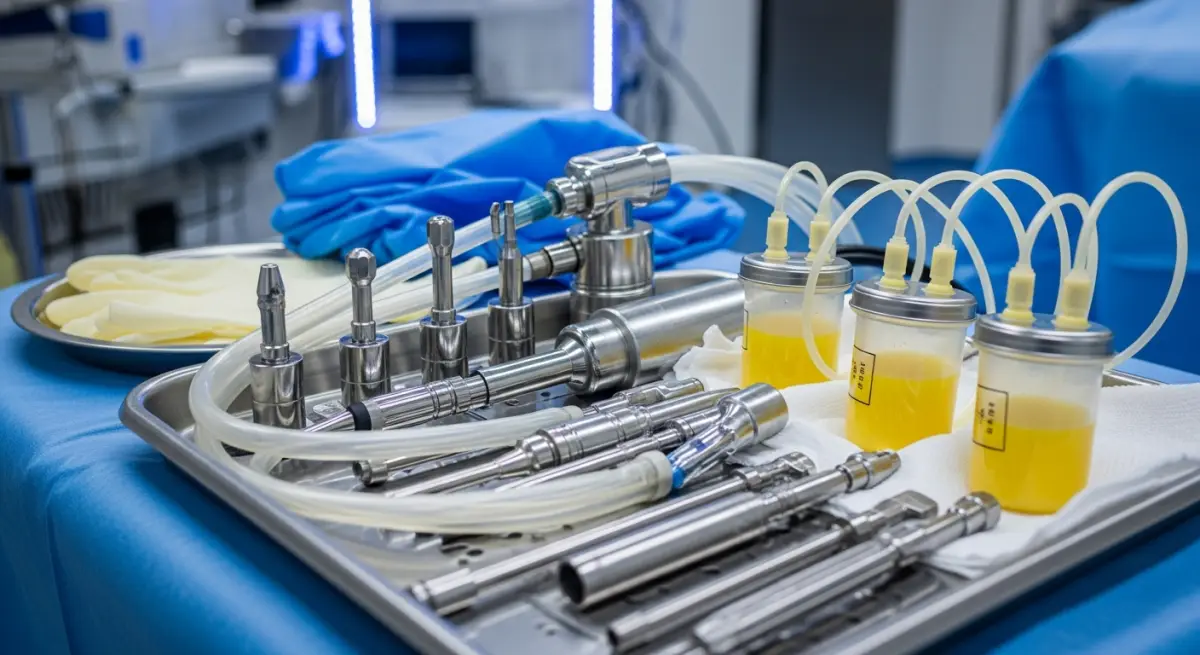
The concept is not new — surgeons first experimented with fat grafting in the 1890s — but modern fat transfer has been transformed by two critical advances: micro-fat injection techniques that deliver fat in extremely small droplets (maximizing the contact of each fat cell with surrounding vascular tissue for blood supply and survival), and stromal vascular fraction (SVF) processing that concentrates regenerative stem cells within the fat to improve graft take. The latest generation of nano-fat and microfat techniques, combined with Viafill and Lipogems closed-system processing equipment, achieve graft survival rates of 60–80% at experienced centers — significantly higher than older techniques that relied on simple syringe-based transfer.
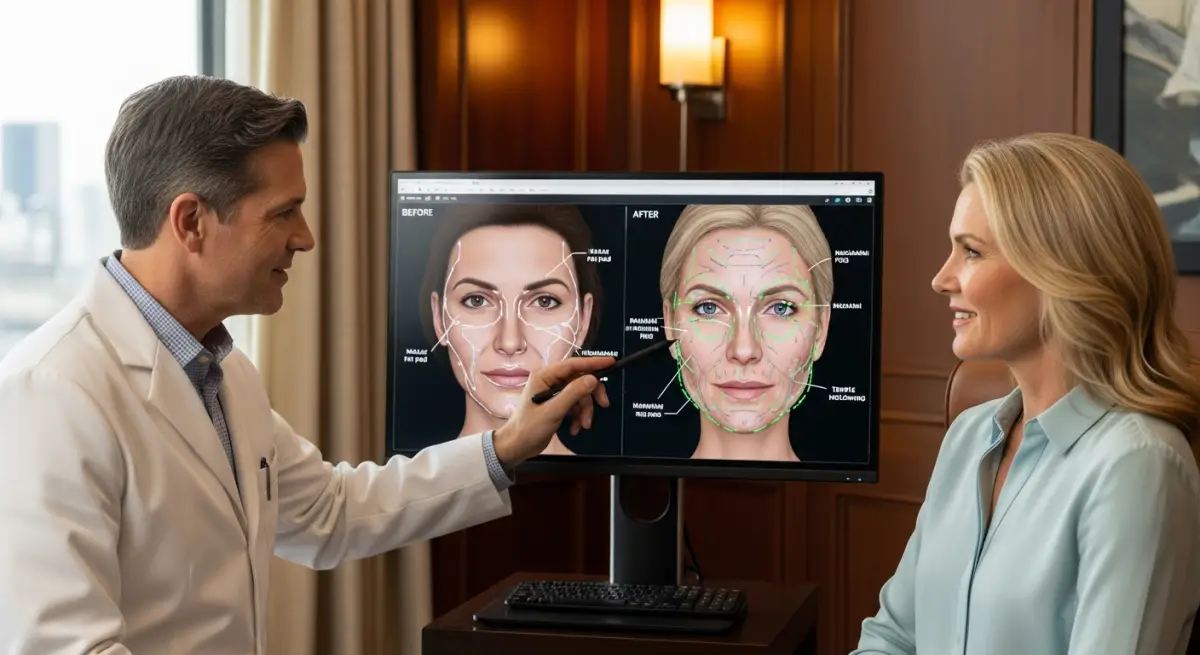
Fat transfer has become one of the most sought-after procedures in South Korea's premium aesthetic surgery market, where it is often combined with facial bone contouring and skin resurfacing to achieve comprehensive rejuvenation. At clinics like Banobagi Plastic Surgery in Seoul, fat grafting is performed alongside comprehensive facial analysis using CT imaging to precisely plan volumetric restoration, addressing temples, cheeks, periorbital hollowing, nasolabial folds, chin, and jawline in carefully calculated volumes that restore the proportions of youthful facial anatomy.
Applications: Face, Breast, Body
Facial fat transfer (facial volumization) is perhaps the most transformative application of fat grafting. Age-related facial volume loss affects the temples, cheeks, tear troughs, perioral area, and chin — creating the sunken, tired appearance that no amount of skin tightening fully addresses. Fat grafting restores this lost volume, often more naturally than synthetic fillers (which carry some risk of lumpiness, vascular complications, and migration over time). A well-performed facial fat transfer can take 5–10 years off the apparent age without altering the fundamental facial structure. It pairs beautifully with facelift surgery, which addresses skin laxity while fat grafting restores the volumetric deflation.
Breast augmentation with fat transfer (composite breast augmentation) appeals to women who want modest size increase (typically 1–1.5 cup sizes) without breast implants. The technique is ideal for thin women with naturally small breasts who want a subtle, natural enhancement — the additional volume looks and feels identical to natural breast tissue. Limitations include: fat survival means not all injected volume persists (multiple sessions may be needed for larger augmentations), and the procedure requires adequate donor fat (very thin patients may not have enough for meaningful augmentation). Combining fat transfer with breast lift is one of the most sought-after composite procedures, addressing both skin ptosis and volume deficit simultaneously.
Brazilian Butt Lift (BBL) — buttock augmentation through fat transfer — is covered in a separate detailed guide on our platform. Fat transfer to the hands addresses the skeletal, veiny appearance that develops as dorsal hand fat depletes with age, restoring the smooth, full contour of younger hands. Hand fat transfer is increasingly requested by patients who have had facial rejuvenation and notice the contrast between a rejuvenated face and aged-appearing hands. It is one of the fastest, lowest-risk fat grafting procedures, performed under local anesthesia in 30–60 minutes.
Cost Comparison by Country
Fat Transfer Surgery Cost Comparison 2025
| Procedure | Turkey | South Korea | Thailand | USA |
|---|---|---|---|---|
| Fat Transfer to Face | $2,000 – $3,500 | $2,500 – $4,500 | $2,500 – $4,000 | $5,000 – $9,000 |
| Fat Transfer to Breasts | $3,500 – $5,500 | $4,500 – $7,000 | $4,000 – $6,500 | $8,000 – $13,000 |
| Brazilian Butt Lift (BBL) | $3,000 – $4,500 | $4,500 – $7,000 | $3,500 – $5,500 | $8,000 – $15,000 |
| Fat Transfer to Hands | $1,200 – $2,000 | $1,800 – $2,800 | $1,500 – $2,500 | $3,500 – $5,500 |
| Composite Breast Aug + Lift | $4,500 – $7,000 | $6,000 – $9,000 | $5,000 – $8,000 | $11,000 – $18,000 |
Prices include liposuction from donor sites, fat processing, and injection into recipient areas. BBL pricing reflects Turkey's specialized centers. Combined procedures may qualify for package discounts.
Turkey is the most cost-competitive destination for fat transfer procedures globally, offering premium results at 55–65% below US pricing. Istanbul's cosmetic surgery centers have made fat transfer a core competency, particularly BBL, which has become Turkey's signature cosmetic procedure for international patients. The specialized BBL techniques developed by leading Turkish plastic surgeons — including SAFI (superficial aponeurotic fat injection) and subcutaneous-only injection protocols that eliminate the intramuscular injection associated with fatal BBL complications — are now considered among the safest approaches globally.
South Korea commands a premium for its facial fat transfer expertise, with Seoul's aesthetic surgery clinics achieving facial volumization results that are considered among the most refined globally. The Korean emphasis on facial analysis, proportional assessment, and detailed surgical planning produces facial fat transfer results that are carefully calibrated to facial anatomy rather than simply 'filling' — the difference between results that look natural versus overcorrected is determined by this level of planning. Banobagi Plastic Surgery in Seoul is internationally known for their facial composite techniques combining bone contouring, fat grafting, and skin treatment in comprehensive rejuvenation programs.
Achieve natural-looking augmentation using your own body fat. Get personalized fat transfer quotes from leading surgeons abroad.
Explore Fat Transfer OptionsLongevity & Results
The fundamental challenge of fat transfer is that not all transferred fat survives the engraftment process. Modern closed-system techniques achieve 60–80% fat survival at 6 months, with survival rates thereafter being permanent for cells that have successfully established a blood supply. Patients typically lose 20–40% of their initial result in the first 3 months as non-survived fat is reabsorbed. Most surgeons perform a planned 'overfill' of 20–30% to account for this expected resorption, targeting the final desired volume. The fat that survives the initial 3 months is considered permanent — it will enlarge with weight gain and reduce with weight loss, just like fat elsewhere in the body.
Risks & Considerations
Fat transfer's most significant risks vary by target area. Facial fat transfer carries risks of asymmetry, lumpiness (particularly with older techniques using larger droplet sizes), and rare vascular occlusion (injection into a blood vessel that supplies the eye — catastrophic but very rare, prevented by using blunt cannulas and retrograde injection technique). Breast fat transfer carries theoretical concern about masking breast lumps on mammography, which is why pre-and post-surgical imaging is recommended; modern radiologists are familiar with fat necrosis cysts after breast fat grafting and can accurately distinguish them from pathological findings. BBL has historically been associated with fat embolism fatality from intramuscular injection — modern subcutaneous technique essentially eliminates this risk.
Consult with fat transfer specialists who use the latest techniques for natural results. Free personalized consultation with no obligation.
Book My ConsultationFrequently Asked Questions
How much fat do I need to be a candidate for fat transfer?
The required fat amount depends on the target area and desired augmentation size. For facial rejuvenation (temples, cheeks, under-eyes, lips), even slender patients typically have adequate fat for meaningful treatment, as the volumes needed are relatively small (50–150ml total). For breast augmentation, at least 300–500ml of harvestable fat per side is generally needed for a 1 cup size increase, requiring sufficient donor volume — patients with BMI below 19 may have inadequate fat. For BBL (buttock augmentation), typically 600–1,500ml of fat per side is needed, requiring patients to have meaningful fat reserves in donor areas.
Can I exercise normally after fat transfer?
Upper body exercise: resume at 3–4 weeks. Lower body exercise: resume at 6 weeks if fat was transferred to the buttocks (sitting on the grafted area must be avoided for 6 weeks with a positioning pillow for the first 2–3 weeks). General cardio walking: resume at 2 weeks. The critical recovery period for fat survival is the first 3 months, during which avoiding pressure on grafted areas and following the compression garment protocol for donor sites is important.
Will I need more than one session?
For modest augmentation goals, a single well-executed fat transfer session is often sufficient. For larger augmentation (significant breast enhancement, large buttock augmentation), multiple sessions spaced 3–6 months apart may be recommended. In facial fat transfer, some surgeons plan a small touch-up session at 3 months to refine areas that showed more resorption than others. Repeat sessions are less expensive than the initial procedure as less liposuction is typically required.
Will the fat transfer results change if I gain or lose weight?
Yes — the transferred fat cells respond to your body's hormonal signals exactly like fat elsewhere in your body. If you gain weight, the grafted fat will enlarge; if you lose weight significantly, it will reduce. This applies equally to facial fat (where significant weight loss could partially reverse volume restoration), breast augmentation, and buttock augmentation. Maintaining a stable body weight after fat transfer preserves your result most reliably.
How is the fat processed before injection?
After liposuction harvest, fat is processed to remove blood, anesthetic fluid, damaged cells, and oil. Centrifugation (spinning at controlled speed) separates these components. Advanced closed-system devices like Lipogems and Viafill perform processing without exposing fat to open air, reducing oxidative damage and bacterial contamination risk. Nanofat processing uses additional mechanical emulsification to create an extremely fine, injectable fraction rich in regenerative cells. The specific processing method influences graft survival — ask your surgeon which technique they use and why.