Why In-Country Recovery Matters for Optimal Outcomes
The conventional wisdom in medical tourism is that patients should return home as quickly as safely possible after their procedure. This advice is appropriate for minor and medium procedures — dental work, hair transplant, minor cosmetic surgery — where the recovery period is short and complications are unlikely. But for major procedures — total knee or hip replacement, cardiac surgery, complex spinal surgery, major cancer surgery, or brain tumour resection — leaving the country immediately after the acute hospital phase is not just suboptimal; it can be genuinely dangerous. The first weeks of rehabilitation after major surgery are when the foundation of long-term functional outcome is established. Spending those critical weeks in an intensive, specialist-supervised rehabilitation programme in your treatment country yields dramatically better functional outcomes than returning home to less intensive community physiotherapy.
Consider the evidence for orthopaedic surgery. After total knee replacement, patients who undergo intensive in-hospital rehabilitation for 2–3 weeks post-surgery achieve significantly better flexion, extension, and functional mobility at 3 and 6 months than patients who return home after the standard 3–5 day acute hospital stay and begin community physiotherapy. The first three weeks of rehabilitation are when the joint capsule heals, scar tissue formation is guided, and quadriceps strength recovery is established. Expert-supervised, intensive physiotherapy during this window determines the long-term range of motion and functional capacity of the replaced joint — outcomes that no amount of later rehabilitation can fully recover once the initial window is missed.
Similar evidence exists for cardiac surgery, major cancer procedures, and neurological surgery. Comprehensive cardiac rehabilitation after bypass surgery reduces 5-year mortality by 27 percent compared to no structured rehabilitation. Intensive post-stroke rehabilitation initiated early determines the extent of functional recovery from neurological damage. The clinical case for extended in-country recovery after major procedures is compelling — and the cost case in international medical centres is equally persuasive. Explore our Rehabilitation Blog for procedure-specific recovery guidance.
Procedures That Benefit Most from Extended In-Country Recovery
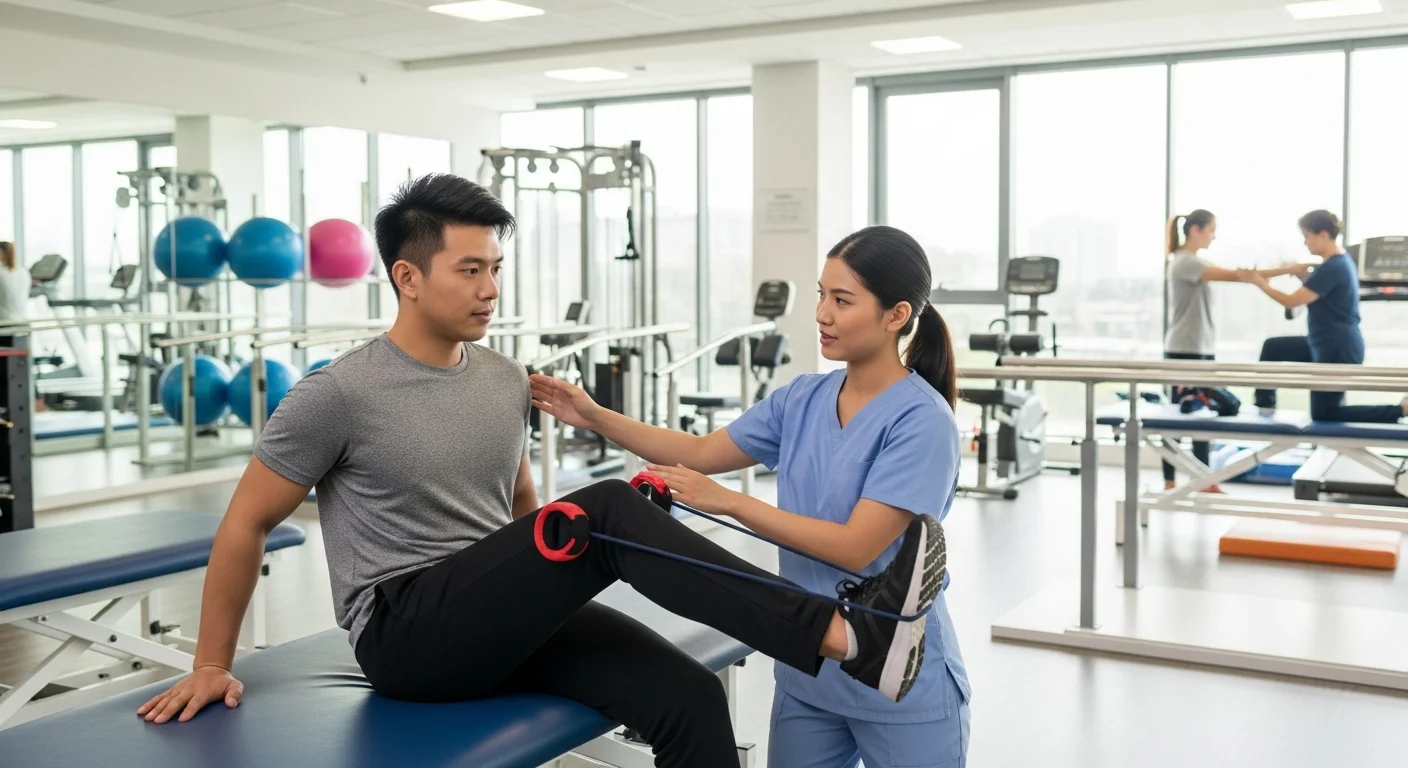
Not all procedures require extended in-country recovery. The following categories benefit most significantly from structured rehabilitation in the treatment country: Major orthopaedic procedures — total knee replacement, hip replacement, spinal fusion, and ACL reconstruction — benefit from 2–4 weeks of intensive inpatient or day-patient physiotherapy supervised by the operating surgeon's team. Cardiac surgery — coronary artery bypass grafting (CABG), valve replacement, and major cardiac procedures — benefits from 3–4 weeks of supervised cardiac rehabilitation including graduated exercise, respiratory physiotherapy, and lifestyle intervention. Complex oncology surgery — major abdominal, thoracic, or head-and-neck cancer surgery — benefits from 2–3 weeks of post-operative rehabilitation addressing nutritional restoration, respiratory function, and functional mobility.
Neurological surgery and stroke rehabilitation represent the strongest case for extended in-country recovery. After brain tumour surgery or stroke, the neurological rehabilitation window during which intensive therapy produces the greatest recovery gains extends for 3–6 months but is most powerful in the first 4–8 weeks. International neurological rehabilitation centres that combine high-intensity therapy (3–5 hours daily of physiotherapy, occupational therapy, and speech therapy) with advanced neurorehabilitation technologies — robotic therapy, transcranial magnetic stimulation, virtual reality rehabilitation — achieve outcomes that exceed standard community rehabilitation by a clinically significant margin. For patients who underwent major neurological procedures, the additional cost of 4–6 weeks at an intensive neurorehabilitation centre is returned many times over in improved functional outcomes.
- Total knee replacement — 2–4 weeks intensive physiotherapy
- Total hip replacement — 2–3 weeks mobility rehabilitation
- Spinal fusion surgery — 3–4 weeks specialist spinal rehabilitation
- Cardiac surgery (CABG/valve) — 3–4 weeks cardiac rehabilitation
- Major oncology surgery — 2–3 weeks functional recovery programme
- Neurological surgery / stroke — 4–8 weeks intensive neurorehabilitation
- Major trauma reconstruction — individualised extended programme
- Bariatric surgery — 1–2 weeks nutritional and lifestyle support
Rehabilitation Programs at International Medical Centres
International rehabilitation programmes at leading medical tourism destinations combine clinical excellence with cost efficiency that simply cannot be matched by rehabilitation services in high-income countries. Turkey, for example, has invested significantly in post-acute rehabilitation infrastructure to serve both its domestic population and its rapidly growing international medical tourism sector. Specialist inpatient rehabilitation facilities adjacent to or affiliated with major hospitals provide intensive therapy programmes staffed by physiotherapists, occupational therapists, speech therapists, rehabilitation specialists, neuropsychologists, and rehabilitation medicine physicians — the full multidisciplinary team required for optimal outcomes.
Acıbadem Maslak Hospital operates one of Turkey's most comprehensive rehabilitation departments, providing post-surgical physiotherapy, neurological rehabilitation, cardiac rehabilitation, and musculoskeletal rehabilitation programmes for international patients. The rehabilitation department integrates advanced technologies including robotic exoskeletons for gait training, functional electrical stimulation, hydrotherapy, and virtual reality balance training alongside conventional therapy approaches. These technologies, standard at international-level rehabilitation centres in Turkey and India, are often available only at elite rehabilitation centres in the USA and UK at much higher cost.
For patients who require longer rehabilitation stays than planned due to unexpected complications or slower-than-anticipated recovery, international rehabilitation centres offer considerable scheduling flexibility. Unlike home-country rehabilitation systems — where waiting lists mean delays in accessing intensive therapy — international facilities typically accommodate extended stays on relatively short notice. This flexibility is valuable for patients whose recovery trajectory does not follow the standard timeline, and your treating surgeon and rehabilitation team will advise proactively if they observe signs that additional in-country time will benefit your long-term outcome.
Recovery Accommodation: Where to Stay During Extended Recovery
Patients extending their stay for rehabilitation have a range of accommodation options beyond hospital inpatient stays. For patients well enough to leave the hospital but requiring daily or near-daily physiotherapy attendance, serviced apartment accommodation near the rehabilitation facility provides the optimal balance of independence, comfort, and proximity. Modern serviced apartments in Istanbul's medical district areas — Şişli, Mecidiyeköy, and Maslak — offer clean, comfortable, kitchen-equipped accommodation at $50 to $150 per night, enabling patients to self-cater (important for patients on post-surgical nutritional protocols) while being within easy reach of their rehabilitation facility.
Some international rehabilitation centres operate residential rehabilitation facilities that combine accommodation and therapy in a dedicated recovery environment. These all-inclusive recovery residences provide meals (including therapeutic diets appropriate for post-surgical nutritional needs), daily physiotherapy, medical monitoring, psychological support, and social engagement with other recovering patients. This model is particularly beneficial for patients without a companion — the residential rehabilitation environment provides structured daily routine and social interaction that counters the isolation that can impair recovery in independent accommodation. Combine your recovery stay with some cultural exploration using our Istanbul Tourist Passes once you are mobile enough.
Cost of Extended Recovery Stays: The Numbers
Extended Recovery Stay Costs: Turkey vs. Home Country
| Recovery Service | USA/UK Weekly Cost | Turkey Weekly Cost | Savings |
|---|---|---|---|
| Inpatient Rehabilitation (Post-Orthopaedic) | $5,000 – $12,000/week | $800 – $2,000/week | Up to 84% |
| Day Rehabilitation Programme (5 days/week) | $2,000 – $5,000/week | $400 – $1,200/week | Up to 76% |
| Physiotherapy (5 sessions/week) | $500 – $1,500/week | $80 – $250/week | Up to 83% |
| Neurological Rehabilitation (Inpatient) | $8,000 – $18,000/week | $1,500 – $3,500/week | Up to 81% |
| Cardiac Rehabilitation Programme (12 weeks) | $15,000 – $35,000 total | $2,500 – $6,000 total | Up to 83% |
| Recovery Accommodation (Self-catering, near clinic) | N/A | $50 – $150/night | — |
Rehabilitation costs vary significantly by programme intensity, facility level, and specific therapies included. Request itemised quotes for your exact programme.
The cost savings in international rehabilitation are among the most dramatic in all of medical tourism. Inpatient post-orthopaedic rehabilitation in the US costs $5,000 to $12,000 per week; equivalent-intensity rehabilitation at a Turkish specialist facility costs $800 to $2,000 per week. For a 3-week post-knee-replacement rehabilitation programme, this means savings of $12,000 to $30,000 — more than many patients spend on the surgery itself. Use our Health Cost Calculator to model the full financial picture including extended recovery stays.
I had my spinal fusion done in Istanbul and then spent three weeks at the affiliated rehabilitation centre. The physiotherapy was twice a day, five days a week, with hydro on alternate days. The team were extraordinary — more intensive than anything I'd experienced in my years of back problems at home in the UK. When I returned to the NHS physiotherapist at home she was amazed at my range of motion and strength. The extra three weeks in Istanbul cost £4,200 for everything including my apartment and all therapy sessions.
David H., spinal surgery patient from the UK
Frequently Asked Questions
How long should I plan to stay for recovery after major orthopaedic surgery?
For total knee replacement: minimum 2 weeks in-country (5 days acute hospital + 7–14 days intensive physiotherapy), ideally 3–4 weeks for optimal functional outcome. For total hip replacement: minimum 10 days (5 days hospital + 5–7 days rehab), ideally 2–3 weeks. For spinal fusion: minimum 2 weeks, ideally 3–4 weeks. Your surgeon will advise based on your specific procedure and recovery progress.
Can I do some of my rehabilitation back home?
Yes, but the first 2 weeks post-major surgery are the most critical and should ideally be completed in-country. The later phases of rehabilitation (weeks 4–12) can be completed at home under a rehabilitation plan developed by your international physiotherapy team and shared with your home physiotherapist. Many patients complete 2 weeks in-country intensive rehabilitation and then 8–10 weeks of home physiotherapy following the international programme.
What if I need physiotherapy every day but can't afford inpatient rehabilitation?
Day-patient physiotherapy programmes — where you attend the rehabilitation centre for sessions daily but return to your own accommodation each evening — offer approximately 70–80% of the clinical benefit of inpatient rehabilitation at significantly lower cost. This model works well for patients who are independently mobile and have secure, comfortable accommodation close to the rehabilitation facility.
Is rehabilitation after bariatric surgery necessary abroad?
Bariatric surgery does not typically require formal inpatient rehabilitation. However, an extended stay of 1–2 weeks for the acute dietary transition period — supervised by the bariatric clinic's dietitian team — is beneficial for establishing the post-operative dietary behaviours that determine long-term weight loss success. Most bariatric packages include dietitian consultations during the immediate post-operative period. See our <a href="/blog/weight-loss-surgery">Weight Loss Surgery Blog</a> for bariatric-specific recovery guidance.