Types of Open Heart Surgery
Open heart surgery is a broad term encompassing any surgical procedure that requires opening the chest cavity to access the heart directly. The defining characteristic of open heart surgery is the median sternotomy — a vertical incision through the breastbone (sternum) that provides the surgeon with full access to the heart and great vessels. Most open heart procedures require the use of cardiopulmonary bypass (the heart-lung machine), which temporarily takes over the pumping and oxygenation functions of the heart and lungs, allowing the surgeon to operate on a still, bloodless heart. Open heart surgery remains the most definitive treatment for many complex cardiac conditions that cannot be adequately addressed through catheter-based or minimally invasive approaches.
The most common types of open heart surgery include coronary artery bypass grafting (CABG) for severe coronary artery disease, heart valve repair or replacement for dysfunctional valves, surgical repair of congenital heart defects in both children and adults, and operations on the aorta including aneurysm repair and aortic dissection surgery. More complex procedures may combine multiple interventions in a single operation — for example, simultaneous valve replacement and bypass grafting, known as a combined procedure — or involve reoperations (redo surgery) on patients who have had previous cardiac surgery, which carries additional technical challenges due to scar tissue and altered anatomy.
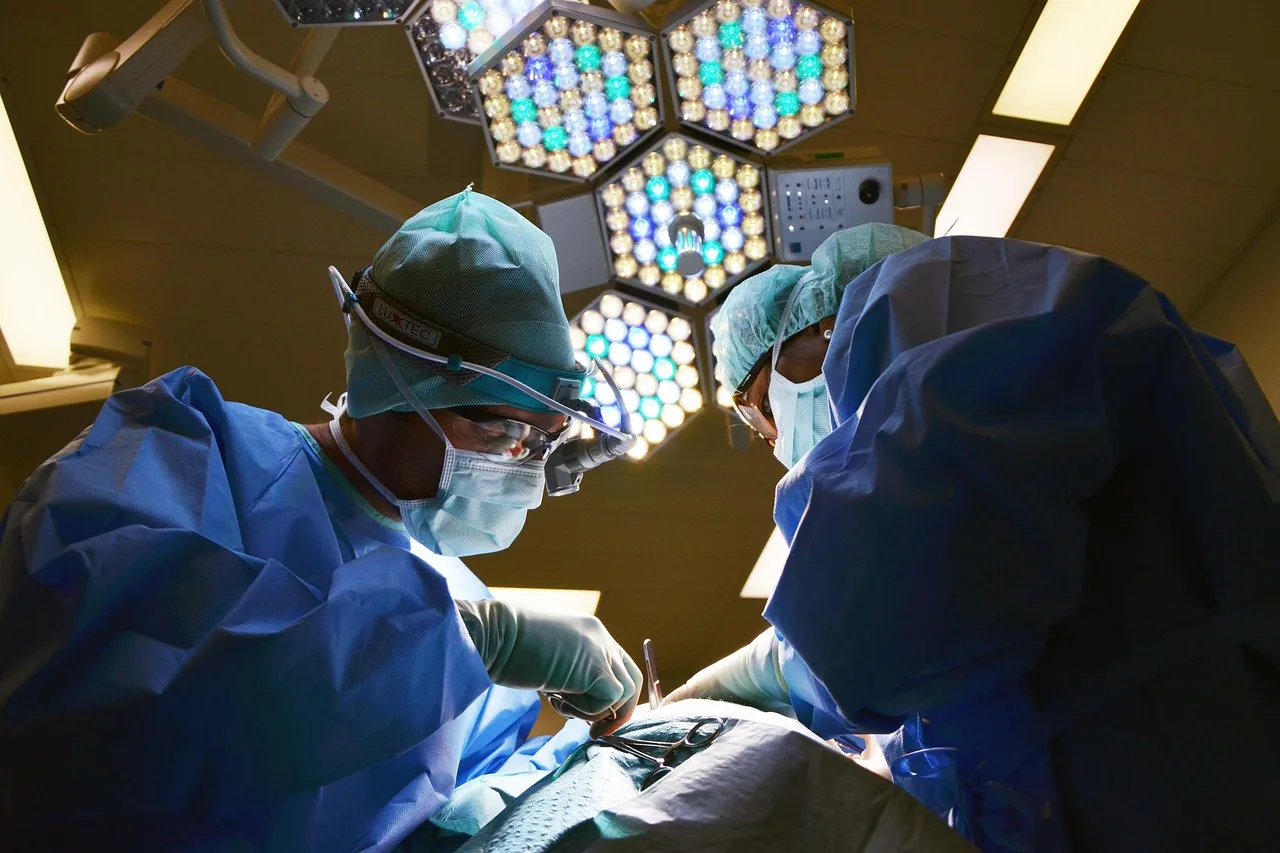
- Coronary Artery Bypass Grafting (CABG): Bypassing blocked coronary arteries using vein or arterial grafts to restore blood flow to the heart muscle
- Valve Repair/Replacement: Fixing or replacing damaged heart valves (aortic, mitral, tricuspid, or pulmonary) with prosthetic devices
- Aortic Surgery: Repair or replacement of diseased segments of the aorta including aneurysms, dissections, and coarctation
- Congenital Heart Defect Repair: Correcting structural abnormalities present at birth such as atrial/ventricular septal defects and tetralogy of Fallot
- Combined Procedures: Simultaneous valve and bypass surgery, multiple valve operations, or valve surgery with aortic repair
- Heart Tumor Removal: Excision of cardiac tumors (myxomas) and other intracardiac masses
- Maze Procedure: Surgical treatment for atrial fibrillation, often performed in conjunction with valve surgery
Cost Comparison by Country
The financial burden of open heart surgery in the United States is among the highest for any medical procedure. A standard open heart operation such as CABG or single valve replacement typically costs between $75,000 and $200,000 at US hospitals, while complex procedures including combined valve-bypass operations, aortic surgery, or redo cardiac surgery can exceed $300,000. These figures encompass the surgeon's fee, anesthesiologist fees, perfusionist services for managing the heart-lung machine, ICU stay (typically $3,000 to $10,000 per day in the US), regular hospital ward stay, medications, post-operative rehabilitation, and follow-up care. For uninsured patients, these costs represent a catastrophic financial event that can lead to medical bankruptcy.
Open Heart Surgery Cost Comparison 2025
| Country | Standard Open Heart | Complex Procedures | Savings vs USA |
|---|---|---|---|
| USA | $75,000 - $200,000 | $150,000 - $300,000 | — |
| Turkey | $12,000 - $30,000 | $25,000 - $50,000 | Up to 85% |
| India | $6,000 - $18,000 | $12,000 - $35,000 | Up to 92% |
| Thailand | $15,000 - $35,000 | $30,000 - $60,000 | Up to 80% |
| Mexico | $18,000 - $40,000 | $35,000 - $65,000 | Up to 76% |
| South Korea | $22,000 - $45,000 | $40,000 - $70,000 | Up to 70% |
| Malaysia | $10,000 - $25,000 | $20,000 - $45,000 | Up to 87% |
| Colombia | $12,000 - $28,000 | $22,000 - $50,000 | Up to 84% |
Prices include surgeon fees, anesthesia, perfusion services, ICU stay, hospital stay, and standard post-operative care. Complex procedures include combined valve-bypass, aortic surgery, or redo operations.
The cost savings available at accredited hospitals abroad are transformative for patients who would otherwise be unable to afford the surgery or would face devastating financial consequences. In Turkey, open heart surgery costs range from $12,000 to $50,000 depending on complexity, representing savings of up to 85% compared to US pricing. Leading Turkish cardiac centers like Liv Hospital Istanbul offer comprehensive all-inclusive packages that cover the entire treatment journey from pre-operative diagnostics through post-operative rehabilitation, eliminating unexpected costs and providing financial certainty for patients planning their medical travel.
India continues to offer the most affordable open heart surgery globally, with standard procedures starting at approximately $6,000 at world-class institutions that perform thousands of cardiac operations annually. The country's massive patient volume ensures that surgical teams maintain exceptional skill levels and that hospitals can negotiate favorable pricing for prosthetic devices, surgical supplies, and pharmaceutical products. Thailand offers a premium medical tourism experience with moderate pricing, while South Korea and Malaysia provide excellent alternatives with their own unique advantages in terms of technology, expertise, and patient experience.
How to Choose the Right Hospital
Selecting the appropriate hospital for open heart surgery abroad is arguably the most critical decision in the entire medical tourism process. Given the complexity and potential risks of cardiac surgery, patients must conduct thorough due diligence to ensure they are entrusting their care to a facility and surgical team capable of delivering world-class outcomes. The following criteria should guide your hospital selection process and help you distinguish between truly excellent cardiac surgery programs and those that may fall short of the standards required for safe, successful open heart surgery.
JCI accreditation is the most widely recognized international standard for hospital quality and patient safety. Hospitals that hold JCI accreditation have undergone rigorous evaluation across hundreds of measurable standards covering patient care processes, infection control protocols, medication management, surgical safety checklists, and quality improvement programs. Facilities such as American Hospital Istanbul have maintained JCI accreditation for over a decade, demonstrating a sustained commitment to the highest standards of healthcare delivery. Beyond accreditation, the surgeon's individual credentials, training background, and case volume are equally important — look for surgeons who have completed fellowships at recognized cardiac surgery training centers and who perform a minimum of 150 to 200 open heart procedures annually.
- JCI Accreditation: The international gold standard for hospital quality; verify current accreditation status on the JCI website
- Surgeon Credentials: Board certification, fellowship training at recognized institutions, publication record, and conference presentations
- Annual Case Volume: Hospital should perform 500+ cardiac surgeries and individual surgeon should perform 150+ open heart cases per year
- Dedicated Cardiac ICU: Separate cardiac intensive care unit staffed by cardiac intensivists with nurse-to-patient ratio of 1:1 or 1:2
- Complete Cardiac Team: Cardiac surgeon, cardiac anesthesiologist, perfusionist, ICU intensivist, cardiac rehabilitation specialist
- International Patient Department: Dedicated coordinators, translation services, visa assistance, accommodation arrangements, airport transfers
- Transparent Pricing: Detailed cost breakdown with all-inclusive package options, no hidden fees or surprise charges
- Published Outcomes: Hospital willing to share mortality rates, complication rates, and infection rates for cardiac surgery
Pre-Operative Preparation
Thorough pre-operative preparation is essential for optimizing surgical outcomes and minimizing complications following open heart surgery. The process begins weeks before the actual procedure and involves both medical optimization and logistical planning for the international medical travel experience. Patients should work with their local cardiologist to complete all necessary diagnostic testing before traveling, including a recent coronary angiogram (within three to six months), transthoracic and/or transesophageal echocardiogram, blood work including complete blood count, metabolic panel, coagulation studies, and thyroid function tests, chest X-ray, pulmonary function tests, and carotid artery ultrasound (particularly for patients over sixty-five or those with a history of stroke).
Medication management in the pre-operative period is critically important. Blood-thinning medications such as warfarin must typically be discontinued five to seven days before surgery, with a bridge to injectable heparin or enoxaparin if the patient is at high risk for blood clots. Aspirin may be continued or discontinued depending on the surgeon's preference and the specific procedure planned. Certain medications including metformin, ACE inhibitors, and angiotensin receptor blockers may need to be adjusted or held on the day of surgery. Patients should compile a complete list of all medications (including supplements and herbal remedies) and share this with their surgical team well in advance.
The best surgical outcomes begin long before the patient enters the operating room. Meticulous pre-operative assessment and optimization of the patient's medical condition are just as important as the surgical technique itself.
Dr. Denton Cooley, Pioneer of Open Heart Surgery
ICU Recovery & Hospital Stay
Immediately following open heart surgery, patients are transferred to the cardiac intensive care unit (ICU) where they receive the highest level of post-operative monitoring and care. Upon arrival in the ICU, the patient is still under the effects of general anesthesia, connected to a mechanical ventilator for breathing support, and has multiple monitoring lines including an arterial line for continuous blood pressure measurement, a central venous catheter for medication administration, chest drainage tubes to remove fluid and air from the surgical site, temporary pacing wires attached to the heart, and a urinary catheter. A dedicated cardiac ICU nurse provides one-on-one monitoring during this critical period.
Most patients are weaned from the ventilator and extubated (breathing tube removed) within six to twelve hours after surgery, though some patients may require longer ventilatory support depending on the complexity of the procedure and their pre-operative lung function. Early extubation protocols, known as fast-track cardiac anesthesia, have been widely adopted at leading international hospitals and are associated with shorter ICU stays and reduced pulmonary complications. Once extubated, patients are encouraged to begin deep breathing exercises, coughing with splinting support, and gentle limb movements to promote circulation and prevent respiratory complications.

The transition from the ICU to the regular cardiac ward typically occurs on post-operative day one to three, depending on the patient's hemodynamic stability, chest tube output, and overall recovery trajectory. On the cardiac ward, the focus shifts to progressive mobilization — patients are assisted in sitting up, standing, and taking their first steps with the guidance of physiotherapists. The medical team closely monitors wound healing, manages pain with a transition from intravenous to oral analgesics, optimizes cardiac medications, and educates the patient and their companion on post-discharge care. Most international hospitals include a dedicated patient coordinator who serves as the primary point of contact for the patient and their family throughout the hospital stay, addressing any questions or concerns that arise.
Risks & Complications
Open heart surgery, while generally safe at experienced centers, carries inherent risks that patients must understand and discuss thoroughly with their surgical team. The overall operative mortality rate for elective open heart surgery at high-volume centers ranges from one to four percent, depending on the specific procedure, patient age, and comorbid conditions. The Society of Thoracic Surgeons (STS) risk scoring system and the EuroSCORE II are widely used tools that estimate an individual patient's surgical risk based on multiple clinical variables, providing both patients and surgeons with a data-driven assessment of expected outcomes.
Potential complications of open heart surgery include post-operative bleeding requiring re-exploration (two to five percent), surgical site infection including mediastinitis (one to three percent), stroke (one to three percent), atrial fibrillation or other arrhythmias (twenty to forty percent, usually transient), acute kidney injury (five to ten percent), prolonged mechanical ventilation (three to five percent), and pericardial effusion (five to ten percent). While these risks cannot be eliminated entirely, they can be minimized by choosing an experienced surgical team at a high-volume center with comprehensive post-operative care capabilities including a dedicated cardiac ICU, on-site blood bank, interventional radiology, and nephrology consultation services.
For patients considering open heart surgery abroad, the risk profile is essentially identical to that at domestic institutions when the international hospital meets the criteria outlined above — JCI accreditation, high surgical volume, experienced surgical team, and comprehensive support services. In fact, some international cardiac centers report outcomes that exceed Western benchmarks, partly because their surgical teams perform extremely high case volumes and have developed exceptional technical proficiency. Patients should request the hospital's specific outcome data for the planned procedure, including mortality rates, major complication rates, and infection rates, and compare these with published benchmarks from the STS database or other international registries.
Ready to explore open heart surgery options abroad? Our cardiac surgery advisors provide free consultations and personalized hospital recommendations.
Get Free Consultation- Bleeding: 2-5% may require surgical re-exploration; blood bank availability is essential
- Infection: 1-3% risk of deep sternal wound infection; proper antibiotic prophylaxis reduces risk
- Stroke: 1-3% overall risk; higher in elderly patients and those with carotid artery disease
- Atrial Fibrillation: 20-40% incidence, usually transient; treated with medications or cardioversion
- Kidney Injury: 5-10% incidence; pre-operative hydration and avoiding nephrotoxic agents helps prevent
- Prolonged Ventilation: 3-5% may need extended breathing support beyond 24 hours
Compare open heart surgery costs and hospitals across multiple countries. Find the best combination of quality and value for your cardiac care.
Compare Heart Surgery HospitalsFrequently Asked Questions
Frequently Asked Questions
What qualifies as open heart surgery?
Open heart surgery refers to any procedure where the chest is opened (typically through a median sternotomy - an incision through the breastbone) to directly access the heart. This includes coronary bypass surgery, valve repair/replacement, aortic surgery, congenital defect repair, and cardiac tumor removal. Most open heart procedures use cardiopulmonary bypass (heart-lung machine), though some can be performed 'off-pump.' The term distinguishes these from minimally invasive and catheter-based cardiac procedures that don't require opening the chest fully.
How long is the hospital stay for open heart surgery abroad?
The typical hospital stay for open heart surgery is 7-10 days, including 1-3 days in the cardiac ICU followed by 4-7 days on the cardiac ward. Complex procedures or patients with complications may require longer stays. After hospital discharge, you should plan to remain near the hospital for an additional 7-14 days for follow-up appointments and initial recovery before flying home. Total time abroad is typically 3-4 weeks from arrival to departure.
Is it safe to have major heart surgery in another country?
Yes, open heart surgery at JCI-accredited international hospitals with experienced cardiac surgery teams is very safe. Leading cardiac centers in Turkey, India, and Thailand employ surgeons trained at top Western institutions, use identical equipment and prosthetics, and maintain outcomes comparable to or exceeding Western benchmarks. The key safety factors are JCI accreditation, surgeon credentials and volume, dedicated cardiac ICU with experienced intensivists, and a comprehensive multidisciplinary cardiac team.
What should I bring with me for heart surgery abroad?
Essential items include: all medical records and imaging (angiograms, echocardiograms on CD), current medication list, loose comfortable clothing that opens in the front (avoiding pullover shirts), compression stockings for the return flight, a supportive pillow for chest comfort during recovery, personal toiletries, your passport and insurance information, emergency contact details, and copies of all correspondence with the hospital. A travel companion is highly recommended for support during recovery.
Can I have redo (repeat) heart surgery abroad?
Yes, many international cardiac centers are experienced in redo cardiac surgery, though it is more complex than first-time operations due to scar tissue and altered anatomy. Redo surgery typically costs 20-40% more than primary surgery and may require longer hospital stays. When seeking redo surgery abroad, it is especially important to choose a high-volume center with specific experience in reoperations. Share your complete surgical history, including operative reports from previous surgeries, with the international team.
What is the mortality rate for open heart surgery?
The operative mortality rate for elective open heart surgery at high-volume centers ranges from 1-4% depending on the specific procedure and patient risk factors. Isolated CABG carries approximately 1-2% mortality, isolated valve replacement 1-3%, and combined procedures 3-5%. These rates are calculated using risk scoring systems like EuroSCORE II that account for patient age, kidney function, lung disease, and other factors. Accredited international hospitals maintain mortality rates consistent with these benchmarks.
How do I arrange follow-up care after returning home?
Before leaving the hospital abroad, your surgical team will provide a comprehensive discharge summary, medication list, and follow-up care plan. They will also communicate directly with your local cardiologist to ensure continuity of care. Schedule an appointment with your local cardiologist within 1-2 weeks of returning home. You will need periodic echocardiograms, blood work, and clinical assessments. Many international hospitals offer telemedicine follow-up consultations for 6-12 months post-surgery at no additional charge.
Will my travel companion be accommodated at the hospital?
Most international hospitals offering cardiac surgery to medical tourism patients provide accommodations for a travel companion. Many hospitals in Turkey, India, and Thailand offer companion beds in the patient's private room, or arrange nearby hotel accommodation at discounted rates. Some all-inclusive packages include companion accommodation, meals, and airport transfers. Having a companion is highly recommended for open heart surgery patients as they can assist with daily activities, attend medical consultations, and provide emotional support during recovery.